Payment orchestration platform development means building one layer between your product and several payment providers. It routes each transaction, retries failed payments, and keeps refunds, reconciliation, and reporting in one place. An MVP that connects two providers and handles basic routing takes about 3–4 months and $50k–150k. An enterprise platform with high availability, multi-region deployment, and dozens of integrations takes 12–18 months and $500k–2 million+.
A single provider is enough while you sell in one country and the payment flow is calm. Once the business spreads across regions, currencies, and payment methods, every new provider means another integration, and every failed payment lands on support and finance. For a fintech product or a banking team entering new markets, that is the point where orchestration starts to pay off.
This guide covers how orchestration works, core and enterprise features, when a private custom platform beats SaaS, banking requirements, architecture and tech stack, the development process, security and compliance, cost, and common challenges.
What Is a Payment Orchestration Platform?
It is a software layer that connects and manages multiple payment providers, gateways, fraud tools, token vaults, payment methods, and reporting systems from one place. Instead of wiring every payment flow directly into one provider, you build a control layer that decides how each transaction should move.
In plain language, it helps your product answer questions like:
- Which payment provider should process this transaction?
- What happens if that provider is down?
- Should we retry the payment through another route?
- How do we store payment tokens safely?
- Where can finance see settlements, refunds, and failed payments?
- How do we add a new payment method without rebuilding everything?
A good orchestration layer gives your team more control. It can reduce failed payments, improve conversion, lower processing costs, and make expansion less painful. That sounds good, doesn’t it? Especially when payment failures directly affect revenue.
Sales Analytics Dashboard by Shakuro
How Payment Orchestration Works
Payment Gateway vs Payment Orchestration Platform
People mix these up all the time. I get it. They both deal with money moving from point A to point B. But they’re not the same thing.
A payment gateway is like a single door. It’s the technical pipe that sends card details to a processor. You walk through that door, you pay your fee, and hopefully, the transaction goes through. If that door is locked? You’re stuck. You need another door. And another. Soon, you’ve got five doors in your wall, and you’re manually deciding which one to open for each customer.
Payment orchestration software is the hallway connecting all those doors. It doesn’t replace the gateway; it sits in front of it. It lets you keep Stripe, Adyen, Worldpay, whatever. But now, you control the flow. You decide which door opens based on who’s knocking. It’s the difference between having a bunch of keys and having a smart lock system that knows who should enter where.
Routing, Cascading, Retries, and Failover
This is where the magic happens. Or at least, the part that saves your revenue.
Routing is just smart decision-making. If a customer is in Germany, maybe send them to a local acquirer to save on fees and boost approval rates. If it’s a high-value transaction, maybe route it through a provider known for better fraud handling. You set the rules, the platform executes.
As for cascading, let’s say the primary provider declines a card. Maybe it’s a false positive. Maybe their system is just having a bad day. Instead of showing the customer an error page (and losing the sale), the orchestration layer automatically tries a second provider. Then a third. All in milliseconds. The customer never knows. They just see “Payment Successful.”
Retries and failover are similar but focused on resilience. If a provider times out, the system can retry the request or failover to a backup instantly. It’s like having a spare tire that installs itself while you’re still driving. You agree, that sounds good, doesn’t it? Because downtime costs money.
Tokenization, Vaulting, and Saved Payment Methods
Storing card data is scary. PCI compliance is a beast, and nobody wants to be the person who explains why customer credit card numbers leaked.
Payment orchestration solutions usually come with a token vault. Here’s how it works: when a customer enters their card info, it goes straight to the vault. The vault swaps the sensitive data for a random string of characters—a token. Your system only ever sees the token. If hackers break into your database, they get useless tokens. Not exactly what they were hoping for.
This also makes saved payment methods way easier. Want to offer one-click checkout? The token stays valid across different providers. So if you switch your underlying processor, your customers don’t need to re-enter their cards. Their “saved” method still works because the token maps to the new backend seamlessly. It’s a huge win for user experience. And honestly, less friction means more sales. Simple as that.
Fraud, Risk Scoring, KYC/AML, and Chargeback Workflows
Fraud is a cat-and-mouse game. And the mice are getting smarter.
In the old days, you’d pick one fraud tool and stick with it. But what if that tool misses something? Or what if it’s too aggressive and blocks legit customers? With orchestration, you can layer multiple fraud providers. You might use one for initial screening and another for deeper analysis on high-risk transactions. You can even route transactions to different providers based on their risk score. Low risk? Fast track. High risk? Send it for manual review or extra verification.
KYC (Know Your Customer) and AML (Anti-Money Laundering) checks fit in here too. Especially for fintechs or crypto-adjacent businesses. The platform can trigger identity checks before allowing a payment to proceed. It keeps you compliant without slowing down every single user.
Nobody likes chargebacks. But orchestration can help manage the workflow. It can aggregate data from different providers to give you a clearer picture of why chargebacks are happening. Is it a specific product? A specific region? A specific provider’s weak fraud detection? Having that data in one place makes fighting disputes way less painful.
Reconciliation, Reporting, and Finance Operations
When you have ten different payment providers, you get ten different reports. Ten different formats. Ten different times of day they update. Reconciling that at the end of the month is a nightmare. It’s hours of copy-pasting into Excel, praying the numbers match.
A payment orchestration platform normalizes all this data. It pulls transaction info from every connected provider and puts it into one standard format. One dashboard. One report. You can see exactly how much went through Stripe vs. Adyen, what the fees were, and what the net revenue is. It’s clean.
Financial Market Trading Analytics Tool Dashboard Design by Shakuro
Core Features of a Payment Orchestration Platform
Let’s talk about what’s actually under the hood. Because knowing what it does is one thing, but understanding the tools you get is another.
Multi-provider integrations are the baseline. If a platform only connects to two gateways, is it really orchestrating? Not really. You want a library of pre-built connectors—Stripe, Adyen, Checkout.com, local banks in Brazil or Indonesia. The value here isn’t just having them; it’s how fast you can add a new one. In my experience, if it takes three months to integrate a new provider, you’ve already lost the agility advantage.
Smart routing isn’t just “send to A, then B.” It’s dynamic. You set rules based on currency, card type, transaction amount, or even time of day. Maybe Visa cards from France perform better with Provider X, but Amex works better with Provider Y. The system learns and adjusts. It’s like having a trader making split-second decisions for every single sale.
Payment method management is huge too. Customers don’t just use credit cards anymore. They want Apple Pay, Google Pay, bank transfers, buy-now-pay-later (BNPL), and local wallets like Alipay or Pix. Consumer products add one more layer: a P2P payment app has to move money between users instantly while settling through the same providers underneath. Managing these across different providers is a headache. An orchestration layer lets you toggle these on or off globally or by region without touching code. You want to launch Pix in Brazil next week? Just flip a switch.
Transaction monitoring gives you eyes on the ground. You need to see payments flowing in real-time. Is there a spike in declines? Is a specific provider slowing down? Good platforms give you a live feed. It’s not just for tech teams; support teams use this to answer customer queries instantly.
Dispute management ties back to those chargebacks we mentioned. Instead of logging into five different portals to fight disputes, you do it in one place. You upload evidence, track status, and see win rates per provider. It turns a chaotic administrative task into a manageable workflow.
Analytics dashboards are where the insights live. But beware of vanity metrics. You want actionable data. Which routing rule saved the most revenue last month? What’s the true cost per transaction after fees and FX? Good dashboards let you drill down. Not just “we made $10k,” but “we made $10k, and here’s exactly how.”
Admin roles and audit logs might sound boring, but try explaining to an auditor why you can’t track who changed a routing rule last Tuesday. Enterprise teams need granular permissions. Developers can configure APIs, finance can view reports, but only senior admins can change live routing logic. Every click is logged. Who did what, when, and why. It’s your safety net.
Webhooks and API management are for the builders. Your internal systems need to talk to the orchestration layer. Webhooks push events to your backend—payment succeeded, failed, refunded. Good payment orchestration software makes these reliable and easy to test. And the API should be clean. Documented. If your devs hate working with it, they’ll find workarounds. And workarounds break things.
Sandbox tools are essential for testing. You can’t test payment flows in production. That’s just asking for trouble. A robust sandbox lets you simulate successes, failures, timeouts, and fraud flags. You can mock entire customer journeys without moving real money.
Finally, merchant configuration. If you’re a platform serving multiple sub-merchants (like a marketplace), you need isolation. Each merchant should have their own settings, providers, and reporting. They shouldn’t see each other’s data. Configuring this flexibly is tough but necessary. It’s the difference between a tool for one business and a platform for many.
Enterprise Payment Orchestration Platform Requirements
An enterprise payment orchestration platform has a heavier job. It is not just “connect Stripe and Adyen and call it a day.”
Enterprise teams often deal with several legal entities, markets, currencies, PSP contracts, accounting systems, compliance rules, user roles, and approval workflows. A large company may need different payment logic for each region or business unit. One country may require local payment methods. Another may have stricter data rules. One product line may care about cost reduction, while another cares more about approval rate.
Common enterprise requirements include:
- Multi-region payment routing
- Custom routing logic by country, currency, amount, payment method, and risk level
- High availability and clear SLA planning
- Multi-entity reporting
- Advanced permissions
- Approval workflows for refunds or manual actions
- Integration with ERP and accounting systems
- Data warehouse exports
- Real-time observability
- Provider performance monitoring
- Detailed audit trails
- Compliance documentation
- Dedicated sandbox environments
The tricky part is not only building these features. It is keeping them understandable. If every payment rule lives in a developer ticket, operations teams become dependent on engineering for every small change. That gets old fast.
Marketing analytics dashboard by Shakuro
Private Payment Orchestration Platform: When Custom Beats SaaS
So, here’s the big question: build or buy?
Most people start by looking at SaaS providers. And honestly, for 80% of companies, that’s the right move. It’s faster. It’s cheaper upfront. You don’t have to hire a team of payment engineers. But then there’s that other 20%. The ones where “off-the-shelf” starts to feel like a straightjacket.
When does a private, custom-built orchestration platform make sense? Well, it usually comes down to control. And I mean real control, not just the illusion of it.
First off, payment margin control. If you’re processing billions in volume, those SaaS fees add up. A lot. Building your own layer means you keep more of the spread. You’re not paying a markup on every transaction just to use someone else’s software. For high-volume enterprises, the ROI on building can be massive. It’s not just about saving money; it’s about keeping your margins healthy as you scale.
Next, some industries—healthcare, government, certain fintechs—have insane data requirements. Maybe you can’t let payment data touch a third-party server. Maybe you need to keep everything in-house, on your own infrastructure, in specific geographic regions. SaaS platforms are getting better at this, sure. But if your compliance team says “no external clouds,” you’re pretty much forced to build. It’s annoying, but sometimes you just have to follow the rules.
Complex banking partnerships are another driver. Let’s say you’re a neobank with direct relationships with five different acquiring banks. You’ve negotiated special rates, custom settlement times, and unique API endpoints. A generic SaaS orchestrator might not support those quirks. They want you to fit their mold. But if you build your own payment orchestration platform, you can wire in those bespoke connections exactly how you need them. It’s like tailoring a suit vs. buying off the rack. One fits perfectly; the other is okay.
And unique routing logic. Standard routing is great. But what if your business model is weird? What if you need to route payments based on inventory levels in specific warehouses, or combine multiple partial payments from different sources into one settlement? SaaS platforms offer flexibility, but they have limits. If your logic is truly unique, you’ll hit a wall. Building your own means you can code exactly the brain you need. No compromises.
Regulatory requirements can also force your hand. In some jurisdictions, being a “payment institution” requires you to have full visibility and control over the payment chain. Using a black-box SaaS solution might not satisfy regulators who want to see exactly how data flows and where decisions are made. Building in-house gives you that transparency. You can show them the code, the logs, the architecture. It’s easier to pass an audit when you own the house.
Finally, there’s avoiding vendor lock-in. This is a big one for CTOs. When you rely on a SaaS orchestrator, you’re tied to their roadmap. If they raise prices, change APIs, or go out of business, you’re stuck. Migrating away from an orchestration layer is painful because it’s so central to your operations. Building your own gives you independence. You own the IP. You control the future. It’s a heavier lift initially, but it buys you freedom.
Is it easy? No. Building a private platform is hard. It takes time, talent, and serious maintenance. But for some companies, the trade-off is worth it. It’s not about being stubborn; it’s about strategic necessity. If your payments are your core competitive advantage, maybe you shouldn’t rent the engine. Maybe you should build it.
Banking Payment Orchestration Platform Development
Building a payment orchestration platform for a bank? That’s a different beast entirely.
I mean, fintechs have it tough, sure. But banks operate under a microscope. Every move is watched, every transaction scrutinized. You can’t just “move fast and break things” when you’re holding people’s life savings. So, when we talk about banking-specific orchestration, the stakes are higher. The requirements are stricter, and the tech stack has to be bulletproof.
Let’s start with account-to-account (A2A) payments. With instant payment schemes popping up everywhere—SEPA Instant in Europe, FedNow in the US, UPI in India—banks need to handle real-time money movement seamlessly. An orchestration layer here isn’t just routing cards; it’s deciding whether to push a payment via SWIFT, SEPA, or a local real-time rail. It’s about speed and cost. If a customer wants to send money to another account in the same country, why route it through an expensive international network? The platform needs to know the cheapest, fastest path instantly.
Then there’s cards. Yes, cards are still king for many transactions. But for banks, it’s not just about accepting them; it’s about issuing them, managing limits, handling tokenization for mobile wallets, and dealing with interchange fees. The orchestration layer needs to talk to card processors, visa/mastercard networks, and internal ledger systems all at once. It’s a juggling act. Drop one ball, and you’ve got angry customers or regulatory fines.
Open Banking APIs are another layer of complexity. Regulations like PSD2 in Europe force banks to open up their data to third parties. But how do you manage that securely? An orchestration platform can act as the gatekeeper. It handles the consent flows, connects to the open banking providers, and ensures that data sharing complies with regulations. It’s not just about payments; it’s about data access. And if you get it wrong, the penalties are steep.
Speaking of penalties, let’s talk KYC/AML. Know Your Customer and Anti-Money Laundering checks aren’t optional. They’re mandatory. And they’re heavy. A banking payment orchestration platform needs to integrate with identity verification services, sanction lists, and transaction monitoring tools. Before a payment even leaves the bank, the system might need to run a dozen checks. Is this person on a watchlist? Is this transaction pattern suspicious? The orchestration layer manages these workflows, ensuring nothing slips through the cracks. It’s tedious, but it keeps the bank out of jail.
Transaction monitoring in banking is next-level. It’s not just about spotting fraud; it’s about spotting structural anomalies. Are there sudden spikes in cross-border transfers? Unusual patterns in cash deposits? The orchestration platform feeds data into monitoring systems in real-time. If something looks off, it can flag the transaction for manual review or block it automatically. It’s a constant balance between security and customer experience. Too strict, and you annoy legit users. Too loose, and you invite criminals.
Regulatory reporting is the part nobody likes but everyone has to do. Banks have to report everything to central banks, tax authorities, and financial regulators. Different countries, different formats, different deadlines. An orchestration platform can automate this. It aggregates transaction data, formats it correctly, and sends it off. No more manual Excel sheets at month-end. Just clean, automated compliance. It saves hours of work and reduces the risk of human error. And trust me, regulators hate errors.
Customer authentication is critical too. Strong Customer Authentication (SCA) is required in many regions. The orchestration layer needs to handle 3D Secure flows, biometric checks, and multi-factor authentication seamlessly. If a customer is buying coffee, you don’t want to interrupt them with ten security questions. But if they’re wiring $50,000 overseas, you better make sure it’s really them. The platform decides when to step up authentication based on risk. It’s smart, unobtrusive, and secure.
Secure data handling goes without saying, but in banking, it’s paramount. Data encryption, tokenization, secure key management—it’s all non-negotiable. The orchestration platform must meet the highest security standards. PCI DSS, ISO 27001, SOC 2. If your platform leaks data, it’s not just a breach; it’s a crisis. Banks can’t afford to be casual about security. Ever.
Finally, integration with core banking systems. This is often the hardest part. Core banking systems are old. Like, really old. Mainframes from the 70s and 80s. They’re stable, but they’re not agile. Connecting a modern orchestration platform to a legacy core is like trying to plug a USB-C cable into a floppy disk drive. You need adapters, middleware, and a lot of patience. The orchestration layer acts as the bridge, translating modern API calls into the cryptic language of the core system. It’s not glamorous work, but it’s essential. Without it, the whole thing falls apart.
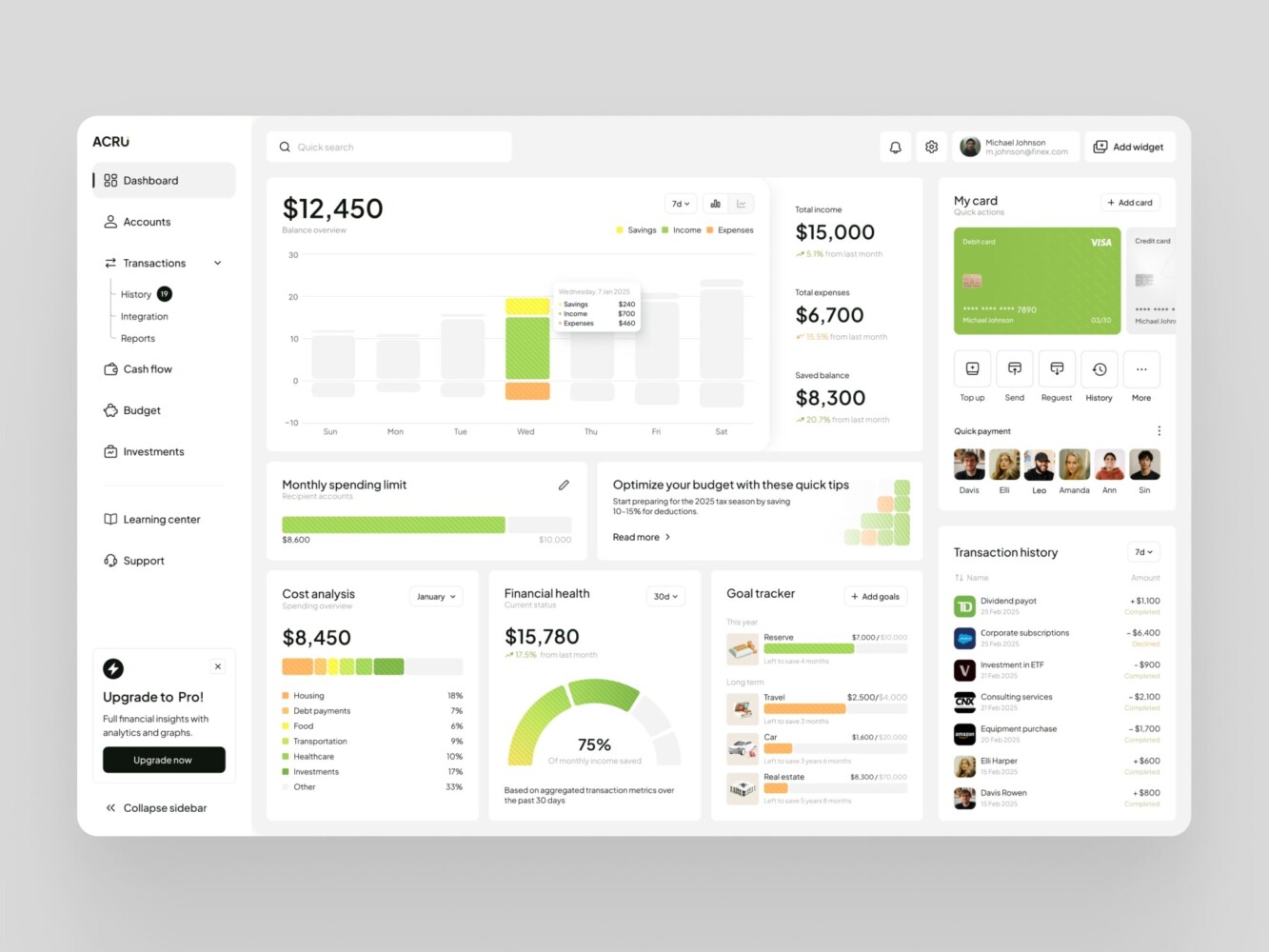
Dashboard Design for Personal Finance Management by Shakuro
Payment Orchestration Platform Architecture
The architecture depends on scale, but most platforms include several core layers.
API Gateway and Integration Layer
The API gateway handles incoming payment requests from your products. It validates requests, applies authentication, manages rate limits, and sends data into the orchestration flow.
The integration layer connects to PSPs, gateways, fraud tools, banks, accounting systems, and notification services. This layer should be built with change in mind because provider APIs will not stay still forever.
Routing Engine
The routing engine decides where each payment goes. It may use rules based on:
- Country
- Currency
- Payment method
- Transaction amount
- Provider fees
- Approval rates
- Risk score
- Provider availability
- Merchant configuration
- Customer segment
At first, routing can be rule-based. Later, some companies add more advanced analytics or machine learning. I would not start there unless the basics are already working well. Fancy routing cannot save unclear payment logic.
Payment Provider Connectors
Each provider connector manages the details of a specific PSP or gateway. It translates your internal payment format into the provider’s API format and normalizes the response back into your system.
This normalization is quietly important. Every provider has its own response codes, error messages, settlement files, and refund behavior. If you do not clean this up early, your payment orchestration software becomes hard to support.
Token Vault and PCI Boundaries
The token vault stores payment tokens and keeps sensitive cardholder data away from the rest of the system. In many cases, companies use a third-party vault to reduce PCI DSS scope.
Your architecture should define exactly where sensitive data enters, where it is encrypted, who can access it, and how long it is stored. This is not the place for “we’ll clean it up later.”
Risk and Compliance Services
Fraud checks, KYC, AML, 3D Secure, sanctions screening, and velocity rules can live in dedicated services or connect through external tools.
The system should keep a clear record of decisions. If a transaction is blocked, approved, challenged, or manually reviewed, your team needs to know why.
Ledger, Reconciliation, and Reporting
A ledger records money movement in a structured way. Reconciliation compares your internal records with provider settlements and bank statements.
This layer is often underestimated. Product teams focus on checkout first, which is understandable. But once volume grows, finance workflows become critical. A payment that “worked” for the customer can still create operational pain if settlement data is unclear.
Admin Dashboard and Merchant Portal
The admin dashboard helps internal teams monitor transactions, review failures, issue refunds, manage routing rules, and investigate disputes.
For platforms serving multiple merchants, a merchant portal may also be needed. Merchants can view their own transactions, settlements, payment methods, and reports.
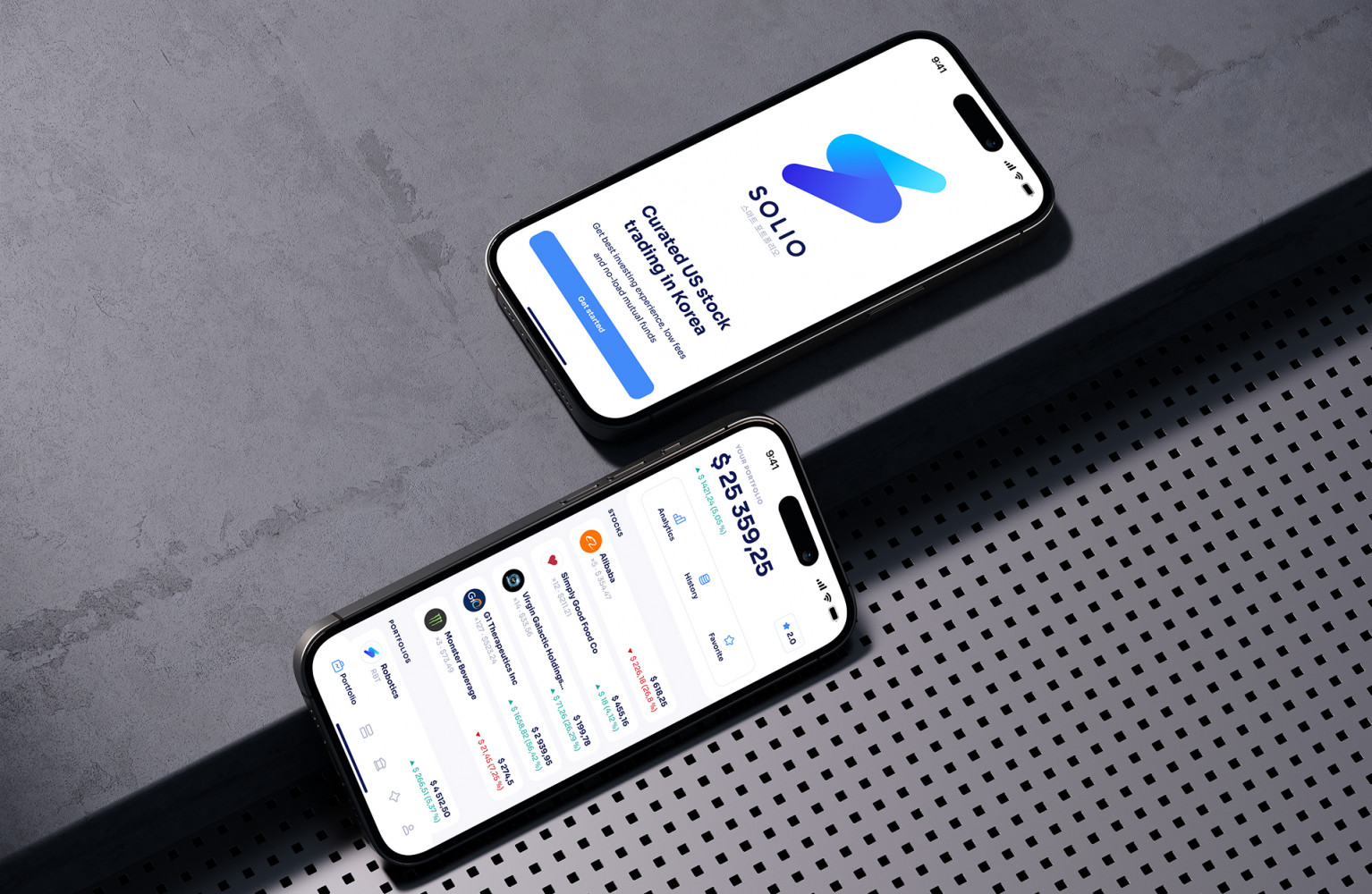
Solio App by Shakuro
Recommended Tech Stack for Payment Orchestration Development
There is no single perfect stack for payment orchestration solutions.
For backend development, teams often use Node.js, Python with FastAPI, .NET, Java, Go, or Ruby on Rails. The best option depends on your team, existing systems, performance needs, and compliance requirements.
A practical stack may include:
- Backend: Node.js, Python/FastAPI, Go, Java, .NET, or Ruby on Rails
- Frontend: React, Next.js, or Vue
- Database: PostgreSQL for transactional data
- Cache: Redis
- Queues: RabbitMQ, Kafka, or cloud-native queues
- Event streaming: Kafka or managed equivalents
- Infrastructure: AWS, Google Cloud, Azure, or private cloud
- Containers: Docker and Kubernetes where scale requires it
- Monitoring: Datadog, Grafana, Prometheus, Sentry, OpenTelemetry
- CI/CD: GitHub Actions, GitLab CI, CircleCI, or similar
- Security: Vault, KMS, WAF, SIEM tooling, secret scanning
For payment orchestration, reliability matters more than trendy tools. Pick technology your team can operate at 2 a.m., because payments do not wait politely for office hours.
Development Process: From Discovery to Launch
Building a payment orchestration platform isn’t like building a simple to-do list app. It’s complex, high-stakes, and frankly, a bit terrifying if you don’t have a plan. So, how do you do it right? Well, it starts long before you write a single line of code.
Product Discovery and Payment Flow Mapping
First, you need to understand the mess you’re trying to clean up. This phase is all about asking questions. Lots of them. Who are your customers? What payment methods do they actually use? Where are they located?
You map out every single payment flow. Not just the happy path where everything works, but the sad paths too. What happens when a card declines? What if the user closes the browser mid-transaction? What if the bank times out? You draw these flows on whiteboards (or Miro boards, if you’re fancy). You identify the bottlenecks. Maybe your current setup fails 5% of the time because of poor routing. Maybe reconciliation takes three days because data formats don’t match.
This step is boring, sure. But it’s foundational. If you don’t know exactly what you’re solving, you’ll build the wrong thing. And in payments, building the wrong thing is expensive.
Provider and Compliance Research
Next, you look outward. Which payment service providers (PSPs) do you need? Stripe is obvious, but what about local players in Southeast Asia or Latin America? You evaluate them based on fees, coverage, reliability, and API quality.
At the same time, you dive into compliance. This is where lawyers and compliance officers earn their keep. Do you need PCI DSS certification? What about GDPR for European users? Are there local regulations in the countries you’re expanding to? You can’t bolt this on later. It has to be part of the architecture from day one. Ignoring compliance now means rewriting everything later.
UX/UI for Dashboards and Operations Teams
Here’s a secret: the end-user checkout is important, but the internal dashboard is where your team lives. If your ops team hates using the platform, they’ll find workarounds. And workarounds break things.
So, you design the admin interface with care. It needs to be clear. Transaction logs should be easy to search. Routing rules should be visual, not just lines of code. Dispute management needs to be intuitive. Think about the person who will be staring at this screen when a provider goes down. Make their life easier. Good UX isn’t just for customers; it’s for your own staff too. It reduces errors and stress.
MVP Development and Sandbox Integrations
Now, you build the payment orchestration platform. But you don’t create everything. You build the Minimum Viable Product. What’s the core? Probably connecting two or three key providers, basic smart routing, and a simple dashboard.
You integrate with sandbox environments first. Every major PSP has a test mode. You use it. You simulate successful payments, declines, timeouts, and fraud flags. You test edge cases. What happens if two webhooks arrive at the same time? What if the network drops? You break things in the sandbox so they don’t break in production. It’s safer. And cheaper.
This phase is iterative. You build a little, test a little, adjust. You get feedback from your internal users. Does the dashboard make sense? Is the API easy to use? You tweak as you go. It’s messy, but it’s progress.
Security, Performance, and Load Testing
Before you go live, you hammer the system. Security audits are non-negotiable. You hire external firms to poke holes in your defenses. You check for vulnerabilities, encryption gaps, and access control issues. If they find something, you fix it. No excuses.
Then, performance testing. Payments need to be fast. Customers won’t wait five seconds for a confirmation. You simulate high traffic. Thousands of transactions per second. Does the system hold up? Does latency spike? Do databases lock up? You optimize until it’s smooth. You want the platform to feel invisible.
Load testing is also about resilience. What happens if a primary provider fails under load? Does the failover kick in instantly? You test these failure scenarios repeatedly. You want to be bored by success, not surprised by failure.
Production Rollout, Monitoring, and Support
Finally, you launch. But you don’t just flip a switch and walk away. You roll out gradually and watch the metrics like a hawk. Approval rates, latency, error rates. If something looks off, you pause. You investigate. You adjust.
Monitoring is critical. You set up alerts for everything. Provider downtime, spike in declines, unusual transaction patterns. You want to know about problems before your customers do.
And support? You’re on call. Your team is ready. Because even with the best testing, real-world usage throws curveballs. A bank changes its API without notice. A new fraud pattern emerges.
Security and Compliance Considerations
In the payments world, security isn’t a feature. It’s the foundation. If you get this wrong, nothing else matters. You can have the smartest routing algorithm in the world, but if you leak customer data, you’re done. Game over.
So, how do you sleep at night? You build with security baked in, not sprinkled on top.
PCI DSS scope reduction is your first line of defense. Handling raw credit card numbers is a massive liability. The goal is to never touch them. By using hosted fields or redirect flows, you ensure that sensitive data goes straight from the customer’s browser to the payment provider. Your servers never see it. This drastically reduces your PCI compliance burden. Instead of auditing your entire infrastructure, you’re only auditing the parts that handle tokens. It’s simpler, cheaper, and safer.
We touched on tokenization earlier, but it’s worth repeating. Tokens are useless to hackers. They’re just random strings. Even if someone breaches your database, they can’t buy anything with a token. It’s like stealing a library card number instead of a credit card. Annoying for the thief, safe for you.
Encryption is non-negotiable for payment orchestration solutions. Data at rest, data in transit—it all needs to be encrypted. TLS 1.2 or higher for connections. AES-256 for stored data. No exceptions. I’ve seen startups try to cut corners here because “it’s just test data.” Don’t. Treat test data like production data. Habits form early. Bad habits break companies.
Audit logs are your memory. Every action in the system should be recorded. Who changed a routing rule? Who viewed a transaction? Who exported a report? These logs need to be immutable. You can’t let anyone delete them. When things go wrong—and they will—you need a trail to follow. It’s not just for security; it’s for accountability.
RBAC (Role-Based Access Control) ensures people only see what they need to see. A support agent doesn’t need access to financial reports. A developer doesn’t need to change live routing rules. You define roles strictly. Least privilege is the mantra. It limits the damage if an account is compromised. If a junior dev’s password gets phished, the attacker can’t wipe your database because that dev never had permission to do so.
MFA (Multi-Factor Authentication) is a must. Passwords are weak. People reuse them. They write them on sticky notes. MFA adds a second layer. Even if someone steals a password, they can’t get in without the second factor. It’s a small friction point for users, but a huge barrier for attackers. Enforce it for everyone. Especially admins.
Now, let’s talk regulations. GDPR isn’t just a European thing; it’s a global standard for privacy. You need to know where your data lives. You need to be able to delete it if a user asks. Your orchestration platform must respect these rights. It’s not just about fines; it’s about trust. Customers want to know their data is safe.
PSD2 and Open Banking add another layer, especially in Europe. Strong Customer Authentication (SCA) is required for most transactions. Your platform needs to handle 3D Secure flows seamlessly. It also needs to manage consent for open banking APIs. If you’re pulling account data, you need explicit permission. And you need to refresh that permission correctly. It’s complex, but it’s the law.
Secure webhooks are often overlooked. Webhooks are how providers tell you what happened. But if you don’t verify them, anyone can send fake events. Imagine a hacker sending a “payment successful” webhook to your system. You ship the product, but you never got paid. Always verify signatures. Check the source. Trust no one.
Fraud monitoring ties into security too. If your platform becomes a haven for fraud, banks will drop you. Card networks will blacklist you. You need real-time monitoring. Machine learning models that spot anomalies. Rules that flag suspicious behavior. It’s a constant arms race, but you have to stay ahead.
Finally, incident response. Because despite all this, something might still go wrong. A breach. A bug. A provider outage. You need a plan. Who do you call? How do you communicate with customers? How do you fix it? Practice this plan. Run drills. When chaos hits, you don’t want to be figuring out who’s in charge. You want to be executing a well-rehearsed response. Speed matters. Transparency matters.
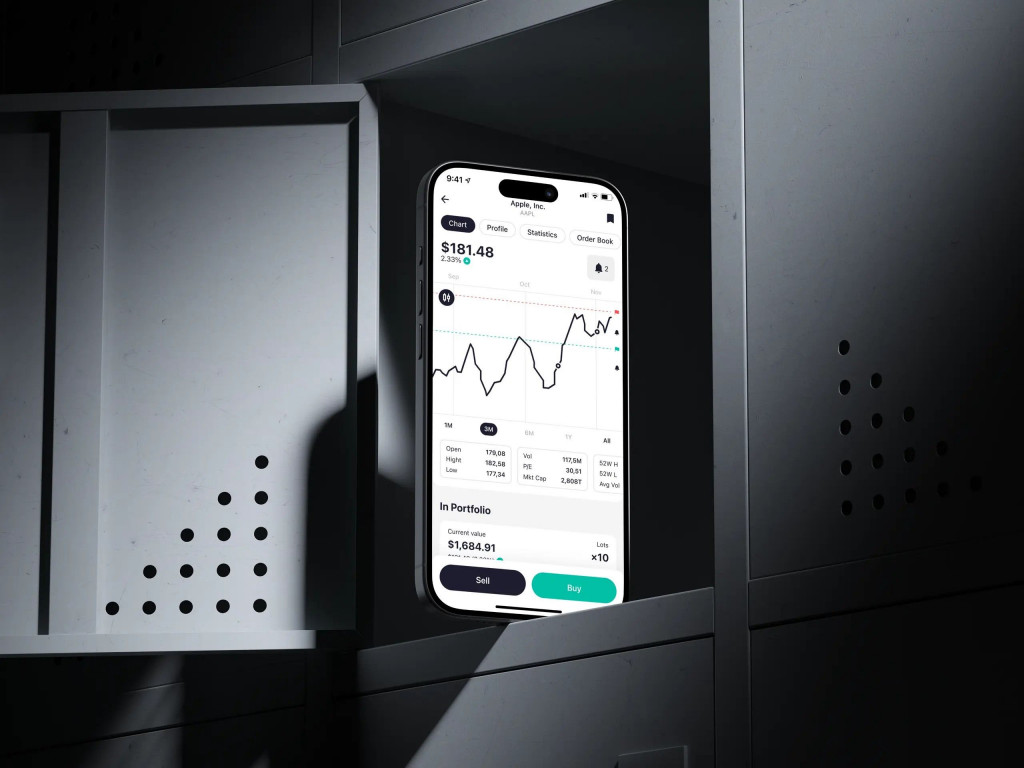
ZAD app by Shakuro
Cost of Payment Orchestration Platform Development
Let’s break down the logic so you can estimate where you might land.
An MVP—just enough to connect two providers, handle basic routing, and process payments—might run you anywhere from $50k to $150k. You’re keeping it lean. Hardcoding some rules, using off-the-shelf UI components, skipping complex reporting. It’s functional. It works. But it’s fragile.
An enterprise payment orchestration platform? That’s a different ballgame. We’re talking $500k to $2 million+, easily. You’re building for scale. High availability, multi-region deployment, custom dashboards, advanced analytics, dozens of integrations. You’re not just building software; you’re building infrastructure. The cost jumps because the stakes are higher. Downtime costs millions, so you spend millions to prevent it.
Each integration takes time. Sure, some providers have great APIs. Others? Not so much. Connecting to Stripe is quick. Connecting to a local bank in Vietnam with documentation from 2015? That’s a week of head-scratching. Each new provider adds development hours, testing time, and maintenance overhead. If you need ten providers, budget for ten times the pain.
Compliance burden is the silent budget killer. PCI DSS certification isn’t free. Legal reviews aren’t free. GDPR compliance isn’t free. If you’re operating in highly regulated markets, you’ll spend more on lawyers and auditors than on code. And if you need to support PSD2 or open banking, add another layer of complexity. Compliance doesn’t just cost money; it costs time. And time is money.
Do you want a simple list of transactions? Or do you want a real-time, interactive dashboard with drill-down analytics, custom reports, and role-based views? The difference in effort is huge. A basic admin panel is cheap. A polished, user-friendly operations center is expensive. But remember, your team uses this every day. Skimping here leads to inefficiency later.
Simple routing (“send all Visa to Provider A”) is easy. Dynamic routing (“send Visa to Provider A unless it’s after 8 PM on a Friday, in which case use Provider B, but only if the amount is under $500”) is hard. The more complex your logic, the more engineering time you need. You’re basically building a decision engine. And decision engines need testing. Lots of it.
Basic reports are standard. Custom, automated, multi-currency, tax-compliant reporting? That’s a project in itself. Finance teams have specific needs. If you want to keep them happy, you’ll invest in robust reporting tools. It’s not glamorous, but it’s essential for closing the books.
Who’s building this? A freelance developer? A small agency? A dedicated in-house team? Rates vary wildly. A senior fintech engineer in San Francisco costs way more than one in Eastern Europe. But you also get what you pay for. Experience matters in payments. You don’t want juniors learning on the job with your money. Budget for talent. Good talent isn’t cheap, but bad talent is expensive.
Time is money. An MVP might take 3-4 months. An enterprise platform? 12-18 months. The longer it takes, the more it costs. Salaries, infrastructure, overhead—it all adds up. Delays are common in fintech because of compliance hurdles or unexpected API issues. Buffer your budget for delays. Because they will happen.
Payment orchestration platform MVP vs enterprise build, as described above:
| Payment orchestration scope | MVP | Enterprise platform |
| What it covers | Two providers, basic routing, payment processing | High availability, multi-region deployment, custom dashboards, advanced analytics, dozens of integrations |
| Build approach | Hardcoded rules, off-the-shelf UI components, no complex reporting | Built for scale: you are building infrastructure, not just software |
| Timeline | 3-4 months | 12-18 months |
| Budget | $50k to $150k | $500k to $2 million+ |
And honestly, fintech web apps can range widely depending on features and compliance. One project might be straightforward because it’s domestic-only. Another might be a nightmare because it’s global, multi-currency, and crypto-adjacent. There’s no one-size-fits-all.
So, instead of looking for a fixed price, look at your requirements. Be honest about what you need now vs. what you want later. Start small if you can. Scale as you grow. But don’t underestimate the complexity. Payments are hard. Building the plumbing for them is harder. Budget accordingly.

Common Development Challenges
Payment orchestration solutions sound neat in a diagram. Then production traffic arrives.
Common challenges include:
- Different provider API standards
- Inconsistent error codes
- Webhook retries and duplicates
- Reconciliation gaps
- Latency during provider checks
- Failed payment recovery
- False positives in fraud detection
- Regional compliance requirements
- Testing rare edge cases
- Keeping dashboards usable
- Managing provider downtime
- Avoiding vendor lock-in
The biggest challenge is often not technical in the narrow sense. It is operational clarity. Who owns routing rules? Who can issue refunds? What happens when finance reports a mismatch? What should support tell a customer after a failed payment?
Why Work With Payment Orchestration Development Company
Payment orchestration development needs product thinking, backend engineering, secure architecture, and clear UX for internal teams. It is not just a payment integration task.
Working with a specialized development company is about buying speed and avoiding expensive mistakes. Think of it like hiring a guide for a mountain climb. You could figure out the route yourself, map the crevasses, and pack the right gear. But why would you? The guide has done it a hundred times. They know where the ice is thin. They know which path is fastest.
First off, they’ve seen the edge cases. In my experience, every payment integration has its own weird quirks. One provider might timeout silently. Another might send duplicate webhooks. A third might change their API without telling anyone. A specialized team has already fought these battles. They have libraries of pre-tested connectors. They know how to handle the messy stuff. Your in-house team? They’re learning as they go. And learning costs time. Time you don’t have if you’re trying to launch next quarter.
Speed to market is another huge factor. Building an orchestration layer from scratch can take a year or more. A specialized company can often deliver an MVP in a few months because they’re not starting from zero. They have frameworks, templates, and best practices ready to go. You’re not paying them to reinvent the wheel; you’re paying them to put the wheels on your car so you can drive.
At Shakuro, the useful part is the mix: fintech product experience, web and mobile development, API integrations, dashboards, and design work for complex workflows. For a payment platform, that combination matters because the system has to serve customers, developers, finance teams, risk teams, and support staff at the same time.

Final Thoughts
A payment orchestration platform is not just another layer in the stack. Used well, it becomes the control center for payment performance, reliability, cost, and operational sanity.
If your company is expanding across regions, adding payment providers, struggling with failed transactions, or building financial infrastructure with strict compliance needs, orchestration is worth a serious look.
Start simple. Map the real flows. Design for failure. Give finance and support the tools they need. And do not underestimate reconciliation. It looks quiet on the roadmap, but it has a way of becoming very loud later.
Tell us about your payment platform, and we’ll help you sort out the architecture, feature scope, and development plan.
FAQ
What is a payment orchestration platform?
A payment orchestration platform is a software layer that manages multiple payment providers, gateways, fraud tools, token vaults, and payment methods through one system. Instead of wiring every flow into a single provider, your team gets a control layer that routes transactions, retries failed payments, normalizes reporting for finance, and reduces dependency on any one provider.
How is a payment orchestration layer different from a payment gateway?
A payment gateway is one connection that sends card details to a processor, while a payment orchestration layer sits in front of several gateways and decides which one handles each transaction. You keep providers such as Stripe or Adyen, but routing, cascading to a second provider after a decline, failover, tokenization, and reconciliation are controlled from one place.
When should a company build a private payment orchestration platform instead of using SaaS?
Building makes sense for roughly 20% of companies, the ones where SaaS limits start to cost more than they save; for the other 80%, a SaaS provider is faster and cheaper upfront. Typical triggers are high processing volume where fees eat margins, strict data residency rules, bespoke acquiring bank connections, unusual routing logic, regulator demands for full visibility, and fear of vendor lock-in.
What features should an enterprise payment orchestration platform include?
An enterprise payment orchestration platform needs multi-region routing with rules by country, currency, amount, payment method, and risk level. Add to that failover, tokenization, fraud integrations, reconciliation, multi-entity reporting, approval workflows for refunds, audit trails, role-based access, provider performance monitoring, dedicated sandbox environments, and exports to ERP, accounting, and data warehouse systems. Operations teams should be able to change rules without filing a developer ticket.
How much does payment orchestration platform development cost?
A lean MVP that connects 2 providers with basic routing runs about $50k to $150k, while an enterprise platform is estimated at $500k to $2 million+. The final figure depends on the number of providers and regions, compliance requirements, routing complexity, dashboards, reporting workflows, and team rates. A complex enterprise or banking platform usually needs a longer roadmap.
How long does payment orchestration platform development take?
An MVP might take 3-4 months, and an enterprise payment orchestration platform typically takes 12-18 months. The MVP scope is usually a few key providers, basic smart routing, and a simple dashboard tested against provider sandboxes. Delays are common in fintech because of compliance hurdles and unexpected provider API issues, so plan a time and budget buffer from the start.
What makes banking payment orchestration more complex?
Banking payment orchestration is harder because it must connect modern APIs to legacy core banking systems while meeting stricter regulation. It typically covers account-to-account rails such as SEPA Instant or SWIFT, card issuing, open banking consent flows, KYC/AML checks, real-time transaction monitoring, automated regulatory reporting, and strong customer authentication. Every decision needs an audit trail, so architecture and compliance get extra care.
What should I check in a development partner for a payment orchestration layer?
Look for a team that has already dealt with provider quirks such as silent timeouts, duplicate webhooks, and unannounced API changes, and ideally has pre-tested connectors. Ask how they handle PCI DSS scope, reconciliation, and failover testing. Check that they can design internal dashboards for finance, risk, and support staff, since those teams work in the system every day.
Related reading
- BNPL Platform Development: What It Takes to Build, Launch, and Scale
- Subscription Platform Development: Features, Architecture, Cost, and Process
- Real-Time Data Processing Systems: How to Build Low-Latency Data Infrastructure
- Financial Data Platform Development: How to Build Scalable Data Infrastructure for Finance