Remittance software development means building a platform that moves money across borders: the sender pays in one currency, the recipient gets another, and KYC, AML checks, exchange rates, limits, reconciliation, and fraud alerts run in the background. An MVP with one corridor, basic KYC, bank transfer in and out, and a simple admin panel costs $80k to $150k and takes about 4–6 months. A multi-corridor platform costs $200k–$400k and usually takes 8–12 months, and enterprise-grade systems run $600k to $1.5M+.
For financial companies, the pressure is higher than in most apps: several markets, different payment rails, regulators, and users who panic when a transfer gets stuck. The product still has to feel simple for someone sending money to family after work. Budget another 15–25% of the initial development cost annually for hosting, vendor subscriptions, compliance audits, and maintenance.
Below, we cover who needs custom remittance software, core features, architecture, compliance and security, key integrations, the development process, cost, common challenges, and how to choose between white-label software and custom development.
Key takeaways
- Remittance software looks simple on the surface, but the real work happens behind the scenes: transaction logic, exchange rates, compliance checks, payment integrations, refunds, reconciliation, and support workflows.
- A good money transfer platform needs more than a clean “send money” screen. Users need clear fees, predictable transaction statuses, secure onboarding, and confidence that their money is moving safely.
- Compliance should be planned from the start. KYC, AML, sanctions checks, transaction limits, audit logs, and data protection affect both product design and system architecture.
- Integrations can make or break the product. Banking APIs, payment gateways, KYC/AML providers, analytics tools, and notification services should be chosen with reliability, geography, and scaling in mind.
- The admin side matters just as much as the customer app. Teams need dashboards for transactions, user management, fraud alerts, disputes, reporting, and operational control.
- Custom development is often the better path when the product has complex markets, multiple currencies, unusual business logic, strict compliance needs, or plans to scale beyond a basic MVP.
What Is Remittance Software?
Let’s clear up a common misconception first. Remittance software isn’t just another payment gateway. They both move money, right? But the mechanics—and the headaches—are totally different.
At its core, remittance software is a digital platform built specifically for transferring funds from one party to another, often across borders. But it’s not limited to just person-to-person (P2P) transfers. Sure, that’s the classic use case—someone in London sending cash to their family in Manila. But it’s also business-to-business (B2B), business-to-consumer (B2C), and even agent-based models where someone walks into a local shop to pick up cash.
It connects a whole ecosystem: individuals, businesses, agents, banks, digital wallets, and various payment rails. Think of it as the glue holding all these disparate pieces together.
Now, how is it different from the other tools you’ve probably heard of?
Take payment gateways, for instance. A gateway is like a checkout counter. It processes a transaction for a purchase—buying a shirt, paying for a subscription. It’s focused on merchant acquisition and card processing. Remittance processing software is focused on the movement of value, often involving currency conversion, compliance checks for cross-border flows, and payout methods that aren’t just cards. Bank accounts, mobile money, cash pickup—you name it.
Then there are banking apps. Your standard bank app is great for managing your own money within that bank’s walled garden. But try sending money to a non-customer in another country quickly and cheaply. Good luck. Remittance platforms are built to be agnostic. They don’t care which bank you use, as long as they can get the money from point A to point B efficiently.
Digital wallets are tricky because they often overlap. A wallet holds value. Remittance software moves it. Sometimes they’re bundled together, sure. But if you’re building a pure remittance play, you might not even hold funds. You’re just facilitating the transfer. That’s a huge distinction when it comes to licensing and regulatory burden.
And finally, payment orchestration platforms. These are the traffic controllers of the payment world. They route transactions through different providers to optimize success rates or costs. Remittance software can use orchestration, but it’s more than just routing. It handles the entire lifecycle of a remittance: onboarding the sender, verifying identity, calculating fees and FX rates, executing the transfer, and notifying the recipient. It’s end-to-end.
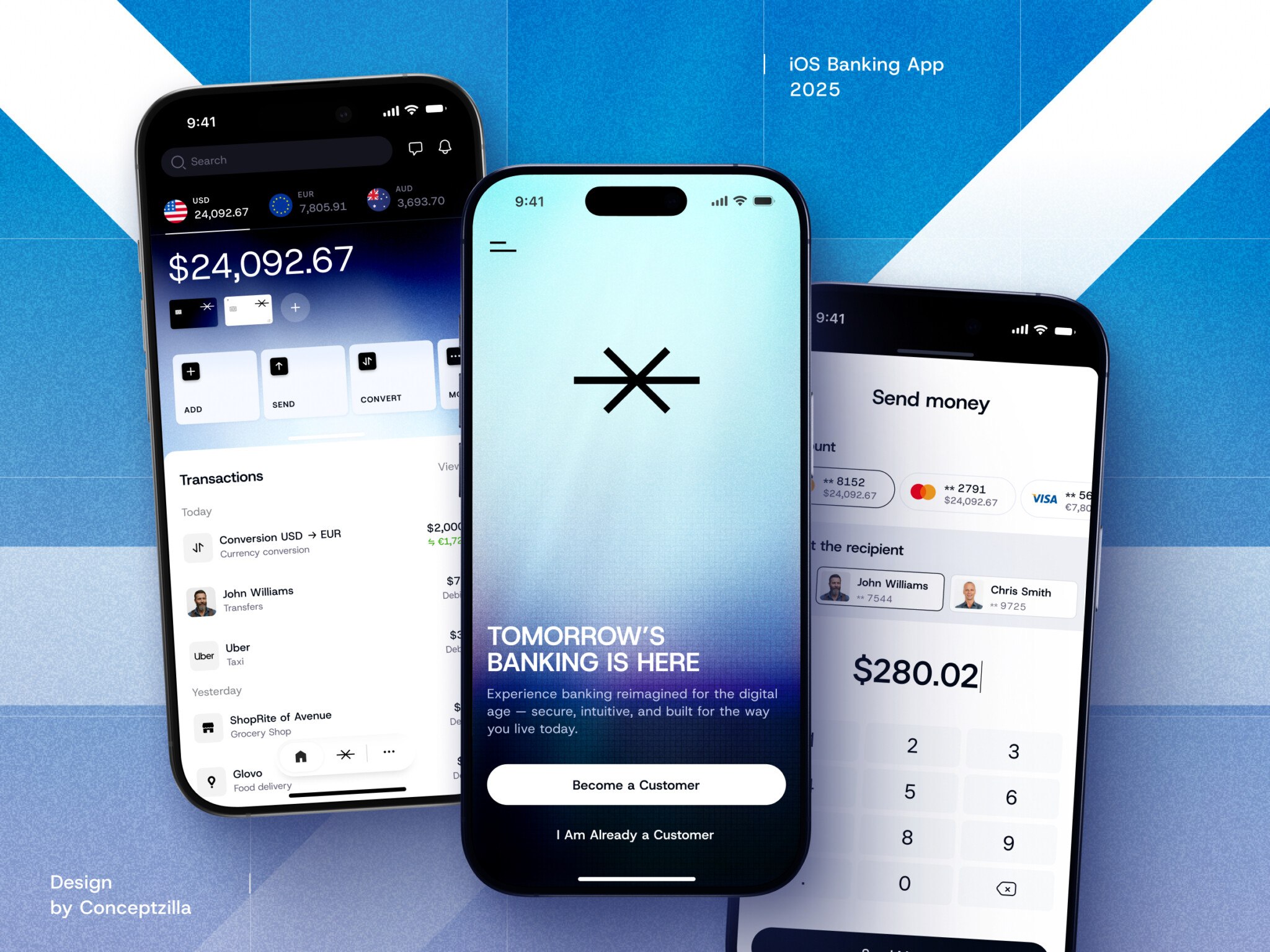
Banking application by Shakuro
Who Needs Custom Remittance Software?
Money Transfer Operators
If you’re running an established MTO, you know the drill. Volume is high, margins are thin, and every second counts. You might be tempted to stick with a white-label provider because it’s faster to market. And hey, if you’re just testing a new corridor or launching in a small market, that’s probably smart. Why reinvent the wheel?
But as you scale, those generic platforms start feeling like ill-fitting shoes. You want to tweak the fee structure dynamically based on real-time liquidity? Good luck with a rigid vendor. You need a specific compliance workflow for a new regulatory body? They’ll put you in a queue. Custom development becomes necessary when your competitive edge relies on speed, unique pricing models, or deep integration with local payout partners that no one else supports. It’s about control.
Fintech Startups
Founders often think, “We’re a startup, we have no money, let’s buy white-label.” And sure, for an MVP, that’s a viable path. It proves demand without burning cash.
However, if your entire value proposition is built on a unique user experience or a novel financial product—say, remittance software tied to crypto rails or instant micro-loans upon arrival—white-label won’t give you the flexibility. You’ll hit a wall. Custom build is better here if you’re trying to disrupt the status quo. If you’re just another app sending money from the US to Mexico with standard fees? Maybe stick to white-label for now. But if you’re doing something weird and wonderful? You’ll need your own code.
Banks and Neobanks
Banks are interesting. Traditional banks often have legacy systems that are ancient. Trying to plug a modern remittance flow into a mainframe from the 90s is a nightmare. Neobanks, on the other hand, are agile but often lack the actual licensing or banking rails to move money cross-border efficiently.
For traditional banks, custom development is almost always the route, simply because they need to integrate with their existing core banking systems. They can’t just swap out their backend. For neobanks, it depends. If they’re partnering with a larger bank, they might use a white-label solution provided by that partner. But if they want to own the customer relationship end-to-end and offer better FX rates than their partners allow, they’ll need to build custom middleware at least. It’s a balancing act between speed and ownership.
Exchange Houses and Agent Networks
These guys live in the physical world as much as the digital one. An exchange house in Dubai is a storefront with cash handlers, compliance officers, and local regulations. White-label software rarely accounts for the complexities of agent management—commission structures, cash reconciliation, and fraud detection at the point of sale.
If you’re running an agent network, you need custom tools that speak to your specific operational reality. You need to track which agent is performing, which one is lagging, and handle cash settlements in real-time. Generic platforms treat agents as an afterthought. For you, they’re the backbone. So, custom is usually the way to go here, especially if you’re dealing with multiple currencies and cash-heavy operations.
Businesses with Cross-Border Payout Flows
For example, marketplaces, gig economy platforms, or global employers. They’re not “remittance companies” per se, but they move money across borders constantly. Paying freelancers in Argentina or suppliers in Vietnam.
For these businesses, white-label online remittance software doesn’t work. They need bulk payouts, automated tax documentation, and integration with their HR or accounting software. A standard app is designed for one-off transfers by individuals. These businesses need APIs that can handle thousands of transactions a day, with detailed reporting and compliance automation. If your payout volume is low, maybe a third-party provider is fine. But once you’re moving serious volume, custom development allows you to optimize costs and automate the entire workflow. It stops being a cost center and starts being a strategic advantage.
Core Features of Remittance Software
Here’s what you need to have in your toolkit.
Customer Onboarding
This is the first impression. It’s usually where you lose people. If it takes ten minutes and five document uploads just to sign up, they’re gone. You need a smooth, intuitive flow. Think step-by-step guidance, clear error messages, and maybe even some smart pre-filling of data. It shouldn’t feel like an interrogation.
KYC/KYB
Now, here’s the necessary evil. Know Your Customer (and Know Your Business) isn’t optional. It’s the law. But it doesn’t have to be painful. You need automated identity verification—scanning passports, checking liveness with a selfie, cross-referencing sanctions lists. For businesses, it’s even more complex, requiring document validation for corporate structures. The key is AI-driven automation. Manual reviews should be the exception, not the rule. Otherwise, your ops team will burn out in a month.
Sender and Recipient Profiles
People hate re-entering data. Save their details securely. Let them manage multiple recipients—Mom, Dad, the landlord. Make it easy to edit, delete, or add new ones. For senders, keep their history accessible. They’ll want to see who they’ve sent money to before. It builds trust and saves time.
Multi-Currency Transfers
This is the core function. Your system needs to handle various currency pairs seamlessly. It’s about calculating conversions accurately in real-time. You need robust logic to handle decimal places correctly (because rounding errors add up) and support for both major and minor currencies if you’re targeting niche corridors.
Exchange Rate Display
Transparency is huge in money transfer software development. Show the rate clearly. Don’t hide fees in the spread unless that’s your explicit model—and even then, be upfront. Users want to know exactly how much the recipient will get. A simple, clear breakdown: “You send $100, we convert at 1.2, fees are $2, recipient gets $118.” No surprises.
Fee Calculation
Speaking of fees, your engine needs to be flexible. Flat fees? Percentage-based? Tiered pricing for VIPs? Promotional zero-fee periods? You need a rules engine that can handle all these scenarios without requiring a code deploy every time marketing wants to run a new campaign.
Payment Methods
How does the money come in? Credit cards, debit cards, bank transfers (ACH, SEPA, Faster Payments), maybe even local options like Pix in Brazil or UPI in India. The more options, the better, but each one adds complexity. Start with the most popular ones for your target corridor and expand from there.
Payout Methods
And how does it go out? Bank deposit is standard. But don’t forget mobile wallets (M-Pesa, GCash), cash pickup partners (Western Union, local agents), or even crypto rails if you’re feeling adventurous. If you do go that way, crypto payment processing works best behind the scenes, with users seeing only the amount in their own currency. The payout method often dictates the speed and cost, so offering choice is a big competitive advantage.
Transaction Tracking
Where is my money? This is the number one question support teams get. Give users a clear status timeline: “Received,” “Processing,” “Sent to Partner,” “Delivered.” Real-time updates are ideal, but even reliable periodic updates are better than radio silence.
Notifications
Keep users in the loop. Email, SMS, push notifications. “Your transfer is complete.” “Your rate alert has been triggered.” “Action required: Please upload your ID.” Proactive communication reduces anxiety and support tickets.
Refunds and Disputes
Things go wrong. Transfers fail, accounts get frozen, users make mistakes. You need a clear, automated process for handling refunds. A structured workflow for disputes where users can raise issues, upload evidence, and track the resolution. Don’t make them call a hotline and wait on hold for an hour.
Agent/Admin Dashboards
If you have agents or internal staff, they need tools too. Agents need to see their commissions, process cash payouts, and verify customers. Admins need a bird’s-eye view: transaction volumes, failed transfers, compliance alerts, user management. It should be clean, fast, and actionable.
Reporting
In remittance management software, data is gold. You need detailed reports for finance, compliance, and marketing. How many transfers went to Nigeria last month? What’s the average fee per transaction? Which marketing channel brings the highest LTV users? Build flexible reporting tools that let you slice and dice the data without needing a data scientist every time.
Audit Logs
This is boring but critical. Every action in the system—who changed a user’s status, who approved a large transfer, who viewed sensitive data—needs to be logged. Immutable logs. For compliance audits, this is your lifeline. If you can’t prove who did what and when, you’re in trouble.
Role-Based Access
Not everyone should see everything. Support agents shouldn’t see admin settings. Compliance officers need different views than marketing managers. Granular permissions keep your system secure and prevent accidental (or malicious) internal errors.
Support Tools
Finally, equip your support team. They need to see user profiles, transaction histories, and system statuses at a glance. Maybe even a chat interface integrated directly into the admin panel. The faster they can resolve issues, the happier your users stay.
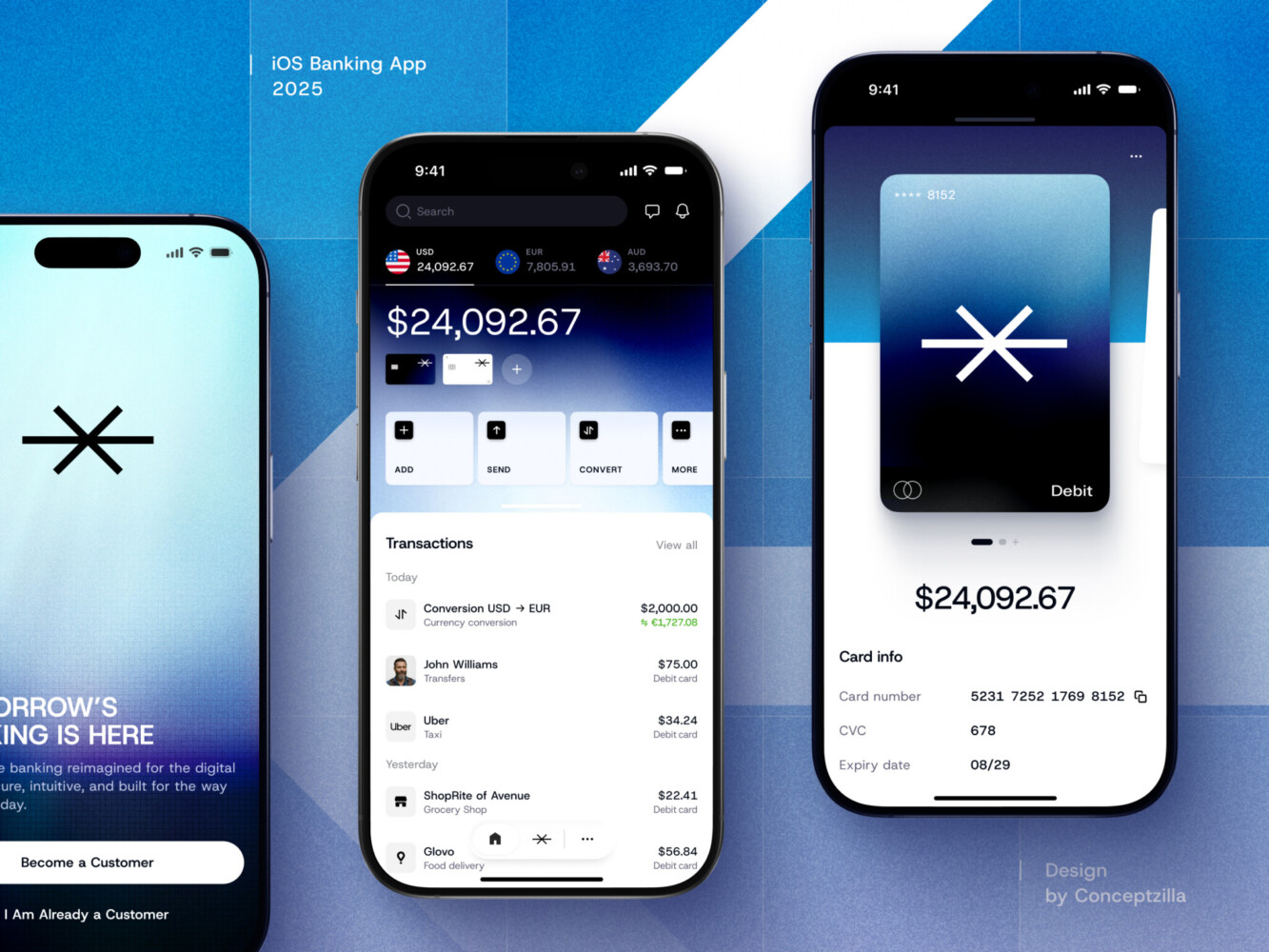
Mobile banking app by Conceptzilla
Remittance Software Architecture
So, how do you structure this beast? Let’s peel back the layers.
At the top, you’ve got your customer app. This is what users see—iOS, Android, or web. It needs to be lightweight, and fast. It shouldn’t contain business logic. It just sends requests and displays responses.
Then there’s the admin portal, which is basically the control center for your ops, compliance, and support teams. They need real-time data, not cached nonsense.
Below that is the heart of the system: the backend services. I’m a big fan of an API-first architecture here. Why? Because you never know what’s coming next. Maybe tomorrow you’ll need a partner integration, or a new mobile platform, or a voice assistant interface. If your core logic is exposed via clean, well-documented APIs, you can plug in new frontends or partners without rewriting the whole system. It keeps things modular.
Now, let’s talk about the critical components inside that backend.
First, the compliance module. This is a shield. It handles KYC checks, AML screening, and transaction monitoring. It needs to be decoupled from the main transfer flow so that if a third-party vendor goes down, you don’t necessarily block all transfers—maybe you just flag them for manual review instead.
Transaction ledger is sacred ground. Never, ever use a standard database for financial balances without extreme care. You need double-entry accounting principles built into your data model. Every debit has a credit. Every movement is recorded. This ensures that money doesn’t just disappear into the ether.
Speaking of money movement, you’ve got payment integrations. These are your connections to banks, card processors, and mobile money providers. They’re unreliable. Networks time out. APIs change. That’s why you need queues. Don’t process payments synchronously if you can help it. Push the request to a queue, let a worker pick it up, and handle retries gracefully. This leads us to idempotency. It’s a fancy word, but it’s simple: if a user clicks “Send” twice because their internet lagged, you shouldn’t charge them twice. Your remittance software system needs to recognize duplicate requests and handle them safely.
The FX/rate engine is another tricky bit. Exchange rates move fast. You need a service that fetches rates, applies your margin, and locks them in for a short window (like 30 seconds) during the transaction. It needs to be highly available because if your rate service is down, you can’t quote prices, and you can’t take money.
Once a transaction happens, the notification service kicks in. Emails, SMS, push notifications. It should be asynchronous. Don’t make the user wait for the email to send before showing them the “Success” screen. Just fire off the event and let the notification service handle it in the background.
For the brains of the operation, you have analytics. This isn’t just for marketing. It’s for fraud detection, liquidity management, and business intelligence. You need to track every event.
And how do you know if it’s all working? Monitoring and observability. You need logs, metrics, and traces. If a transfer fails, you need to know exactly where it broke. Was it the KYC check? The bank API? The FX engine? Without deep observability, you’re flying blind.
Underpinning all of this is the infrastructure. Cloud-based, scalable, secure. Think Kubernetes, Docker, auto-scaling groups. You need to handle spikes—like payday or holidays—without breaking a sweat.
One more thing: reconciliation. At the end of the day (or hour, or minute), your internal ledger needs to match what your banking partners say happened. Automated reconciliation scripts compare your records with external statements and flag discrepancies. If you skip this, you’ll find out about missing money months later during an audit. And trust me, you don’t want that.
It sounds complex because it is. But by using event-driven processing, you keep these layers loosely coupled. When a transfer is created, it emits an event. The compliance service listens. The notification service listens. The analytics service listens. They all do their job independently. It makes the system resilient, scalable, and much easier to maintain.
Compliance, Security, and Risk Controls
What do you actually need to build into your remittance software system to keep the regulators happy and your users’ money safe?
First off, KYC. It’s not just a checkbox. You need to verify who is sending the money. This means capturing ID documents, doing liveness checks (make sure it’s a real person, not a photo of a photo), and validating addresses. For businesses, it’s KYB, which is even messier. You need to identify beneficial owners. Automate as much as possible, but have a clear path for manual review when the AI isn’t sure.
Then there’s AML screening. Every time a user signs up or sends money, their name needs to be checked against global watchlists. Are they a politically exposed person (PEP)? Are they on a sanctions list? This has to happen in real-time or near real-time. If you miss this, you’re facilitating illegal activity. And trust me, fines for that are not small.
Sanctions checks go a step further. It’s about the countries and entities involved. Is the money going to a sanctioned region? Is the recipient bank on a blacklist? Your system needs to block these transactions automatically. No exceptions.
But what if the person is clean, but the behavior is weird? That’s where fraud scoring comes in. You need a risk engine that looks at patterns. Is this user suddenly sending ten times their usual amount? Are they logging in from a new device in a different country? Are they trying to split a large transfer into smaller ones to avoid detection (structuring)? Assign a risk score to every transaction. Low score? Let it through. High score? Flag it for review. Block it if it’s critical.
Speaking of limits, you need transaction limits. Daily, weekly, monthly. And these should be dynamic based on the user’s verification level. Unverified users? Tiny limits. Fully verified users? Higher limits. This caps your exposure if something goes wrong.
When the fraud system flags something, you need suspicious activity alerts. These shouldn’t just sit in a log. They need to pop up in your admin dashboard for your compliance team to investigate. And you need a workflow for them to document their decision: “Approved,” “Rejected,” or “Escalated.”
Now, let’s talk security. For remittance software, encryption is non-negotiable. Data at rest? Encrypted. Data in transit? TLS 1.2 or higher. Never store sensitive data like full card numbers or passwords in plain text. Ever.
Secure authentication is your first line of defense. Passwords alone aren’t enough anymore. You need Multi-Factor Authentication (MFA). SMS codes are okay, but authenticator apps or biometrics are better. And for admin access? Be even stricter. Hardware keys if possible.
Every action needs an audit trail. Who logged in? Who changed a user’s limit? Who approved a flagged transaction? These logs must be immutable. You can’t let anyone delete or edit them. If an auditor asks, “Who did this?” you need to have an exact answer with a timestamp.
Data privacy is huge, especially if you’re dealing with European users (GDPR) or Californians (CCPA). You need to know where your data lives. Can users request to delete their data? How do you anonymize it for analytics? Have a clear policy and technical mechanisms to handle these requests.
Finally, regional regulation. This is the tricky part. Rules in the US are different from the UK, which are different from Singapore or Nigeria. You can’t build one generic compliance module and expect it to work everywhere. You need to configure your rules engine based on the corridor. Maybe in one country, you need to collect tax IDs. In another, you don’t. Keep your compliance logic flexible so you can tweak it per region without rewriting code.
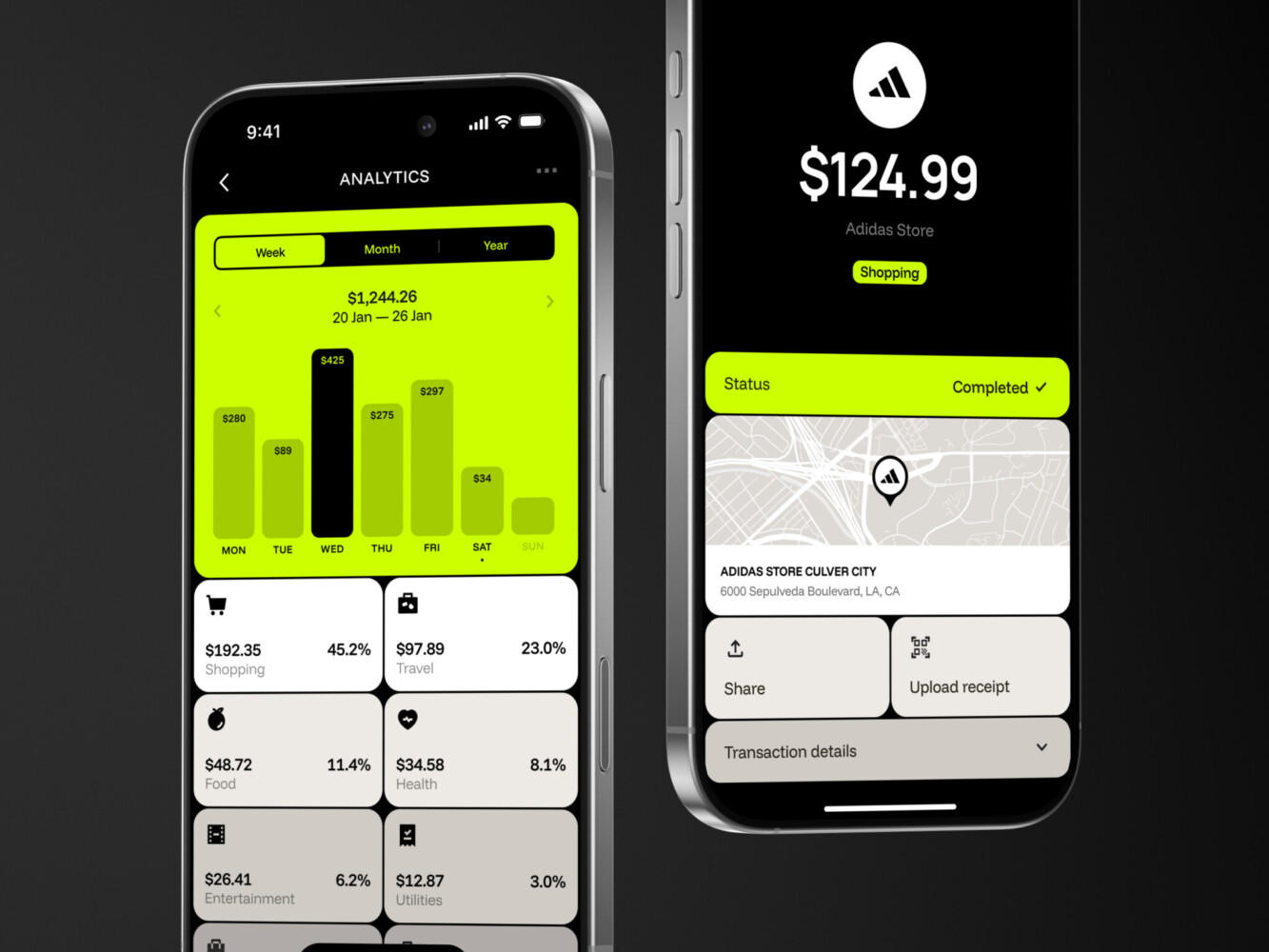
Finance Management Mobile App Design by Shakuro
Key Integrations for Online Remittance Software
Payment Gateways and Card Processors
This is how you get money in. Stripe, Adyen, Checkout.com—they’re the big names. But don’t just pick the most famous one. Look at their fees for cross-border cards and their success rates in your target corridors. Sometimes a local processor in Brazil or India will give you better coverage than a global giant. You’ll likely need multiple providers to optimize costs and redundancy.
Bank APIs and Open Banking
For direct bank transfers, you’re looking at things like Plaid in the US, Yodlee, or local open banking initiatives in Europe (PSD2). These let users connect their bank accounts securely without sharing passwords. It’s faster, cheaper than cards, and feels more modern. If you’re building for Europe, open banking is becoming standard.
Wallet Providers
In many emerging markets, banks aren’t the primary way people hold money. Mobile wallets are. M-Pesa in Kenya, GCash in the Philippines, Paytm in India. You need direct integrations with these providers to offer cash-out options that actually matter to your users. Without them, you’re half-blind in those markets.
FX Providers
Unless you’re a massive bank with your own treasury desk, you’re not setting your own exchange rates from thin air. You need liquidity providers. Companies like Currencycloud, Xe, or even larger banking partners. They give you real-time rates and execute the actual currency conversion. Your job is to add your margin on top and present a clean price to the user.
Identity Verification (KYC)
Don’t build your own ID scanning tech. It’s a rabbit hole. Use specialists like Sumsub, Onfido, or Jumio. They handle the document extraction, liveness detection, and fraud checks. You just send the data and get a “pass” or “fail” back. It’s faster, more accurate, and usually cheaper than maintaining an in-house team of manual reviewers.
AML and Sanctions Screening
Same deal here. Tools like ComplyAdvantage, Refinitiv, or LexisNexis. They maintain the massive databases of sanctioned entities and PEPs. Your system sends a name; they send back a risk score. Integrating these properly is critical for staying out of jail.
Messaging Services
For notifications, you need reliability. Twilio for SMS, SendGrid or Amazon SES for emails, Firebase for push notifications. Don’t skimp here. If a user doesn’t know their money arrived, they’ll panic. And panicked users call support.
Accounting Systems
Your finance team will hate you if you don’t integrate with Xero, QuickBooks, or NetSuite. Automated journal entries, reconciliation reports, fee tracking—it saves hours of manual work every month. And it reduces human error, which is huge when dealing with money.
CRM and Helpdesk
Zendesk, Salesforce, Intercom. When a user has an issue, your support team needs to see their transaction history, KYC status, and previous chats all in one place. Deep integration here makes your support team faster and more effective.
Analytics
Google Analytics is fine for page views, but for fintech, you need deeper insights. Mixpanel, Amplitude, or custom data warehouses like Snowflake. You need to track funnel drop-offs, transaction success rates, and user lifetime value. Data drives decisions.
Remittance Software Development Process
1. Discovery and Compliance Mapping
This is the boring part that saves your life later. Before a single line of code is written, you need to map out exactly where you’re sending money and from where. Why? Because regulations in Nigeria are different from those in Vietnam, which are different from those in Brazil.
You need to talk to legal experts. Figure out what licenses you need. Do you need an EMI license in Europe? A Money Transmitter License in the US? This phase is also about defining your corridors. Don’t try to launch globally on day one. Pick two or three key routes. Map out the compliance requirements for each. It’s unglamorous, but it prevents you from building a feature that’s illegal in half your target markets.
2. UX/UI Design for Sender, Recipient, and Admin Flows
Now we can get visual. But remember, you’re designing for three different users.
First, the sender. They’re anxious. They want to know their money is safe. The interface needs to be calming, clear, and fast. No jargon.
Second, the recipient. In many cases, they don’t even use your app. They get an SMS or pick up cash. But if they do have an app (for wallet payouts), it needs to be dead simple. Maybe they’re not tech-savvy. Large buttons, local language support, clear instructions.
Third, the admin. Your ops team. They need dashboards that show them what’s broken now. Not yesterday. Design flows for handling disputes, approving KYC, and managing agents. If the admin UI is clunky, your operational costs will skyrocket.
3. Architecture and Technology Planning
Time to make some hard choices. Cloud provider? Database structure? Microservices or monolith?
For remittance management software, I’d lean towards microservices eventually, but maybe start with a modular monolith for speed. You need to decide on your tech stack. React Native or Flutter for mobile? Node.js or Go for backend? These decisions matter because they affect how easily you can hire developers later and how well the system scales.
This is also when you plan your integrations. Which FX provider? Which KYC vendor? Locking these in early helps your architects design the right APIs.
4. MVP Development
Build the smallest thing that works. And I mean works. Not “kinda works.”
Focus on one corridor. One payout method. One payment method. Get the core loop working: Sign up -> Verify ID -> Add Money -> Send -> Receive. That’s it. No crypto, no fancy loyalty programs, no AI chatbots. Just move money from A to B reliably.
Speed is key here. You want to get something in front of users to test your assumptions. Are the fees too high? Is the KYC too annoying? You won’t know until you launch.
5. Payment, KYC, and AML Integrations
This is where the rubber meets the road. You’re connecting to real banks and real identity providers.
Expect things to break. Bank APIs go down. KYC vendors change their documentation. You’ll spend a lot of time here debugging edge cases. What happens if a user’s name has a special character? What if the bank returns a vague error code?
Make sure your integration layer is robust. Use webhooks to listen for status updates. Don’t poll if you can help it. And always, always log everything. When a transfer fails, you need to know why.
6. Testing, Security Review, and Transaction QA
Do not skip this. I’ve seen founders try to rush to launch and skip proper security testing. Bad idea.
You need penetration testing. Hire ethical hackers to try and break into your system. You need transaction QA. Send real money. Small amounts, sure, but real money. Test every possible path: successful transfers, failed transfers, refunds, partial failures.
Check your reconciliation. Does your internal ledger match your bank statement? If it’s off by a cent, find out why. In fintech, a cent is a symptom of a bigger problem.
7. Launch, Monitoring, and Scaling
You’re live. Congratulations. Now the real work begins.
Monitor everything. Transaction success rates, latency, error logs. Set up alerts. If your KYC provider starts rejecting 50% of users, you need to know immediately.
Scaling doesn’t mean adding more servers. It’s about handling more volume without breaking compliance. Can your manual review team handle 1,000 flagged transactions a day? Probably not. You’ll need to automate more or hire more staff.
Listen to your users. They’ll tell you what’s missing. Maybe they want to save beneficiaries. Maybe they want recurring transfers. Build those features based on data, not guesses.
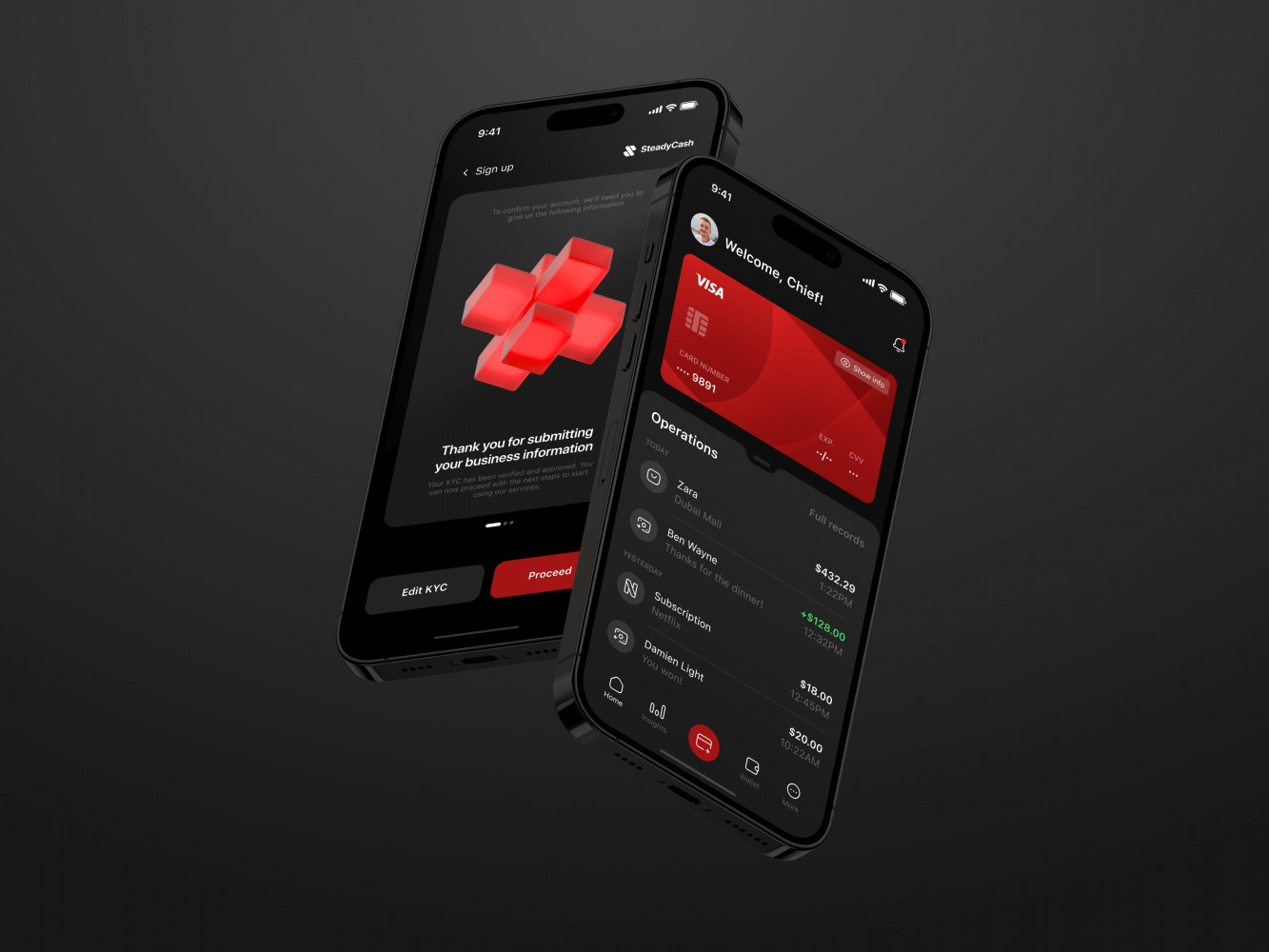
Mobile Banking App by Coneptzilla

How Much Does Remittance Software Development Cost?
MVP
If you’re building a minimum viable product—say, one corridor (like US to Mexico), basic KYC, bank transfer in and out, and a simple admin panel—you’re probably looking at $80k to $150k. This gets you a functional app that can actually move money and pass basic compliance checks. It won’t be pretty, and it won’t scale to millions of users, but it proves the concept. You can test demand, get early feedback, and show investors something real.
Mid-Level Platform
Now, if you want to support multiple corridors (maybe 3-5), add mobile wallet payouts, integrate with open banking, build a proper agent dashboard, and handle more complex compliance workflows, the range shifts to $200k–$400k. This is where most serious startups land after their MVP validates the idea. You’ve got redundancy in payment rails, better UX, automated reconciliation, and enough security to satisfy auditors. It’s built to grow, but it’s not yet enterprise-grade.
Enterprise-Grade System
For banks, large MTOs, or international remittance software targeting global scale with 10+ corridors, multi-currency wallets, advanced fraud AI, full audit trails, role-based access for hundreds of staff, and deep integrations with core banking systems? You’re easily looking at $600k to $1.5M+. At this level, you’re building infrastructure. High availability, disaster recovery, SOC2 compliance, dedicated support teams—it all adds up.
But here’s what really moves the needle on cost:
- Number of platforms: iOS, Android, web, agent app? Each one multiplies effort. Cross-platform frameworks help, but native features still require extra work.
- Payment rails: Integrating with one bank API is manageable. Integrating with ten across different countries? That’s exponential complexity. Each rail has its own quirks, error codes, and settlement times.
- Compliance complexity: A single-country license is straightforward. Multi-jurisdictional licensing with dynamic rule engines? That requires legal consultation, custom logic, and ongoing maintenance. Don’t underestimate this.
- Admin functionality: Basic transaction view vs. full ops suite with dispute management, agent commission tracking, and real-time liquidity monitoring. The latter takes months to build properly.
- Integrations: Every third-party service (KYC, FX, messaging) adds integration time, testing, and potential vendor fees. More integrations = higher cost and longer timeline.
- Countries/currencies: Supporting USD/EUR is standard. Adding NGN, PHP, or BDT? Each currency brings decimal handling challenges, local regulations, and payout partner negotiations.
- Security requirements: Basic encryption vs. SOC2 Type II certification, penetration testing, hardware security modules for key management. Security isn’t optional, but the depth varies wildly.
- Support needs: Will you handle support in-house with basic tools, or do you need a fully integrated helpdesk with SLAs, multilingual support, and escalation workflows? Operational readiness costs money.
One more thing: when developing remittance software, don’t forget ongoing costs. Hosting, vendor subscriptions (KYC, FX, SMS), compliance audits, and maintenance. These can run 15–25% of your initial dev cost annually. Budget for them upfront.
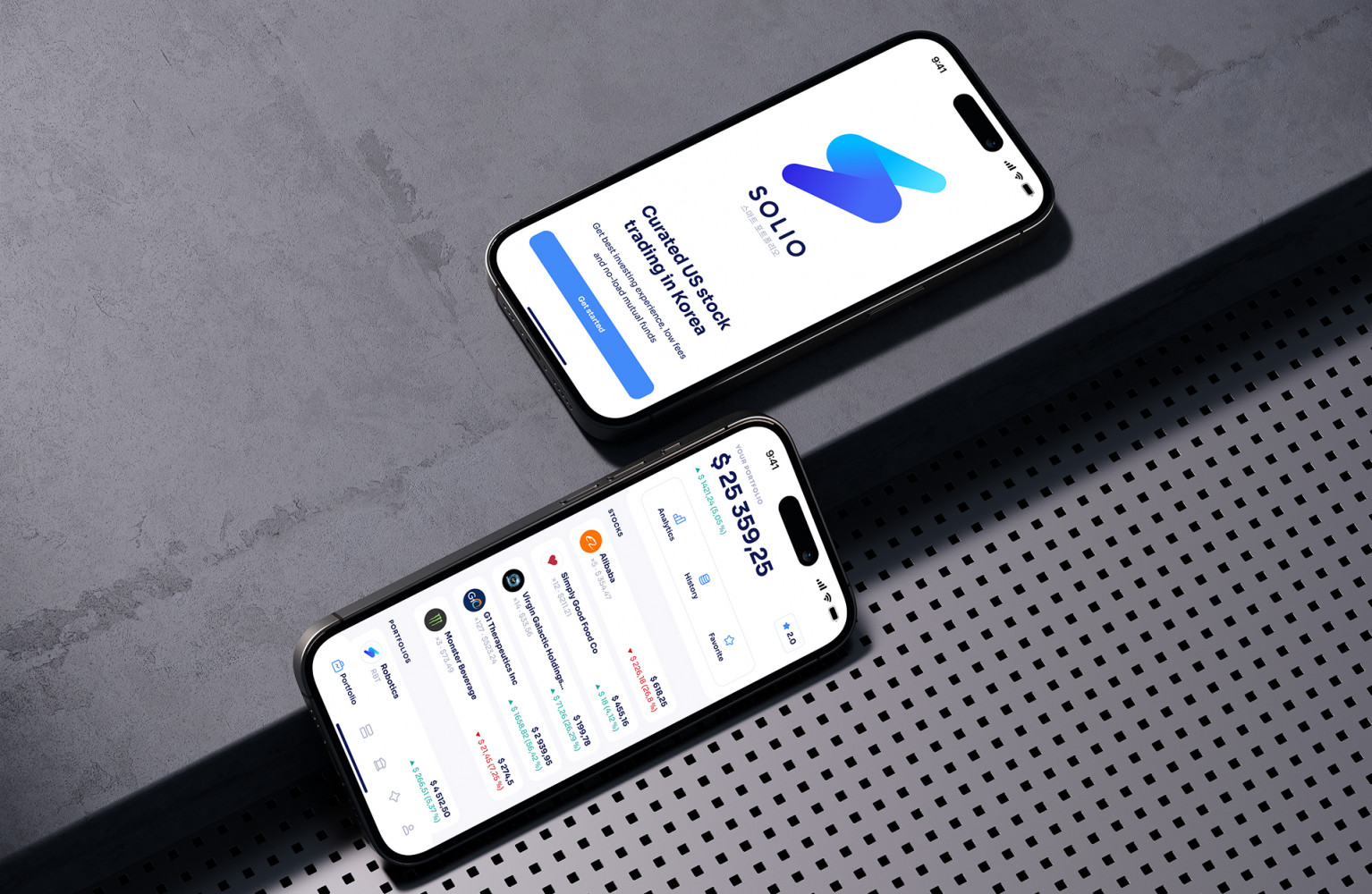
Solio App by Shakuro

Common Development Challenges
Compliance Complexity
Regulations aren’t static. They change. A new sanction list drops on a Tuesday? You need to update your system by Wednesday. Different countries have different rules for data residency, reporting thresholds, and ID requirements. Keeping your compliance engine flexible enough to handle these shifts without rewriting code every week is a massive challenge. It’s not just tech; it’s legal agility.
Failed Transactions
You’d think moving digital money would be 100% reliable. It’s not. Bank APIs time out. Card networks decline transactions for no apparent reason. Mobile money providers have maintenance windows. When a transfer fails, it’s not just a technical error; it’s a customer service crisis. You need robust retry logic, clear error messages, and automated refunds. If you don’t handle failures gracefully, users leave.
Reconciliation
I mentioned this before, but it deserves its own spot. Reconciliation is the process of making sure your internal records match what your banking partners say happened. It sounds simple, but when you’re dealing with multiple currencies, different settlement times (T+1, T+2), and fees deducted at various stages, it gets messy fast. Automated reconciliation is a must. Manual spreadsheets? That’s a recipe for disaster and audit failures.
Latency
Users want instant transfers. But the underlying rails (SWIFT, ACH, local clearing houses) are often slow. Bridging that gap is tough. You might show “Success” to the user because you’ve accepted the funds, but the actual payout might take hours. Managing those expectations and providing real-time status updates is crucial. If your app feels sluggish or unresponsive during the process, trust evaporates.
Liquidity Visibility
To send money out, you need money in the destination country. This is pre-funding. Knowing exactly how much liquidity you have in each corridor, in real-time, is critical. If you run out of Naira in Nigeria, you can’t process payouts. You need dashboards that show your treasury team exactly where the cash is so they can rebalance before you hit a wall. Lack of visibility here leads to halted operations.
FX Accuracy
Exchange rates fluctuate every second. If your system quotes a rate to a user, locks it in, but then executes the trade at a slightly different rate due to latency or vendor issues, you lose money. Or worse, you overcharge the user. Ensuring FX accuracy across the entire flow—from quote to execution—is a constant battle against market volatility and API delays.
Fraud Prevention
Fraudsters are smart. They test your limits. They use stolen cards. They create fake identities. Your fraud scoring needs to be dynamic. Static rules aren’t enough. To build reliable online remittance software, you need machine learning models that adapt to new patterns. But here’s the catch: if your fraud detection is too aggressive, you block legitimate users. Too lenient, and you get charged back. Finding that balance is an ongoing struggle.
User Trust
Trust is fragile. One bad experience—a delayed transfer, a hidden fee, a confusing error message—and a user is gone. And they’ll tell their friends. Building trust is about transparency, reliability, and empathy in your design. It takes months to build and seconds to break.
Support workflows
When things go wrong (and they will), your support team is on the front line. If they don’t have the right tools—visibility into transaction status, easy refund mechanisms, clear communication channels—they’ll be overwhelmed. Poor support workflows lead to long resolution times, angry users, and high churn. Equip your team well.
Third-party API instability
You’re relying on dozens of external services: banks, KYC providers, FX vendors, SMS gateways. Any one of them can go down. Or change their API without warning. Or throttle your requests. Building resilience against these external failures is key. You need fallbacks, circuit breakers, and constant monitoring. You can’t control them, but you can control how you react when they fail.
Scaling during peak transfer periods
Paydays, holidays, emergencies. Transfer volumes spike. Can your system handle 10x the normal load? If your servers crash or your KYC provider throttles you, you’re dead in the water. Auto-scaling infrastructure, load testing, and queue management are essential. You need to be ready for the surge, not react to it after the fact.
Our Relevant Experience in Building Fintech Products
Remittance software sits close to several fintech areas at once: payments, banking, investment tools, dashboards, compliance flows, and a lot of back-office logic that users never see. That’s why it helps to work with a team that has already dealt with complex financial products, not just clean-looking mobile screens.
We’ve built everything from sleek payment apps to complex banking dashboards. It’s about making them work securely and efficiently. We’ve tackled investment platforms where every decimal point matters, and social financial tools where user engagement is key.
Take Zad, for example. That’s an investment platform we helped bring to life. It wasn’t just about showing stock prices; it was about creating a seamless flow for users to manage their portfolios, understand risks, and execute trades without feeling overwhelmed. We had to integrate real-time data, ensure rock-solid security, and design an interface that felt intuitive even for first-time investors.
Then there’s Symbolik Social. This one was interesting because it blended finance with community. We built a platform where financial interactions happen in a social context. It required a different approach to UX—making financial actions feel natural within a social feed, while still maintaining strict compliance and security standards. It’s a tricky balance, but we nailed it.
Our experience spans across payments, banking, investment, and complex financial workflows. We know how to handle the messy parts: the integrations, the compliance hurdles, the need for real-time accuracy. We’ve worked as a dedicated fintech app development company for clients who needed more than just a vendor—they needed a team that understood the regulatory landscape and the technical complexities of moving value.
Whether it’s fintech mobile app development services for a startup looking to disrupt remittances or a full-scale digital banking solution for an established player, we’ve been there. We know the pitfalls. We know what works. And we know how to build software that doesn’t just function but actually helps businesses grow and users trust.
So, if you’re feeling a bit overwhelmed by the sheer scale of building remittance software, know that you don’t have to figure it out alone. We’ve walked this path before. And we can help you navigate it.
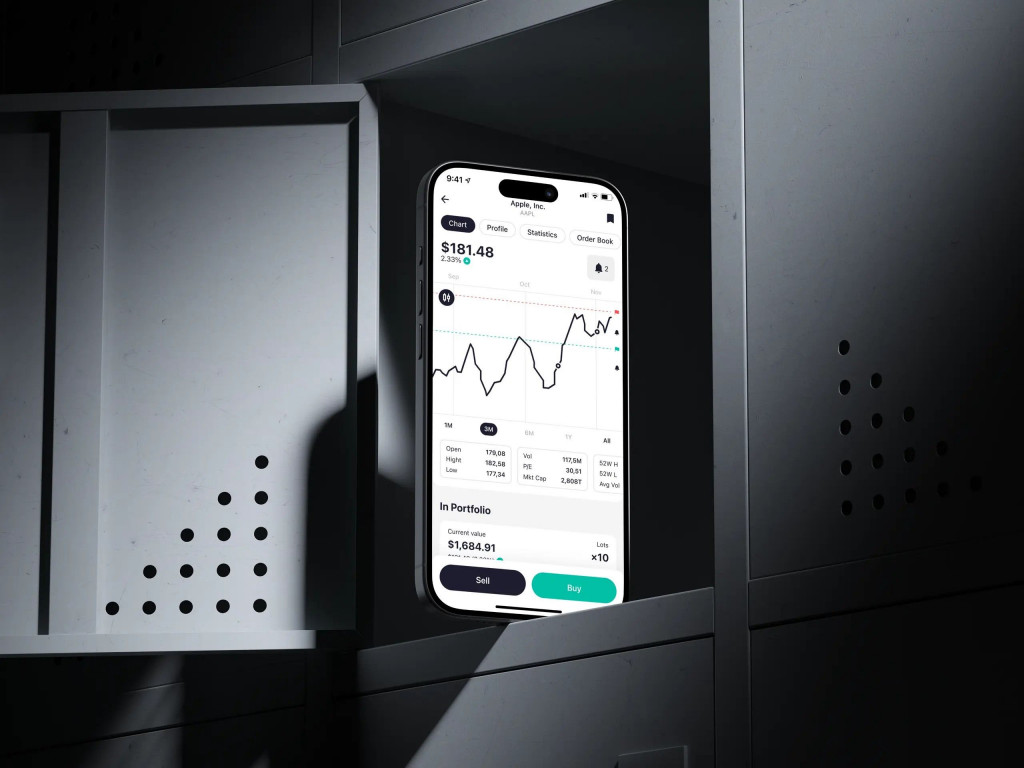
ZAD app by Shakuro
Why Work With a Remittance Software Development Company?
Look, you could hire a team of brilliant generalist developers. They might be amazing at building e-commerce sites or social networks. But remittance? It’s a different beast entirely.
Here’s why partnering with a company that actually knows fintech matters.
Clearer UX
Generalists design for clicks. Fintech specialists design for trust. We know that a user sending money home is anxious. We know where they get stuck. We’ve seen the support tickets. So we design flows that reduce friction and anxiety. We don’t just make it look good; we make it feel safe. That’s a subtle difference, but it’s huge for conversion.
Safer Architecture
You wouldn’t build a bank vault out of cardboard. Similarly, you shouldn’t build financial software without understanding double-entry ledgers, idempotency, and encryption standards. A specialized team builds security into the foundation, not as an afterthought. We know where the weak spots are because we’ve seen them break before.
Integration Planning
Remember all those APIs we talked about? Banks, KYC, FX providers? They’re notoriously difficult to work with. A experienced team knows which providers play nice together. We know which ones have terrible documentation or unreliable uptime. We can plan your integrations to avoid bottlenecks and ensure redundancy. It saves you months of debugging later.
Compliance-Aware Product Decisions
This is big. A generalist might suggest a feature that sounds cool but is a regulatory nightmare. A fintech-experienced team will flag it early. “Hey, if we do it this way, you’ll need a license in three more countries.” Or, “This data retention policy violates GDPR.” We help you navigate the legal landscape while you’re still in the design phase, not after you’ve built it.
Faster MVP Delivery
Because we’ve done this before, we don’t start from zero. We have libraries, patterns, and best practices ready to go. We know how to structure the database for financial transactions. We know how to set up the compliance checks. This means we can build your MVP faster and cheaper than a team learning on the job. Time is money, especially in startups.
Long-Term Maintainability
Remittance management software isn’t a one-and-done deal. It evolves. Regulations change. New payment methods emerge. A specialized team builds with scalability and maintainability in mind. We write code that’s easy to update, easy to audit, and easy to scale. You won’t be stuck with a legacy mess that no one wants to touch in two years.
Final Thoughts
At the end of the day, building remittance software isn’t just about moving numbers from one column to another. It’s about connecting people. It’s about trust. And that trust is built on a foundation where everything works together seamlessly.
You can’t treat compliance as a separate box to check. You can’t bolt on security after the fact. And you definitely can’t ignore the user experience because “the backend is hard.” It all has to be planned as one cohesive system. The transaction logic needs to talk to the compliance engine. The integrations need to support the UX, not hinder it. When these pieces align, you don’t just have an app; you have a reliable service that people depend on.
It’s a complex puzzle, sure. But it’s solvable. And you don’t have to solve it alone. If you’re sitting there with an idea, or maybe you’re already knee-deep in development and hitting those inevitable walls, let’s talk. We’ve been down this road. We know the shortcuts and the potholes.
Whether you’re building a new fintech product or looking to upgrade your existing payment flows, Shakuro is here to help you navigate the mess and build something that actually works.

Symbolik case by Shakuro
FAQ
How long does it take to build remittance software?
A solid remittance software MVP takes about 4–6 months. A more complex, multi-corridor platform usually takes 8–12 months, and enterprise-grade systems can stretch to 18+ months. The number of payment rails, countries, and compliance rules drives the timeline most. Rushing it just leads to technical debt and compliance headaches later.
How much does remittance software development cost?
A remittance MVP with one corridor, basic KYC, bank transfer in and out, and a simple admin panel costs $80k to $150k. A platform with 3-5 corridors, mobile wallet payouts, open banking, and an agent dashboard costs $200k–$400k, and an enterprise-grade system $600k to $1.5M+. Ongoing costs run 15–25% of the initial build annually.
What features should a remittance MVP include?
A remittance MVP should include user sign-up, basic KYC, one way to add money (card or bank), the core transfer flow with FX rates, one payout method, transaction history, and a basic admin panel. Show fees and the amount the recipient gets before the user confirms. Prove the concept first; add more corridors and payout methods later.
Is custom remittance software better than white-label software?
It depends on your goal. White-label remittance software is faster and cheaper for testing markets. Custom is better if you need unique features, specific local integrations, or full control over the user experience, which is typical for banks with core banking systems, exchange houses, agent networks, and businesses with bulk cross-border payouts.
What integrations does a money transfer platform need?
A money transfer platform needs payment gateways to get money in, payout partners (banks, wallets, cash agents), an FX provider for rates, a KYC/AML vendor for compliance, and notification services (SMS/email). Don’t build these from scratch; plug in reliable specialists. Each integration adds testing time and vendor fees, so choose them by corridor.
How do you make remittance software secure?
Remittance software is secured by encrypting data at rest and in transit, multi-factor authentication, strict role-based access, regular penetration tests, and immutable audit logs. Compliance adds KYC with liveness checks, AML and sanctions screening, fraud scoring, dynamic transaction limits, and standards like PCI DSS and GDPR. Security isn’t a one-time task; it’s daily hygiene.
Related reading
- BNPL Platform Development: What It Takes to Build, Launch, and Scale
- Open Banking API Development: How to Build Secure, Scalable Banking Integrations
- Subscription Platform Development: Features, Architecture, Cost, and Process
- Banking Software Development: How to Build Modern Digital Banking Platforms