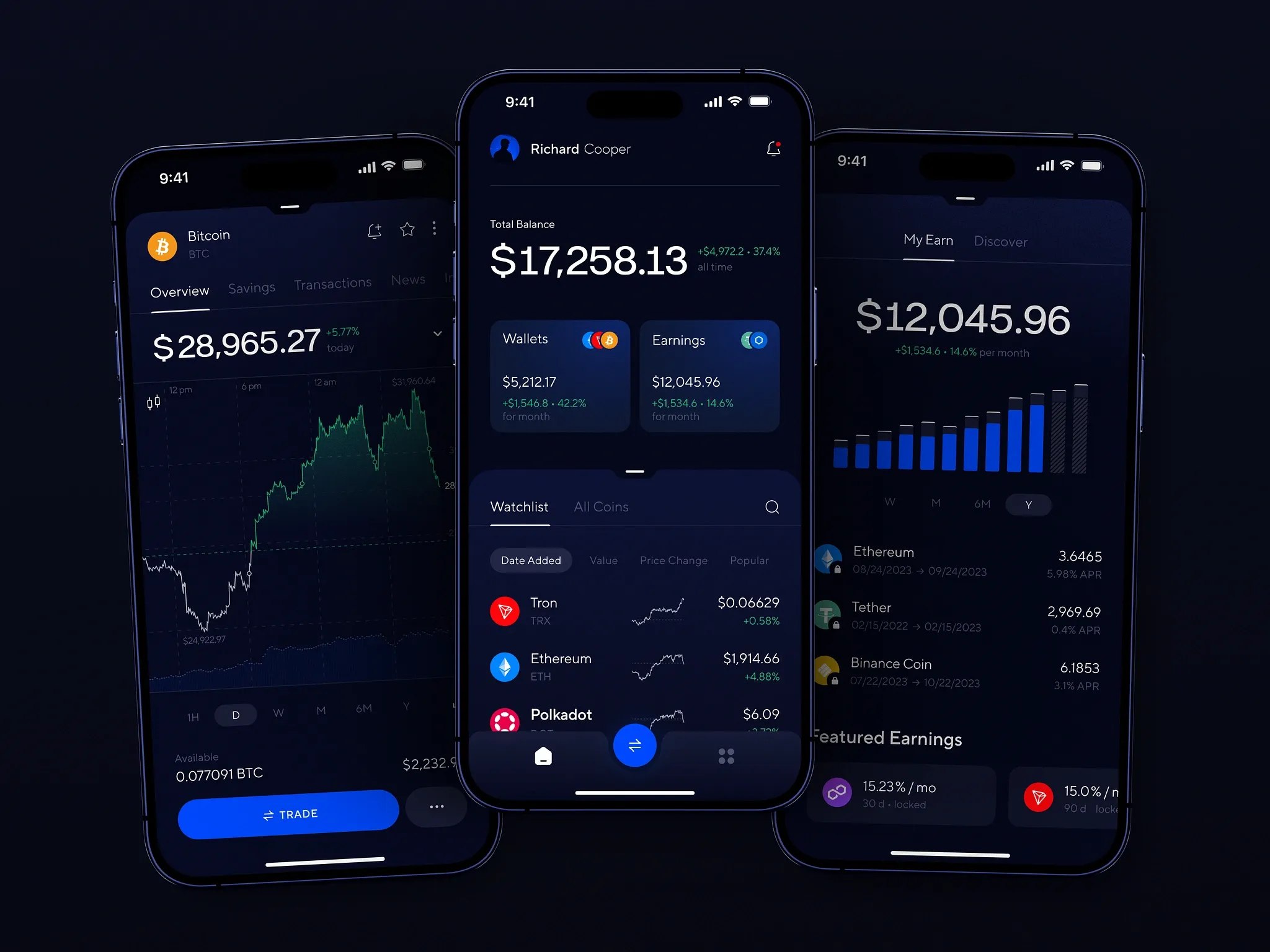
Crypto payment processing software development is building the system that lets a business accept cryptocurrency: it talks to blockchain nodes, generates deposit addresses, tracks incoming transactions, handles exchange rates and crypto-to-fiat conversion, and protects private keys.
Crypto payments used to be limited to exchanges. Now they appear in SaaS tools with global customers, digital marketplaces, gaming platforms, and cross-border fintech services. NFT marketplaces are an obvious case, since buyers already hold tokens. Bank transfers between countries are still slow and expensive, while blockchain payments confirm at the network level instead of going through the clearing systems of traditional payment infrastructure. Running this at real transaction volumes without downtime takes solid web3 development expertise.
The sections below cover key features, the development process, what drives cost, where teams run into trouble with blockchain integration, liquidity, and security, and our experience in Web3 and fintech.
For those who prefer to listen rather than read, this article is also available as a podcast on Spotify.
What Is Crypto Payment Processing Software?
Cryptocurrency payment processing software is the backend layer that handles cryptocurrency payments so the team doesn’t have to track them manually.
Without it, payments are checked one by one. Someone watches a wallet, looks up transactions on the blockchain, waits for confirmations, and updates the order in the database. That might work during early testing. It does not hold up once real users start paying.
A payment gateway takes over that routine. It links the checkout with blockchain networks and keeps track of what is happening on-chain. When a payment starts, the system assigns an address, watches for incoming funds, and updates the order when the transaction reaches the required confirmation level.
In most projects, this layer also keeps internal records—expected amount, received amount, transaction hash, confirmation count. If conversion is needed, the same flow may send funds to an exchange or liquidity provider. Merchants that combine crypto with cards and bank transfers often put a payment orchestration platform on top to route each method to the right provider.
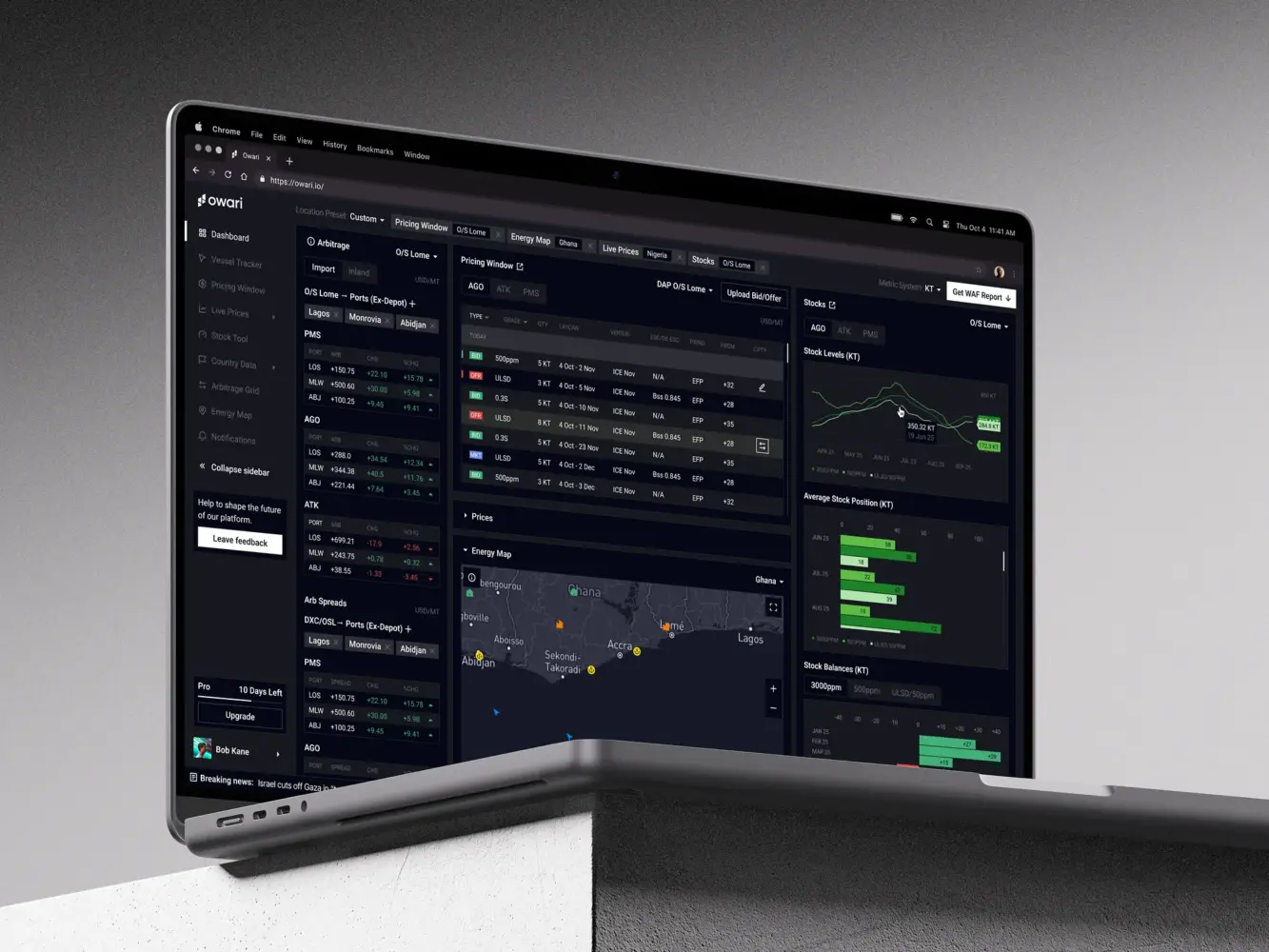
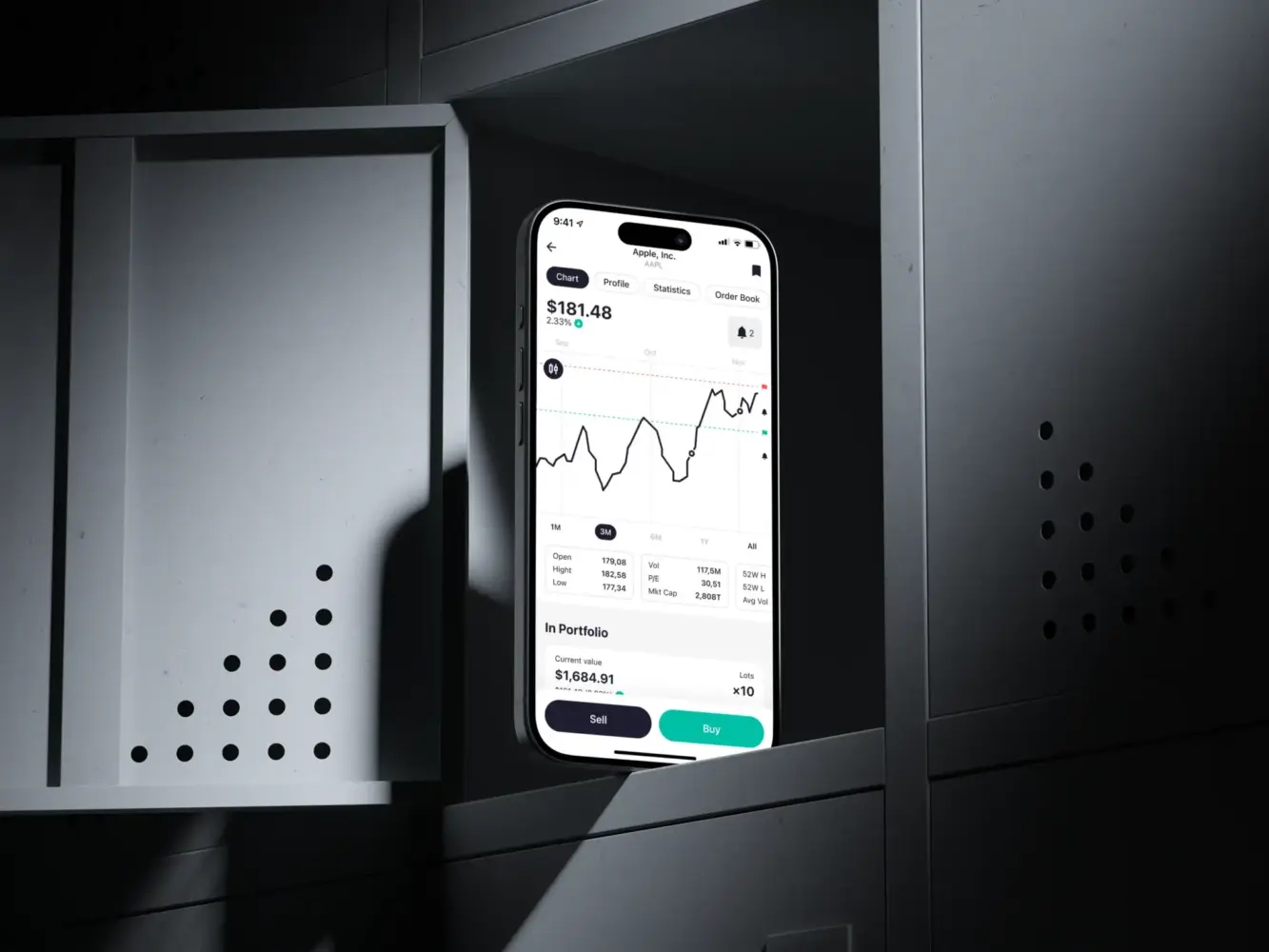
Dashboard Design for Stock Trading Platform by Shakuro
How Crypto Payments Work
The mechanics are simple. The hard part is making the process reliable when traffic increases.
1.User selects cryptocurrency as the payment method
At checkout, crypto is selected the same way as any other payment option. The system creates a payment request tied to the order.
2. System generates a wallet address or QR code
A unique address is assigned. Most teams avoid reusing addresses because it creates confusion during reconciliation. The QR code is just a convenience for copying the address.
3. Transaction is sent through the blockchain
The user sends funds. The transaction enters the network and waits to be included in a block. From this moment, the backend monitors activity linked to the assigned address.
4. System verifies confirmations
Once the transaction appears on-chain, confirmations begin to accumulate. The number required is defined in advance. Fewer confirmations mean faster processing but higher risk.
5. Merchant receives payment or converted funds
After confirmations are reached, the order status changes. Funds remain in crypto or move through an exchange if conversion is enabled.
Most of the real work shows up around failure cases. Transactions arrive late. Fees spike. Users send the wrong amount. Networks slow down. Handling those situations cleanly is what separates a working crypto payment gateway software from one that constantly needs manual fixes.
Types of Crypto Payment Platforms
The phrase “crypto payment platform” covers a few different things. What people mean usually depends on which part of the payment flow they are working on. In smaller products, everything may sit in one service. In larger ones, the pieces split apart over time.
Merchant crypto gateways
This is the part that ends up inside the checkout flow. A payment starts, an address is issued, the customer sends funds. After that, the system waits for confirmations and updates the order.
From the outside, it behaves like any other payment method. Internally, it’s mostly about keeping track of addresses and making sure incoming transactions match the right order. If payments overlap or arrive late, this layer has to sort that out.
Crypto payment processors
You start seeing processors once payments move beyond a single wallet or service. They sit behind the visible crypto payment gateway software and deal with the mechanics—tracking transactions, recording them, passing results between services.
Not every project needs this at the beginning. But once several currencies or chains are involved, or payments move between internal services, something like a processor becomes hard to avoid.
Crypto-to-fiat systems
Some teams don’t want to hold crypto longer than necessary. In those cases, incoming funds are converted shortly after arrival.
That step depends on access to crypto liquidity and exchange infrastructure. The payment reaches the wallet, then moves out again for conversion. It adds extra handling, but makes accounting easier to predict.
Core Components of Crypto Payment Systems
Even when the architecture diagrams look different, the same core pieces keep appearing. Names change between teams. The roles don’t.
- Blockchain nodes
This is how the backend talks to the network. Transactions get read here. Confirmations get checked here. When funds need to move, they are broadcast through the same connection.
Running your own node gives control but adds maintenance work. Using hosted nodes saves time but introduces another dependency. Both setups are common.
- Payment engine
Orders and payments meet here. The engine knows which address belongs to which order, how much was expected, and what actually arrived.
If a customer sends less than required, or sends twice by mistake, this is usually where the mismatch gets noticed.
- Wallet infrastructure
Addresses come from here. Private keys live here. When funds move out, signatures are created here.
Weak crypto wallet infrastructure tends to cause bigger problems than blockchain failures themselves. Most serious incidents come from key exposure or incorrect handling, not from network issues.
- Transaction monitoring
Nothing happens instantly on a blockchain, so someone—or something—has to keep watching. Monitoring services stay connected and track new transactions as they appear.
If this part stops responding, payments don’t disappear, but the system stops noticing them in time.
- Merchant dashboards
This is what operators actually open during the day. Payment lists, balances, status checks.
When something goes wrong earlier in the flow, it usually shows up here first—missing transactions, mismatched totals, delayed updates.

Crypto Trading App by Shakuro

Key Features of Crypto Payment Processing Platforms
After the first few test payments, the same set of requirements usually starts to surface. Teams realize pretty quickly what can’t be skipped once real users begin sending money.
Multi-Currency Support
It often starts with one currency. That works during early testing, sometimes even during the first launch.
Sooner or later, requests for other assets appear. One customer pays in Bitcoin, another insists on USDT, someone else asks for Ethereum support. Stablecoins usually show up early, especially when payments cross borders and exchange rate swings become a problem.
Adding another currency isn’t just flipping a switch. Each network behaves a bit differently—fees spike at different times, confirmations move at different speeds, and transaction formats don’t line up perfectly. Small details like that start to matter once the number of payments grows.
Secure Wallet Infrastructure
Wallet handling is where things stop feeling experimental.
Hot wallets stay online and deal with everyday transfers. Funds come in there first, and smaller outgoing payments usually leave from the same place. Cold wallets sit offline and hold larger balances. That split becomes standard practice once the amounts stop being symbolic.
Private keys are the part nobody wants to get wrong. Once exposed, there’s no rollback and no support ticket to fix it. That’s why teams tend to spend extra time here—reviewing storage methods, limiting access, double-checking how keys are generated and stored.
Most production setups eventually circle back to secure crypto wallet development, even if it wasn’t a top priority at the very beginning.
Real-Time Transaction Monitoring
Payments don’t settle instantly. Even fast networks take time to confirm transactions.
While confirmations build, something has to stay connected and keep watching. That job usually runs quietly in the background, checking addresses and updating records when new blocks arrive.
At low volume, this looks simple. At higher volume, patterns start to show—payments arriving late, confirmations taking longer than usual, occasional mismatches. Over time, this turns into something closer to financial transaction analytics than basic tracking.
Without visibility into those patterns, problems tend to surface too late.
Crypto-to-Fiat Conversion
Not every business wants to keep cryptocurrency on the balance sheet. Some do. Others convert as soon as funds arrive.
The conversion step usually happens through exchange connections. Funds move out, rates are applied, balances are updated. It sounds straightforward until markets start moving quickly.
That’s where crypto exchange integrations come into play. The speed of execution matters more than people expect, especially during volatile periods. Even short delays can affect settlement amounts.
APIs and Merchant Tools
Payments rarely live inside one service. They connect to storefronts, admin panels, accounting tools—whatever the product already depends on.
APIs handle most of that communication. They pass payment requests around, return status updates, and notify other parts of the system when something changes. When those APIs behave unpredictably, the symptoms spread quickly.
Merchant tools are easier to overlook at the beginning. Later, they become unavoidable. Transaction lists, balance views, export tools—nothing complex, but necessary once finance teams get involved.
Most teams eventually lean on solid web development services to build these interfaces properly. Not because dashboards are complicated, but because people depend on them every day.
Crypto Payment Processing Software Development Process
No one builds a payment system all at once. It usually starts with a rough idea of how money should move, then gets refined step by step. The early decisions matter more than people expect—especially when real transactions begin flowing through the system.
1. Product Strategy and Payment Model
Before touching code, teams usually sit down and decide what kind of payment flow they’re actually building.
Some products only need to accept crypto from customers. That leads to a merchant gateway model—payments come in, confirmations are tracked, orders are updated.
Other teams build internal payment flows—moving funds between wallets, services, or accounts. That leans more toward a processor-style setup. There’s less focus on checkout and more on routing and handling transactions behind the scenes.
Hybrid models show up often. A product might accept payments from users and still move funds internally afterward. That pattern is common in the fintech industry, where payments rarely stop at a single destination.
At this point, diagrams usually replace code. Teams sketch how payments move, where confirmations are checked, and what happens when something goes wrong. Late payments, missing funds, wrong networks—those cases come up early in discussion, long before development starts.
2. UX/UI Design for Payment Flows
Payment interfaces tend to expose weak spots quickly. If something isn’t clear, users make mistakes.
Crypto adds a few extra risks. Wallet addresses are long strings. Networks sometimes get mixed up. A user might send the correct amount on the wrong chain, or send less than required because fees were calculated incorrectly.
Design work usually begins with simple flows—select currency, generate address, show payment status. After that, edge cases get layered in. What happens if the payment takes too long? What does the user see if confirmations are delayed?
Real-time feedback becomes important here. Users want to know whether the payment is still pending or already confirmed.
Many teams use frameworks like React when building these interfaces. Not because it’s trendy, but because it handles dynamic updates well. Projects that already rely on modern frontend stacks often lean into strong React development practices to keep payment flows responsive and predictable.
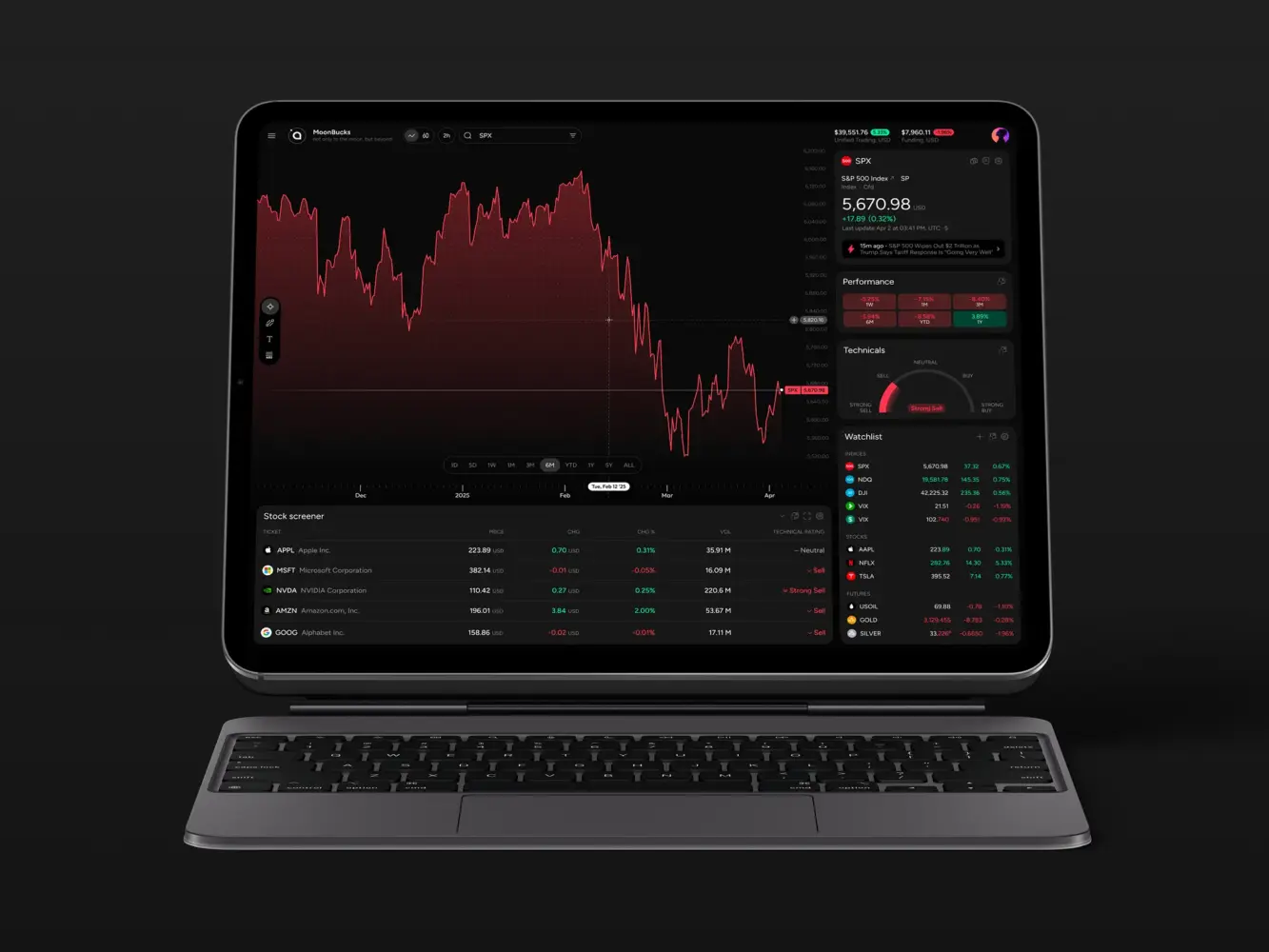
Financial Market Trading Analytics Tool Dashboard Design by Shakuro
3. Choosing the Technology Stack
Stack decisions don’t happen in isolation. They usually grow out of what the team already knows and what the system is expected to handle.
On the backend side, a few options come up regularly. Node.js fits naturally into JavaScript-heavy products. Python shows up often when APIs need to be built quickly, especially with frameworks like FastAPI. Go enters the picture when concurrency and performance become concerns.
Database choices are usually practical rather than experimental. PostgreSQL handles structured payment data well and has been around long enough to feel predictable. Redis is often added alongside it—mostly for caching and fast lookups.
Infrastructure tends to follow the same pattern. Docker containers make deployments easier to repeat. Kubernetes appears later, usually when the number of services grows large enough to require orchestration.
Frontend tools depend on what the team already uses. React and Vue are both common in dashboards and admin panels. Once reporting tools start growing, small UI decisions turn into long-term maintenance tasks.
Backend-heavy APIs often benefit from frameworks tied to solid FastAPI development workflows. On the frontend side, reliable frontend development practices become more noticeable over time—especially once dashboards expand and operational tools start multiplying.
4. Blockchain Integration
This is where the backend connects to actual blockchain networks.
Most teams begin with one or two chains. Bitcoin still shows up in many payment flows. Ethereum is hard to avoid, especially where tokens are involved. Stablecoins usually appear early, particularly in products that need stable pricing.
Once connections are live, the system has to read blocks, detect incoming transfers, and track confirmations. That work runs constantly. If nodes fall behind or disconnect, payments don’t disappear—but the system stops seeing them on time.
A lot of reliability problems trace back to weak connections here, not to the payment logic itself. Stable access to blockchain infrastructure matters more than theoretical performance numbers.
5. Liquidity and Exchange Integration
Not every payment stays in the same asset.
Some businesses receive crypto and convert it right away. Others convert only part of the balance. Either way, exchange connections usually enter the system sooner or later.
That integration pulls pricing data, sends conversion requests, and records the result. At low volume, it feels straightforward. At higher volume, delays and price differences start showing up—especially when liquidity is thin.
This is where links to automated trading and liquidity systems become important. Without them, conversion results vary too much from one payment to the next.
6. Security and Compliance
Security gets added in layers. Some checks appear early, others only after real traffic starts.
Access rules come first—who can move funds, who can generate keys, who can view balances. Logging follows close behind. Every payment needs a trace that can be reviewed later.
After launch, patterns begin to surface. Repeated attempts from the same source. Transfers that don’t match expected amounts. Unexpected timing patterns. Systems connected to AI-powered fraud detection help flag these cases before they spread.
Compliance depends on geography and business type. Some teams need full reporting pipelines. Others focus mainly on transaction history and audit logs. Either way, once payments go live, records have to stay consistent.
7. Deployment and Maintenance
Launching the platform changes the kind of work, not the amount of it.
The first live transactions usually expose things that didn’t show up in staging—timeouts, delayed confirmations, unexpected retries. Logs grow quickly during the first days.
After that, maintenance becomes routine. Updates, monitoring, small fixes. Nothing dramatic, but constant.
Teams that run payment platforms long-term usually keep support services in place. Not for everyday issues, but for the moments when something breaks and recovery can’t wait.
Cost of Crypto Payment Processing Software Development
Costs usually grow from technical choices made early on. The number of currencies, external integrations, and regulatory rules all affect how large the system becomes.
Two payment products can look similar in diagrams and still cost very different amounts to build. The differences usually appear in the details—how many networks are supported, how conversion is handled, and how strict the reporting requirements are.
When we talk about crypto payment gateway development, we usually mean a smaller entry point—accept payments, confirm them, store records. A full crypto payment platform development effort tends to involve more moving parts and longer timelines.
Several factors tend to influence cost more than others.
- Supported cryptocurrencies
Each new currency adds work.
It’s not only about recognizing another asset in the interface. Every network has its own behavior—fees rise and fall differently, confirmations take different amounts of time, and transaction structures vary.
Starting with one currency keeps things manageable. Adding more later spreads the effort over time instead of loading it all into the first release.
- Integrations with blockchains and exchanges
Connections to blockchain networks take time to stabilize. Early versions often work well in testing, then show weak spots once traffic becomes unpredictable.
Exchange integrations bring their own complications. Price feeds need to stay current. Conversion logic needs fallback paths. If liquidity is thin, transactions may not complete at expected values.
Most of the hidden work in payment systems sits here—in retry logic, edge cases, and recovery flows.
- Compliance requirements
Compliance changes how much of the system needs to be recorded and reviewed.
Some products only log transactions and store histories. Others require identity checks, reporting pipelines, and full audit trails. The difference is noticeable in both development time and long-term maintenance.
Even simple reporting requirements add extra layers to the architecture.
- Scalability needs
Traffic expectations affect design decisions early.
A system handling occasional payments can stay simple. One handling constant activity needs load balancing, monitoring, and careful resource planning.
Scaling after launch is possible, but rebuilding under pressure is rarely comfortable.
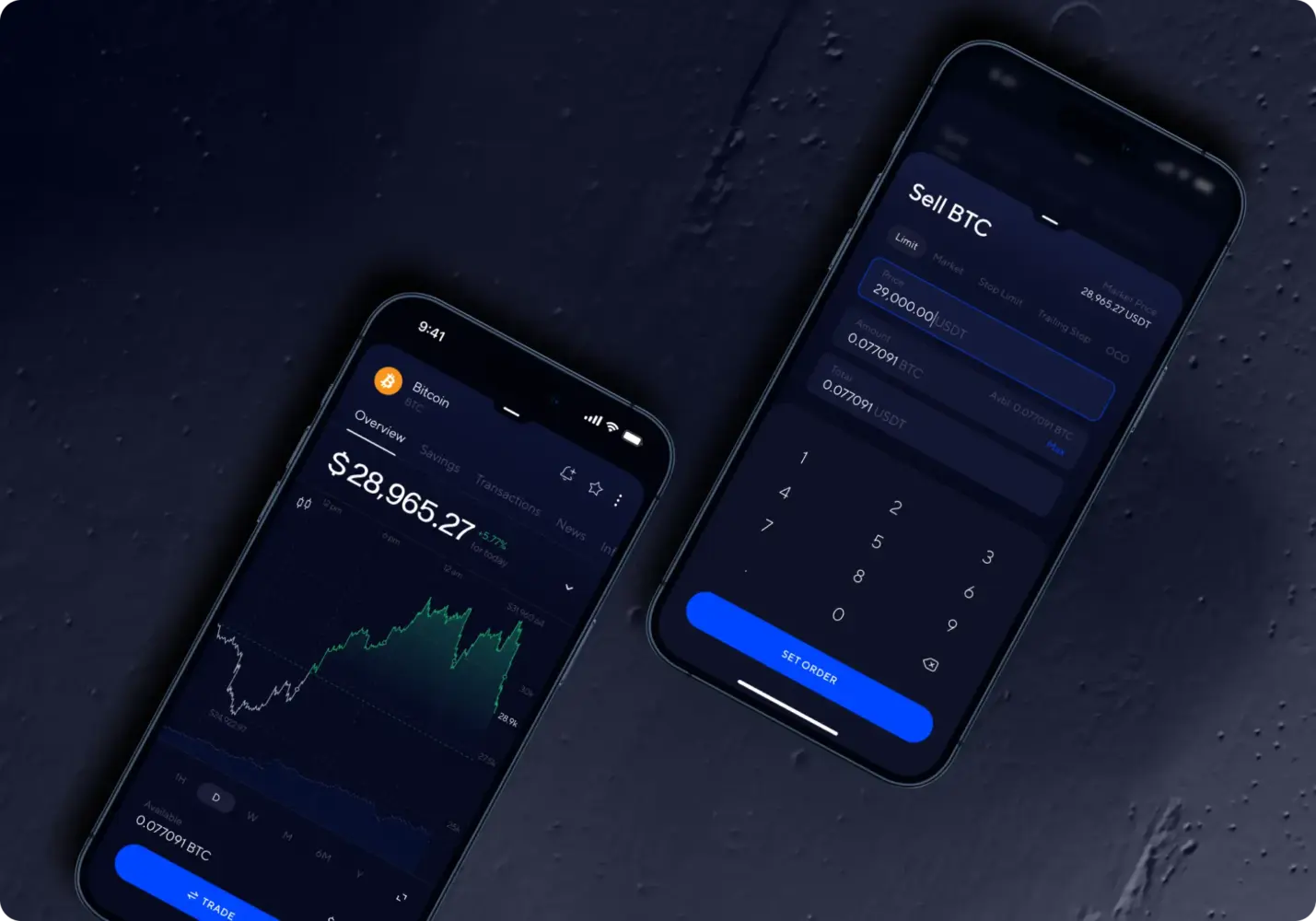
Cryptocurrency Trading App for iOS by Shakuro
Example Development Scenarios
Looking at typical setups helps make the scope easier to imagine.
MVP crypto payment gateway
An MVP usually starts with limited scope.
One or two currencies. Basic payment flow. Address generation. Confirmation tracking. A small dashboard to review payments.
Conversion features may be skipped at this stage. Some teams handle exchange steps manually until demand becomes clear.
This kind of setup is often used to validate the product before expanding further.
Enterprise payment platform
Enterprise builds look different from the start.
Multiple currencies. Automatic conversion. Strong access controls. Logging that records everything needed for audits. Monitoring tools that watch performance around the clock.
These systems rarely stop evolving. New currencies are added. Reporting expands. Integrations multiply.
Initial development takes longer, but most of the effort shows up after launch—keeping the platform stable while the number of transactions keeps growing.

Common Challenges in Crypto Payment Processing Development
Things usually look fine in testing. Problems show up later—once real wallets and real users are involved.
Most teams run into the same types of trouble sooner or later.
- Blockchain transaction delays
Confirmation time isn’t predictable.
Some payments clear fast. Others sit pending longer than expected. This usually happens when the network is busy or when transaction fees are set too low.
From the product side, the visible symptom is simple: payment sent, order still waiting. Support teams start checking whether confirmations are still coming in.
Projects connected to decentralized finance infrastructure feel this more strongly, since follow-up actions often depend on earlier transactions finishing first.
- Crypto price volatility
Prices don’t stay still while a payment moves through the network.
A user sends funds based on the current rate. By the time the transaction confirms, the value may already differ. When automatic conversion is enabled, small mismatches show up in settlement totals.
Stablecoins reduce the size of these swings. They don’t remove timing differences entirely.
- Security risks
Security issues often start small.
An access role left too wide. A key stored without isolation. A missing validation rule that nobody noticed during testing.
Traffic growth usually exposes these gaps. Strange transaction patterns appear in logs. Unexpected retries start showing up. Most teams first notice problems through activity that doesn’t look normal.
- Regulatory uncertainty
Rules change more often than expected.
A product may launch under one set of requirements, then face updates months later. Reporting fields change. Retention periods increase. New verification steps appear.
For long-running platforms, regulatory updates become part of routine maintenance rather than a one-time task.
Our Experience in Web3 and Fintech Development
Most web3 and fintech projects don’t stay limited to one feature. Payments connect to wallets. Wallets connect to trading or reporting tools. Over time, separate components start sharing the same infrastructure.
That pattern shows up across many of the products we’ve worked on—blockchain tools, financial platforms, and SaaS systems built to handle steady growth. In most cases, reliability mattered more than visual complexity. Once real transactions are involved, stability becomes the first priority.
Much of this work sits inside the web3 industry and the fintech industry, where products operate under tight performance and security expectations.
Two projects give a clear picture of the type of work involved.
Shariah-Compliant Investment Platform (ZAD)
ZAD is a mobile investment app built around robo-advisor logic and manual trading tools. The platform had to follow Shariah financial rules, which limited certain trading actions and affected how portfolios were structured.
Mobile App UX/UI Design for Kuwaiti Investment Platform by Shakuro
Early work focused on understanding regional products and user expectations. Several common patterns appeared—risk questionnaires, portfolio summaries, asset lists. Those patterns became the starting point.
The first version of the product centered on automated investing. Users answered risk-related questions and received portfolio suggestions. Later, manual trading tools were added—stock pages, order placement, and portfolio tracking.
Most adjustments during the project were related to clarity. When users hesitated during testing, screens were simplified or reorganized.
Crypto Trading Ecosystem (Aurox)
Aurox included several connected tools—trading interfaces, wallet features, and token-related functionality.

Premier Crypto Trading Ecosystem Design by Shakuro
Work began with structure rather than visuals. Navigation and layout rules were standardized so users could move between tools without relearning the interface.
The trading terminal required the most attention. It handled large volumes of data, including charts and controls on a single screen. Layout changes were tested repeatedly to keep navigation readable.
As the ecosystem expanded, new features were added without replacing earlier ones. That required a design system flexible enough to support growth without rebuilding the interface from scratch.
Across projects like these, the same requirements appear—secure handling of financial data, predictable transaction flows, and systems that continue working as usage increases.
Why Work with a Crypto Payment Development Company
Payment systems behave differently once real traffic starts. Test transactions are predictable. Production traffic isn’t—fees fluctuate, confirmations slow down, users send incorrect amounts. Most early problems come from handling those edge cases, not from basic functionality.
Crypto payment developers that have already built blockchain-based products usually recognize these patterns faster. That reduces the number of fixes needed after launch and keeps the system stable from the start.
Blockchain expertise
Connecting to a blockchain is only part of the work. The harder part is keeping connections stable and handling failed or delayed transactions. Experience in the web3 industry helps here, especially when fallback logic and monitoring are needed.
Secure payment systems
Security depends on how keys are stored, how access is controlled, and how transactions are validated. Small mistakes in these areas tend to show up late, when traffic is already live.
Scalable architecture
Systems that start small often grow quickly. If background services aren’t prepared for higher load, delays begin to appear—usually in transaction tracking and confirmation logic.
Faster time-to-market
Projects move faster when fewer surprises appear during testing. Crypto payment developers that have handled similar systems before tend to detect weak spots earlier, which reduces rework later.
FAQ
What drives the cost of crypto payment processing software development?
The number of supported cryptocurrencies, the blockchain and exchange integrations, compliance requirements and expected traffic drive the cost. Each new currency brings its own fee behavior, confirmation times and transaction formats. Exchange connections need current price feeds and fallback paths, and most hidden work sits in retry logic and recovery flows. Identity checks, reporting pipelines and full audit trails add development time and long-term maintenance.
How does an MVP crypto payment gateway differ from an enterprise crypto payment processing platform?
An MVP crypto payment gateway keeps scope narrow: a small number of currencies, a basic payment flow, address generation, confirmation tracking and a small dashboard, often with conversion handled manually. An enterprise platform starts with multiple currencies, automatic conversion, strict access controls, audit-grade logging and round-the-clock monitoring. Its initial build takes longer, and most effort comes after launch as transaction volume grows.
How is wallet security handled in crypto payment processing software?
Wallets are split: hot wallets stay online for incoming funds and smaller outgoing payments, while cold wallets sit offline and hold larger balances. Private keys need careful generation, isolated storage and limited access, because an exposed key cannot be rolled back. Access rules define who can move funds, generate keys or view balances, and every payment is logged so it can be reviewed later.
Should crypto payment processing software convert payments to fiat?
Convert when the business does not want cryptocurrency on its balance sheet; otherwise funds can stay in crypto. Conversion runs through exchange connections that pull pricing, send conversion requests and record results, and it makes accounting easier to predict. Execution speed matters during volatile periods, since rates can shift before a transaction confirms. Stablecoins reduce these swings but do not remove timing differences.
What compliance requirements apply to crypto payment processing software?
Requirements depend on geography and business type. Some products only need transaction logs and payment histories, while others require identity checks, reporting pipelines and full audit trails. Rules also change after launch: reporting fields change, retention periods increase and new verification steps appear. For long-running platforms, regulatory updates become part of routine maintenance, so records have to stay consistent from the first live payment.
How do I choose a development partner for crypto payment processing software?
Look for developers who have already run blockchain-based products in production, not only test environments. Ask how they keep node connections stable, handle delayed or failed transactions, and resolve underpayments, duplicate payments or funds sent on the wrong network. Check their approach to key storage and access control, and how background services for transaction tracking and confirmations will cope with higher load.
Final Thoughts
Crypto payment platform development rarely follows a straight line. What looks clear in diagrams usually changes once real transactions start flowing. Some parts hold up well. Others need adjustment after the first weeks of live use.
Security, stability, and the ability to handle growth tend to matter more than feature count. Clear payment steps help too. When users understand what’s happening, fewer things go wrong.
If you’re planning to build a custom crypto payment processing software, it makes sense to talk the idea through before starting development. You can contact Shakuro to discuss the requirements and see what kind of setup would make sense for your case.
Related reading