Blockchain app development is building applications where records and business logic live on a blockchain: smart contracts execute agreements automatically, wallets handle identity and payments, and every transaction can be verified. An MVP, such as a community NFT marketplace or a staking app with wallet integration and basic smart contracts, takes 2–3 months and costs $40,000–80,000. An enterprise Web3 platform, such as a consortium blockchain for supply chain tracking integrated with SAP, takes 6–12 months or more and costs $250,000–500,000+.
Companies choose blockchain for trust, safety, and speed. Instead of trusting the other party, you rely on code anyone can check, and smart contracts remove manual steps such as chasing invoices or verifying documents. The same principles power decentralized finance platforms. The price is complexity: security audits, network fees, and interfaces that newcomers can actually use.
Below, we cover the types of blockchain apps, key features, the development process and tech stack, cost, and the main challenges in Web3 development.
For those who prefer to listen rather than read, this article is also available as a podcast on Spotify.
What Is a Blockchain Application?
People tend to overcomplicate this. At its heart, a blockchain app (or dApp, if you want to be trendy) is just software that runs on a decentralized network instead of a single server owned by some company.
Think about your favorite apps right now. Instagram, Uber, your banking app. They all live on servers controlled by one entity. If that company goes down, or decides to change the rules, or gets hacked, you’re stuck. A blockchain app flips that script. It uses a network of computers (nodes, we call them) spread out across the globe to store and validate data. No single person holds the keys to the kingdom.
When you make a transaction in a blockchain app, it’s not just updating a database entry in a basement in Virginia. It’s being broadcast to the network, checked by multiple independent parties, and then locked into a block of data that’s chained to everything before it. Once it’s there, it’s there forever. You can’t just go in and edit it later because you had a change of heart.
That’s the beauty of web3 app development. It eliminates that centralized control we’ve all gotten used to and, honestly, often tired of. It enables transparent digital transactions where anyone can verify what happened, without needing to ask a middleman for permission. It feels a bit wild at first, handing over control to code, but once you see how clean the audit trail is, it’s hard to go back.
Types of Blockchain Applications
Now, not all blockchain apps look the same. They’re as varied as regular apps, just with that decentralized backbone. Depending on what you’re trying to solve, you might end up building something totally different from the guy next door.
Financial Applications
This is where it all started, obviously. We’re talking about payment systems that don’t need Swift codes or three days to settle. Imagine sending money to someone in another country, and it lands in their wallet in seconds, with fees that don’t eat up half the amount. That’s the promise here. Then you’ve got crypto trading platforms that run 24/7, no closing bells, no holidays. Just pure peer-to-peer exchange. It’s a game changer.
Decentralized Finance Platforms
DeFi is probably the buzzword you’ve heard the most in blockchain application development. And for good reason. These platforms take traditional financial services—lending, borrowing, earning interest—and rebuild them without the bank. You can lend out your crypto and earn yield automatically. You can stake your tokens to help secure the network and get rewarded. Or you can provide liquidity to a pool so others can trade, earning a cut of the fees. It’s all handled by smart contracts. No loan officers, no credit checks, just code. It’s a little scary for some folks because there’s no customer support line to call if you mess up, but the efficiency of DeFi ecosystem applications is unmatched.
Digital asset platforms
NFTs got a lot of hype (and maybe too much speculation), but the underlying tech is solid. We’re talking marketplaces where artists can sell directly to collectors, with royalties baked right into the code so they get paid every time the art resells. Beyond art, though, we’re seeing tokenized assets. Real estate, gold, even shares in a company can be represented as tokens on a blockchain. It makes these assets easier to split up, trade, and track. NFT trading platforms are still in the early days, sure, but the potential to unlock liquidity in markets that are usually super stiff is huge.
Enterprise blockchain solutions
Not everything has to be public and wild, though. A lot of businesses are building private or consortium chains. Like supply chain tracking. A retailer can track a product from the factory floor to the store shelf, knowing exactly where it was and when. No more guessing games with counterfeit goods. Or identity systems where you control your own data and only share what’s necessary, instead of handing over your whole life story to every website you visit. Enterprise data platforms use this to share info securely between companies without leaking secrets. It’s less about “disrupting” and more about making existing processes way more trustworthy.
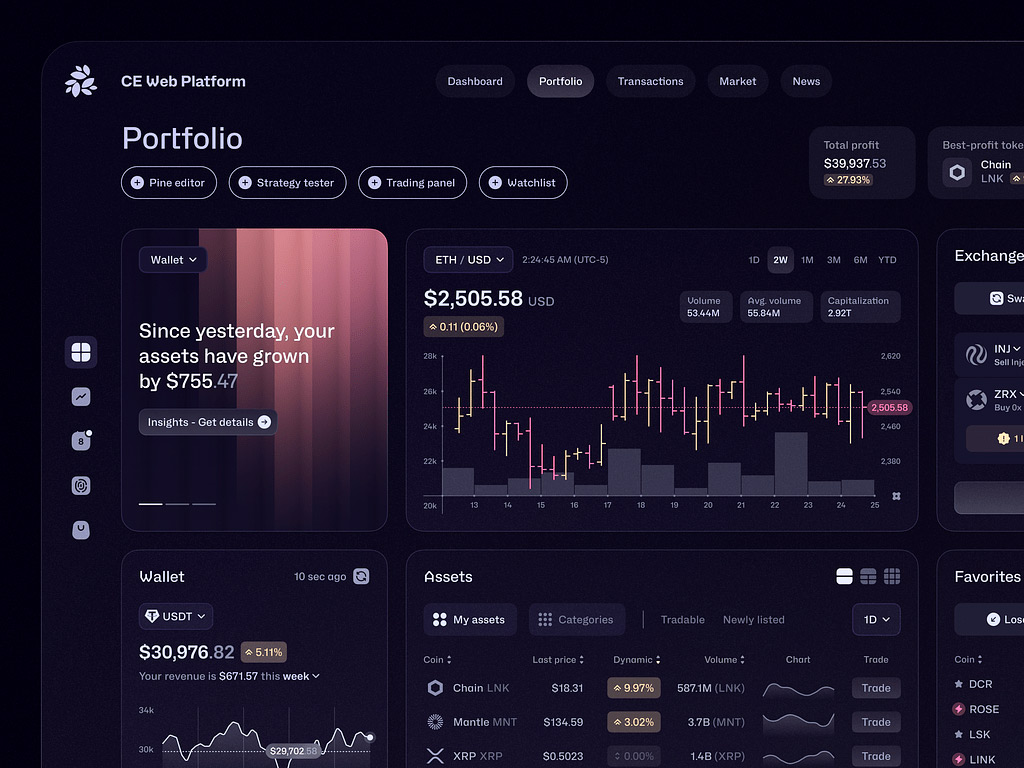
Crypto Exchange Web Platform by Conceptzilla
Core components of blockchain apps
So, what’s under the hood? If you’re opting for blockchain software development, you need to know the pieces of the puzzle. It’s a stack of technologies working together.
First up, smart contracts. These are the brains of the operation. They’re self-executing contracts with the terms written directly into code. If X happens, then do Y. No lawyers needed. They run on the blockchain and handle the logic of your app. Writing these is tricky, though. One bug and you can lose millions.
Then you’ve got decentralized storage. Blockchains are great for small bits of data, like transaction records, but they’re terrible for storing huge files like images or videos. It’s too expensive and slow. So, apps often use decentralized storage networks (like IPFS or Arweave) to hold the heavy stuff while just keeping a reference hash on the main chain. It’s a bit of a hybrid approach, but it works.
You can’t have a blockchain without blockchain nodes. These are the computers that keep the network running. They store copies of the ledger, validate transactions, and execute smart contracts. When you build an app, you either run your own nodes (which gives you more control but is a pain to maintain) or you use a node provider service. Most startups go with the provider route at first because, well, managing infrastructure is a full-time job in itself.
Crypto wallet integrations are your gateway to the user. In Web2, you log in with email and password. In Web3, you connect a wallet like MetaMask or Phantom. This wallet holds the user’s keys and signs transactions. Getting this flow right is crucial. If it’s clunky, users bounce. Many great apps fail just because the wallet connection process was a nightmare. It needs to feel smooth, even if the crypto stuff happening behind the scenes is complex.
And finally, the frontend applications. This is what the user actually sees and clicks on. It looks like a normal website or mobile app, built with React, Vue, or whatever framework your team likes. But instead of talking to a central API, it talks to the blockchain through those wallet connections and node providers. It’s the bridge between the human world and the decentralized one. Getting this layer to feel responsive during dApp development is tough because blockchains can be slow, but with the right design patterns, you can make it feel snappy enough.
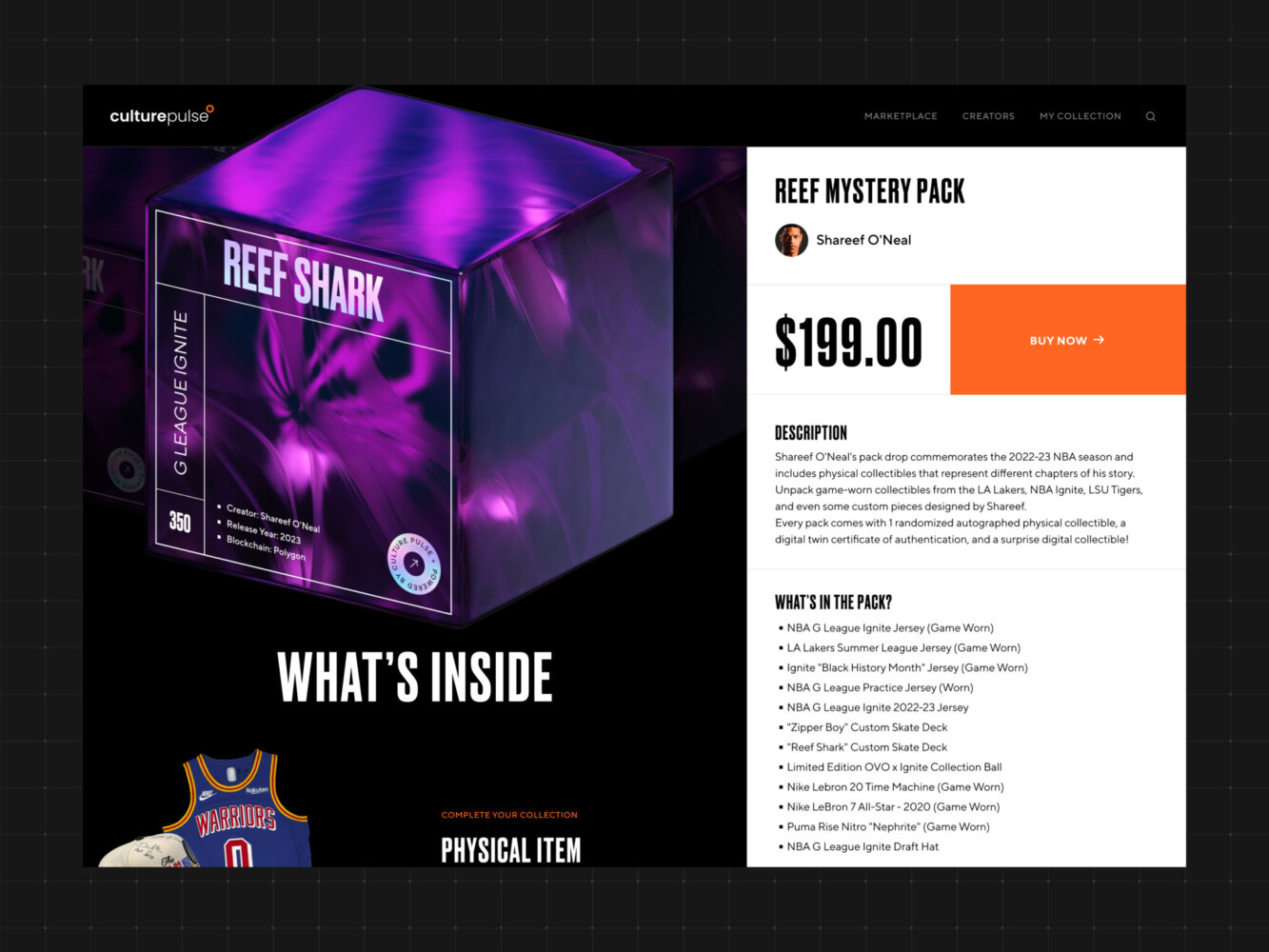
Cultupulse by Conceptzilla
Key Features of Blockchain Applications
What actually makes a blockchain app feel different from the regular web apps we’ve all been building for years? It’s a fundamental shift in how the software behaves. If you’re a founder or a product manager, these are the features you need to wrap your head around because they dictate your user experience and your risk profile.
Smart Contracts
You’ve probably heard this term a million times, but let’s be real about what it does. Smart contracts are basically the engine room of your application. They automate transactions and business logic without needing a human to hit “approve.” Like vending machines: you put money in, you press a button, and out comes the soda. No clerk, no negotiation.
In my experience, this is where the magic of “trustless” execution happens. And I don’t mean “trustless” like you can’t trust anyone; I mean you don’t need to trust the other party. In blockchain app development, the code enforces the agreement. If the conditions are met, the transaction happens. Period. This removes so much friction. No more waiting for banks to clear funds or lawyers to verify signatures. But—and it’s a big but—since the code is law, you better make sure it’s bug-free.
Decentralized Infrastructure
Here’s where things get interesting technically. Traditional apps live on servers owned by Amazon, Google, or some private data center. If that server goes down, your app is dead in the water. Blockchain apps run on decentralized infrastructure. The data is distributed across hundreds, sometimes thousands, of nodes worldwide.
Why does this matter to you as a business leader? Two words: resilience and transparency. Because the data is copied everywhere, there’s no single point of failure. Hackers can’t just take down one server to kill your platform. Plus, since every node has a copy of the ledger, it’s incredibly hard to fake data.
Everyone sees the same truth. Decentralized application development improves security in a way that centralized databases just can’t match. Sure, it can be a bit slower sometimes because all those nodes need to agree, but the trade-off for having a system that literally cannot be censored or easily shut down? For many use cases, it’s totally worth it.
Wallet Integrations
In Web2, users sign up with an email and password. Maybe they use “Log in with Google.” Simple. In Web3, users connect crypto wallets.
The wallet is their identity, their login, and their signature all rolled into one. When a user connects MetaMask or Phantom to your app, they’re essentially saying, “Here’s who I am, and I authorize you to interact with my assets.” It’s a huge shift in power. The user owns their data, not you.
From a product perspective, this flow needs to be buttery smooth. If connecting a wallet feels like defusing a bomb, people will leave. Great projects lose 50% of their potential users just because the wallet connection UX was clunky. Secure wallet infrastructure is a little annoying to build, honestly, because every wallet behaves slightly differently, but getting it right is non-negotiable.
Tokenization
Many blockchain platforms issue tokens. These aren’t just “crypto coins” for speculation. Tokens represent something real. They could be digital assets, like a piece of art or a share in a property. Or they could be governance rights, letting holders vote on how the platform evolves.
Tokenization changes the game for community building. Instead of just having users, you have stakeholders. People who own a piece of the network are way more likely to stick around and help it grow. It aligns incentives in a way traditional equity or loyalty points just can’t. But be careful here. Designing a token economy is tricky. Get the math wrong, and you can end up with hyperinflation or a dead ecosystem.
Data Transparency and Security
Once something is written to the blockchain, it’s immutable. That means it’s carved in stone. In blockchain application development, you can’t go back and edit a transaction record because you made a mistake or someone complained.
For industries like supply chain or finance, this is gold. You have an audit trail that nobody can tamper with. It builds a level of trust that’s hard to achieve otherwise. Users know that the rules haven’t changed behind their backs.
Of course, this permanence is a double-edged sword. If you leak sensitive data on-chain, it’s there forever. So, you have to be super careful about what you store directly on the ledger versus what you keep off-chain.
It’s a little stressful thinking about it, but once you design your financial data monitoring systems with this in mind, the security benefits are massive. It really helps to sleep better at night knowing your data integrity is mathematically guaranteed.
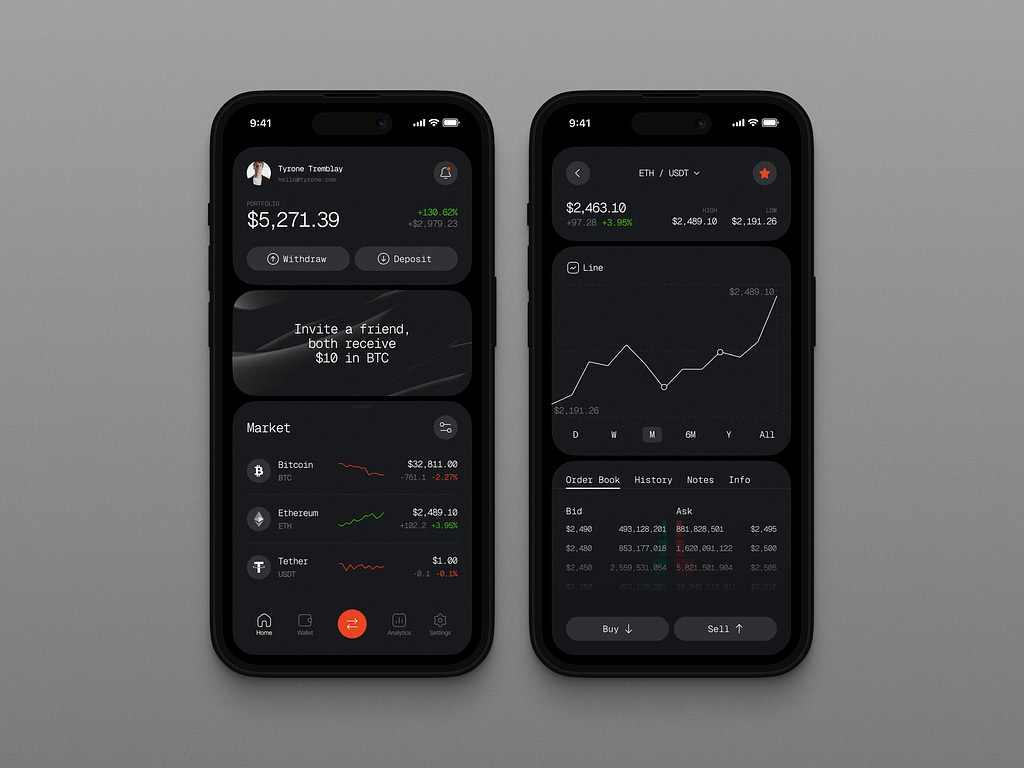
Crypto App Design Concept by Conceptzilla
Blockchain App Development Process
Alright, so you know what you want to build and why. Now comes the hard part: actually building it. Many teams rush this stage, thinking they can just slap a blockchain onto a regular app and call it a day. But that doesn’t work. The development process for Web3 is distinct, a bit more rigorous, and honestly, requires a different mindset. Let’s walk through the steps, real talk.
1. Product Strategy and Use Case Definition
You need to stop and ask the tough question: “Do we actually need a blockchain here?” It sounds obvious, but you’d be surprised how many founders skip this. The biggest mistake is trying to force decentralization where a simple database would do just fine. Blockchains are slower and more expensive to run. If your use case doesn’t strictly require trustlessness, censorship resistance, or shared ownership, maybe stick to Web2.
But if you’re sure, then great. Define the use case clearly. Are you solving a transparency issue in the supply chain? Creating crypto trading platforms? Once you pin that down, you can decide on the architecture. Do you need a public chain like Ethereum, or would a private consortium chain work better for your enterprise clients? Getting this wrong at step one is like building a house on the wrong plot of land; everything else will be a struggle.
2. UX/UI Design for Web3 Applications
Making things look pretty isn’t enough for designing in web3 app development. You need to translate complex cryptographic concepts into something your grandma could understand. You’re designing interfaces for interacting with blockchain networks, which means dealing with wallet connections, gas fees, transaction confirmations, and hash IDs.
The focus has to be on usability and transparency. Users are nervous. They’re scared of sending money to the wrong address or signing a malicious contract. Your UI needs to reassure them. Show them exactly what they’re signing. Make error messages human-readable, not just “Error 0x543.” Small details matter immensely here.
3. Choosing the Technology Stack
Okay, time to pick your tools. The stack looks a bit different than a standard web app.
For smart contracts, you’ve got two main contenders. Solidity is the old reliable, used by Ethereum and most EVM-compatible chains. It’s got a huge community and tons of docs. Then there’s Rust, which is gaining massive traction, especially on Solana and Near. It’s faster and safer memory-wise, but the learning curve is steeper. Pick based on your target chain and team skills.
On the backend, you still need traditional servers for off-chain data and indexing. Node.js is super common here because it plays nice with Web3 libraries. Python (often with FastAPI) is also a solid choice, especially if you’re doing heavy data analysis or AI integration alongside the blockchain stuff.
For the frontend, it’s business as usual mostly. React is the king here; almost every major dApp uses it. Vue is a good alternative if your team prefers it. The difference is you’ll be hooking these up to wallets instead of just REST APIs.
And don’t forget infrastructure. You’ll likely containerize everything with Docker and orchestrate it with Kubernetes, especially if you’re running your own nodes or indexers. It keeps things scalable and manageable when traffic spikes.
In case you are absolutely puzzled, hire experienced blockchain developers for a consultation.
4. Smart Contract Development
This is the heart of your beast. Developing smart contracts is high-stakes coding. Unlike regular software, if you bug out here, people lose real money. There’s no patching it later without a migration plan, which is a headache.
For automated financial platforms, you develop the logic, test it locally, and then deploy it to a testnet. However, you cannot skip security. You need rigorous testing: unit tests, integration tests, fork tests against the mainnet state, etc. Then, an audit is a must. Never launch unaudited contracts. It’s like launching a plane without checking the engines. Sure, it might fly, but do you want to bet millions on it?
5. Blockchain Network Integration
You need to integrate your app with the actual blockchain network. Whether it’s Ethereum for maximum security and liquidity, Polygon for lower fees, or Solana for speed, each has its quirks. You’ll use providers like Alchemy or Infura to talk to these chains without running your own nodes (at least initially).
This stage in custom blockchain development also involves wiring up those wallet connections we talked about. Making sure MetaMask, WalletConnect, Phantom, etc., all play nice with your frontend. If you’re storing large files, you’ll hook up decentralized storage like IPFS or Arweave. Crypto payment infrastructure has a lot of moving parts. Sometimes a library updates and breaks your connection. A little annoying, but you get used to debugging these integration issues over time.
6. Testing and Security Audits
I mentioned audits earlier, but let’s give this its own spot because it’s that important. Before you go live, you need a full sweep.
Smart contract audits by reputable firms are non-negotiable. They’ll tear your code apart looking for reentrancy attacks, overflow errors, and logic flaws. Listen to them. Fix everything.
Then, platform performance testing. How does your app handle 1,000 concurrent users? What if gas prices spike? Does the UI freeze? Finally, general security and vulnerability testing on the web2 side too. Your smart contracts might be Fort Knox, but if your frontend server gets hacked and serves malicious code, you’re still toast. It’s a holistic effort.
7. Deployment and Maintenance
Launch day! Hopefully, you’ve done your homework. Once those contracts are on the mainnet, they’re largely immutable. If you find a critical bug, you might need to deploy a whole new version and migrate users, which is messy.
So, monitoring system performance is key. Keep an eye on transaction success rates, gas costs, and node health. And maintenance is ongoing. You’ll need to update your frontend, manage your infrastructure, and maybe even upgrade your contracts via proxy patterns if you built them that way.
In Web3, maintenance is where you prove your long-term reliability.

Crypto Trading Mobile App by Conceptzilla

Cost of Blockchain App Development
I know, nobody likes discussing budgets until they have to sign a check, but with blockchain, guessing the cost is a recipe for disaster. Building on-chain is fundamentally different—and often more expensive—than standard web development. It’s about risk management, specialized talent, and infrastructure. So, what actually drives the price tag up or down?
Key Factors Affecting Development Cost
First off, the complexity of smart contracts. This is usually the biggest variable. A simple token transfer contract? That’s cheap. But if you’re building a complex DeFi protocol with yield farming, liquidity pools, and governance voting logic, the code becomes exponentially harder to write and, more importantly, to secure. You’re paying for senior blockchain developers who understand the nuances of gas optimization and reentrancy attacks.
Then there’s blockchain network selection. Where you build matters. Developing on the Ethereum mainnet is expensive because gas fees are high, and testing requires real ETH (or careful use of testnets). Of course, if you use something like a Layer 2 like Polygon or a high-speed chain like Solana, that’s going to change your development environment.
You might need developers with specific knowledge of Rust instead of Solidity, and that can drive up costs based on supply and demand. Not to mention that some of these networks require that you run your own nodes for enterprise-grade reliability—that’s infrastructure costs right out of the gate.
And don’t forget to consider integration with financial systems. If your application needs to interact with the traditional world—for example, to accept credit cards to buy cryptocurrency, to connect to banking APIs to handle fiat on-ramps, or to pull data from legacy ERP systems—that’s going to be complex. Integrations between Web2 and Web3 are notoriously tricky. You have to build a secure tunnel between two very different worlds.
And finally, security requirements. This isn’t an area where you can cut corners. As we mentioned before, smart contract audits are mandatory. A professional audit from a top firm can cost anywhere from $10k to $50k+ depending on the code size. And that’s just one audit. Many serious projects do two or three. Add to that bug bounty programs, formal verification, and ongoing security monitoring, and you’re looking at a significant chunk of your budget. But it’s the best insurance policy you can buy.
Example Development Scenarios
In order to make this clearer, let’s look at two common scenarios for blockchain software development. Remember, these are rough estimates and can change wildly depending on your location and needs.
MVP Blockchain Application
Let’s assume that you want to build an MVP application. This application could be an NFT marketplace for a specific community or a staking application. You want to build this application to be clean and simple, with wallet integration and basic smart contracts (using open-source code and making minor modifications). You want to deploy this application on either a testnet or a cheap mainnet.
- Team: 1-2 blockchain developers, 1 frontend developer, and 1 designer.
- Timeline: 2-3 months.
- Cost: This is likely to be in the range of $40,000 to $80,000.
You want to get to market quickly and test the waters. You are not building something new and innovative. You are validating your idea. You are keeping it simple and basic and maybe a little rough around the edges, but it works!
Enterprise Web3 Platform
Let’s say that there’s a big supply chain company that wants to have a way to track goods all over the world with immutable records and integration with their existing SAP system. This includes role-based access controls, private transactions, and a consortium blockchain.
- Team: Dedicated team (3-5 senior blockchain architects, backend developers, DevOps, security experts, UX researchers).
- Timeline: 6-12 months (or more).
- Cost range: Easily $250,000 to $500,000+.
In this case, you are paying for customization, high levels of security, compliance, scalability, and integration with legacy systems. This is a rebuild of a critical business process. This is a high-risk situation, so the cost must be high enough to meet these requirements.
Now, blockchain application development isn’t cheap. However, it doesn’t have to be a money pit if done right. You need to understand what your scope is, prioritize high levels of security, and don’t be afraid to build small with an MVP. Better to have a solid foundation of a small application than a big application that’s going to be shaky at best.
The two blockchain app scenarios above, side by side:
| Scenario | MVP blockchain application | Enterprise Web3 platform |
| Example | NFT marketplace for a specific community or a staking app | Global supply chain tracking with immutable records and SAP integration |
| Scope | Wallet integration, basic smart contracts built on open-source code; testnet or cheap mainnet | Role-based access controls, private transactions, consortium blockchain |
| Team | 1-2 blockchain developers, 1 frontend developer, 1 designer | 3-5 senior blockchain architects, backend developers, DevOps, security experts, UX researchers |
| Timeline | 2-3 months | 6-12 months (or more) |
| Cost | $40,000 to $80,000 | $250,000 to $500,000+ |
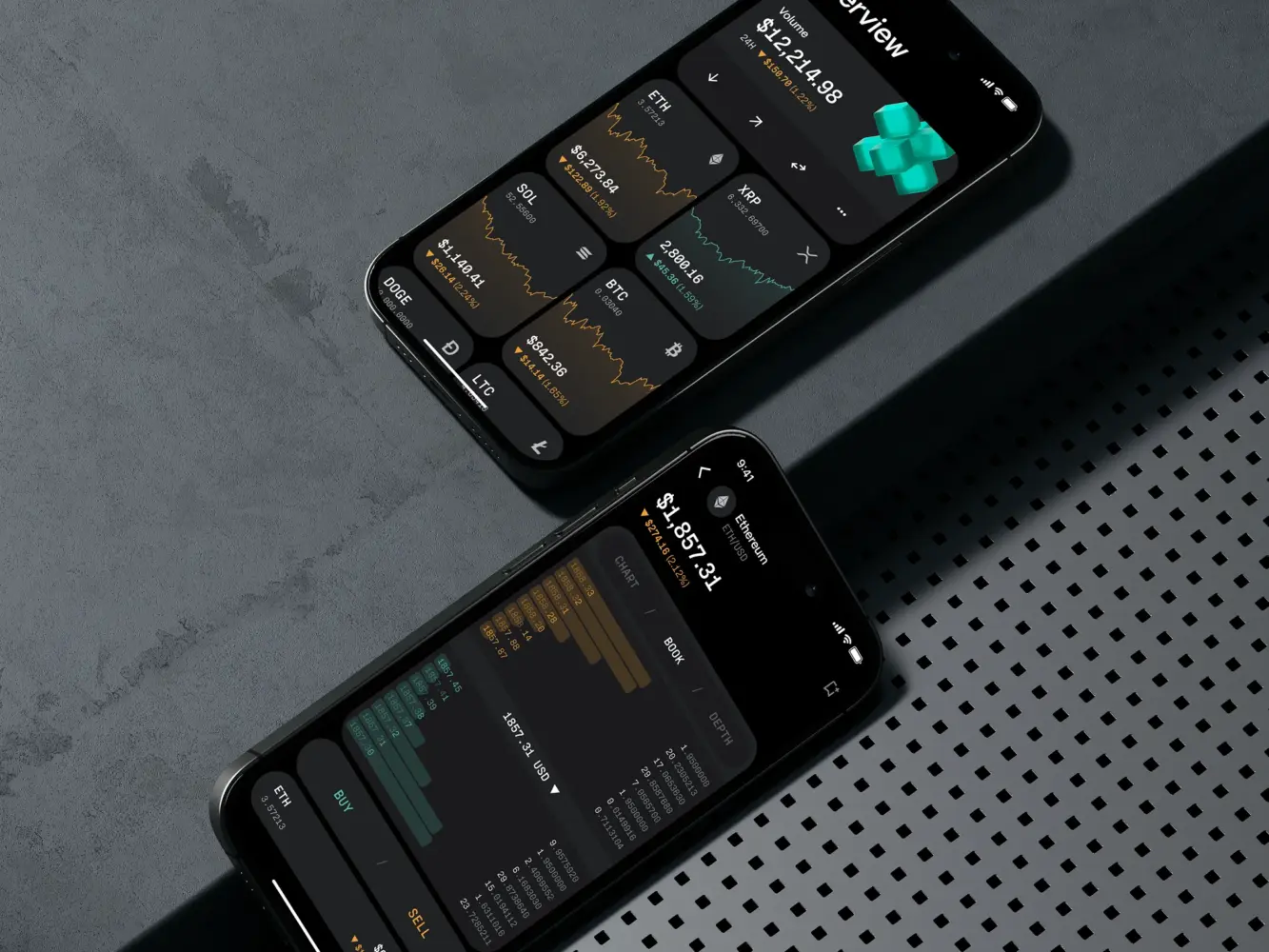
Crypto Trading Mobile App by Shakuro

Common Challenges in Blockchain App Development
Smart Contract Vulnerabilities
With traditional software applications, if there’s an error with your code, you can always fix it by rolling out a new version, and your users can refresh their browsers. With blockchain applications? Forget about it. Your application is out there forever. If there’s an error with your logic, hackers will find it.
This is why security is the whole mindset. You need rigorous auditing, AI-powered financial analytics systems, formal verification, and maybe even bug bounties before you launch. It adds time and cost, sure, but the alternative is losing everything. It’s a little stressful, honestly, knowing that your code is handling real money with no safety net.
Scalability Limitations
Here’s another pain point: speed and cost. Public blockchains like Ethereum are secure, but they aren’t exactly fast. When the network gets busy, transaction fees (gas) skyrocket, and confirmation times slow to a crawl. Imagine trying to build a game where every move costs $5 and takes 30 seconds to process. Users would bounce immediately.
In custom blockchain development, you usually have to pick two out of three: security, decentralization, scalability. Most chains prioritize the first two, leaving you to figure out the third. You’ll likely need to look into Layer 2 solutions (like Optimism or Arbitrum), sidechains, or app-specific chains to make your app usable at scale. It adds architectural complexity because you’re managing a multi-layered infrastructure. It’s doable, definitely, but it requires careful planning.
Blockchain Interoperability Challenges
The blockchain world is fragmented. You’ve got Ethereum, Solana, Cosmos, Polkadot, Avalanche, etc. The list goes on. And guess what? They don’t naturally talk to each other. An asset on Ethereum doesn’t just magically appear on Solana.
If your vision involves users moving assets across chains or pulling data from multiple networks, you’re entering the wild west of interoperability. Bridges are the usual solution, but let’s be real: they are notorious hacking targets. Some of the biggest exploits in crypto history happened on cross-chain bridges.
At the same time, building secure, reliable bridges is incredibly complex. You can use interoperability protocols like Chainlink CCIP or LayerZero, but integrating them adds another layer of dependency and potential failure points.
It’s a bit of a mess right now, to be honest. The industry is working on it, but until we have a universal standard, you’ll have to tread carefully here.
UX Issues in Web3 Applications
UX in Web3 is, well, rough. For the average person, connecting a wallet, managing seed phrases, approving transactions, and paying gas fees is confusing and intimidating. In Web2, you click “Sign up with Google” and you’re in. In Web3, you install a browser extension, write down 12 words on a piece of paper, fund the wallet, and then pray you don’t send funds to the wrong network.
If your onboarding flow isn’t silky smooth, you’ll lose 90% of your potential users before they even try your product. Amazing dApps with zero traction simply because the UX was too clunky. People care about solving their problem. If the tech gets in the way, they leave.
Fixing this requires creative solutions: account abstraction (so users don’t need to manage keys directly), gasless transactions (where the app pays the fees), and super clear error messages. You agree, nobody wants to feel like they need a PhD in cryptography just to buy a digital item, right?
Dealing with these challenges doesn’t mean you should never try your hand at decentralized application development. It just means you should try with your eyes wide open. Be prepared to think about security, scalability, and interoperability, and above all, user experience. It’s a tough climb, but the view from the top is well worth the trouble.

Abyss Crypto Management App by Conceptzilla
Our Experience in Blockchain and Web3 Development
Shakuro has not simply watched the Web3 world develop and change over the past few years. We have lived and breathed it, coding the infrastructure that makes it all happen.
We have evolved from a small group of developers to a company that helps entrepreneurs and organizations make complex decentralized concepts a reality. We have seen the hype come and go—the NFT craze, the DeFi summer, the bear markets. We have seen it all, and through it all, we have stayed focused on what matters: building software that works, that scales, and that is secure.
Here’s where we’ve really cut our teeth:
Decentralized Finance (DeFi) Platforms
Building a DeFi protocol isn’t like making a standard banking app. The margins for error are zero. We’ve helped launch lending platforms, built staking dashboards, and created liquidity pools that run automatically via smart contracts.
We know how to structure these systems so they’re efficient on gas, resistant to common attacks, and intuitive enough that non-crypto natives can actually use them. It’s high-stakes engineering, and honestly, it’s exhilarating to see these economies run live.
Digital Asset Ecosystems
We’ve built comprehensive digital asset ecosystems for artists, gaming studios, and brands. This is about creating the whole marketplace infrastructure. Our team has developed platforms where creators can drop collections, manage royalties automatically, and even tokenize physical assets. We understand the metadata standards, the storage solutions (like IPFS and Arweave), and the legal nuances of digital ownership. Whether it’s a play-to-earn game economy or a ticketing system that kills scalpers, we’ve got the playbook.
Scalable SaaS Products
A lot of “Web3” projects fail because they ignore basic SaaS principles. They build a cool smart contract but forget the dashboard, the analytics, the user management. At Shakuro, we bridge that gap.
We develop scalable SaaS applications that operate on top of blockchain networks. These include things like DAO treasury management interfaces, analytics platforms for blockchain-based data analysis, customer interfaces for enterprise clients, and much more. We bring our years of traditional web application development best practices—good architecture, responsive UIs, strong backend logic—to the messy world of Web3. So, products that are intuitive to use but harness the power of decentralized networks underneath.
Fintech Infrastructure
Lastly, we have significant experience in developing fintech infrastructure. We have created fiat on-ramps and off-ramps, KYC/AML workflows, custodial services, and much more.
Are you a bank or payment processor looking to get into crypto without having to redo your entire codebase? We’ve been there. We understand how to deal with all the regulatory complexity while still leveraging the power of blockchain.
Why does this matter to you? Because when you partner with us, you are getting a group that has already solved the hard problems in web3 app development. We’ve debugged the weird edge cases, optimized the gas costs, and designed the UX flows that convert. We know what breaks, and more importantly, we know how to fix it before it ever reaches your users.
Building in Web3 is an adventure, no doubt about it. But you don’t have to navigate the unknown alone. With Shakuro, you get a partner who speaks your language, understands your goals, and has the technical muscle to bring your vision to life.
Aurox: Create a Comprehensive Crypto Trading System
For Aurox, we’ve helped design and set up an entire ecosystem: trading terminal, website, and wallet app. They needed a flexible design that could work for multiple products and platforms. During our collaboration, we created easy-to-navigate workflows, explanatory elements, and dashboards to create a friendly UX for both beginners and professionals. As for coding, we followed international standards and best industry practices like KYC and GDPR to deliver a high level of security. Our frontend and backend teams closely collaborated with designers, speeding up time to market, which is crucial for startups.
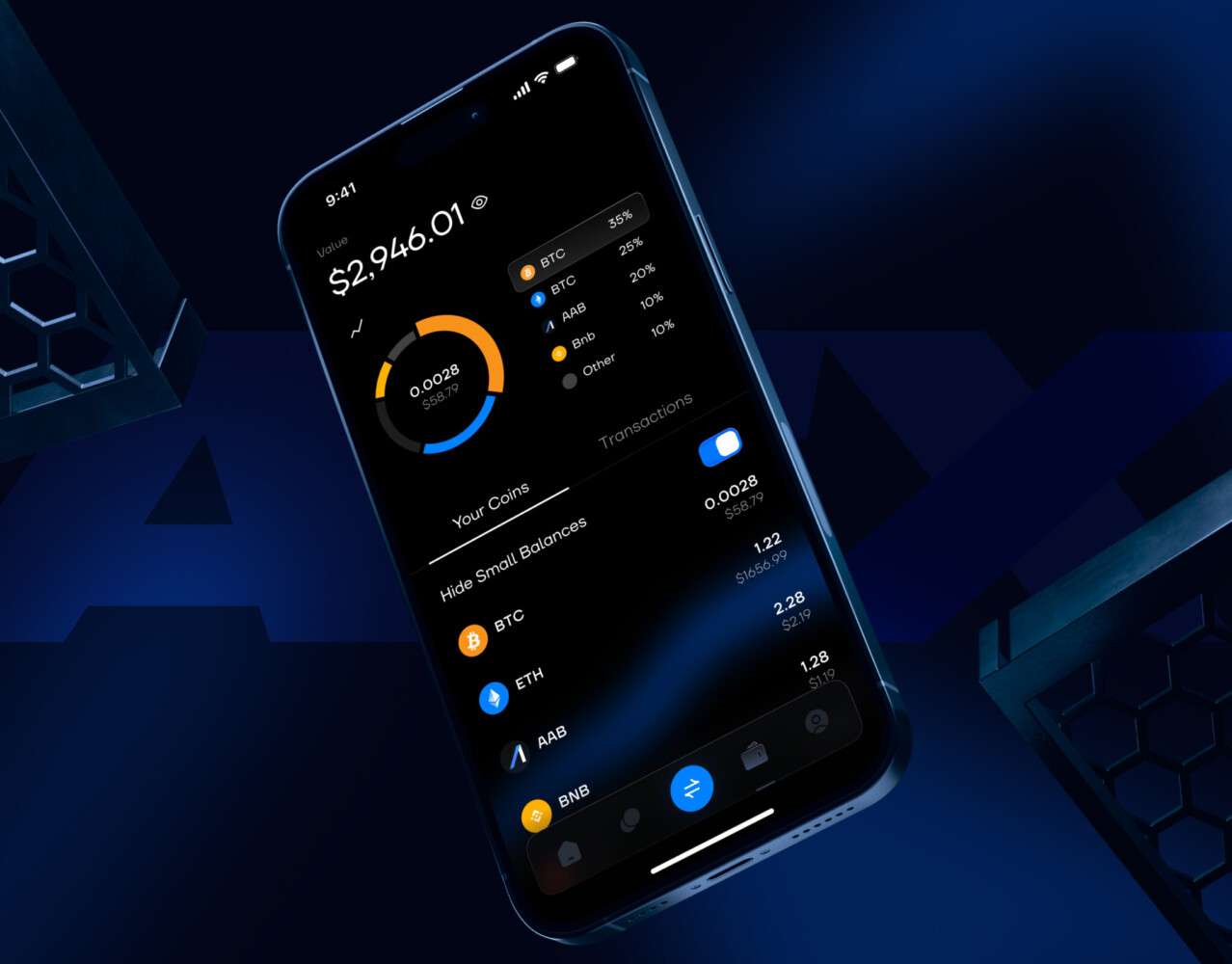
ATX: Build a Crypto Trading & Wallet App
ATX approached us to develop a mobile app that combined a saving account and a crypto trading wallet. The company wanted the tool to be pro-grade but without extra complexity. So we integrated a basic mountain chart together with intuitive flows to make the app easy to use. Also, our designers kept the numbers large when the asset prices changed for the sake of accessibility. This approach made the ATX app transparent, offering people a better control of financial resources.
Why Work with a Blockchain Development Company
Reading guides like this one is great. It gives you the map, the terminology, and the general vibe of what’s happening. But actually driving the car? That’s a whole different story. When you’re staring down the barrel of building a production-grade Web3 platform, the temptation to just hire a couple of freelance Solidity devs you found on Twitter (or X, whatever we’re calling it now) is real. It feels cheaper, faster, more agile.
You need to know this, though: dApp development is financial engineering mixed with high-stakes security. That’s why partnering with an experienced agency often makes way more sense than trying to cobble together a team from scratch.
Secure Smart Contract Development
First and foremost, let’s talk about safety. In Web2, a bug means a glitchy feature or a downtime incident. In Web3, a bug means losing millions of dollars in user funds. Permanently. There’s no “oops, let’s roll back the database.” Experienced blockchain developers live and breathe this reality. They write defensive code right from the start.
They have established processes for testing, auditing, and formal verification that freelancers often skip to save time or cut costs. They’ve seen the attack vectors: the reentrancy hacks, the oracle manipulations, the flash loan exploits—and they know how to build walls against them before you even launch.
The peace of mind alone is worth the premium. You are paying for the fact that they’ve already made the mistakes on other projects so you don’t have to make them on yours.
Scalable Web3 Architectures
It’s easy to build a dApp that works for five people. It’s incredibly hard to build one that works for five hundred thousand. Scalability in Web3 is a beast. You have to deal with gas optimization, layer-2 integrations, off-chain data indexing, and state management that doesn’t break the bank.
A seasoned blockchain development company has likely built scalable systems before. They know when to use a sidechain versus a rollup. They understand how to structure your data so your frontend doesn’t lag when the network gets congested. They’ve dealt with the growing pains.
If you try to figure this out as you go, you’ll probably end up having to rebuild your entire backend halfway through because your initial choice can’t handle the load. That’s expensive and demoralizing. Getting the architecture right from day one saves you so much headache down the road.
Experience With Multiple Blockchain Networks
Finally, the landscape changes fast. Last year, everyone was all-in on Ethereum. Then Solana had its moment. Now it’s all about Layer 2s like Arbitrum and Optimism, or new chains like Sui and Aptos. A specialized development company stays on top of these shifts. They aren’t tied to one technology stack.
They can give you unbiased advice on which network fits your specific use case. Do you need the liquidity of Ethereum? The speed of Solana? The low costs of Polygon? They’ve deployed on all of them. They understand the nuances of each environment, what toolset is needed, and how each community functions. If you bring in a dev that only knows Solidity, they may insist on forcing your project onto Ethereum even if it’s not necessarily the best choice. An experienced firm will help you make more informed decisions about which platform is best for you.
Listen, building a startup is already a crazy undertaking without trying to wrap your head around the intricacies of consensus algorithms and digital signatures. By working with a seasoned team, you can concentrate on your product, your users, and your vision, and they’ll handle the dirty work of ensuring that the ground beneath you is stable. Now, I know it’s not cheap, but in a world where one mistake could cost you everything, I think it’s the best investment you’ll ever make.
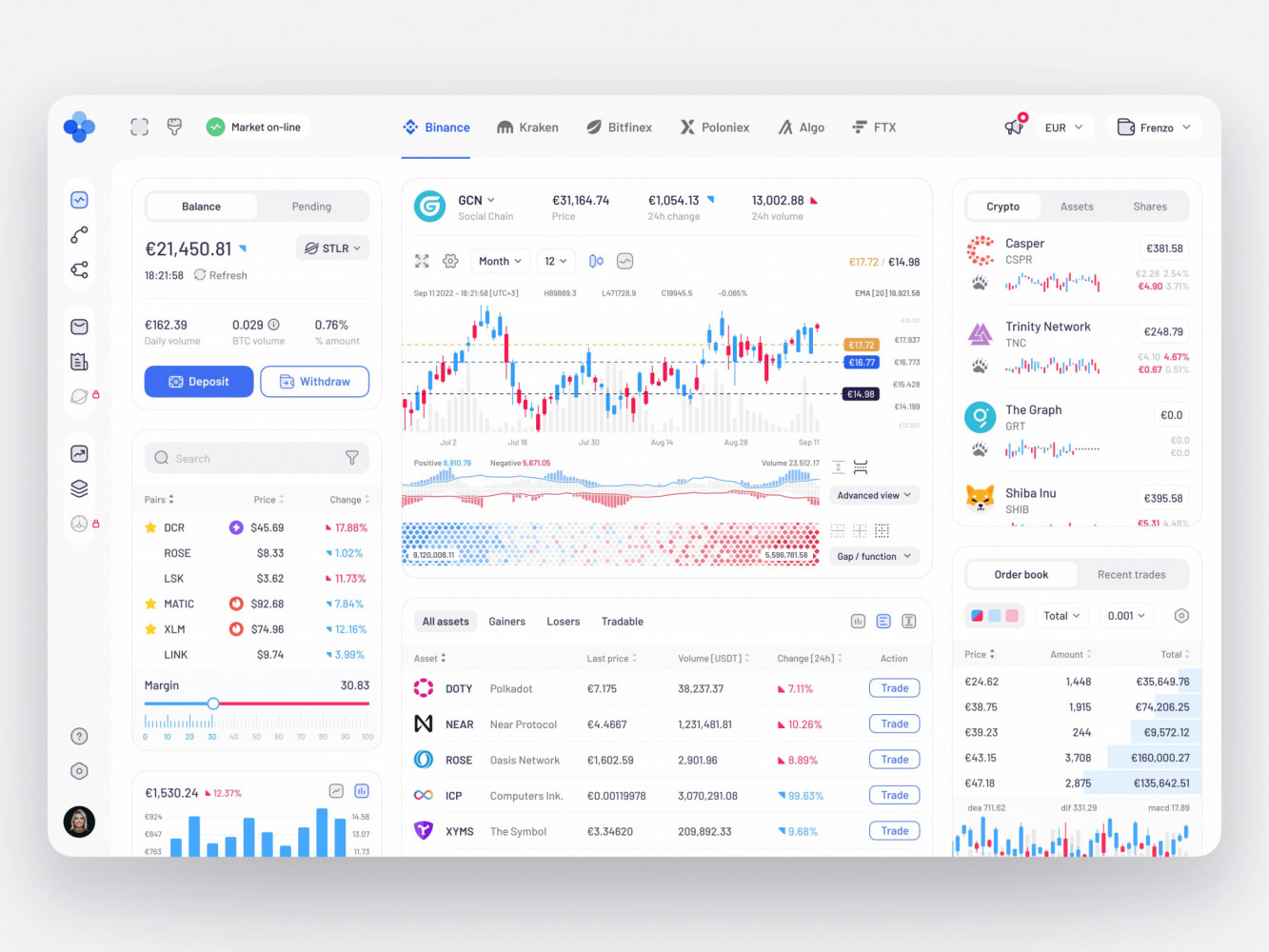
Crypto Trading Dashboard Design by Conceptzilla
FAQ
How much does blockchain app development cost?
An MVP blockchain app, such as a staking app or a community NFT marketplace built on open-source contracts, is likely to cost $40,000 to $80,000. An enterprise Web3 platform with a consortium chain, private transactions, and legacy system integration easily reaches $250,000 to $500,000+. Smart contract complexity, network choice, fiat integrations, and security work drive the difference, and a single professional audit can cost $10k to $50k+.
How long does blockchain app development take?
A simple blockchain MVP with wallet integration and basic smart contracts takes about 2-3 months. An enterprise platform, for example supply chain tracking with immutable records and an SAP integration, takes 6-12 months or more. Timelines stretch when contracts need multiple audits, when the app spans several networks, or when bridges and fiat on-ramps have to be built and tested.
What team does blockchain app development require?
An MVP can be built by 1-2 blockchain developers, 1 frontend developer, and 1 designer. An enterprise Web3 platform needs a dedicated team with 3-5 senior blockchain architects plus backend developers, DevOps, security experts, and UX researchers. Choose contract language skills by target chain: Solidity for Ethereum and EVM-compatible networks, Rust for chains such as Solana and Near.
When does a business actually need a blockchain app instead of a regular one?
A blockchain app is worth building only when the use case requires trustlessness, censorship resistance, or shared ownership. Blockchains are slower and more expensive to run than a regular database, so forcing decentralization onto a simple product is a common and costly mistake. Once the need is confirmed, decide between a public chain like Ethereum and a private consortium chain for enterprise clients.
What security work should be included in blockchain app development?
Budget for smart contract audits by reputable firms before any mainnet launch; many serious projects order 2 or 3 of them. Contracts also need unit, integration, and fork tests, and often formal verification and a bug bounty program. Deployed contracts are largely immutable, so a missed flaw can mean migrating users to a new version. The web frontend and servers need their own vulnerability testing too.
How do I choose a development partner for blockchain app development?
Pick a team that has deployed on several networks, so its advice on Ethereum, Solana, Polygon, or a Layer 2 is not biased toward one stack. Ask how they test and audit contracts, how they optimize gas, and how they design wallet onboarding. Check that they have scaled a dApp past a pilot and can handle fiat on-ramps and KYC/AML workflows.
Final Thoughts
Well, we have traversed quite a distance. From the spark of the idea to the nitty-gritty of smart contract logic, it has been quite a journey. If there is one thing I want you to remember after this journey, it is that blockchain application development is a process.
Let us recap the process we have followed. We have seen that the process begins with the idea, that defining moment when we see the world in all its glory and understand that there is a problem that can only be solved through decentralization. Of course, the idea is just that—an idea or a dream—until we define the architecture. This is the point at which we define the rules of the game. Then comes the hard work of defining the smart contracts that implement the rules. And then comes the crowning glory—the deployment of the smart contracts on the blockchain. It’s a linear path, but each step relies heavily on the one before it. Miss a beat in the architecture phase, and your smart contracts are going to struggle. Rush the testing, and deployment becomes a nightmare.
But what separates the projects that fizzle out after a month from the ones that become industry standards? First, strong security practices. You have to treat every line of code like it’s guarding a vault, because effectively, it is. Second, a scalable architecture. Building with scale in mind from day one saves you from painful rewrites later. And third, reliable blockchain integrations. The ecosystem is fragmented. Wallets change, networks upgrade, bridges get hacked. Your app needs to be robust enough to handle these shifts without breaking the user experience.
If you’re serious about building something that lasts, do yourself a favor: partner with experienced Web3 developers. Find a team that has skin in the game, that has seen the pitfalls of custom blockchain development, and knows how to navigate them.
Related reading