AI-built product audit and scale plan
You moved fast with AI. Now let’s find out what your product can safely become.
We review AI-built apps across product logic, UX, code structure, security, scalability, and redesign readiness, then give you a clear plan: keep, refactor, rebuild, or scale in phases.
- 5,063 reviewsProven client satisfaction and expertiseWith a 5-star rating on Clutch and over 62 reviews, our track record reflects our focus on effective, client-centric solutions.

 Design and front-end recognitionSelected Shakuro projects have been recognized on Awwwards for design craft, interaction quality, and front-end execution.
 Web design and production proofShakuro work has been recognized on CSS Winner for visual quality, development craft, and polished digital execution.
Working is not the same as ready

Your AI-built product works
AI-assisted development can move a product from idea to a working demo quickly, with visible features and core flows in place.
Looks ready
- Demo flow
- Polished UI
- Core features
- Early traction
- Payment setup
- Working code

That does not mean it is ready to grow
The harder question is whether real users, payments, data, redesign, and future developers can rely on that foundation.
Needs review
- Real user paths
- Scalable design system
- Product logic
- Analytics and attribution
- Billing, roles and access
- Long-term ownership
Platforms, models, and stacks we review
We choose tools that are stable, useful, and easy for future teams to understand. Trends come and go. A good codebase has to stay readable after the first launch.





Builders and workflows
Lovable, Bolt, Cursor, v0, Replit, Claude Code, custom AI-assisted builds.


Models and AI layer
OpenAI, Claude, Gemini, RAG / retrieval flows, agent logic, prompt-to-action product logic.






Product stack and integrations
React / Next.js, Python / FastAPI, C# / .NET, Ruby on Rails, Stripe, auth / RBAC, analytics, dashboards, SaaS systems.
What we audit before your AI-built product moves forward
We inspect the product from the inside out: user journeys, code structure, data flows, design foundations, security, and growth risks.
The goal is not to judge how it was built. The goal is to understand what can be trusted, what needs work, and what should happen next.
- Product logic and user flows
We look beyond the happy path. AI-built MVPs often prove the idea, but real users quickly expose missing states, unclear rules, and flows that were never fully designed.
- User roles and permissions
- Core paths and edge cases
- Missing states and decision points
- Flows that block conversion or onboarding
- UX, conversion, and analytics
We review how users understand the product, where conversion paths break, and whether analytics can explain what is actually happening after launch.
- Onboarding and key conversion paths
- Form, signup, payment, or lead flow friction
- Event tracking and attribution gaps
- Unclear product messaging or user intent
- Frontend and design readiness
We check whether the interface is only visually presentable or actually ready for redesign, iteration, and product growth.
- UI consistency and reusable patterns
- Responsive behavior and edge states
- Design system readiness
- Frontend maintainability and handoff risk
- Backend, data, and integrations
We inspect the technical foundation behind the product: APIs, database structure, integrations, data ownership, and the parts that future teams will need to maintain.
- APIs, webhooks, and third-party integrations
- Database structure and migrations
- Data ownership and sync logic
- Code readability and future handoff risk
- Security, performance, and scalability
We look for the risks that usually appear before growth: access boundaries, sensitive data handling, performance limits, deployment flow, and monitoring gaps.
- Auth, sessions, secrets, and access boundaries
- Performance and stability risks
- Deploy flow, rollback, and monitoring
- Scalability concerns before traffic or funding
You need more than a bug list.
You need a decision
AI-assisted development can move a product from idea to demo incredibly fast. But before you redesign, scale, raise funds, or invest in acquisition, the product needs a deeper look at its architecture, UX, data, and growth readiness.

Keep
Current foundation is usable. Improve specific risks and continue in phases.
Refactor
Product idea is valid, but parts of the codebase, UX, data model, or UI system need restructuring.

Rebuild
Prototype proved the concept, but production work should start from a cleaner foundation.

Redesign first
If lead/conversion/product clarity is the main issue, fix UX and positioning before deep engineering.
Let's discuss auditing your AI-built product
Backed by 150+ specialists and 19 years of results
A clear audit report, not a pile of observations
You get a practical decision-making package: what is working, what is risky, what should be improved first, and what it may take to move the product from AI-built MVP to a scalable product.
Useful before redesign, fundraising, hiring developers, paid acquisition, or scaling a product that moved from AI-built demo to real users.
Executive audit summary
A concise overview for founders and stakeholders: product state, key risks, strongest opportunities, and recommended next move.
Product and UX findings
Notes on user flows, conversion paths, analytics gaps, redesign readiness, and the experience issues that may block growth.
Technical risk map
A structured view of architecture, backend, frontend, integrations, security, data handling, performance, and scalability concerns.
Keep, refactor, or rebuild recommendation
A clear recommendation on what can stay, what needs cleanup, and what should be rebuilt before serious investment or growth.
30/60/90-day roadmap
A prioritized action plan with short-term fixes, deeper improvements, and product/technical milestones for the next stage.
Implementation estimate and handoff plan
A rough estimate for the work ahead, plus an optional handoff plan for Shakuro or your internal team to continue with confidence.
A focused audit process from access to action plan
We keep the process lean: understand the product, inspect the foundation, identify the risks, and turn the findings into a clear roadmap your team can act on.

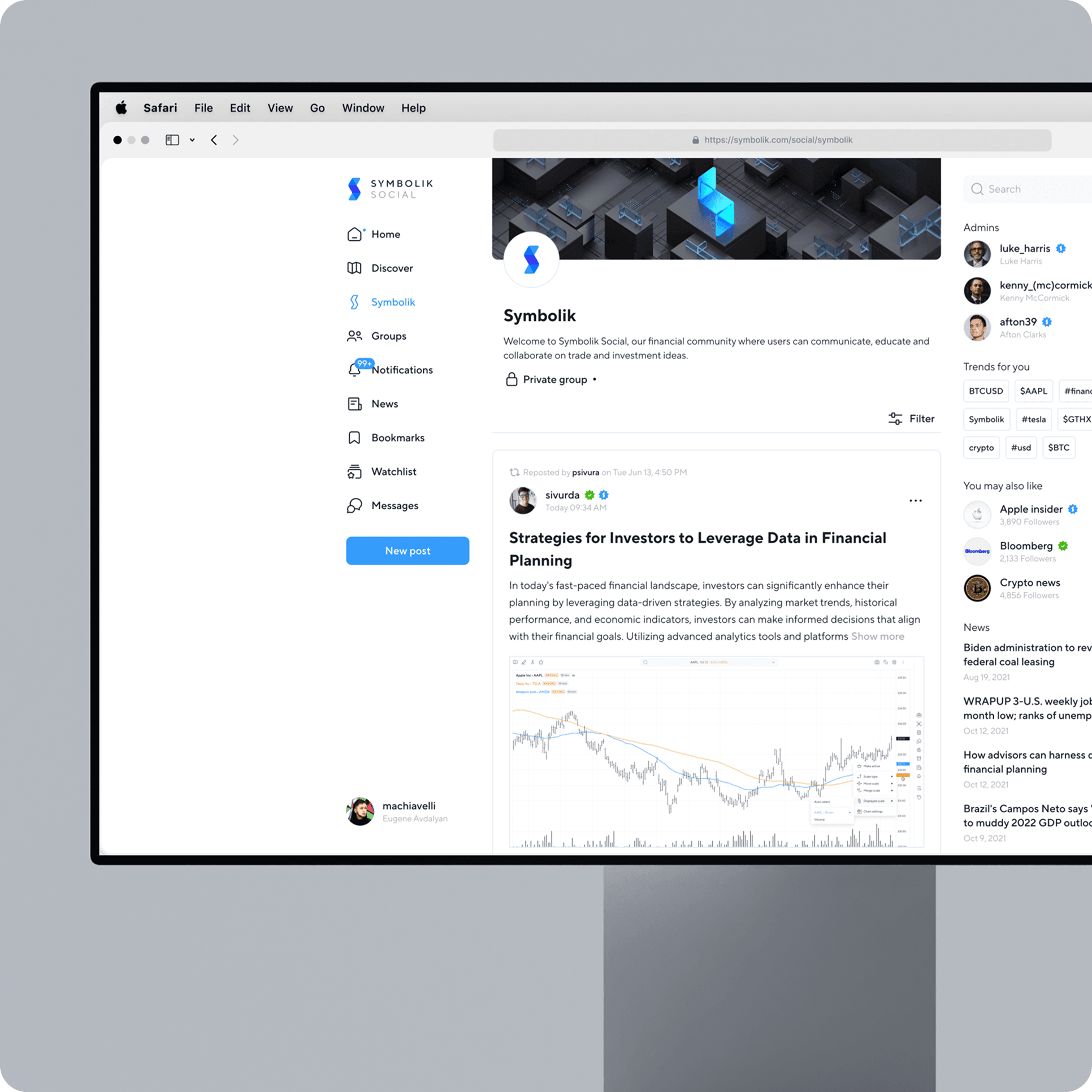
Crafting Symbolik Social: a financial community platform
Designing and developing an intuitive social experience for market professionals, enabling real-time collaboration and discussions.
Shakuro does a phenomenal job at asking the right questions, and by understanding our needs, they define what needs to be created.T.J. DeMarkPresident, Symbolik

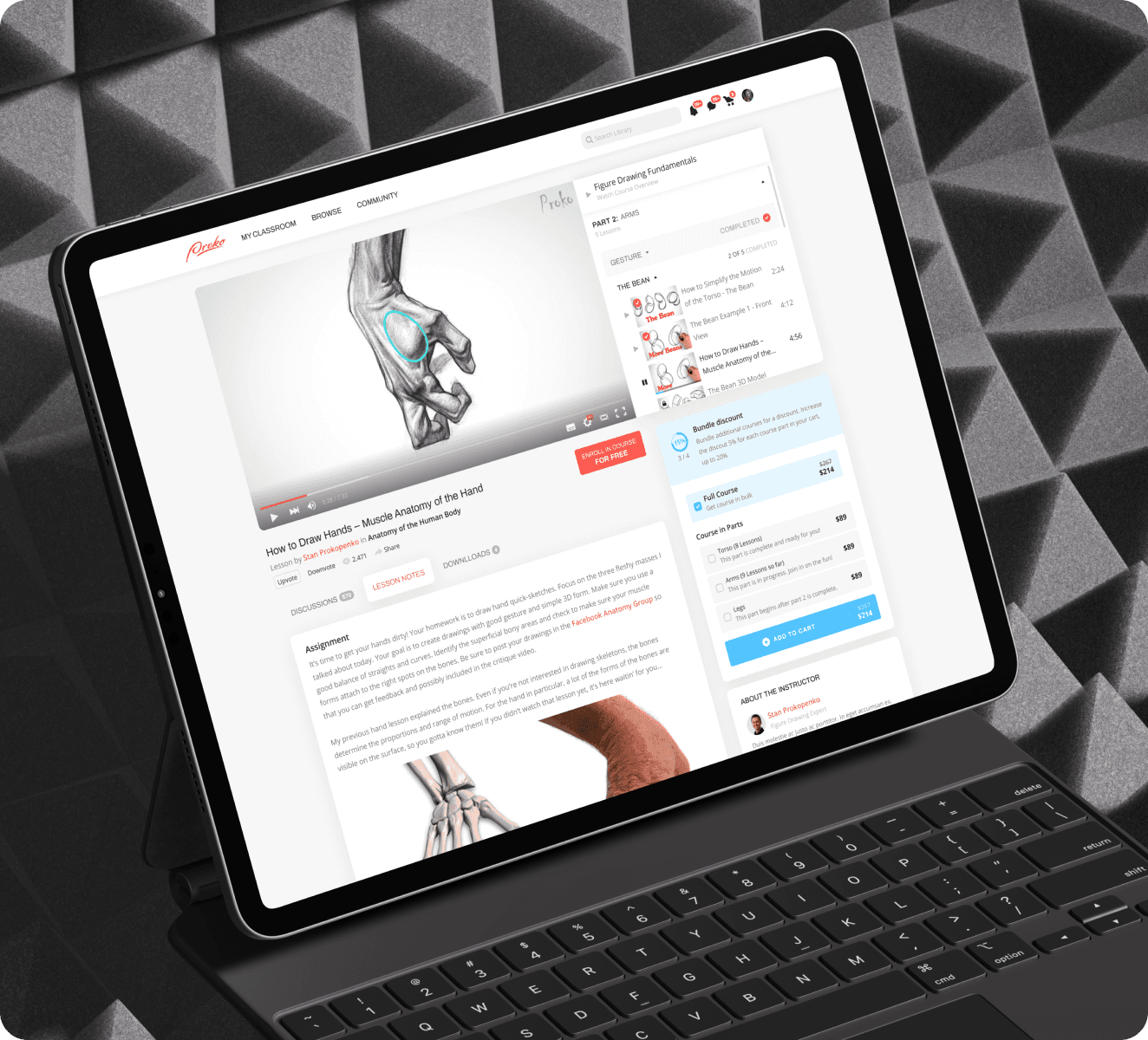
Art education platform that makes learning fun again
Proko, an educational web platform for artists by artists, outgrew its original magnitude and required a major transformation. Together with Shakuro, they turned into a full-scale e-learning and communication platform.
Their organization and skill level are excellent. Shakuro hires very skilled developers who know what they’re doing so they don’t waste time.Stan ProkopenkoFounder, Proko
.svg)
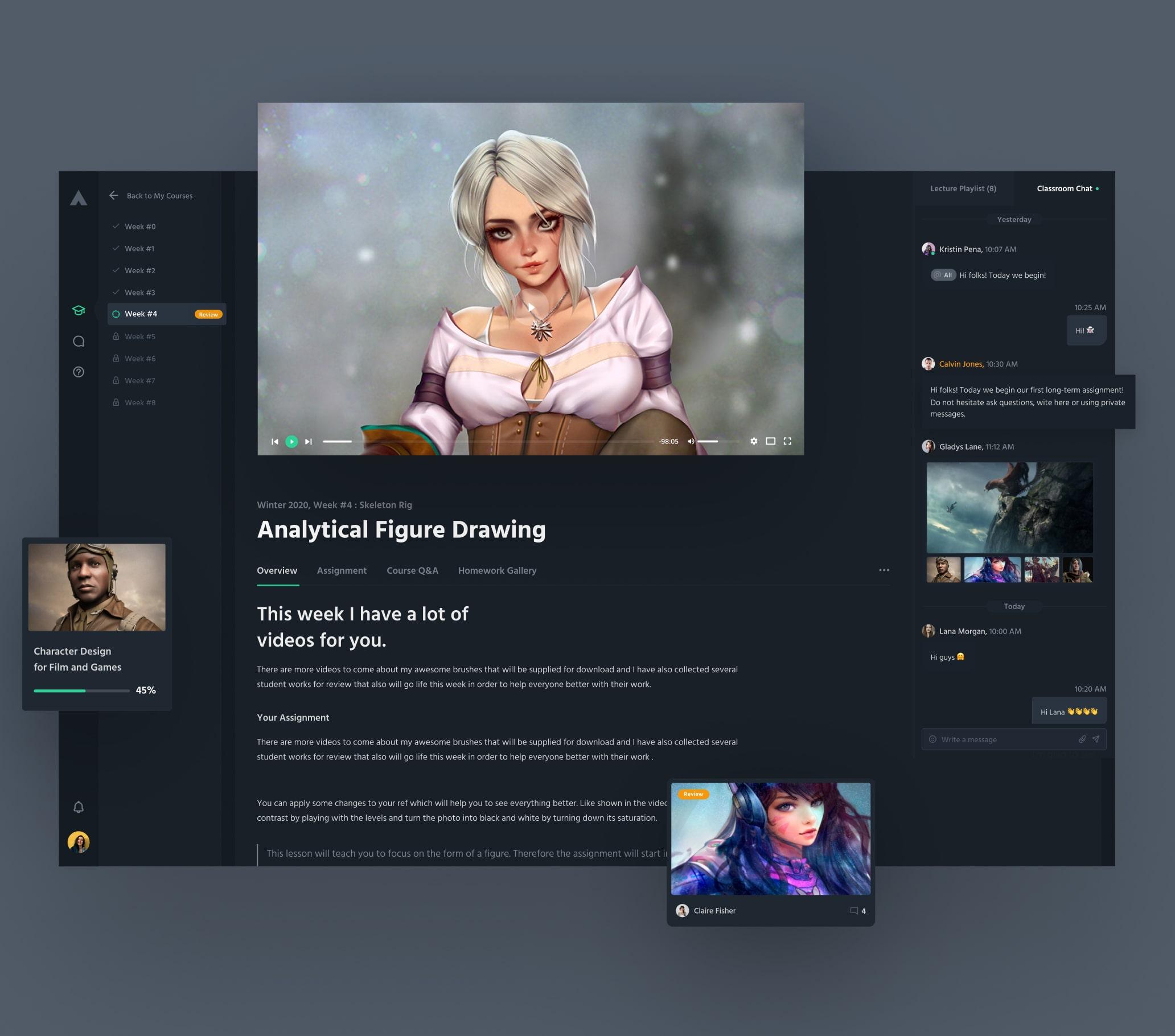
Designed and developed a virtual classroom platform
Discover how we helped CG Master Academy unlock their business potential and become the leading provider of online digital art education, creating a superior virtual learning environment.
The team's timely, cost-effective, and consistent high-caliber work sets them apart.Manny FragelusOwner & CEO, CG Master Academy
Industry awards & recognitions
Shakuro is recognized by platforms like Clutch, GoodFirms, and Dribbble for building high-quality digital products across design, development, and product delivery.




“Our members loved the new iOS app. Our ratings shot up in the App Store from a 3.8 rating to a 4.8 rating”

What is an AI-built product audit?
An AI-built product audit is a structured review of a product created with AI-assisted tools, builders, or fast prototype workflows. We inspect product logic, UX, code structure, data flows, integrations, security, analytics, and growth readiness, then recommend what to keep, refactor, redesign, or rebuild.
Is vibe coding bad for startups?
No. Vibe coding can be useful for exploration, demos, and early validation. The risk starts when a fast AI-built demo becomes a real product without checking architecture, ownership, permissions, edge cases, analytics, and maintainability.
Can you scale an app built with AI tools?
Yes, but only after you know which parts are stable enough to keep and which parts create risk. We identify what can stay, what needs refactoring, and what should be rebuilt before you add users, funding pressure, paid acquisition, or sensitive data.
Will we need to rebuild the whole product?
Not always.
The audit is designed to avoid that assumption. We may recommend keeping the current foundation, refactoring specific parts, redesigning the UX first, rebuilding critical systems, or scaling the product in phases.
Can you redesign an AI-built app without rewriting it?
Yes, but the audit needs to show where the design layer ends and the technical cleanup begins. If the product logic is usable and the frontend can support a cleaner interface, redesign can happen in phases. If UX issues come from deeper architecture, state management, or data problems, we will show what needs to be fixed first.
What access do you need for the audit?
We usually need a product walkthrough, repository or codebase access, staging or live product access, analytics and event tracking context, design files if available, and information about APIs, integrations, infrastructure, and deployment flow. We define the exact access list before the audit starts.
How long does the audit take?
A focused audit is usually completed within a week, but the exact timing depends on product size, codebase condition, number of integrations, and how much documentation already exists. After the first review, we can confirm the scope and timing more precisely.
What happens after the audit?
You receive a clear action plan: what is working, what is risky, what should be fixed first, and what the next 30/60/90 days could look like. The outcome may be a phased refactor, redesign, rebuild plan, growth-readiness plan, or handoff to your internal team.
Can Shakuro continue with redesign or development?
Yes. Shakuro can stay involved after the audit as a design, development, or implementation partner. We can redesign the product, refactor the codebase, rebuild critical parts, improve analytics, or help your internal team move forward with a clearer technical and product plan.