Buy now, pay later sounds simple from the outside. A customer splits a payment, the merchant gets the sale, and everyone leaves happy. But the moment you start planning a real BNPL platform, the picture gets messy pretty fast.
You’re not just building another checkout feature. You’re dealing with credit decisions, repayment schedules, fraud checks, merchant settlements, refunds, customer trust, and a bunch of rules that nobody wants to discover too late. In my experience, this is where many fintech founders and product teams feel the first real pinch. The idea is clear, the market looks promising, but then someone asks, “Okay, so who owns the risk?” and the room gets quiet.
For lenders, the pain is often control. You need a system that can handle underwriting logic, compliance, collections, and reporting without turning every small change into a development marathon. For merchants, it’s more practical: will this help conversions, will it work with the existing store, and will customers actually understand what they’re signing up for? Product teams sit somewhere in the middle, trying to make all of this feel smooth without hiding the serious financial mechanics underneath.
That’s why buy now pay later app development needs more than a good-looking app. It needs careful architecture, clear user flows, secure integrations, and a product model that can survive real-world usage. In this article, we’ll walk through what goes into building buy now pay later software, from core features and BNPL APIs to cost and compliance.
What Is a Buy Now Pay Later Software?
It is software that sits between the buyer, the merchant, and the money. The magic trick? The customer gets to split their payment into chunks—maybe four interest-free bits or a longer-term loan with interest. Meanwhile, the merchant? They get paid upfront. Or close to it. Depending on the settlement logic you’ve built in. That cash flow certainty is huge for businesses.
But here’s where people get confused. They hear “BNPL” and picture an app on their phone. Like Klarna or Afterpay. And yeah, those are BNPL apps. They’re consumer-facing brands. You download them, link your card, and shop. But if you’re a founder looking to build something, you’re probably not trying to clone Klarna’s consumer app. You’re likely looking at the engine under the hood.
Let’s break it down, because the differences matter.
First, you’ve got merchant BNPL solutions. This is when a retailer partners with an existing provider to offer split payments at checkout. Think of it like plugging in a power strip. It works, it’s quick, but you’re playing by someone else’s rules. You don’t own the tech. You don’t own the customer data really. It’s convenient, but it’s not yours.
There are white-label BNPL platforms. It’s basically a ready-made engine that you can slap your brand on. You get the infrastructure—the risk checks, the payment processing, the user accounts—but it looks like your product. It’s a middle ground. Faster than building from scratch, but more control than just using a third-party plugin. Many startups go this route when they need to launch fast but still want to feel like they own the experience.
And finally, the heavy hitter: BNPL APIs. This is for the teams who want total control. Maybe you’re a big bank or a massive e-commerce player. You don’t want a pre-packaged solution. A bank may even plug BNPL straight into its core banking system instead of running a separate ledger. You want to build your own unique checkout flow, your own risk models, and your own rewards system. An API gives you the blocks; you build the castle. It’s harder, definitely. More expensive too. But if you’re trying to differentiate in a crowded market, it’s often the only way to really stand out.
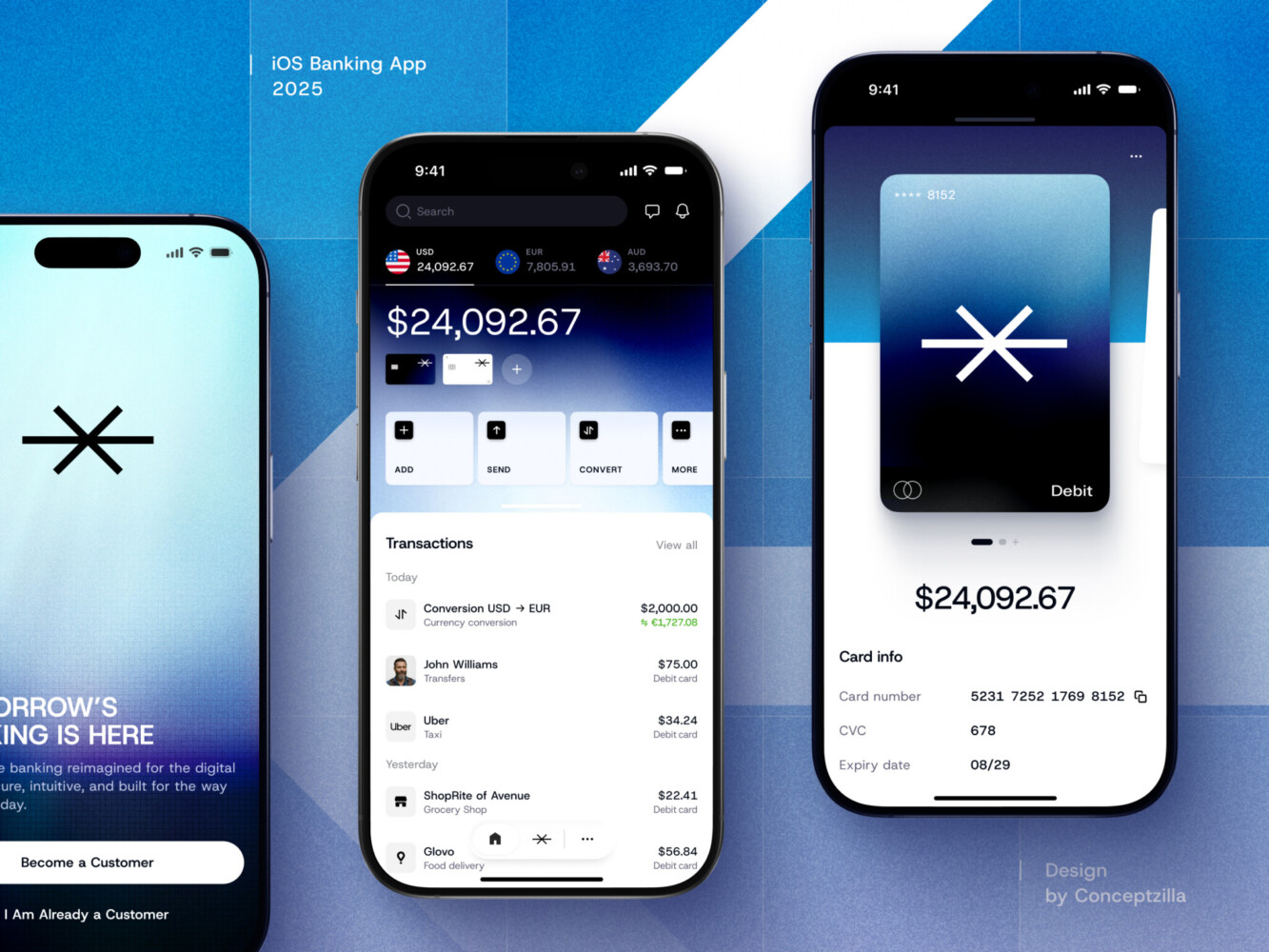
Mobile banking app by Conceptzilla
Main Types of BNPL Solutions
Consumer BNPL App
You know the ones. Klarna, Afterpay, Affirm. They’re basically digital wallets with a lending license glued to them. The user downloads the app, browses stores within it, or uses a virtual card at checkout. It’s a destination. But building this is hard. You’re not just building a payment tool; you’re building a brand, a discovery engine, and a credit underwriting system all at once. Customer acquisition costs are brutal. Many teams burn through millions trying to get users to stick around after the first purchase. It works if you have scale, but for most new entrants? It’s a steep hill.
Merchant BNPL Platform
This is where the merchant takes the wheel. Instead of sending customers off to a third-party app, the split-payment option lives natively at their checkout. Think Shopify Capital or PayPal Pay Later. The merchant owns the relationship. They control the branding, the messaging, even the eligibility criteria sometimes. Settlement happens directly into their account. It feels seamless because it is seamless. In my experience, merchants love this because it boosts conversion without feeling like they’re outsourcing their customer experience. The trade-off? They take on more operational complexity. Returns, disputes, reconciliation—it all lands on their plate.
White-Label BNPL Solution
You want the tech but not the headache of building it from zero. That’s a white-label BNPL. A vendor provides the full stack—underwriting, servicing, compliance—and you wrap your logo around it. Banks do this a lot. So do neobanks wanting to add BNPL without hiring 50 engineers. It’s faster to market, sure. But let’s be real: you’re still renting someone else’s brain. Customization has limits. If the vendor’s risk model doesn’t fit your niche, you’re stuck. Still, for teams that need to launch in months, not years? It’s often the smartest play. Just make sure you read the fine print on data ownership.
B2B BNPL Platform
B2B BNPL is quietly exploding. Imagine a restaurant ordering $10k worth of produce and splitting it over 60 days instead of net-30. Or a SaaS company letting agencies pay annually in monthly chunks. The dynamics are totally different. Underwriting relies on business financials, not consumer credit scores. Settlement cycles are longer. Disputes involve contracts, not chargebacks. It’s messier, yeah, but the margins can be fatter. I talked to a founder last year who pivoted from consumer to B2B BNPL and said it was like “finally speaking the same language as your customers.” Makes sense, right? Businesses understand cash flow pain viscerally.
Embedded BNPL API
Now we’re talking pure infrastructure. No UI. No branding. Just endpoints. You call the API to assess eligibility, create a loan, manage repayments—all within your own product. This is for platforms that want BNPL to feel like a native feature, not an add-on. Marketplaces, ERP systems, even accounting software. The upside? Total control over UX and data. The downside? You own everything. Compliance, servicing, defaults—it’s all yours. Teams choosing this path usually have strong engineering and risk teams already. If you don’t? Well, maybe start with white label and graduate later. APIs are powerful, but they’re not training wheels.
Core Features of BNPL Software
Borrower Onboarding and KYC/KYB
First impressions matter. If your sign-up takes ten minutes, you’ve lost them. But you can’t just let anyone in, either. You need KYC (Know Your Customer) for consumers and KYB (Know Your Business) if you’re doing B2B. This means verifying identities, checking addresses, and maybe even scanning IDs. It has to be fast. Frictionless. But also secure. If you cut corners here, you can then get hit with fraud rings. The goal? Verify who they are without making them feel like they’re applying for a mortgage.
Credit Decisioning
This is the brain. When someone clicks “Pay Later,” your system has milliseconds to decide: yes or no? It’s not just about credit scores anymore. Modern platforms look at bank transaction data, shopping history, even device fingerprints. You need a rules engine that’s flexible enough to tweak risk thresholds as you learn. Maybe you start conservative, then loosen up as you see good repayment behavior. If your decisioning is too rigid, you’ll reject good customers. Too loose? You’ll drown in defaults. It’s a balancing act.
Merchant Dashboard
Merchants don’t care about your fancy algorithms. They care about sales. Their dashboard needs to show them real-time data: how many BNPL transactions happened today? What’s the average order value? Are there any pending settlements? It should be clean, simple, and actionable. If a merchant has to call support to figure out why they haven’t been paid, you’ve failed. Give them visibility, and they’ll trust you.
Installment Plans and Payment Scheduling
Not every customer wants the same plan. Some want four payments over six weeks. Others want twelve months. Your BNPL platform needs to handle multiple plan types dynamically. And once a plan is set, the payment scheduling has to be rock solid. Auto-debits on specific dates. Reminders before the charge. If a payment fails, what happens? Does it retry immediately? Wait a day? These logic flows need to be built in from day one. Don’t wing it.
Late Payment Handling
People forget or their cards expire. Or they just run out of cash. Your system needs a clear process for late payments. Grace periods? Late fees? Soft collections emails before hard calls? It’s tricky. You want to recover the money, but you don’t want to annoy the customer into never shopping with you again. Gentle nudges work better than threats, at least early on. Automate the reminders, but keep the tone human.
Refunds and Disputes
Ah, the nightmare scenario. A customer buys a jacket, pays the first installment, then returns it. Now what? Your BNPL software needs to automatically calculate the refund amount, adjust the remaining balance, and trigger the payout back to the merchant (or the customer, depending on your model). Disputes are even messier. Did the item arrive? Was it damaged? You need a workflow that lets support agents see the full history—payments, communications, shipping status—in one place. If they’re jumping between five tabs, they’re going to make mistakes.
Notifications
Communication is key. But don’t spam people. Send confirmations when a plan is created. Reminders before a payment is due. Alerts when a payment fails. Success messages when it goes through. Use email, SMS, push notifications—whatever fits your user base. But make sure they can opt out of the non-essential ones. Nobody likes a naggy app.
Analytics
You can’t improve what you don’t measure. Your admin panel should give you deep insights. Conversion rates by merchant. Default rates by customer segment. Average time to repayment. Where are users dropping off in the onboarding flow? These metrics tell you where to fix things. So build your dashboards for the questions you think you’ll have, but leave room for ad-hoc queries. You’ll be surprised what you need to dig into later.
Admin Panel and Customer Support Workflows
Your internal team needs tools too. An admin panel that lets you manually override decisions, view user profiles, and manage merchants. And for support? A unified inbox. If a customer chats in, the agent should see their payment history, previous tickets, and any flags on their account. Speed matters. If support takes three days to answer a simple question, your NPS score will tank. Keep it tight, keep it simple.
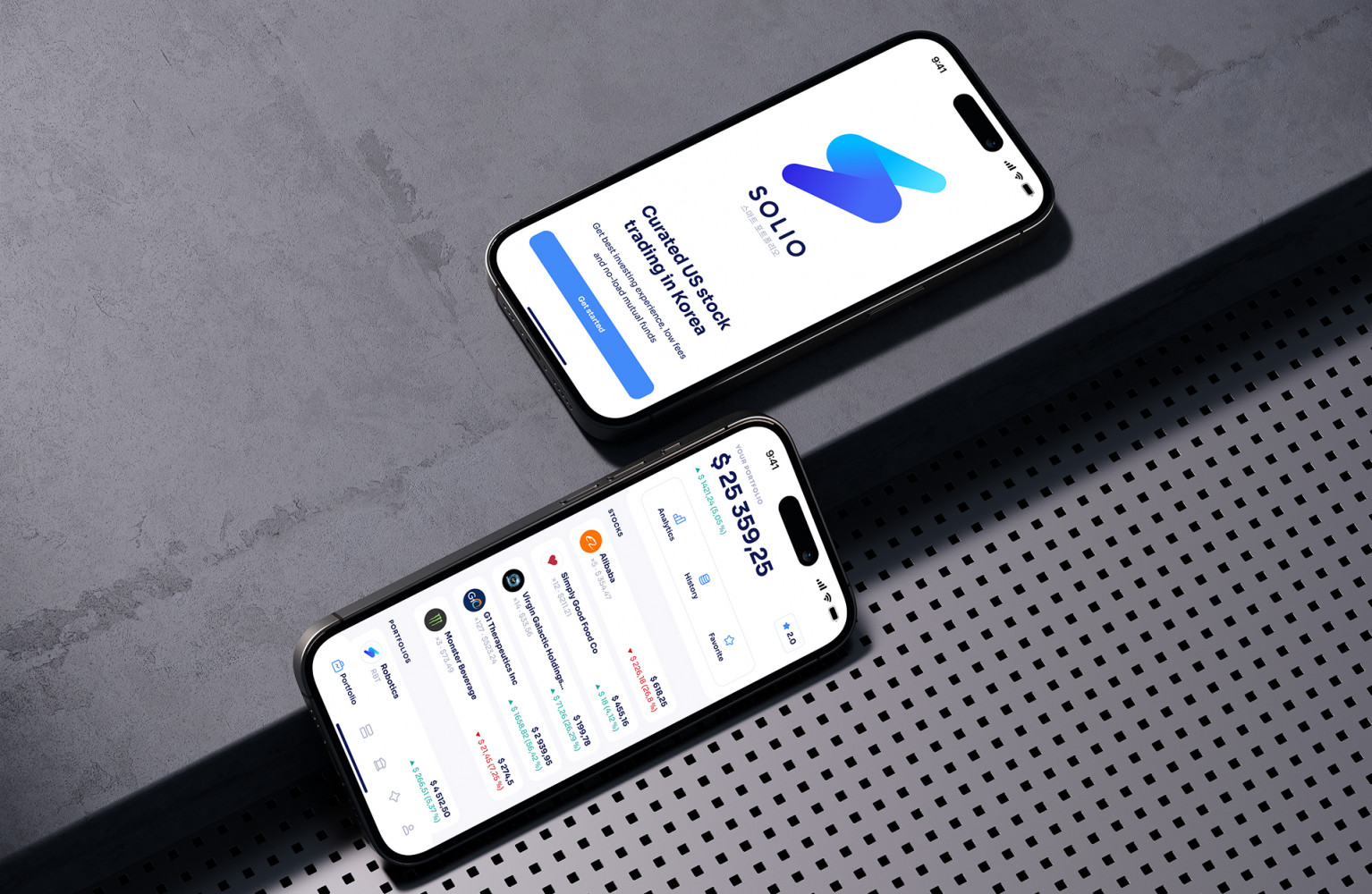
Solio App by Shakuro
BNPL Platform Architecture
If you look under the hood of a solid BNPL platform, it’s not just one big block of code. It’s more like a city. You’ve got different districts doing different jobs, all connected by roads (or in our case, APIs). If one district gets congested, you don’t want the whole city to gridlock.
Let’s map it out.
First, you’ve got the front ends. This is what people actually see. The customer app or web checkout where they pick their plan. There’s the merchant portal, where businesses manage their settlements and view analytics. And don’t forget the admin panel for your internal team. These are just the skins. They need to be fast and responsive, but they’re not doing the heavy lifting.
The real work happens in the middle layers.
When a user hits “Confirm,” the request hits the API gateway. Think of this as the bouncer at the club. It checks if the request is valid, routes it to the right service, and keeps the bad actors out. From there, it goes to the credit decisioning engine. This is the brain we talked about earlier. It pulls data, runs rules, and spits out a yes/no/maybe. It needs to be incredibly fast. We’re talking milliseconds. If it lags, the customer abandons the cart.
Once approved, the loan management module kicks in. It creates the loan record, sets up the installment schedule, and talks to the ledger. This is the single source of truth. Every penny that moves—every payment, every fee, every refund—gets recorded here. It has to be immutable. You can’t just delete a transaction because you made a typo. You have to create a correcting entry. It’s old-school accounting logic, but it’s crucial for trust.
The payment processing layer connects to banks, card networks, and alternative payment methods. It handles the actual movement of money. It’s messy out there. Cards get declined. Banks go down for maintenance. Your system needs to handle these failures gracefully without crashing the whole experience.
And we can’t ignore fraud detection. It monitors transactions in real-time, looking for weird patterns. Is this user buying ten iPhones from different IP addresses? Flag it. It works alongside the credit engine but focuses on malicious intent rather than creditworthiness.
Now, how do you keep this whole thing from falling apart?
In buy now pay later app development, scalability is key. You might start with a hundred transactions a day. But if a big merchant partners with you, you could hit ten thousand in an hour. Your architecture needs to scale horizontally. Add more servers, not bigger ones. Microservices help here. If the notification service slows down, it shouldn’t take down the payment processing.
Observability is your eyes and ears. You need logs, metrics, and traces. When something breaks—and it will—you need to know why, fast. Did the API timeout? Did the database lock up? Good observability tools let you pinpoint the issue before your customers even notice.
And then there are audit logs. In fintech, “who did what and when” isn’t just nice to have; it’s legally required. Every action in the admin panel, every manual override, every data export—it all gets logged. No exceptions.
Finally, Role-Based Access Control (RBAC). Not everyone in your company should see everything. Support agents need to see customer details but not change interest rates. Engineers need access to logs but not to live customer PII. RBAC ensures people only see what they need to do their job. It’s a basic security measure, but startups skip it until they have a breach. Don’t be that startup.
Key Integrations for Buy Now Pay Later Software Development
Here’s the thing about building a BNPL platform: you’re not really building a standalone island. You’re building a hub. A central point that needs to talk to everyone else in the financial ecosystem. If your integrations are clunky, your whole product feels clunky.
Let’s look at who you need to be friends with.
For starters, payment gateways. You need to move money. Whether it’s pulling the first installment or collecting the subsequent ones, you’re relying on processors like Stripe, Adyen, or local rails. But here’s where it gets interesting. If you’re dealing with multiple regions, you might need multiple gateways. One works great in the US, another in Europe.
Managing these connections directly in your code? That’s a maintenance nightmare. This is exactly why many teams start looking at payment orchestration platform development. Instead of wiring each gateway individually, you build—or buy—an orchestration layer that manages them all from one place. It decides which provider to use for which transaction, handles retries if one goes down, and keeps your core BNPL logic clean. It’s smart because it future-proofs you.
Traditional credit checks are slow. Open banking lets you peek at a user’s actual cash flow in real-time. Are they living paycheck to paycheck? Do they have enough buffer for this loan? Providers like Plaid or Yodlee make this possible. It’s faster and often more accurate than a FICO score alone.
Speaking of scores, you’ll likely still need credit bureaus. For larger loans or B2B BNPL, traditional data matters. Integrating with Equifax, Experian, or local equivalents ensures you’re not lending to someone who’s already maxed out everywhere else.
On the security side, you’ve got KYC/AML vendors and fraud tools. You don’t want to build your own ID verification system. Use specialists like Sumsub or Onfido. Same for fraud. Tools like Sift or Kount analyze behavior patterns that you’d miss. They spot the bots and the fraud rings before they drain your capital.
For the business side, your BNPL software needs to play nice with e-commerce platforms. Shopify, WooCommerce, Magento. If merchants can’t install your BNPL option with a few clicks, they won’t bother. Plugins and SDKs are your best friends here.
Once the sale is made, the data needs to flow into accounting systems like Xero or QuickBooks, and CRM/Support Tools like Salesforce or Zendesk. Your support team needs to see the loan status when a customer calls. Your finance team needs the reconciliation files automatically. Manual exports are a recipe for errors. Quite often finance teams spend weeks just fixing mismatched records because the integration wasn’t tight enough.
Finally, notification providers. Twilio, SendGrid, Firebase. You need to reach users where they are. SMS for urgent payment reminders, email for statements, push for app updates. Reliable delivery matters. If a user misses a payment because your SMS didn’t go through, that’s on you.
By using an orchestration approach for payments and leaning on specialized vendors for KYC, fraud, and data, you keep your core platform lean. You focus on what makes your BNPL unique—the risk models, the user experience, and the merchant terms—while letting the experts handle the infrastructure.
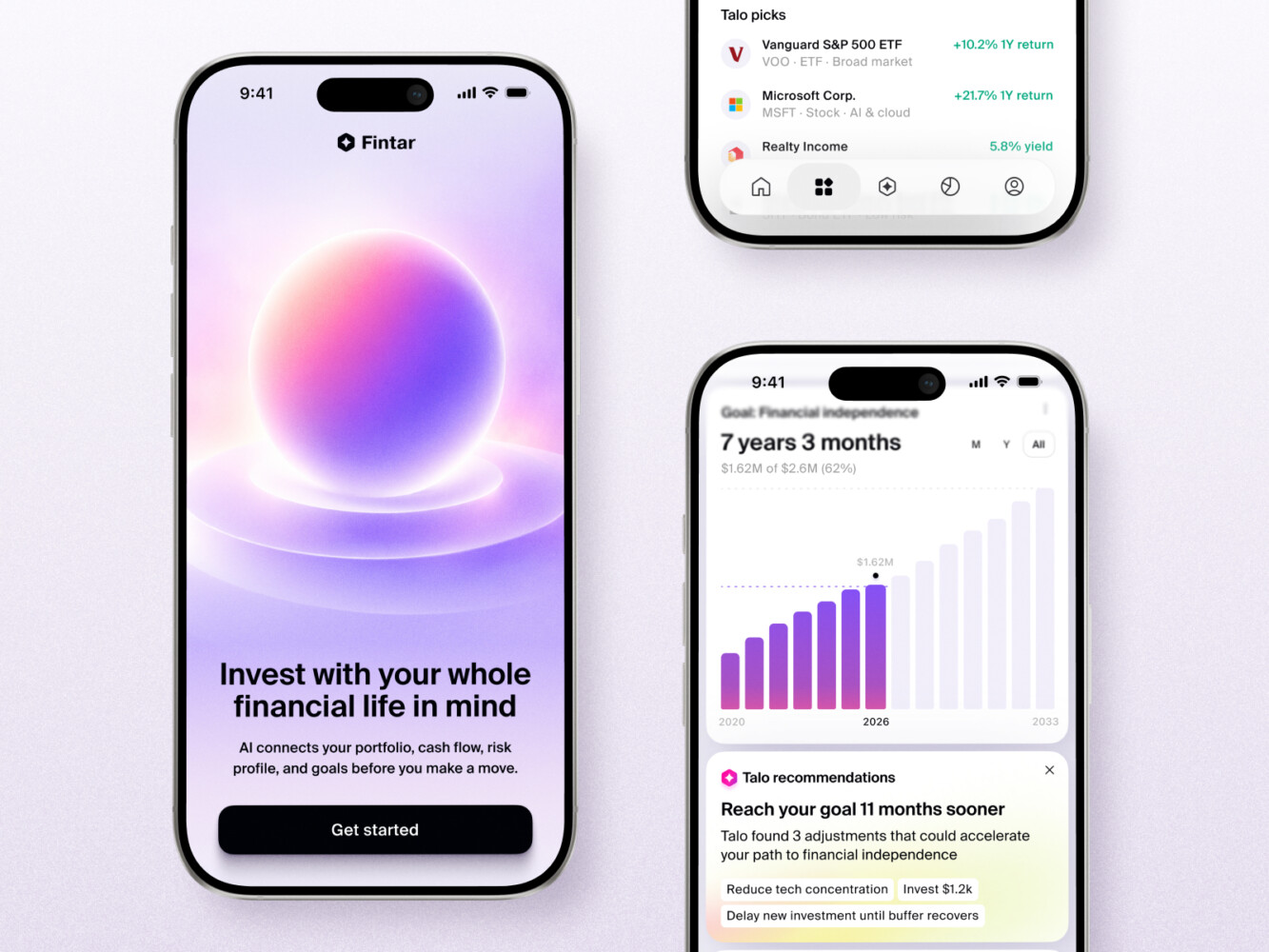
AI Wealth Copilot Mobile App Design by Shakuro
Security, Compliance, and Risk Management
In fintech, trust is your currency. You can have the slickest UI and the fastest approval times, but if you get hacked or hit with a regulatory fine, it’s game over. Security and compliance aren’t just “features” you add at the end. They’re the foundation. If the foundation is cracked, the house falls.
First up, PCI DSS. If you’re handling card data, you’re in scope. Period. But here’s a pro tip: try to stay out of scope as much as possible. Use tokenization. Let your payment processor handle the raw card numbers. You just keep the tokens. It simplifies your life and reduces your risk surface. Teams spend months trying to certify their own servers when they could have just used a hosted field solution. Save yourself the headache.
KYC/AML isn’t just about checking IDs. It’s about knowing who you’re dealing with. Are they on a sanctions list? Are they trying to launder money through fake purchases? You need automated checks that run in the background. But remember, regulations vary by country. What works in the UK might not fly in Germany. This is where linking your strategy to broader banking software development principles helps. You’re essentially building a mini-bank, so you need bank-grade diligence.
Consumer lending regulations are another minefield. Truth in Lending Act (TILA) in the US, Consumer Credit Act in the UK. You have to be crystal clear about terms. No hidden fees. No confusing jargon. And this ties into responsible lending UX. It’s not just a legal requirement; it’s good business. If you lend to someone who clearly can’t afford it, they’ll default. Then you’ve lost money and damaged your brand. Design your flow to encourage healthy borrowing. Show them the total cost upfront. Give them warnings if they’re taking on too much debt. It feels counterintuitive to “discourage” sales, but it builds long-term loyalty.
Data privacy is huge now. GDPR, CCPA. You need to know where every piece of user data lives. Who can access it? How long do you keep it? Encryption is non-negotiable. Data at rest, data in transit. Encrypt it all. Multi-factor authentication (MFA) for admin accounts is a must. For users, maybe biometrics if you have an app. Make it hard for bad actors to get in but easy for good users to stay in.
Audit trails are your safety net. Every action in your system needs a log. Who changed the interest rate? Who approved that manual override? When did the fraud rule update? If regulators come knocking, you need to show them exactly what happened and when. No guesswork.
Fraud monitoring needs to be proactive. Not just reactive. Use machine learning to spot anomalies. A sudden spike in high-value orders from a new region? Flag it. Multiple accounts using the same device ID? Block it. But also, think about underwriting rules and explainability. If you deny someone credit, you often need to tell them why. Or at least, your internal team needs to know why. Black-box algorithms are risky. If your model starts denying everyone from a certain zip code, you need to catch that bias early. Explainable AI helps you debug your risk logic and stay compliant with fair lending laws.
This is why financial software development is different from regular SaaS. You’re not just moving data; you’re moving value and liability. One bug isn’t just a glitch; it’s a financial loss. One security lapse isn’t just a breach; it’s a lawsuit.
Process of Buy Now Pay Later App Development
1. Discovery and Compliance Planning
Before you write a single line of code, you need to know the rules of the game. Where are you launching? The US? The EU? Southeast Asia? Each has different lending licenses, interest rate caps, and data privacy laws. This phase is all about mapping out the legal landscape. Talk to lawyers. Seriously. Find out if you need a banking partner or if you can lend directly. Define your risk appetite early. Are you going after prime borrowers or subprime? The answer changes your compliance burden significantly. Don’t skip this. It’s boring, but it saves you from getting shut down later.
2. Product Strategy and Business Model
Now, how do you actually make money? Is it merchant fees? Consumer interest? Late fees? (Be careful with those; they’re under scrutiny everywhere). Maybe it’s a mix. You need to model out the unit economics. How much does it cost to acquire a customer? What’s the expected default rate? If your math doesn’t work on a spreadsheet, it won’t work in real life. Also, define your niche. Are you focusing on fashion? Electronics? B2B supplies? Trying to be everything to everyone is a recipe for mediocrity. Pick a lane, own it, then expand.
3. UX/UI Design for Borrowers and Merchants
Here’s where empathy comes in. For borrowers, the experience needs to feel light, not heavy. No long forms. Clear terms. “Pay $25 today, $25 in two weeks.” Simple. For merchants, it’s about trust and ease. They need to see their dashboard and instantly understand their cash flow. I always say: design the error states first. What happens when a payment fails? What does the user see? If you design for the happy path only, you’ll fail when things go wrong. And they will. Make the recovery process smooth.
4. Architecture and Technical Planning
Time to draw the boxes and arrows. Decide on your tech stack. Microservices or monolith? (Hint: start simple, maybe a modular monolith, then break it up as you scale). Choose your cloud provider. Plan your database schema carefully—especially the ledger part. Once money is involved, you can’t just migrate data easily. Think about scalability from day one. How will you handle Black Friday traffic? Map out your API contracts with external vendors now, so you’re not scrambling later.
5. Core Platform Development
This is the grind. Building the loan engine, the installment scheduler, the user management system. Focus on the MVP. What’s the absolute minimum you need to launch? Maybe just one repayment plan type. Maybe just one integration. Get the core logic rock solid. Write tests. Lots of them. In fintech, bugs cost money. Literally. Keep your code clean and documented. Your future self will thank you.
6. Payment, KYC, Credit, and E-Commerce Integrations
Now you connect the pipes. Integrate your payment gateway. Hook up your KYC provider. Connect to credit bureaus or open banking APIs. Build the plugins for Shopify, WooCommerce, etc. This phase in buy now pay later app development is messy. Every vendor has different documentation and different quirks. Some APIs are great; others require patience. Test these integrations thoroughly in sandbox environments. Don’t assume they’ll work just because the docs say so.
7. QA, Security Testing, and Performance Testing
Don’t skimp here. Hire ethical hackers to pentest your system. Run load tests to see where it breaks. Simulate fraud attacks. Check for compliance gaps. Is your encryption strong enough? Are your audit logs complete? This is your last line of defense before real users touch it. Fix every critical bug. Every single one. No “we’ll fix it in post.” In finance, there is no “post.” There’s only live.
8. Launch, Monitoring, and Scaling
Your buy now pay later software is live! But the work isn’t done. Now you watch. Monitor your dashboards like a hawk. Are approvals too high? Too low? Are payments failing? Set up alerts for anything unusual. Gather feedback from your first merchants and users. Tweak your risk models based on real data. Scale your infrastructure as traffic grows. And keep an eye on those regulations—they might change again. It’s a continuous loop of build, measure, learn.
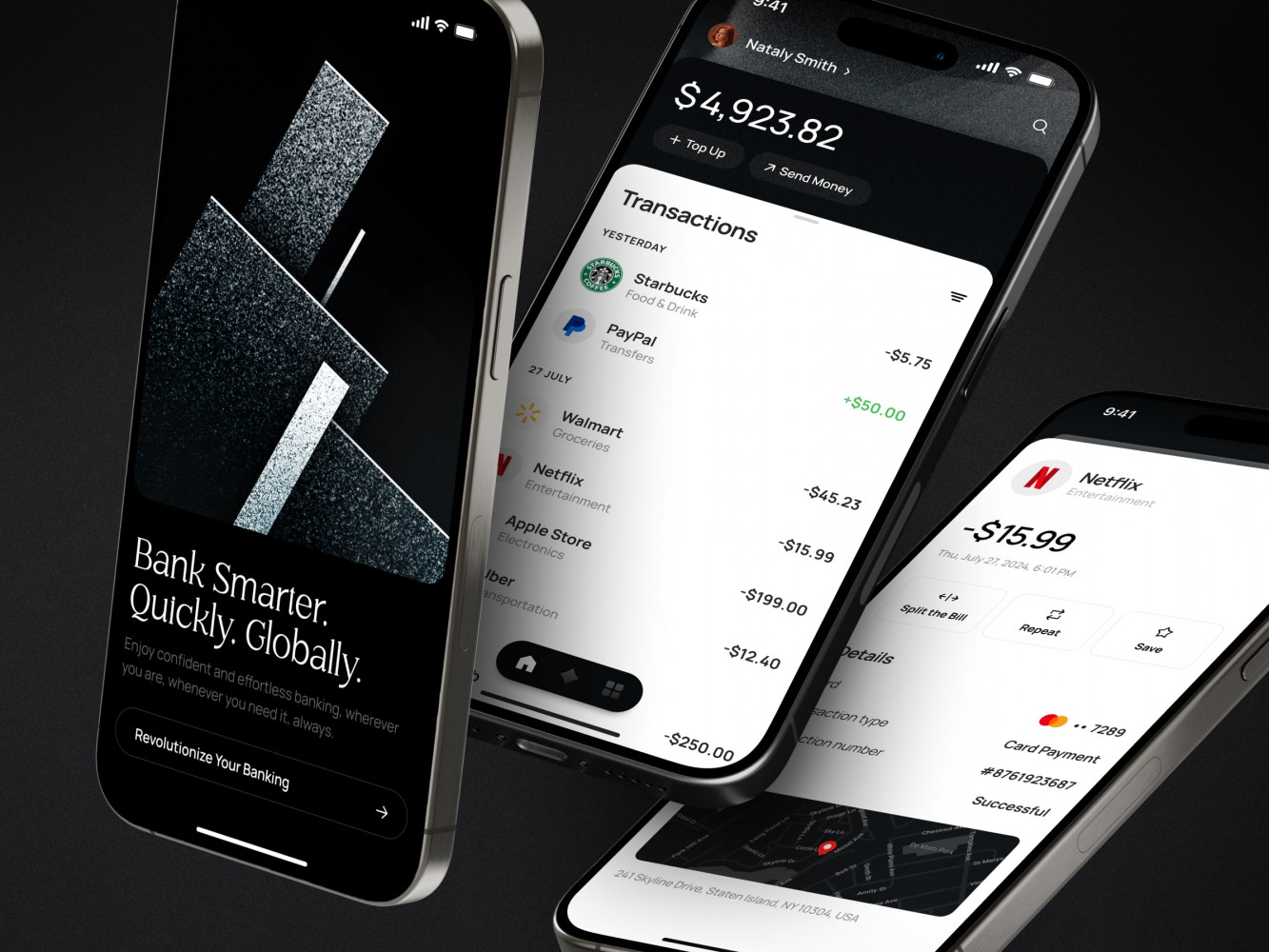
Finance Management Mobile App Design by Shakuro
How Much Does BNPL Platform Development Cost?
Let’s talk numbers. It’s the question everyone asks, and honestly, it’s the one that makes founders sweat. How much is this going to cost?
Well, it depends. Building a BNPL platform isn’t like building a simple blog. You’re dealing with money, regulations, and risk. That adds layers of complexity—and cost. But let’s break it down so you have a rough idea of what you’re signing up for.
MVP: The “Let’s See If This Works” Phase
Range: $80,000 – $150,000
If you’re just testing the waters, you don’t need the Ferrari. You need a skateboard that works. An MVP usually includes basic borrower onboarding, a simple credit decision engine (maybe just rules-based, no fancy AI yet), one payment gateway integration, and a bare-bones merchant dashboard. You might skip the mobile app entirely and just do a web checkout. Compliance is handled manually or with lightweight third-party tools. It’s not pretty, but it proves the concept.
Mid-Level Platform: The “Real Business” Stage
Range: $200,000 – $500,000
This is for teams ready to scale. You’ve got a proper credit decisioning engine with some machine learning. Multiple payment gateways. Integrations with major e-commerce platforms like Shopify and WooCommerce. A robust merchant portal with analytics. Maybe a basic mobile app for borrowers. Compliance is automated with dedicated KYC/AML vendors. You’ve got better security, audit logs, and a more polished UX. This is where you start spending real money on engineering talent because the logic gets tricky. Handling refunds, disputes, and partial payments correctly isn’t cheap to build.
Enterprise/White-Label Platform: The “Big League” Build
Range: $600,000 – $1.5M+
This is for banks, large fintechs, or startups aiming for global dominance. You’re building a white-label BNPL solution that other companies can brand as their own. That means multi-tenancy, complex role-based access, and highly customizable workflows. You’ve got advanced fraud detection, real-time open banking integrations, and support for multiple currencies and languages. Scalability is huge here—you’re designing for millions of transactions. Compliance is baked into every layer. You might even have your own lending license infrastructure. The cost skyrockets because you’re not just building software; you’re building an institution-grade system.
What Drives the Cost?
It’s not just about how many screens you design. Here are the real budget-eaters:
- Credit logic: Simple rules are cheap. Custom ML models that analyze thousands of data points? Expensive. You need data scientists and engineers to build and maintain them.
- Integrations: Every new payment gateway, KYC provider, or e-commerce plugin adds time. And if you’re doing cross-border, you need local payment methods too. That adds up fast.
- Compliance: Legal reviews, security audits, and implementing GDPR/PCI DSS standards aren’t free. You’ll pay for consultants and specialized dev work to ensure you’re covered.
- Dashboards: A basic admin panel is one thing. A real-time, interactive merchant portal with custom reporting? That’s a whole project in itself.
- Mobile apps: Native iOS and Android apps double your frontend effort. If you can get away with a responsive web app initially, do it. Save the native apps for later.
- Settlement workflows: Moving money between merchants, lenders, and customers involves complex accounting logic. Getting this wrong means financial losses. Getting it right takes senior engineering time.
- Scalability: Designing for 100 users is easy. Designing for 100,000 concurrent users requires cloud architecture experts, load balancing, and database optimization.
- Ongoing Support: Don’t forget the post-launch costs. Maintenance, updates, customer support tools, and monitoring. It’s usually 15-20% of the initial build cost per year.
So, where do you start? Be honest about your goals. If you’re validating an idea, stick to the MVP. Don’t overbuild.
Common BNPL Development Challenges
Building BNPL solutions is tough. It’s one of those projects that looks sleek on the surface but is basically a high-wire act underneath. You’re balancing money, laws, and human behavior all at once. And things will go wrong. The question is, are you ready for it?
Let’s talk about the headaches you’ll likely face.
Regulatory complexity is probably the biggest mood killer. You think you’ve got it figured out for one country, then you expand to another and realize their lending laws are completely different. Interest caps, disclosure requirements, licensing—it’s a maze. It’s frustrating, but you have to stay agile. Keep your legal team close. Really close.
Credit risk is the heart of the business. If you lend to the wrong people, you lose money. Simple as that. But predicting who will pay back isn’t easy. People’s financial situations change overnight. A job loss, a medical emergency—suddenly, a good borrower becomes a bad one. Your models need to be smart but also humble. They won’t catch everything. You need a strategy for when they fail.
Speaking of failing, let’s talk fraud. It’s not just about stolen credit cards. It’s about synthetic identities, friend fraud (where someone buys something for a friend who “forgets” to pay), and merchant collusion. Fraudsters are creative. They’re always looking for loopholes in your logic. You need constant monitoring. It’s an arms race, honestly. You update your rules; they find a new trick. It never ends.
Merchant onboarding can be surprisingly sticky. You’d think merchants would jump at the chance to boost sales, but they’re cautious. They worry about fees, integration hassle, and brand fit. If your onboarding process is clunky, they’ll bounce. Make it easy. Provide clear docs, sandbox environments, and dedicated support. Treat them like partners, not just users.
Payment failures happen. Cards expire. Banks decline transactions for no reason. Users forget to update their details. When a payment fails, your system needs to handle it gracefully. Retry logic? Notifications? Grace periods? If you’re too aggressive, you annoy customers. Too passive, you lose revenue. Finding that balance is tricky.
In BNPL, chargebacks are messy because the customer hasn’t paid the full amount yet. Who gets charged? The merchant? The lender? How do you adjust the remaining installments? It’s a logistical nightmare if you don’t have clear policies and automated workflows. Disputes can drag on for weeks, tying up capital and support resources.
Installment rescheduling is another pain point. Life happens. Users want to change their payment dates. Maybe they want to skip a month. Allowing this adds huge complexity to your ledger. You have to recalculate interest, adjust schedules, and ensure compliance with lending terms. It’s doable, but it’s not trivial.
Refunds are similar. If a user returns an item after paying two installments, how do you refund them? Do you give cash back? Credit? How does it affect the merchant’s settlement? Your system needs to handle partial refunds, full refunds, and even exchanges without breaking the loan structure.
BNPL is still new to many people. They’re wary. “Is this a scam?” “Will this hurt my credit score?” Your design needs to scream legitimacy. Clear terms, secure badges, transparent communication. If users feel uneasy, they won’t convert. Trust is hard to earn and easy to lose.
Real-time reporting is a technical beast. Merchants want to see their sales now. Investors want to see default rates now. But calculating these metrics in real-time across millions of transactions is heavy on your database. You need smart caching, efficient queries, and maybe even a separate data warehouse. Don’t underestimate the load.
Finally, scaling transaction-heavy infrastructure. BNPL generates a lot of small events. Every payment, every reminder, every status update is a transaction. As you grow, your database can become a bottleneck. You need to architect for scale from day one. Sharding, microservices, async processing. It’s expensive and complex, but necessary if you want to handle Black Friday without crashing.
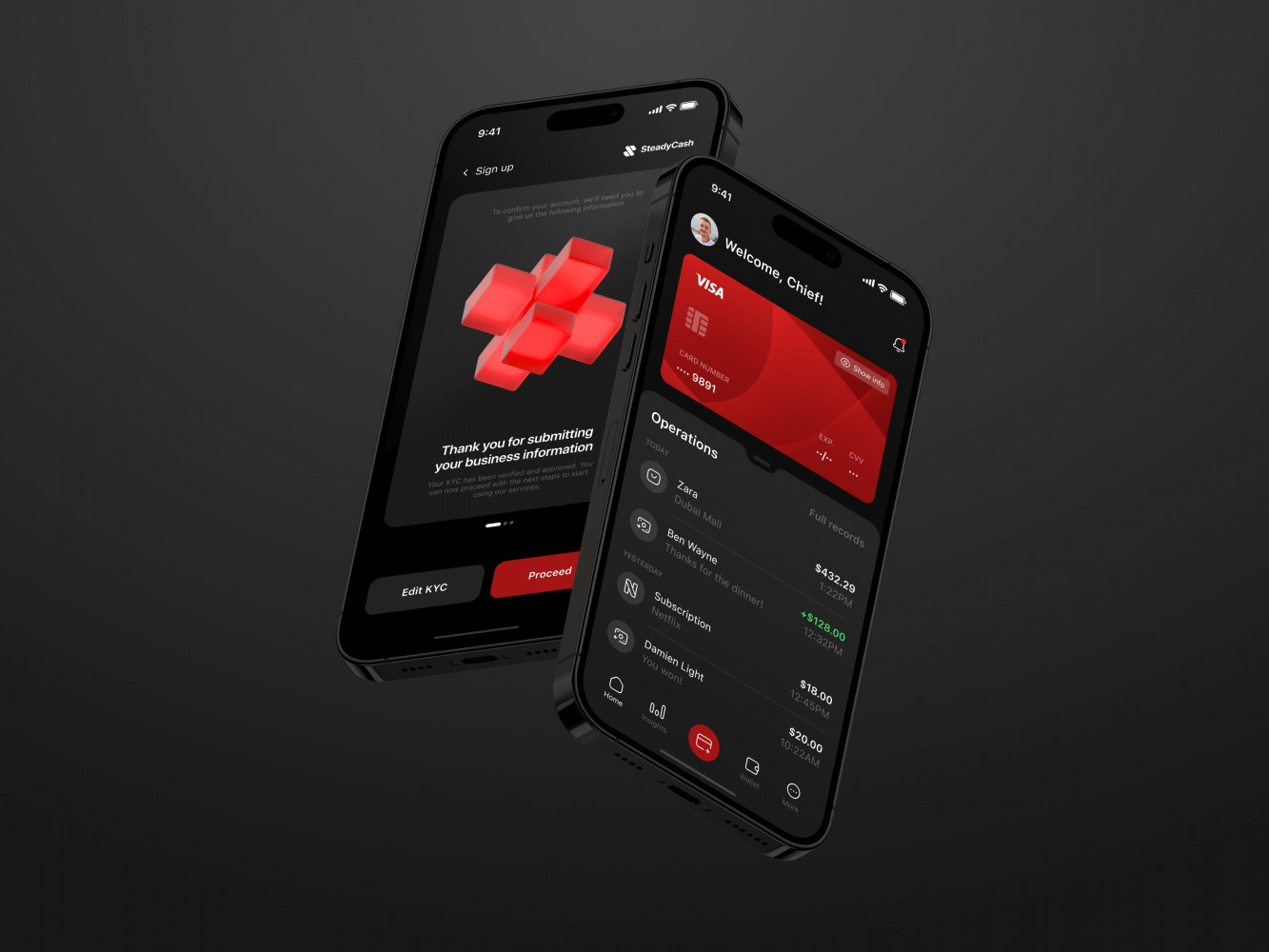
Mobile Banking App by Coneptzilla
Our Experience in Fintech Development
ZAD was a Shariah-compliant investment app. That means the usual financial rules didn’t always apply. We had to build risk profiling that respected specific ethical guidelines while still being intuitive for users. Imagine trying to explain complex financial flows—like profit-sharing instead of interest—in a way that feels simple on a mobile screen. You can’t just copy-paste a standard banking UI. We focused heavily on mobile-first design because that’s where their users were. Every tap had to feel secure, and every chart had to be clear. It taught us a lot about translating heavy regulatory and ethical constraints into a smooth, human-friendly experience.
Symbolik Social is a financial platform that needed to feel social, real-time, and rock-solid. We built the frontend using Next.js, React, and TypeScript. Why? Because speed and type safety matter when you’re dealing with money. On the backend, we went with C# and ASP.NET Core. It’s not the flashiest tech stack, but it’s reliable. Scalable. Perfect for handling real-time data streams—like live portfolio updates or social feed interactions.
But the real challenge was the UX. How do you make financial data engaging? How do you show complex metrics without overwhelming the user? We spent a lot of time tweaking dashboards, testing color codes for gains and losses, and ensuring the real-time features didn’t lag. It’s those details that make a platform feel professional rather than patched together.
So, what’s the takeaway? Whether it’s navigating the nuanced world of ethical investing with ZAD or building a high-performance, real-time financial engine with Symbolik Social, we’ve learned that fintech isn’t just about code. It’s about trust, clarity, and resilience. We know how to balance the strict requirements of finance with the need for a great user experience.
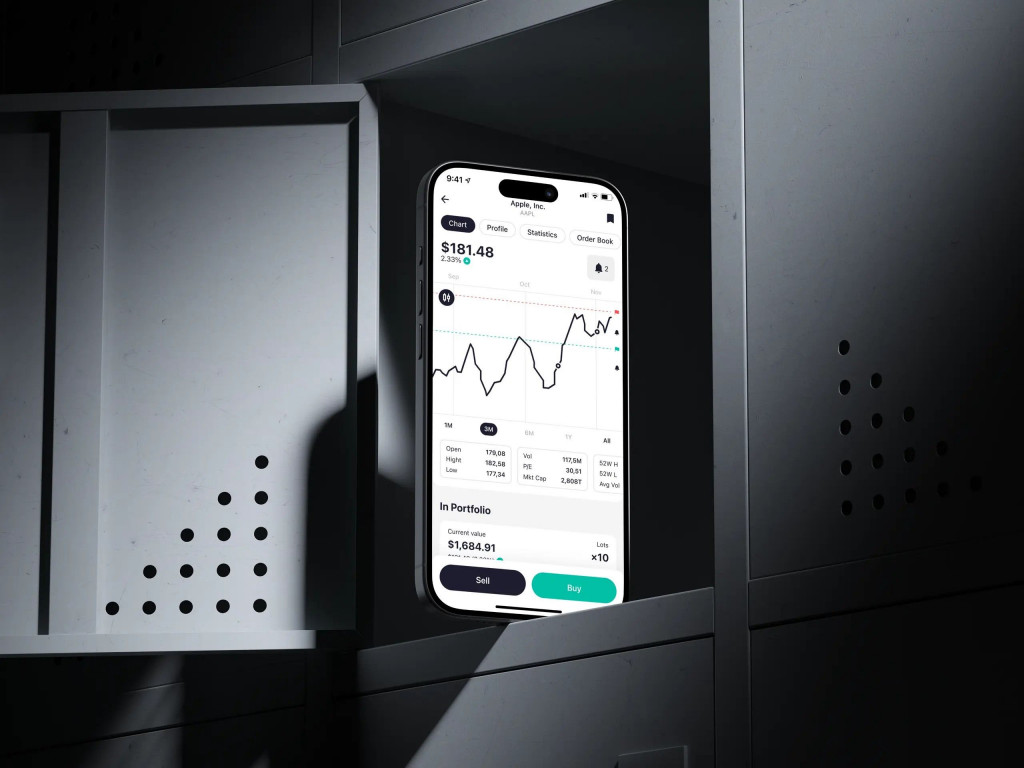
ZAD app by Shakuro
Why Work With a Buy Now Pay Later App Software Development Company
You could try to build this in-house. Hire a team, buy some servers, and start coding. But here’s the thing: fintech isn’t like building a social media app. If Instagram goes down for an hour, people are annoyed. If your BNPL platform messes up a payment or leaks data, you’re facing lawsuits, fines, and a destroyed reputation. It’s a different ballgame.
That’s why working with a specialized development company makes sense. It’s not just about saving time—though it definitely does that. It’s about avoiding the landmines we’ve already stepped on.
Think about fintech architecture. It’s complex. You need a ledger that never lies, a credit engine that’s fair, and a payment layer that doesn’t crash. A team that’s done this before knows how to structure it so it doesn’t turn into spaghetti code six months later. They know which microservices to split and which to keep together.
Then there are payment integrations. Every gateway has its own quirks. Some have terrible documentation. Others have hidden fees or weird settlement delays. A seasoned team has already figured out the best ways to connect these pipes. They know how to handle retries, webhooks, and reconciliation without losing their minds.
Security is non-negotiable. You need PCI DSS compliance, encryption, and secure authentication baked in from day one. You don’t want to learn about security holes after a breach. A specialized partner brings that mindset automatically. It’s in their DNA.
BNPL can feel scary to users. “Am I getting into debt?” “Is this safe?” A good design team knows how to make those fears disappear. They use clear language, transparent terms, and smooth flows. They’ve tested what works and what causes drop-offs. You don’t have to guess.
Compliance-aware workflows are another huge plus. Regulations change. A team that lives in fintech stays on top of them. They build systems that can adapt when laws shift. They know where the audit trails need to be. They know how to handle KYC without frustrating users. It’s a delicate balance, but they’ve mastered it.
Finally, long-term product scaling. You might start small, but you want to grow. A professional team builds with scale in mind. They choose technologies that can handle millions of transactions. They design APIs that are easy to extend. They think about the future, not just the launch.

Final Thoughts
At the end of the day, it’s easy to get caught up in the hype. “Split payments” sounds simple, right? But if you’ve been paying attention, you know it’s so much more than that.
Buy now pay later app development is really about building reliable lending infrastructure. It’s about creating a system that merchants trust enough to hand over their customer relationships. It’s about giving borrowers clarity so they don’t feel trapped or confused. And it’s about giving you, the founder, operational control so you’re not fighting fires every time a payment fails or a regulation changes.
It’s complex, sure. It’s expensive. It’s risky. But you’re not just processing transactions. You’re enabling commerce. You’re helping people buy what they need without the stress of upfront costs. You’re helping businesses grow by removing friction at checkout. That’s powerful stuff.
Ready to build BNPL solutions and looking for a team? Reach out to us, and let’s create an easy-to-use fintech product together.
FAQ
How long does it take to build a BNPL platform?
Honestly, it varies. A basic MVP might take 3-4 months if you keep the scope tight. But a full-featured, compliant platform? Expect 6-12 months. Rushing it usually means fixing expensive mistakes later.
What is the difference between BNPL software and a BNPL API?
Think of software as the whole car—engine, seats, steering wheel. The API is just the engine. Software includes the UI, dashboards, and user flows. An API is just the backend logic you plug into your own product. If you want total control over the experience, you use the API. If you want a ready-to-go solution, you use the software.
Can I build a white-label BNPL solution?
Absolutely. It’s actually a smart move for many teams. You get the core tech without building from scratch, but you still put your brand on it. Just make sure you understand the limits. Some white-label providers restrict customization or data ownership. Read the fine print. I’ve seen companies get stuck because they didn’t check what they could actually change.
What integrations does a BNPL platform need?
At minimum: payment gateways, KYC/AML providers, credit bureaus or open banking APIs, and e-commerce platforms like Shopify. You’ll also need notification services (SMS/email), accounting systems for reconciliation, and fraud detection tools. Oh, and don’t forget CRM/support integrations so your team can actually help users. It adds up fast.
How much does BNPL app development cost?
Roughly $80k-$150k for an MVP, $200k-$500k for a mid-level platform, and $600k+ for enterprise-grade. Mobile apps add significant cost—maybe 30-50% more than web-only. Remember, ongoing maintenance runs 15-20% annually. Budget for surprises too; fintech always has them. Drop us a message for an exact quote.
Related reading