Banking software development is building the systems that run a bank’s accounts, transactions, payments, fraud detection, and compliance, together with the mobile and web apps customers use every day. An MVP digital banking platform, such as a neobank for freelancers built on a Banking-as-a-Service provider, takes 6 to 9 months and costs ~$250,000–600,000. An enterprise system that replaces a regional bank’s legacy core takes 18 to 36 months or more and costs $5 million–20 million+.
Customers expect to move money with a thumb tap, not a paper form. Off-the-shelf banking products cover the basics but rarely fit a specific risk profile, product line, or growth plan. A custom build lets a bank or fintech compete on security, scalability, and customer experience, with regulatory and security requirements designed in from the start.
This guide covers the types of banking software, key features, the development process step by step, cost, common challenges such as legacy integrations and high transaction volumes, and a case study from our fintech development expertise, the Shariah-compliant platform ZAD.
For those who prefer to listen rather than read, this article is also available as a podcast on Spotify.
What Is Banking Software?
Banking software, when stripped of all marketing fluff and pretty design, is essentially what makes any financial institution tick. It is the programs and systems that enable money to be transferred securely from one place to another. It is essentially the nervous system of any bank. Without it, the system would be just a bunch of people with calculators and accounting books.
Its purpose is to manage the entire lifecycle of financial services and transactions to ensure that when a customer sends $50 to somewhere, it indeed ends up there and doesn’t break any laws in the process.
These programs do some pretty fundamental work every second of every day. When you apply for a mortgage, it figures out your credit score and determines what kind of loan it would be. When you get a coffee, it is authorizing the payment behind the scenes. It’s managing customer accounts, tracking every penny, and running analytics to figure out spending habits or spot fraud. Basically, if it involves money in a modern bank, digital banking software development is doing the heavy lifting.
Types of banking software
Not all banking software does the same thing. In fact, trying to make one system do everything is usually a recipe for disaster. Over time, the industry has split these tools into specialized categories. Here’s how they usually break down.
Core banking systems
This is the heart of the operation. The core banking system is where the truth lives. It handles the fundamental stuff: deposits, loans, payments, and account management. If you open a savings account, the record of that account lives here. If you take out a car loan, the amortization schedule is calculated here.
Usually, core banking software development is also the part that causes the most stress for CTOs. Why? Because these systems are often old. Many banks are still running on code written decades ago, maybe even in languages nobody uses anymore. But despite the age (or maybe because of it), they are incredibly robust. They hold the ledger. If the core goes down, the bank is effectively closed.
Digital banking platforms
While the core handles the backend logic, digital banking platforms are what your customers actually see and touch. These are the web portals and mobile apps that let people check balances, transfer funds, or deposit checks by taking a photo.
The goal here is totally different from the core. It’s all about user experience, speed, and engagement. You want it to feel slick and intuitive. The challenge is integration. Mobile-first digital banking platforms have to talk to that clunky old core system in real time. Bridging the gap between a modern, flashy iPhone app and a mainframe from the 1980s is no small feat. It requires a lot of clever middleware and APIs. But get it right, and that’s where you win the customer’s loyalty.
Payment infrastructure systems
Money doesn’t just sit still; it needs to move. That’s where payment processing infrastructure comes in. These are the engines that enable secure financial transactions and payment processing. We’re talking about connections to card networks (like Visa or Mastercard), wire transfer systems (like SWIFT or Fedwire), and real-time payment rails.
These systems have to be fast and bulletproof. A millisecond of downtime can mean millions in failed transactions. They handle the complex routing of funds, currency conversion, and settlement between different banks. Online banking software development is a high-stakes environment where security is paramount. One slip-up, and you’re not just losing money; you’re losing trust. And in banking, trust is the only currency that really matters.
Core components of banking platforms
So, what’s under the hood? Whatever the type, your platform needs certain key components to function. You can’t really skip any of these unless you want to fail spectacularly.
Here’s the shortlist of what you absolutely need for banking platform development:
- Account and customer management: This is your single source of truth for who your customers are and what they own. It handles onboarding, KYC data, and the lifecycle of every account type.
- Transaction processing: The engine that debits and credits accounts. It needs to be ACID compliant (Atomic, Consistent, Isolated, Durable) to ensure data integrity. No double-spending allowed.
- Payment systems: The connectors to the outside world. This includes gateways for cards, ACH, wires, and emerging real-time payment methods. With several processors in play, a payment orchestration platform can route each transaction to the best one.
- Compliance and reporting tools: These modules monitor transactions for fraud, ensure you’re meeting anti-money laundering (AML) rules, and generate the reports regulators demand. It’s not fun, but it’s mandatory.
- Integrations with financial services: The glue that holds it all together. You’ll need to connect to credit bureaus, identity verification services, investment platforms, and maybe even third-party fintech apps via open banking APIs.
It’s a lot to juggle, isn’t it? But when these pieces click together, you get a machine that can handle millions of transactions a day while keeping everyone’s money safe. That’s the goal, anyway.

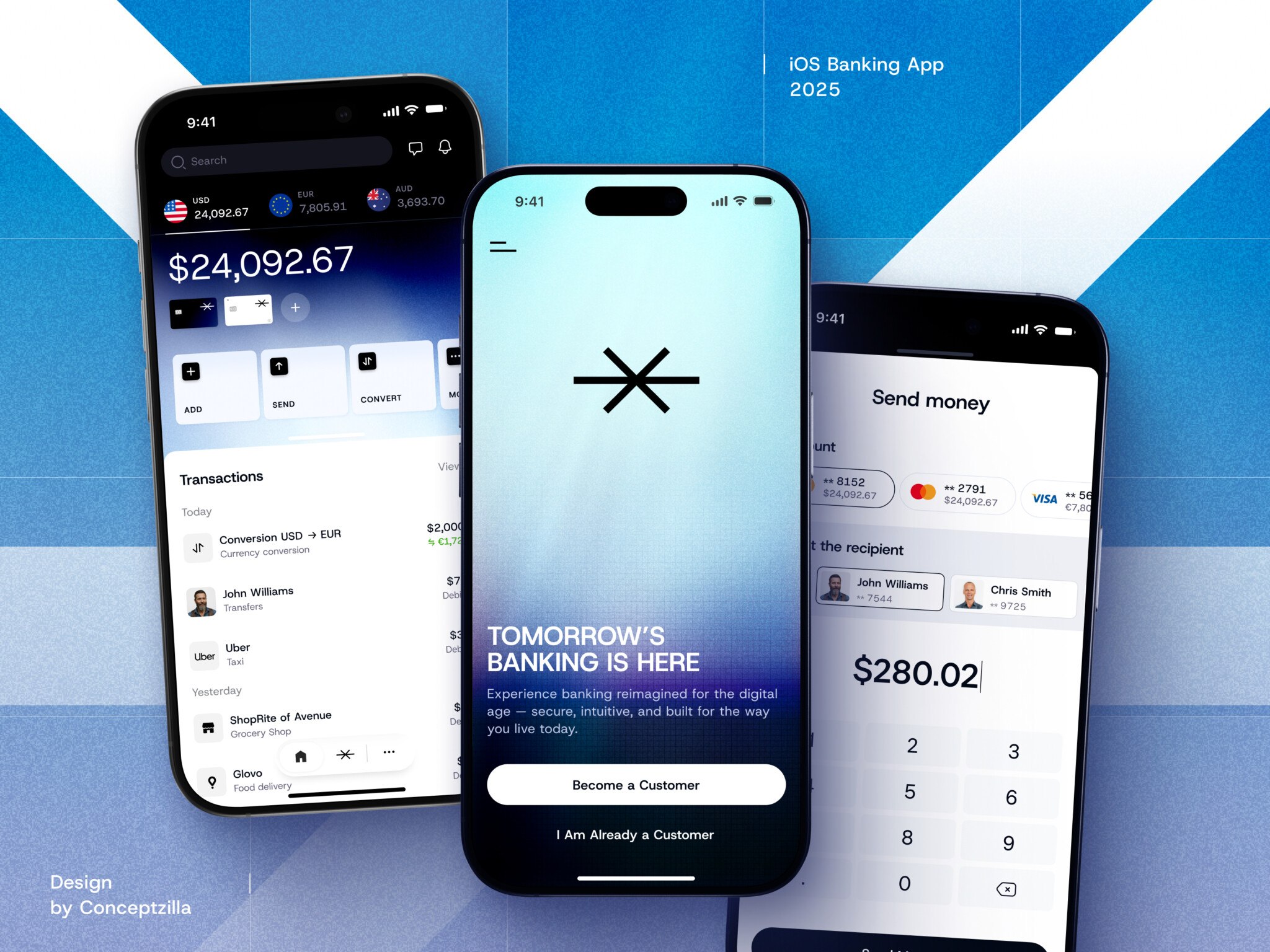
Fintech Mobile Banking App by Conceptzilla
Key Features of Modern Banking Software
So, what actually makes a banking platform “modern”? Having a mobile app or a nice logo is not enough. The difference between a clunky legacy system and a sleek digital platform comes down to a few specific capabilities that users expect and regulators demand right out of the box. If you’re opting for banking software development, these are the baseline requirements.
Account and Transaction Management
At the heart of everything is how you handle accounts and money movement. Customers don’t want to wait 24 hours to see if their paycheck hit. They want customer account dashboards that are clear, instant, and give them a full picture of their financial health at a glance. Charts, spending categories, and maybe even a little nudge when they’re close to overdrawing.
Real-time transaction processing is non-negotiable now. The ledger needs to update instantly. No more “pending” limbo for days. And underpinning all of this is secure financial record management. Every single cent needs to be accounted for, immutable, and auditable. If your database can’t guarantee that a transaction happened exactly once and only once, you’ve got a problem. A big one.
Secure Payment Infrastructure
Money needs to move, and it needs to move safely. A modern platform is a hub. You need secure payment processing systems that support everything from old-school wire transfers to instant card payments and complex online transactions.
It’s tricky because you’re connecting to a dozen different networks—card schemes, clearing houses, real-time rails like FedNow or SEPA Instant. Each has its own quirks and security protocols. If your infrastructure cracks under pressure or, worse, lets a bad actor slip through, you’re done. Users might forgive a slow app, but they won’t forgive lost money. Ever.
Fraud Detection and Risk Management
Here’s where things get really interesting. The moment you start fintech banking software development, you open the door to fraudsters who are also pretty tech-savvy. That’s why fraud detection and risk management are central to the architecture.
You need robust transaction monitoring that watches every move. But manual review? Forget it. There’s too much volume. That’s why AI-driven financial analytics and fraud detection is becoming standard. These systems learn normal behavior patterns and flag anything weird instantly. We’re talking real-time anomaly detection systems that can spot a stolen card being used in a different country milliseconds after the swipe.
Regulatory Compliance
Okay, let’s talk about the stuff that keeps CTOs awake at night: regulatory compliance. You can build the coolest app in the world, but if you aren’t compliant, you’ll be shut down before you launch. Banking software developers have to bake compliance into the code, not bolt it on later.
This means built-in support for heavy hitters like:
- KYC (Know Your Customer): Verifying identities digitally without making users jump through hoops.
- AML (Anti-Money Laundering): Automatically scanning for suspicious flows of cash.
- PSD2 (in Europe) and similar open banking rules: These regulations force banks to open up their data securely to third parties.
Speaking of which, open banking APIs are huge. They allow other fintechs to plug into your system with permission to offer better services. It’s a whole new ecosystem, but it means your security and compliance game has to be absolutely tight. One leak, and the regulators come knocking hard.
Multi-Channel Banking Experience
Finally, let’s talk about where the rubber meets the road: the user. People don’t just bank from their desks anymore. They bank on the bus, in bed, and at the grocery store. A modern platform demands a multi-channel banking experience.
You need polished online banking portals for those big tasks like applying for a mortgage or reviewing statements on a big screen. But equally important are mobile banking applications. This is where the battle for attention is fought during banking software development. The app has to be fast, intuitive, and capable of doing almost everything the branch used to do. If the mobile experience lags or crashes, users bounce.
Balancing security, speed, compliance, and user happiness is a daunting challenge. But when you get these features right, you’re building trust. And in this industry, that’s the only thing that lasts.
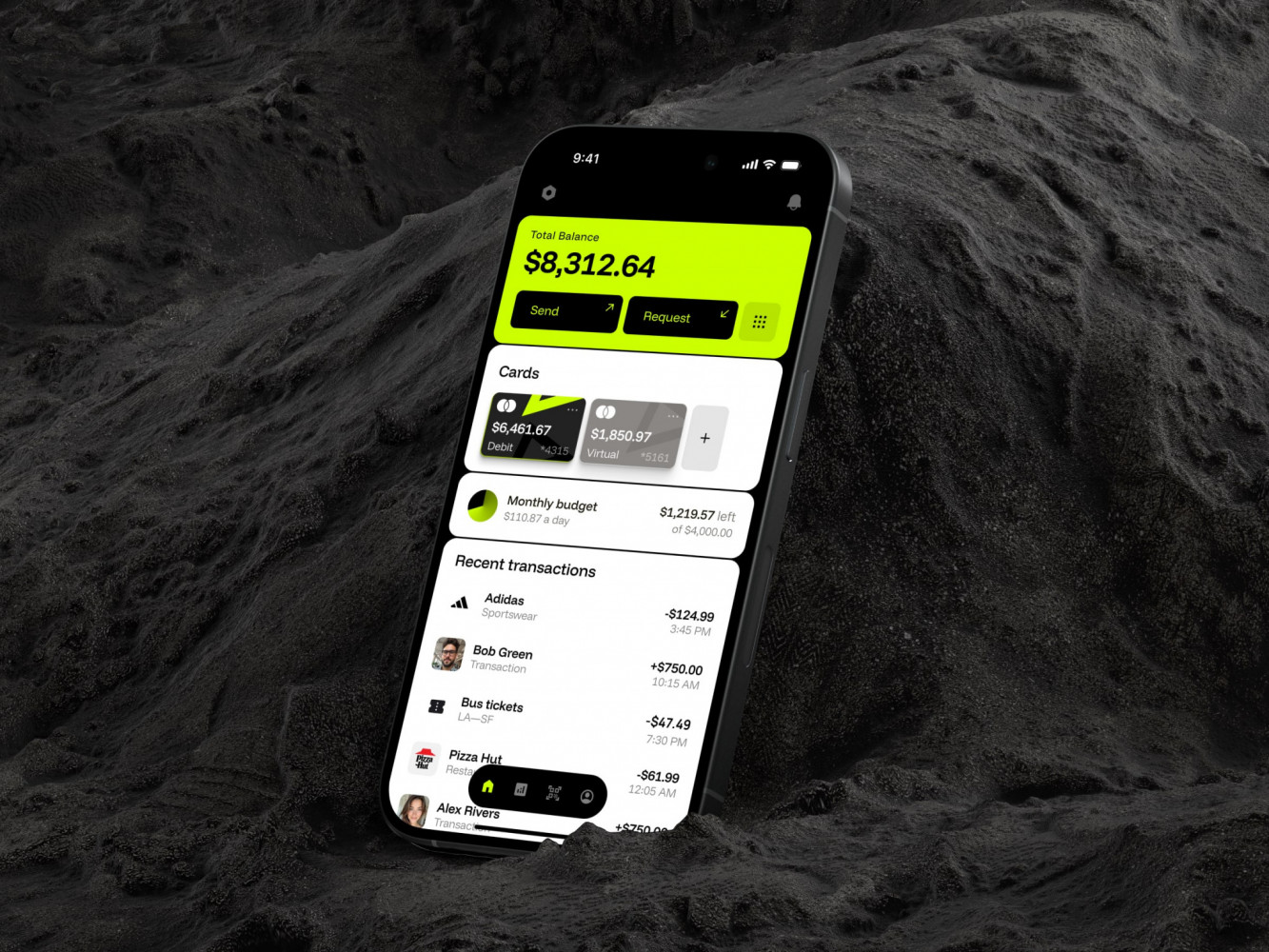
Mobile Banking App by Conceptzilla
Banking Software Development Process
Building such apps is far from launching a new social media app. You can’t just “move fast and break things.” In fact, if you break things here, you might lose your license or face massive fines. It’s a high-wire act without a net. But don’t let that scare you off entirely. If you follow a solid process, you can navigate the chaos. Here’s how it usually goes down, step by step.
Step 1. Product Strategy and Compliance Planning
Before a single line of code is written, you need to get really clear on what you’re actually building. Are you launching a full-blown digital bank with your own charter? A niche fintech platform solving one specific problem, like cross-border payments? Or maybe a financial service application that sits on top of existing banks? The answer changes everything: your budget, your timeline, and your tech stack.
And right alongside that definition, you have to tackle the beast: compliance. You can’t treat this as an afterthought. In custom banking software development, you need to assess the regulatory requirements in your target market immediately. Is it GDPR in Europe? CCPA in California? Specific banking licenses in Singapore?
Founders who skip this step or think they can “fix it later” end up burning months of development time rewriting core features. Do the homework first. It’s boring, sure, but it saves your life later.
Step 2. UX/UI Design for Banking Applications
Once the strategy is set, it’s time to design. But designing for money is different. You are trying to build trust. Users are anxious about their cash. Your job is to calm them down.
You need to design secure and intuitive banking dashboards. Clarity is king. If a user can’t find their balance or understand a transaction fee in three seconds, you’ve failed.
At the same time, you have to optimize the user experience for financial management and transactions. This means reducing friction. Can they transfer money in two taps? Can they freeze a lost card instantly?
For a banking software development company, it’s a delicate balance between security (which often adds steps) and ease of use (which removes them). Get it wrong, and people abandon the app. Get it right, and they tell their friends.
Step 3. Choosing the Technology Stack
There’s no single “best” stack, but there are definitely industry standards for a reason. Stability and security trump trendy new frameworks here.
For the backend, you’ll mostly see languages known for robustness and strong typing. Java and C# are the old guard—they’re everywhere in enterprise banking for a reason. But don’t sleep on Node.js for handling high-concurrency I/O, or Python (specifically with FastAPI) if you’re doing heavy data lifting or AI integration.
On the frontend, speed and interactivity matter. React is the giant in the room, offering a huge ecosystem of libraries. Vue is another great option if you want something slightly lighter and easier to pick up.
For databases, consistency is non-negotiable. PostgreSQL is the go-to for relational data because it’s rock-solid and ACID-compliant. You’ll likely pair that with Redis for caching and speeding up those real-time session checks.
And for infrastructure? It’s almost all containerized now. Docker ensures your app runs the same way everywhere, and Kubernetes manages the scaling when traffic spikes.
Step 4. Banking System Architecture
How do you put these pieces together? The days of the massive, monolithic block of code are fading fast for new builds.
Today, the standard of core banking software development is a microservices architecture. Why? Because it allows for scalable financial platforms. If your payment service gets hammered during Black Friday, you can scale just that service without taking down the whole loan origination system. It isolates failures, too. If one microservice crashes, the rest of the bank stays online.
Crucially, these services talk to each other (and the outside world) via secure APIs. These aren’t just open doors; they are heavily guarded gates with strict authentication and rate limiting. They are the lifelines for integrations with the broader financial ecosystem.
And speaking of ecosystems, don’t forget the rising role of distributed ledgers. Many modern setups now incorporate blockchain infrastructure for financial systems to handle things like cross-border settlements or smart contracts with extra transparency. It’s not always the main engine, but having that capability ready in your architecture can be a huge game-changer down the road.
Step 5. Integrations with Financial Ecosystems
No bank is an island. Your software is useless if it can’t talk to the rest of the financial world. This stage is all about integrations.
You’ll need to connect to payment networks (Visa, Mastercard, SWIFT) to move money. You’ll hook into credit bureaus to pull scores for lending decisions. You might subscribe to financial data providers for market rates or identity verification.
And increasingly, you’ll be using fintech APIs to offer extra features for your financial data analytics platforms, like investment tracking or crypto exchanges. Some banks go further and offer a built-in crypto wallet next to regular accounts. Each integration is a potential point of failure, so robust error handling and fallback mechanisms are critical for digital banking software development. It’s like building a bridge; if one pillar cracks, the whole thing wobbles.
Step 6. Testing and Security Audits
Here is where the rubber meets the road, and honestly, where many projects hit a wall. You cannot skimp on testing. We aren’t just talking about “does the button work?” We’re talking rigorous financial system testing to ensure every cent is accounted for under every possible scenario.
Then comes compliance verification. You need proof for the regulators that your system does exactly what you say it does regarding AML, KYC, and data privacy.
Finally, the scary part: security and penetration testing. You hire ethical hackers to try and break into your system. They will poke, prod, and exploit every weakness they can find. It feels a little invasive, but finding a hole now is infinitely cheaper than finding it after a breach makes the news. Treat this phase with the utmost seriousness.
Step 7. Deployment and Maintenance
You’ve bilt it, tested it, and survived the audits. Now you launch. But in online banking software development, deployment is just the start of a new cycle.
You need constant infrastructure monitoring and support. If latency spikes or error rates creep up, you need to know before your customers do. Also, you need to release continuous compliance updates. Regulations change constantly. Your software has to be agile enough to adapt to new rules without a total rewrite.
Finally, plan for platform scaling and maintenance. As you grow, your architecture will need to evolve. Traffic patterns change, new features are added, and technical debt accumulates. Keeping the machine oiled and running smoothly is a full-time job. It’s a real marathon.
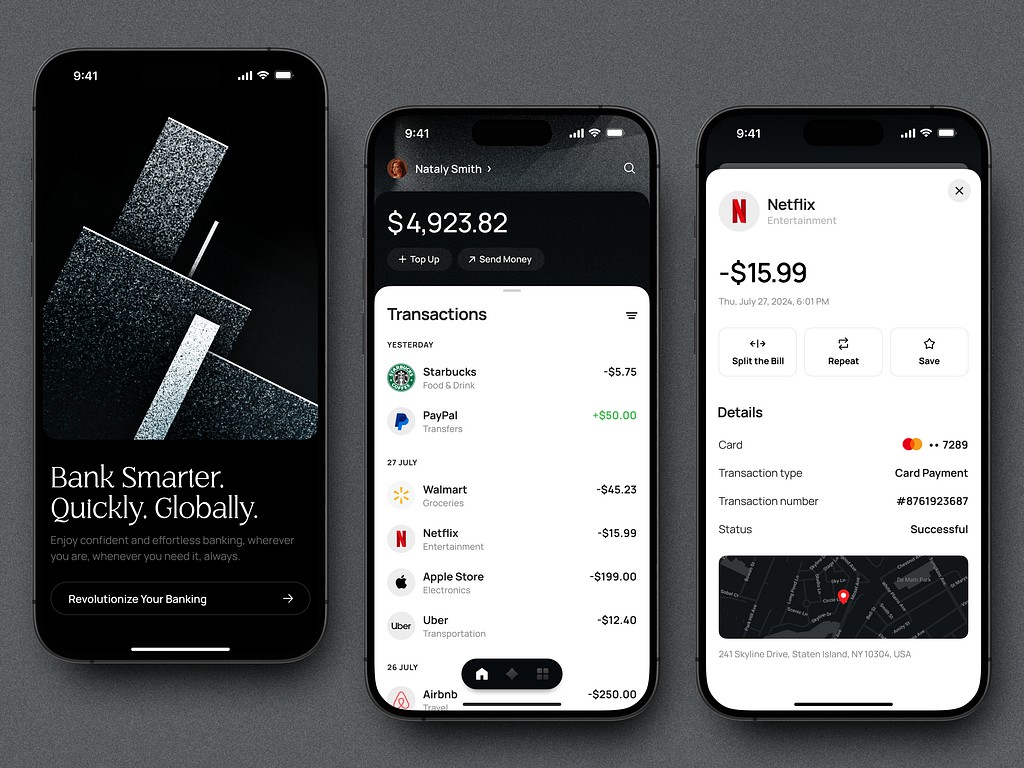
Fintech Mobile App UI Design by Shakuro

Cost of Banking Software Development
If you’ve ever asked a developer for an estimate and gotten a vague “it depends” shrug, you know the frustration. In banking software, “it depends” is actually the most honest answer you’ll get, because the price tag can swing wildly. Why? Well, it comes down to a few heavy hitters that drive the budget up or down.
First off, platform complexity is the biggest driver. Are you building a simple peer-to-peer payment app or a full-service bank that handles mortgages, investments, and international wires? The more features you pack in, the more logic you need to write, test, and secure. A simple app might take a small team six months. A complex system means years of work for dozens of engineers.
Then, fintech banking software development has regulatory requirements. This is where budgets often blow up unexpectedly. Compliance is a massive engineering effort. You need audit trails, data residency controls, specific reporting engines, and rigorous identity verification flows. Depending on your target market (say, the US vs. the EU vs. Asia), the rules change, and so does the cost of implementing them. Ignoring this to save money upfront is like buying a cheap parachute—it might look fine until you jump.
Don’t forget integrations with financial services. Your platform doesn’t live in a vacuum. You need to connect to core banking systems, card networks, credit bureaus, and maybe even legacy mainframes. Some of these integrations are plug-and-play with nice modern APIs. Others are ancient, poorly documented, and require custom middleware that costs a fortune to build and maintain. Every new connection adds time and risk.
Also, security infrastructure. You can’t skimp here. We’re talking encryption at rest and in transit, hardware security modules (HSMs) for key management, advanced fraud detection AI, and 24/7 monitoring systems. Building a fortress isn’t cheap, but the cost of a breach is infinitely higher. It’s one of those things where you pay now or pay way more later.
Example Development Scenarios
To make this a bit less abstract, let’s look at two common scenarios. These aren’t exact quotes for banking platform development, but they give you a rough idea of the scale.
MVP Digital Banking Platform
Let’s say you’re a startup founder wanting to launch a neobank for freelancers. You need an MVP. This would include basic account opening with KYC, a debit card issuance, peer-to-peer transfers, and a simple mobile app. You’d likely use a Banking-as-a-Service (BaaS) provider to handle the heavy lifting of the core ledger and compliance, focusing your dev efforts on the user experience.
- Team: Small squad (1 PM, 1 designer, 3-4 backend/frontend devs, 1 DevOps/security specialist).
- Timeline: 6 to 9 months.
- Estimated cost: ~ $250,000 to $600,000.
You’re renting a lot of infrastructure. It gets you to market fast, but your margins might be thinner, and you have less control over the core logic. It’s a trade-off: speed and lower upfront cost versus long-term flexibility.
Enterprise Banking System
A mid-sized regional bank decides to replace its 30-year-old legacy core with a modern, custom-built digital platform. They want full ownership of the code, deep customization for their specific loan products, and direct connections to every major payment rail. No BaaS shortcuts here.
- Team: Large, cross-functional teams (multiple product managers, UX researchers, 20+ banking software developers, dedicated security and compliance officers, QA automation engineers).
- Timeline: 18 to 36 months (or more).
- Estimated cost: $5 million to $20 million+.
This is a marathon. The costs include massive migration efforts, parallel running of old and new systems, extensive regulatory audits, and change management for thousands of employees. It’s expensive and painful, but the payoff is total control, scalability, and potentially lower operational costs down the line.
Banking software development scenarios side by side:
| Banking platform | MVP digital banking platform | Enterprise banking system |
| Scope | Account opening with KYC, debit card issuance, P2P transfers, simple mobile app on a BaaS provider | Custom core replacing a legacy system, custom loan products, direct connections to every major payment rail |
| Team | 1 PM, 1 designer, 3-4 backend/frontend devs, 1 DevOps/security specialist | Multiple product managers, UX researchers, 20+ developers, security and compliance officers, QA automation engineers |
| Timeline | 6 to 9 months | 18 to 36 months (or more) |
| Estimated cost | ~ $250,000 to $600,000 | $5 million to $20 million+ |
So, where do you fit in? Are you looking to sprint with an MVP or build a fortress for the long haul? There’s no wrong answer, but knowing which path you’re on helps you prepare your wallet for the journey ahead. It’s a big investment, no doubt.
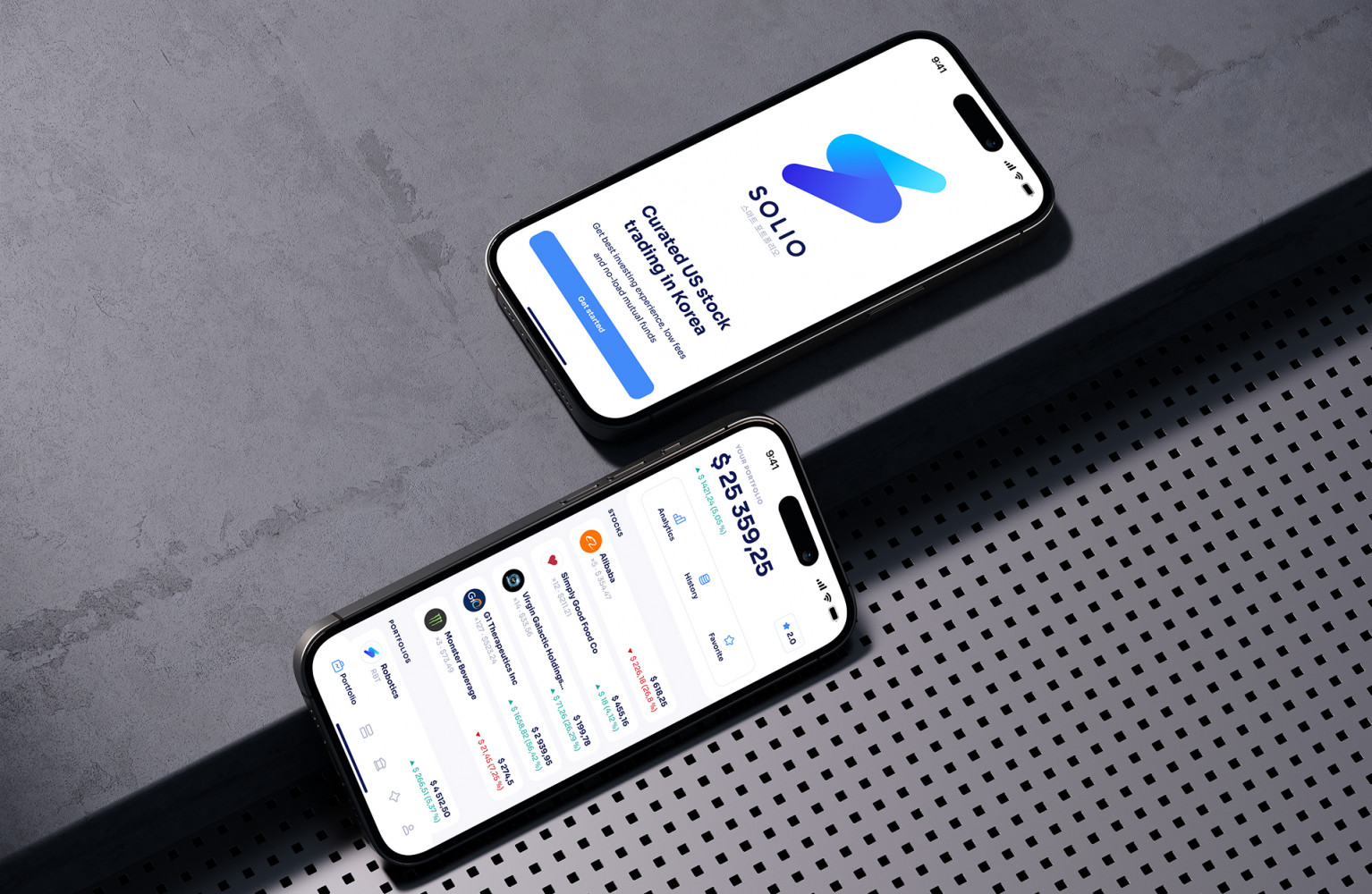
Solio app by Shakuro

Common Challenges in Banking Software Development
If building such apps was easy, everyone would be doing it. But the barrier to entry is the sheer number of hurdles you have to jump over without tripping. Even with the best team and the biggest budget, you’re going to hit walls. It’s just part of the job. Let’s talk about the big ones.
Strict Regulatory Requirements
Regulations are everywhere, they change constantly, and honestly, they can be a bit of a nightmare. You might think you’ve covered all your bases for GDPR or PSD2, and then some new rule drops in a different jurisdiction you’re eyeing for expansion. Suddenly, your whole data flow needs a rethink.
Auditors love details when it comes to custom banking software development. They want logs, trails, and evidence for everything. This often slows down process velocity significantly. You can’t just push code to production on a Friday afternoon anymore. Every release needs a compliance sign-off, which feels like bureaucracy overload sometimes.
It’s the price of playing in the financial sandbox. Ignore it, and you get shut down.
Security and Data Protection Challenges
If regulations are the rules of the game, security is the field you’re playing on, and it’s mined. Banks are prime targets. We’re talking about state-sponsored hackers, organized crime rings, and script kiddies all trying to find a crack in your armor.
Protecting customer data is existential. You need encryption everywhere (at rest, in transit, even in memory sometimes). You need robust identity management, multi-factor authentication that doesn’t annoy users too much, and real-time threat detection. Especially for a crypto payment infrastructure.
And obviously, security turns into a constant arms race. As soon as you patch one vulnerability, three new ones pop up. It’s exhausting, really. One breach, and your reputation is toast. Trust takes years to build and seconds to lose.
Legacy System Integrations
Ah, legacy systems. The ghost in the machine. Most established banks are trying to bolt shiny new digital features onto core systems that were built when disco was still popular. We’re talking mainframes running COBOL, databases that haven’t been touched in decades, and APIs that, well, don’t exist.
Integrating modern microservices with these dinosaurs is like trying to connect an iPhone to a telegraph machine. It requires layers of middleware, custom adapters, and a lot of prayer. Data formats don’t match, response times are glacial, and documentation is often nonexistent (or written by someone who retired twenty years ago).
You agree that sounds frustrating, doesn’t it? It is. Instead of actual banking platform development, you devote a huge chunk of development time just to making the new stuff talk to the old stuff without crashing the whole system.
High Transaction Volume Handling
Finally, let’s talk scale. If your system chokes during a peak moment on Black Friday or payroll day, people can’t pay for groceries or rent. That’s a crisis.
Handling high transaction volumes requires architecture that can scale instantly. You need systems that process thousands of transactions per second with zero downtime and absolute data consistency. No double-spending, no lost records.
The art of reaching peak performance while maintaining high security and compliance requirements is a gigantic engineering effort. It requires the use of clever caching, smart database sharding, and robust message queues. Then, of course, there are the inevitable hiccups, for which you need failover systems to come to the rescue before people even realize anything went wrong. It’s like a fine balancing act between speed, reliability, and costs.
I mean, it’s not like it’s easy. But by realizing these challenges ahead of time, you can actually plot them out. You can’t avoid these challenges, but you can certainly gear up to face them. Only, of course, it’s not going to be easy.

Mobile Banking App by Coneptzilla
Our Experience in Fintech and Banking Platform Development
You can have the best idea in the world, but without a team that knows the terrain, it’s just a theory. That’s where we come in.
We’ve spent more than 19 years deep in the trenches of fintech, helping founders and established institutions turn complex financial concepts into working, easy-to-use digital products. Apart from just writing code, our team gathers the latest insights and understands the pulse of the financial world.
Over the years, we’ve honed our expertise in a few key areas:
- Digital finance products: Everything from neobanks to micro-lending apps. We focus on user experiences that make people actually want to manage their money.
- Scalable fintech architectures: We build for the day you hit a million users. Our systems are designed to stretch without snapping.
- SaaS financial systems: We know how to create multi-tenant architectures that keep data separate and secure. So we are experts at building B2B payment platforms or white-label banking solutions.
- Financial analytics platforms: Data is the new oil, but only if you can refine it. We build dashboards and engines that turn raw transaction logs into actionable insights. They speed up decision-making and automate small tasks with AI.
Case Study: ZAD—A Shariah-Compliant Fintech Platform
But honestly, talking about “expertise” is one thing. Showing you what we’ve actually done is another. Let me tell you about a project that represents our skills: ZAD.
It’s a shariah-compliant fintech platform that combines robo-advisor and trading functionality. That’s why it had to be fully aligned with Islamic finance principles. Now, if you’re not familiar with this space, it adds a whole other layer of complexity. You aren’t just checking standard regulations; you’re engineering software that adheres to religious law.
Shariah-Compliant Financial Models
In conventional banking, interest (Riba) is the engine. In Islamic finance, it’s forbidden. So, we couldn’t just take a standard lending module and tweak the UI. We had to rebuild the logic from the ground up with a full range of Shariah-compliant investments, including Sukuk (an alternative to conventional bonds). Coding this required a deep understanding of the financial contracts themselves. One wrong calculation, and the whole product becomes noncompliant.
Ethical Investment Platforms
ZAD also needed an investment arm that screened assets based on ethical guidelines. No alcohol, no gambling, no excessive debt ratios. We had to analyze potential investments against these criteria before a user could even see them. It was a core part of the decision-making architecture. This showed our ability to handle complex business logic that goes beyond simple “if-then” statements. It’s about embedding values into the code.
Secure Financial Product Architecture
Of course, none of this matters if the vault isn’t locked tight. The Capital Market Authority (CMA) and Saudi Central Bank (SAMA) provide strict guidelines for data privacy and cybersecurity. For ZAD, security was paramount, not just for standard reasons but because trust in the ethical nature of the platform was the main selling point. We designed a secure architecture that isolated sensitive user data, encrypted transaction details end-to-end, and ensured that the specific Shariah-compliant workflows couldn’t be bypassed or manipulated. A multi-step login process, PIN codes, and Face ID are just a few parts of the defence we’ve built.
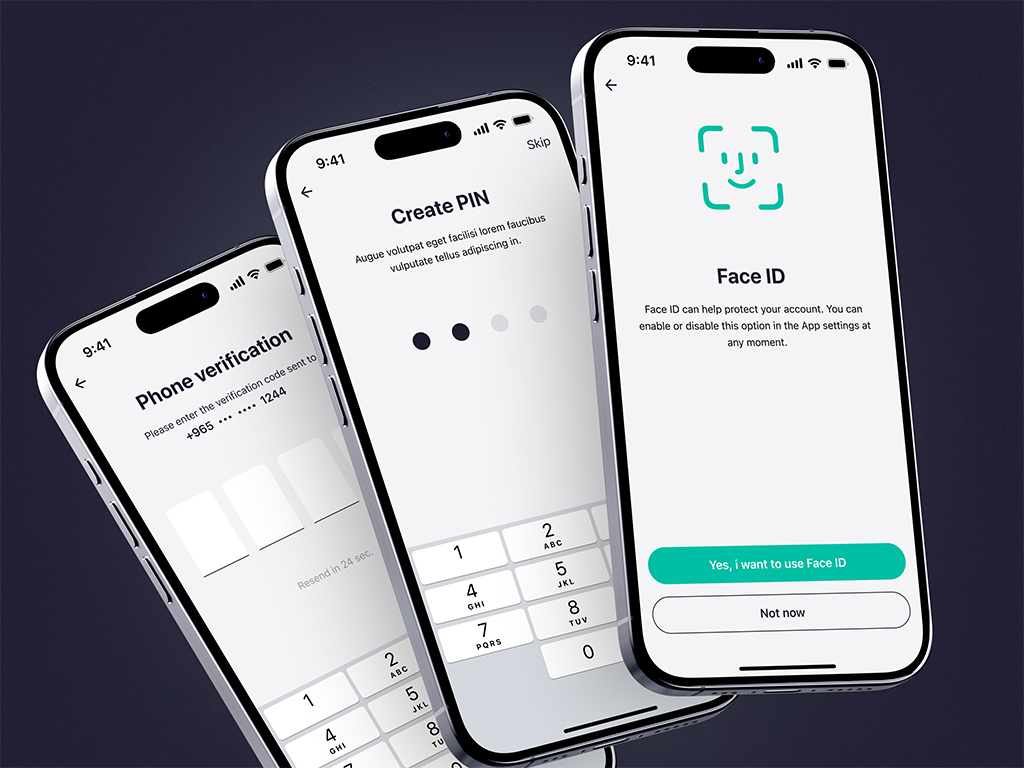
Silent authentication for ZAD app by Shakuro
Why Work with a Banking Software Development Company
You could try to build this in-house. Hire a few sharp devs, buy some coffee, and hope for the best. More often than not, you end up burning cash on mistakes that an experienced team would have sidestepped before breakfast. So, partnering with a specialized banking software development company changes the game. It’s about buying peace of mind and decades of hard-won wisdom.
Strong Expertise in Financial System Architecture
Money has to balance to the penny every single time. There’s no “close enough” in banking. An experienced fintech engineering team brings strong expertise in financial system architecture that generalist devs just don’t have. They know how to design ledgers that don’t crack under pressure. They understand idempotency (making sure a payment doesn’t process twice if the internet blips) and eventual consistency.
Trying to learn this on the fly is expensive. You might spend six months building a feature only to realize your data model can’t handle a specific type of refund or split payment. A specialized partner has seen it all before. They’ve built the plumbing for systems that move billions. They know which corners you can cut and which ones will make the whole building collapse.
It’s like hiring a surgeon versus a general practitioner for heart surgery. Both are doctors, but you want the one who’s done the procedure a thousand times.
Compliance and Regulatory Knowledge
As we talked about earlier, rules like KYC, AML, PSD2, and GDPR are the law in digital banking software development. And they vary wildly depending on whether you’re operating in London, New York, or Singapore. Keeping up with this stuff is a full-time job in itself.
When you work with a dedicated fintech partner, you get compliance and regulatory knowledge baked right into the development process. It’s part of the DNA. They know what auditors look for. They know how to structure data logs so you pass inspections without breaking a sweat. Honestly, this alone can save you months of rework. Sometimes startups pivot their entire product because they missed a subtle regulation in a new market.
A good partner spots those traps early. It’s having a co-pilot who knows exactly where the icebergs are hidden.
Scalable and Secure Banking Platforms
Finally, let’s talk about the end result. You need a platform that grows with you. Core banking software development is a specialty. It requires knowing how to architect systems that can handle ten users today and ten million tomorrow without rewriting everything from scratch.
Experienced teams know how to implement microservices correctly, how to secure APIs against the latest threats, and how to ensure your infrastructure doesn’t crumble during a traffic spike. Security is woven into every line of code they write. They employ tried and tested patterns to encrypt data, manage identities, and detect fraud.
By working with them, you’re basically using the shoulders of giants to stand on. What this means is you’re using a platform that’s already strong right out of the box, scalable, and strong enough to withstand the attentions of both hackers and regulators.
So, is it worth it? The answer is yes. Let’s put it this way: you’re paying for speed to market, security, and assurance that you’re building on solid ground. In an industry where trust is everything, this is basically priceless. Not to mention it lets you get on with what you do best, which is building your business vision, and lets the experts get on with making it happen.
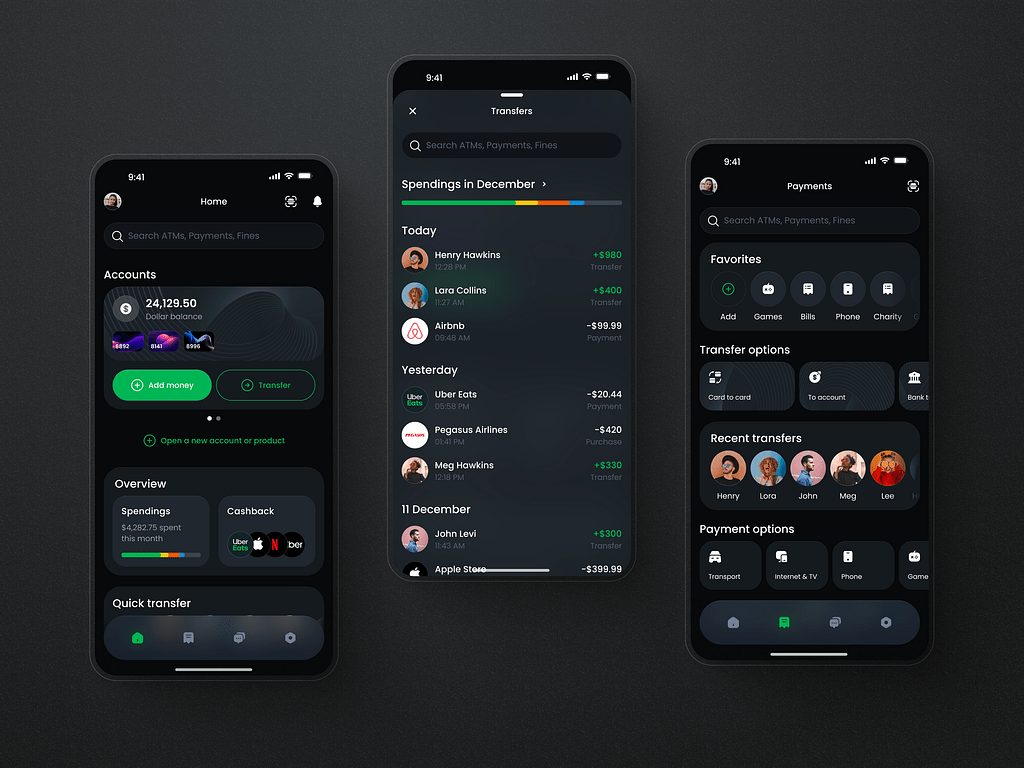
Dark theme for a fintech app by Shakuro
FAQ
How much does banking software development cost?
An MVP digital banking platform built on a BaaS provider costs ~ $250,000 to $600,000, while an enterprise system that replaces a legacy core costs $5 million to $20 million+. Platform complexity drives the price most, followed by regulatory work such as audit trails and data residency controls, integrations with card networks, credit bureaus and old mainframes, and security infrastructure like HSMs and constant monitoring.
How long does banking software development take?
A neobank MVP with KYC onboarding, debit cards, peer-to-peer transfers and a simple mobile app takes 6 to 9 months. Replacing a regional bank’s legacy core with a custom platform takes 18 to 36 months or more, including data migration and running old and new systems in parallel. Every release needs a compliance sign-off, so plan for slower delivery than in ordinary product work.
What team does banking software development need?
A small MVP squad is typically 1 PM, 1 designer, 3-4 backend/frontend devs and 1 DevOps/security specialist. Enterprise banking systems need large cross-functional teams: multiple product managers, UX researchers, 20+ banking software developers, dedicated security and compliance officers, and QA automation engineers. The difference reflects scope, since an enterprise build also covers migration, audits and deep customization of loan products.
Should a digital banking MVP use Banking-as-a-Service or a custom core?
For an MVP, a Banking-as-a-Service provider usually makes sense because it handles the core ledger and compliance while your team focuses on the user experience. The trade-off is thinner margins and less control over core logic. A custom core fits institutions that want full code ownership, deep customization of their own products and direct connections to every major payment rail, and can fund a much longer build.
What compliance requirements does banking software development have to cover?
Banking software has to support KYC identity checks, AML transaction monitoring, and data rules such as GDPR in Europe or CCPA in California, plus open banking rules and APIs where they apply. Licenses and reporting differ by market, so assess them before design starts. Before launch you need compliance verification for regulators, financial system testing and penetration testing by ethical hackers, and later each release needs sign-off.
How do I choose a development partner for banking software?
Look for engineers who have designed ledgers that balance to the penny and can explain idempotency and eventual consistency in plain terms. They should know KYC, AML, open banking rules and GDPR across the markets you target, structure logs the way auditors expect, and have experience with microservices, API security and legacy core integration. Ask how their past systems handled refunds, split payments and traffic spikes.
Final Thoughts
What does this all mean? Well, if you’re still with me up to this point, I suspect you’re getting the sense that creating a banking platform is complex, critical, and not something to be taken lightly or done on the fly.
Okay, enough of that. Let’s step back again and look at the broad picture, shall we? What we’ve been looking at is a cycle of continuous evolution. It starts with a spark of an idea (the concept), moves into the heavy lifting of designing a system that won’t collapse under its own weight (architecture), then into the gritty reality of writing code (fintech banking software development). From there, you launch into the wild (deployment), and finally, you face the ultimate test: can it handle millions of users without breaking a sweat (scaling)? Miss a step, or rush through one, and the whole thing wobbles. It’s a marathon, remember? And pacing yourself is key.
If you take nothing else away from this guide, hold onto these four pillars. They are the non-negotiables.
- Security: This is your foundation. Without it, you have nothing. One breach can erase years of hard work overnight.
- Compliance: It’s the guardrail that keeps you on the road. Ignore it, and you’ll crash before you even start.
- Scalability: You want to grow, right? Your tech needs to be ready for that growth, not holding you back.
- Reliability: In banking, “oops” isn’t an acceptable answer. Your system has to work every time, no excuses.
If you’re a financial institution looking to modernize or a fintech entrepreneur willing to challenge the status quo, here’s the unvarnished truth: don’t try to reinvent the wheel when it comes to engineering. Instead, work with established banking software developers who have skin in the game. Look for a team that has learned from the mistakes, successfully navigated the complex web of regulations, and developed systems that work. Building a reliable and safe banking system is the hardest part of this journey, but it is also the most rewarding.
So what’s next for you? Are you ready to stop dreaming and start building? Let’s get started.
Related reading