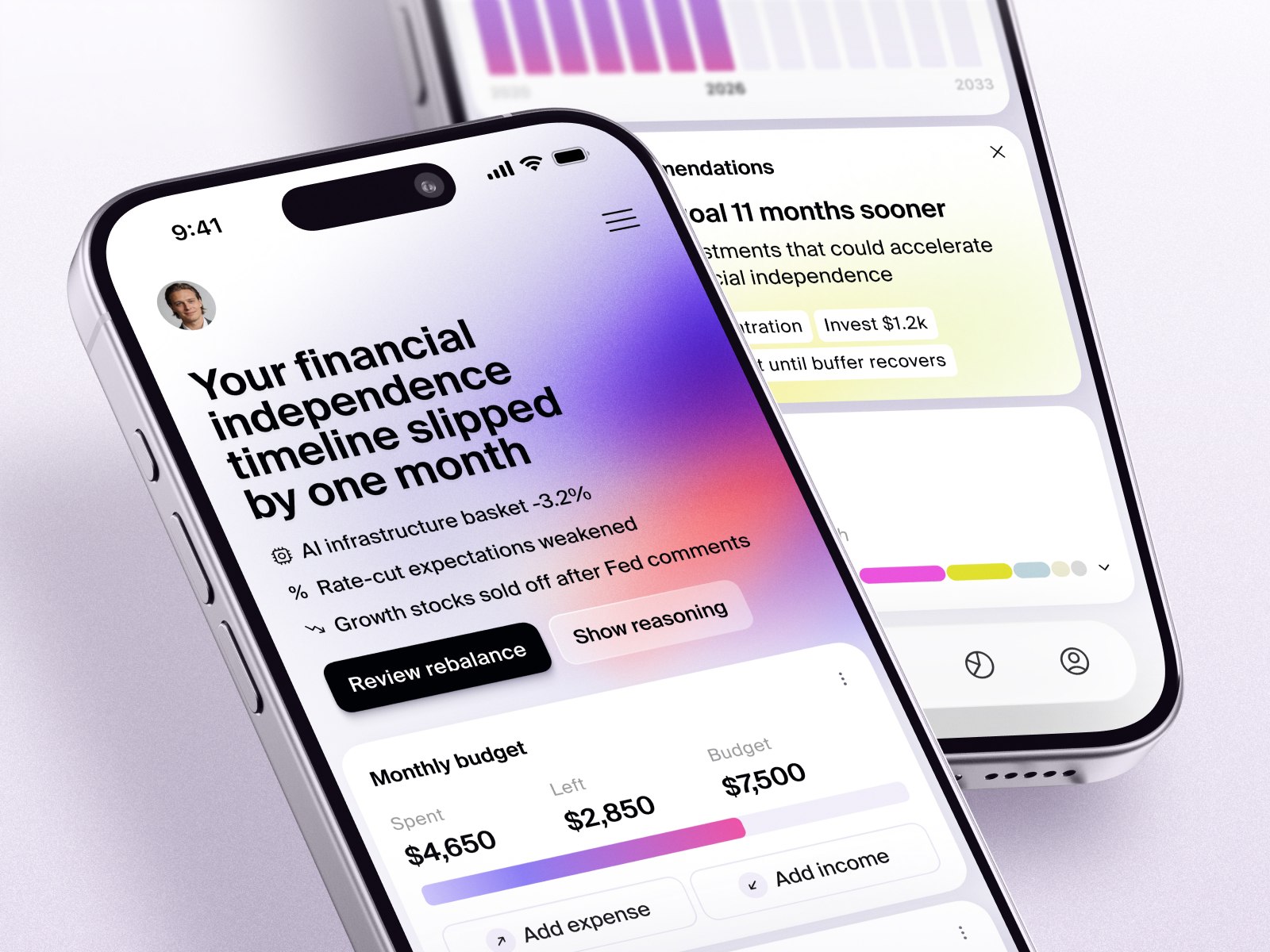
Building a wealth management platform sounds exciting right up until the first real product questions appear.
How do you make portfolio data feel clear instead of scary? What should be automated, and what still needs a human advisor? How do you handle KYC, risk profiling, integrations, security, market data, reports, permissions, and all those “small” edge cases that somehow eat half the roadmap? Well, you know, fintech has a special talent for looking neat in a pitch deck and then becoming very real once development starts.
Founders and product owners usually don’t struggle because they lack ambition. It’s the opposite. They see the opportunity: more people want digital access to investing, planning, and financial advice. Advisors want better tools. Banks, RIAs, family offices, and fintech startups all want to serve clients faster without making the experience feel cold or generic. Sounds good, right? But then comes the hard part: turning trust into screens, workflows, and backend logic.
A wealth management platform is not just another dashboard with a few charts. It has to help people make decisions about their money, sometimes a lot of money, while feeling calm, informed, and in control. One confusing risk question, one overloaded stock page, one vague report, and users start hesitating.
So in this guide, we’ll walk through what this type of development actually involves: core features, architecture, integrations, security, development stages, costs, and the annoying-but-important challenges people often underestimate. If you’re planning to build a digital wealth product, this should help you see the road ahead with fewer surprises.
What Is a Wealth Management Platform
At its core, it’s a digital system for managing investment portfolios, financial planning, client-advisor collaboration, reporting, onboarding, and compliance workflows. But here’s where it gets tricky. You see, people tend to use this term as a catch-all bucket for anything that touches money and tech. And honestly, that causes a lot of confusion when you’re trying to build or buy one.
Not all platforms are created equal. Some are just sleek front-ends for clients to check their balances. Others are heavy-duty back-office engines that advisors live in all day. Let’s break down the differences, because mixing these up is a classic mistake founders make more than once.
First, you’ve got your client-facing apps. These are what your users actually see on their phones. They’re all about transparency and ease of use—checking portfolio performance, maybe tweaking a risk setting, or uploading a document. It’s the “shop window,” if you will. Nice to look at, but it doesn’t do much heavy lifting on its own.
Then there are advisor workstations. This is where the real work happens for human-led firms. Think of it as the cockpit for financial planners. They need deep data, complex modeling tools, and ways to communicate with dozens (or hundreds) of clients at once. If the client app is the shop window, the advisor workstation is the stockroom and the accounting office combined. It’s usually clunkier, sure, but it’s packed with power.
Now, robo-advisors are a different beast entirely. In comparison with regular digital wealth management platforms, they’re automated. No human hand-holding. The platform is the advisor. It uses algorithms to allocate assets based on questionnaires and rebalances automatically. The tech stack here is heavily focused on automation and low-cost scalability. You don’t need fancy collaboration tools because, well, there’s no one to collaborate with. It’s just code doing its thing.
Finally, you have the full wealth management ecosystems. It’s an integrated suite that connects everything: the client app, the advisor tools, the trading engine, the compliance checks, and the reporting modules. It’s designed to handle the entire lifecycle of a client relationship, from that first awkward onboarding call to years of portfolio management. Building one of these? Yeah, it’s a marathon, not a sprint.
So, knowing which lane you’re in—or which lanes you want to merge—is pretty crucial before you write a single line of code.
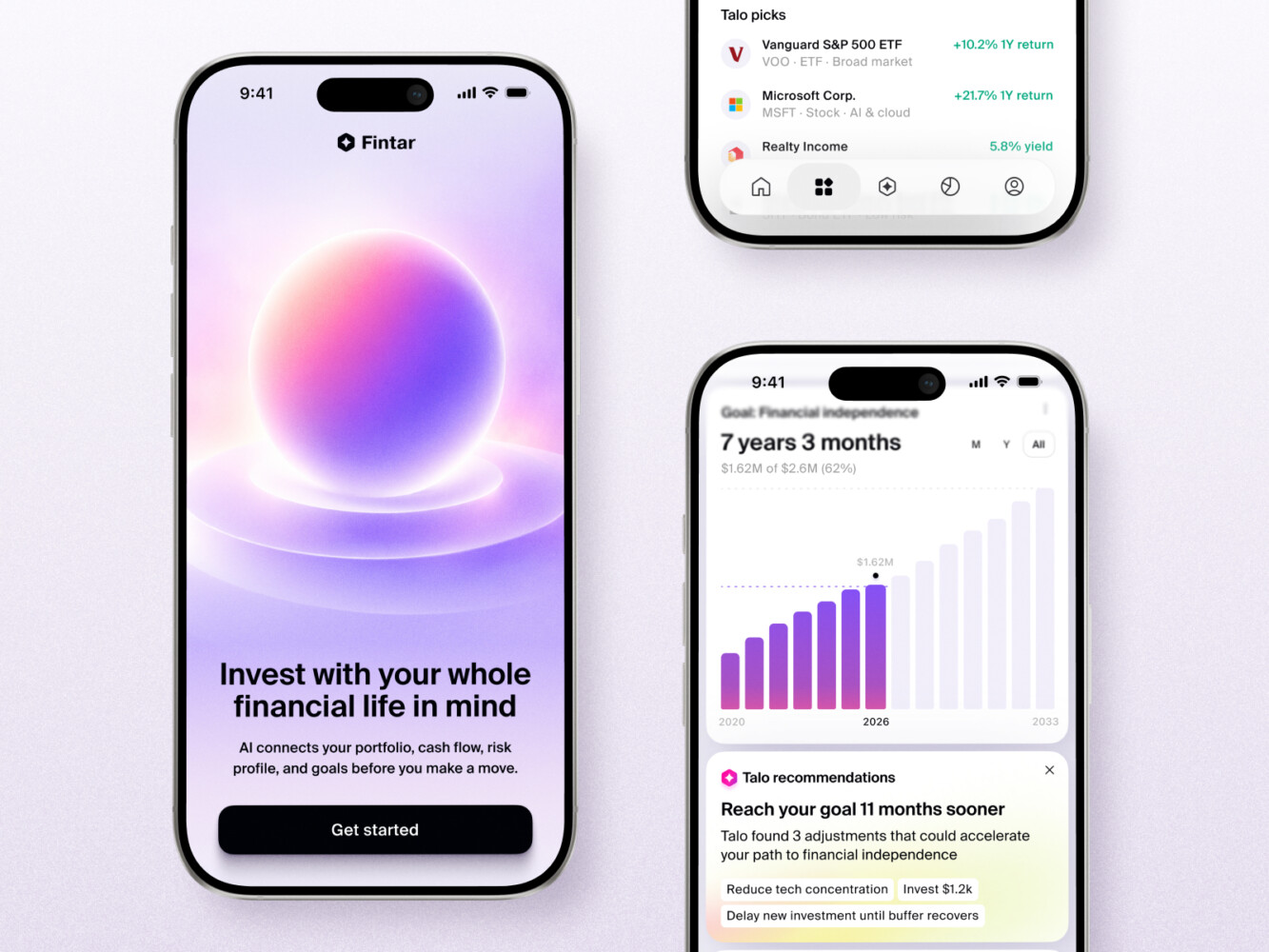
AI Wealth Copilot Mobile App Design by Shakuro
Why Financial Companies Build Digital Wealth Management Platforms
Client expectations have shifted dramatically. People today want their money management to feel as easy as ordering a pizza. They want instant answers, clear visuals, and zero friction. If they have to call an office and wait three days for a statement, they’re gone. It’s harsh, but true. This demand for portfolio transparency and self-service isn’t a nice-to-have anymore; it’s table stakes. Clients want to see exactly where their money is, how it’s performing, and why certain decisions were made, all in real-time.
As for the operational side, many firms are drowning in spreadsheets and manual data entry. It’s painful to watch. Building a digital platform is often about survival, honestly. It drives operational efficiency by automating the boring stuff—rebalancing, reporting, compliance checks. This frees up humans to do what humans do best: build relationships. When you aren’t stuck fixing broken Excel formulas, you can actually listen to your clients’ life goals.
This leads us to the hybrid advisory model, which is kind of the sweet spot right now. You get the scale of automation with the trust of a human touch. It’s scalable client servicing without feeling robotic. You can handle ten times the clients without hiring ten times the staff.
Now, who’s actually doing this? Everyone, basically, but for different reasons.
- RIAs (Registered Investment Advisors) are using wealth management software platforms to compete with the big guys. They need to look professional and tech-savvy to win over younger wealth transfers. Many younger investors already follow trading ideas on social trading apps and expect similar community features.
- Banks are trying to stop losing customers to fintechs. They’re building platforms to keep everything under one roof, hoping convenience will win out.
- Family offices have unique needs. They’re not just managing stocks; they’re handling complex estates, private equity, and next-gen education. Their platforms need to be hyper-customized.
- Fintech startups are born digital. For them, the platform is the product. They’re pushing the boundaries on UX and AI-driven insights because they don’t have legacy baggage holding them back.
- Investment firms are looking to democratize access. They want to offer sophisticated strategies to smaller investors, which is only possible through robust digital infrastructure.
Core Features of a Wealth Management Software Platform
Alright, let’s pop the hood and look at what actually makes these platforms tick. If you’re building one or even just evaluating vendors, this is the meat of the matter.
Client Onboarding and KYC/AML Checks
This is usually the first hurdle, and honestly, it’s where a lot of potential clients drop off. A good platform makes this painless. We’re talking about digital identity verification, maybe even using biometrics or AI to scan IDs. But it’s not just about speed; it’s about security. You need robust KYC (Know Your Customer) and AML (Anti-Money Laundering) checks baked right in. If this part feels sketchy or takes forever, trust evaporates instantly. It’s a bit annoying to build because regulations change constantly, but getting it right sets the tone for the whole relationship.
Goal-Based Financial Planning
People don’t just want to “invest.” They want to buy a house, send kids to college, or retire early. A solid platform lets users define these goals and maps their investments directly to them. It’s more engaging than just showing a pie chart of stocks. When clients can see how their daily contributions move the needle on their “Dream Vacation” fund, they stick around longer. It turns abstract numbers into real-life outcomes.
Portfolio Aggregation and Asset Allocation
Clients often have money scattered everywhere—401ks, old IRAs, crypto wallets, you name it. A top-tier wealth management digital platform aggregates all these external accounts so the user gets a single view of their net worth. From there, the system helps with asset allocation. Are they too heavy in tech stocks? Is their bond exposure lacking? The software should flag these imbalances and suggest adjustments based on their risk profile.
Performance Dashboards and Reporting
Let’s be honest, most people only check their investments when the market is up. But when they do look, they want clarity. Dashboards need to be intuitive, not overwhelming. Show the gains, sure, but also explain the why. Customizable reporting is key here. Some clients want a simple one-pager; others want deep dives into sector performance. If your reporting engine is rigid, you’re going to hear about it. And not in a good way.
Risk Profiling and Suitability Questionnaires
Before you recommend a single stock, you need to know who you’re dealing with. Is this person a thrill-seeker, or do they panic if the market drops 2%? Digital risk profiling uses dynamic questionnaires to gauge tolerance and capacity for loss. It’s a legal safeguard and a practical tool. Matching products to a client’s actual comfort level prevents those awkward “why did you put me in this?” conversations later on.
Advisor-Client Messaging and Document Sharing
Communication breaks down when it’s fragmented. Email is insecure and messy. A built-in secure messaging channel keeps everything in one place. Need to share a tax document? Upload it directly to the portal. Want to clarify a trade? Chat securely. It creates a closed loop of communication that’s both compliant and convenient.
Robo-Advisory and Automated Rebalancing
In wealth management online platforms, automated rebalancing ensures portfolios stay aligned with their target allocation without manual intervention. If stocks surge and bonds lag, the system sells high and buys low automatically. For robo-advisors, this is the core engine. For hybrid models, it frees up advisors from tedious maintenance tasks. It’s efficient, emotionless, and consistent. Exactly what you want when dealing with money.
Tax Optimization, Alerts, and Compliance Logs
Nobody likes paying unnecessary taxes. Features like tax-loss harvesting can save clients real money by offsetting gains with losses. Plus, timely alerts for market events or portfolio thresholds keep clients informed. On the backend, every action needs a compliance log. Who changed what? When? Why? These audit trails are non-negotiable for regulatory peace of mind. It’s not the most exciting feature, but try operating without it. You won’t last long.
Admin Panel, Permissions, and Audit Trails
Finally, the control center. Not everyone should see everything. A robust admin panel allows you to set granular permissions. Junior advisors might see client data but not approve trades. Compliance officers need full visibility. And again, those audit trails? They’re vital here too. Knowing exactly who accessed what data and when protects both the firm and the clients. It’s the backbone of operational security. Honestly, if this part is weak, the whole house of cards feels shaky.
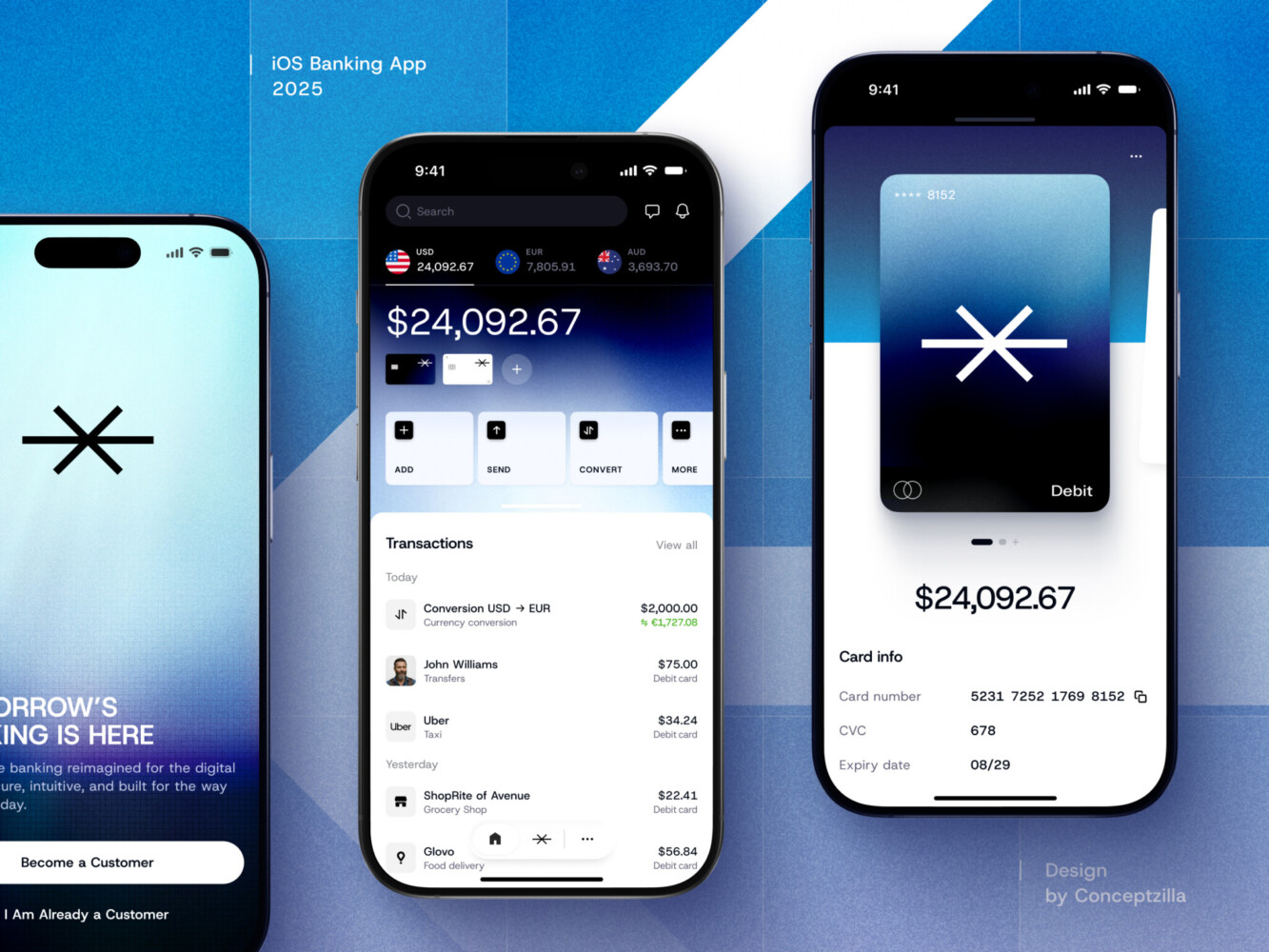
Mobile banking app by Conceptzilla
Wealth Management Platform Architecture
If your foundation is cracked, everything you build on top of it will eventually wobble.
So, how do you structure a wealth management platform so it doesn’t collapse under its own weight? Think of it in layers. It’s like an onion, but with more APIs and fewer tears (hopefully).
First, you’ve got the frontend web/mobile apps. This is what your clients touch. It needs to be fast, responsive, and secure. Whether it’s React, Vue, or native mobile code, this layer is purely about presentation and user interaction. It shouldn’t know anything about how the money is actually managed; it just asks for data and shows it nicely.
The advisor dashboard is a separate frontend, usually more complex. It’s built for power users who need density of information. They’re clicking through dozens of client profiles a day, so performance here is critical. It’s often a single-page application (SPA) that talks to the same backend but pulls different, deeper datasets.
Speaking of which, let’s get into the guts: the backend services. This is where the business logic lives. Instead of one giant block of code, modern platforms use microservices. One service handles user auth, another handles trade execution, and another manages documents. Why? Because if the document service goes down, you don’t want the whole trading engine to crash with it.
At the heart of it all is the portfolio engine. This is the brain. It calculates holdings, processes corporate actions (like stock splits or dividends), and handles rebalancing logic. It needs to be incredibly accurate. A rounding error here is a compliance nightmare. In my experience, this is the hardest part to get right initially because financial math is deceptively tricky.
Generating PDFs or interactive charts on the fly is heavy lifting. You don’t want your main app slowing down because someone requested a five-year performance report. So, you offload this to a dedicated reporting engine that can queue up jobs and spit out formatted documents without blocking other users.
Now, none of this exists in a vacuum. That’s where the integration layer comes in. You’re going to need to talk to custodians, market data providers, KYC vendors, and maybe even legacy banking systems. This layer acts as the translator, normalizing data from different sources so your internal systems don’t have to deal with fifty different API formats. It’s a bit of a headache to maintain, but essential.
All that data needs a home, right? Enter the data warehouse. While your operational database handles live transactions, the warehouse is for analytics. It stores historical data, allowing you to run complex queries about user behavior, asset trends, or advisor performance without slowing down the live app.
Digital wealth management platforms can’t exist without the compliance layer. This isn’t always a separate server, but it’s a distinct logical layer. It intercepts actions to check against rules—like “can this client buy this risky asset?” or “has this advisor completed their certification?” It’s the guardrail that keeps you out of trouble with regulators.
Underpinning everything is the infrastructure. Cloud providers like AWS or Azure give you the scalability to handle traffic spikes. Containerization (think Docker and Kubernetes) helps you deploy updates smoothly. It’s the plumbing that keeps the water flowing.
Here’s a quick thought on future-proofing: go modular. Don’t build a rigid block. Design your architecture so you can plug in new modules later. Maybe next year you want to add retirement planning tools. Or perhaps you’ll launch a trading module for active investors. If your core is modular, these aren’t massive rewrites; they’re just new pieces snapping into place. It saves so much pain down the road.
Key Integrations for a Wealth Management Online Platform
You’re not really building an island. You’re building a bridge. A really complex, secure bridge that connects your users to the rest of the financial world. If those connections are weak, the whole experience falls apart.
Let’s walk through the key integrations that make these platforms actually function.
First up, banking APIs. This is huge, especially with the rise of open banking. Instead of asking clients to manually upload statements (which, let’s be honest, they’ll forget to do), you connect directly to their bank accounts. It gives you real-time visibility into cash flow and external assets. It’s smoother for the user and gives you richer data for planning. Once clients see their full financial picture auto-populated, they’re way more engaged. It feels like magic, but it’s just good API work.
Unless you’re holding the assets yourself (which is a whole other regulatory can of worms), you need to talk to the places where the money actually lives. Brokerage and custodian APIs handle trade execution, settlement, and fetching position data. They’re often older, clunkier systems, so you’ll need a robust integration layer to translate their quirks into something your modern app can understand. It’s not always pretty, but it’s necessary.
Speaking of data, you need market data providers. You can’t manage portfolios if you don’t know what stocks are worth. Whether it’s real-time ticks for traders or end-of-day prices for long-term investors, you need a reliable feed. And remember, different asset classes—equities, bonds, crypto, alternatives—might need different providers. It adds up quickly.
For moving money in and out, payment systems are critical. ACH, wire transfers, maybe even instant payments depending on your region. The friction here needs to be near zero. If it takes three days and two phone calls to deposit funds, you’ve lost the vibe.
On the security front, KYC vendors are your best friends. Don’t try to build identity verification from scratch. Use specialists who handle document scanning, facial recognition, and database checks. They stay on top of changing regulations so you don’t have to. It’s a small cost for massive peace of mind.
Inside the firm, your platform needs to talk to your CRM. Advisors live in their CRMs. If client data from your wealth platform doesn’t sync over, they’re going to hate you. Double entry is the enemy of efficiency. Keep the data flowing both ways so everyone has a single source of truth.
When it comes to paperwork, document e-signing integrations are non-negotiable. Opening an account or approving a strategy should happen digitally. Integrating with tools like DocuSign or Adobe Sign keeps the workflow seamless and legally binding. No printing, no scanning, no faxing (please, no faxing).
To understand how people are using your wealth management platform, you need analytics. But not just basic page views. You want deep insights into feature adoption, drop-off points in onboarding, or which reports are most popular. This data drives your product roadmap. It tells you what’s actually working versus what you think is working.
Taxes are inevitable, so tax tools are a smart addition. Whether it’s integrating with tax software for end-of-year reporting or providing real-time tax-lot information for harvesting losses, helping clients navigate the IRS (or local equivalent) builds immense trust. It shows you care about their net return, not just their gross gains.
Finally, keep users in the loop with notification services. Email, SMS, push notifications. Did a trade execute? Is there a market alert? Did a document require signing? Timely, relevant notifications keep the platform feeling alive and responsive. But be careful—nobody wants spam.
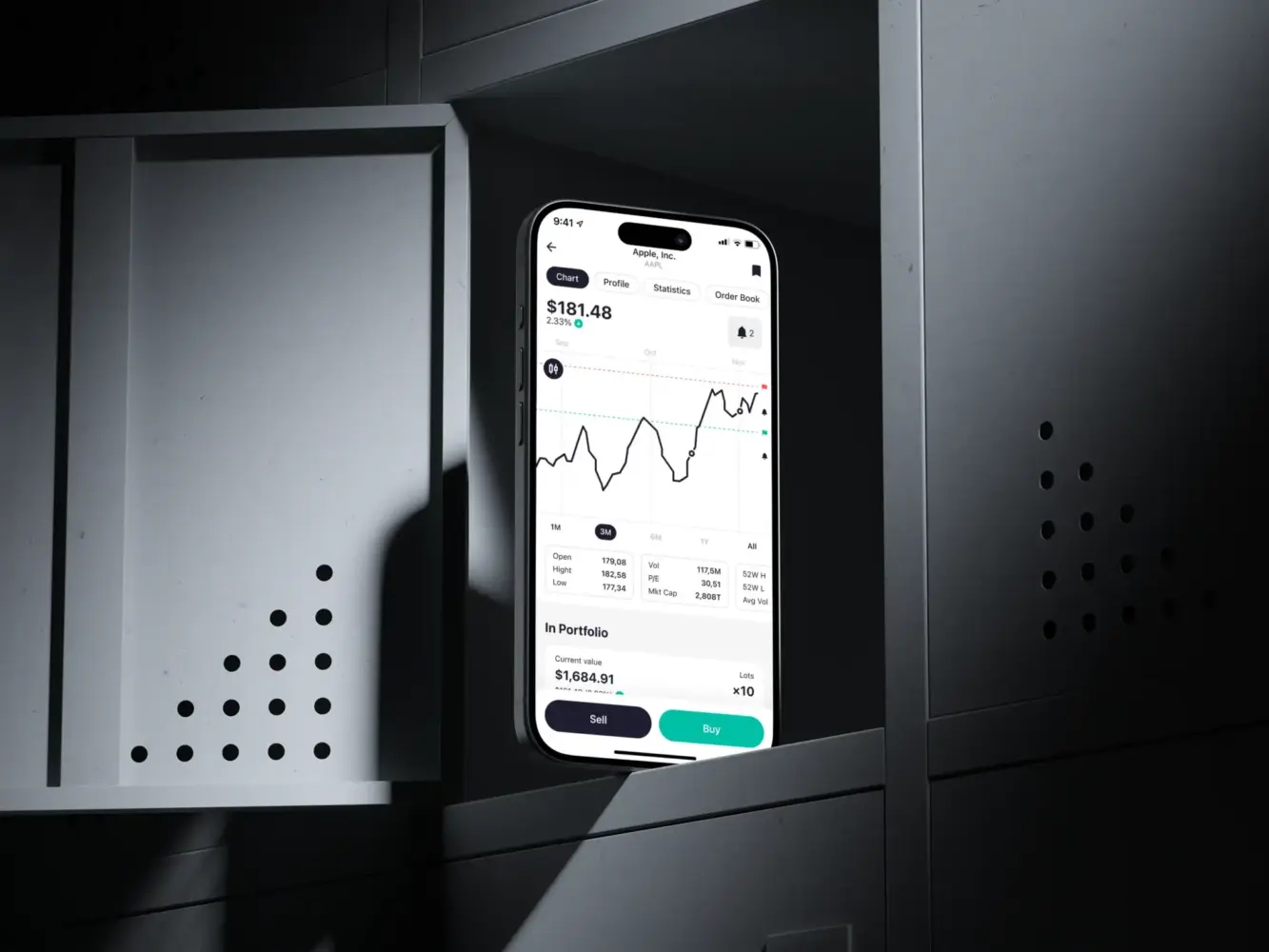
Mobile App UX/UI Design for Kuwaiti Investment Platform
Security and Compliance Requirements
Encryption is non-negotiable. Data should be encrypted both in transit (when it’s moving between servers) and at rest (when it’s sitting in your database). Think of it like an armored truck for digital information. You wouldn’t send cash in a paper bag, right? Same logic applies here.
Passwords alone are practically obsolete. Requiring a second factor—like a code from an app or a biometric scan—adds a huge layer of protection. MFA is a slight hassle for users, sure, but most people understand why it’s there.
Inside the system, you need RBAC (Role-Based Access Control). Not everyone needs to see everything. A junior analyst shouldn’t have the same permissions as a senior partner. RBAC ensures that people only access the data they strictly need to do their jobs. It minimizes the risk of internal leaks or accidental errors.
The same goes for audit trails. Every click, every view, every change in a digital wealth management platform needs to be logged. Who did what and when? If something goes wrong, you need to be able to retrace your steps instantly. It’s your digital fingerprint.
Secure document storage is another big one. Clients upload sensitive tax returns, IDs, and legal docs. These can’t just sit in a public folder. They need isolated, encrypted storage with strict access controls. And don’t forget data retention policies. You can’t keep data forever “just in case.” Regulations often dictate how long you must keep records and when you must securely delete them. It’s a balancing act between accessibility and privacy.
On the proactive side, fraud detection systems use AI and pattern recognition to spot weird activity. Is someone logging in from a different country at 3 AM? Is there a sudden, unusual transfer request? Flagging these anomalies early can save a lot of headaches.
But security is also about who you work with. Vendor risk management is crucial. If your KYC provider gets hacked, that’s on you too. You need to vet your partners just as hard as you vet your own engineering.
Now, let’s touch on the regulatory landscape. In the U.S., if you’re dealing with securities, you’re looking at FINRA and SEC rules. They have strict guidelines on communications, record-keeping, and suitability. It’s a complex web, and it changes often. If you’re operating in Europe or handling EU citizens’ data, GDPR comes into play. It’s all about user consent and the right to be forgotten. Ignoring these isn’t an option.
To prove you’re taking this seriously, aim for SOC 2-ready engineering practices. This means building your infrastructure with security controls baked in from day one. It’s not just a badge you get at the end; it’s a way of working. It shows clients and partners that you’re not winging it.
Regulations are tricky and highly specific to your business model and location. Always involve compliance counsel early. Don’t wait until you’re ready to launch to ask if you’re breaking the law. Bring in the experts during the design phase. It might cost more upfront, but it’s way cheaper than a fine or a lawsuit later. Trust me, you want those lawyers on your team, not across the table.

AI in Wealth Management Platform Development
When used correctly, it actually solves some real, nagging problems. Not to replace humans, but to give them superpowers.
Let’s look at what this actually looks like in practice.
Imagine an advisor preparing for a client review. Instead of spending hours digging through notes and past emails, an AI assistant summarizes the client’s recent activity, highlights life changes mentioned in previous chats, and suggests talking points. It’s like having a really efficient junior analyst who never sleeps. It frees up the advisor to focus on the conversation, not the prep work.
Raw data is boring. AI can generate natural language explanations of performance. Instead of just showing a -2% return, it might say, “Your portfolio dipped slightly this month mainly due to volatility in the tech sector, but your bond holdings helped cushion the fall.” It makes the numbers feel less abstract and more conversational.
Anomaly detection is another huge win. Humans are bad at spotting subtle patterns in massive datasets. AI isn’t. It can flag unusual trading activity, potential fraud, or even a client whose risk profile seems to have shifted dramatically based on their behavior. It’s a safety net that works 24/7.
On the client side, personalized education is key. Not everyone needs a lecture on ETFs. AI can analyze a user’s questions and behavior to serve up bite-sized, relevant content. If they’re constantly checking their crypto balance, maybe send them a primer on digital asset volatility. It’s timely and helpful, not generic spam.
For advisors, next-best-action prompts are incredibly useful. The system might nudge an advisor: “Client X has a large cash balance sitting idle. Consider reaching out to discuss rebalancing opportunities.” It turns data into actionable insights, ensuring no opportunity slips through the cracks.
Risk insights go beyond standard questionnaires. By analyzing market trends and individual holdings, AI can provide deeper context on how specific events might impact a client’s unique portfolio. It’s proactive rather than reactive.
Handling paperwork is always a drag, so document analysis is a lifesaver. AI can scan uploaded tax returns or legal documents to extract key data points automatically. No more manual entry errors. It speeds up onboarding and reduces the administrative burden significantly.
And let’s not forget support automation. Simple queries like “How do I change my bank account?” or “Where is my tax form?” can be handled instantly by chatbots. This keeps response times low and lets human support teams focus on complex, high-value issues.
But—and this is a big but—we need to be careful. AI isn’t magic, and it’s not infallible. Explainability is crucial. If an AI recommends a trade, the advisor needs to understand why. Black-box algorithms don’t fly in a regulated industry. You need to be able to trace the logic.
That’s why human review is non-negotiable. AI should suggest, not decide. A human must always sign off on significant actions, especially those involving financial advice or compliance. It’s about augmentation, not automation of judgment.
Finally, stay within compliance boundaries. AI models can hallucinate or pick up biases from training data. You need robust guardrails to ensure recommendations are suitable and legally sound. Don’t let the tech outpace your legal framework. It’s exciting stuff, sure, but keeping it grounded in reality and regulation is what separates a useful tool from a liability.
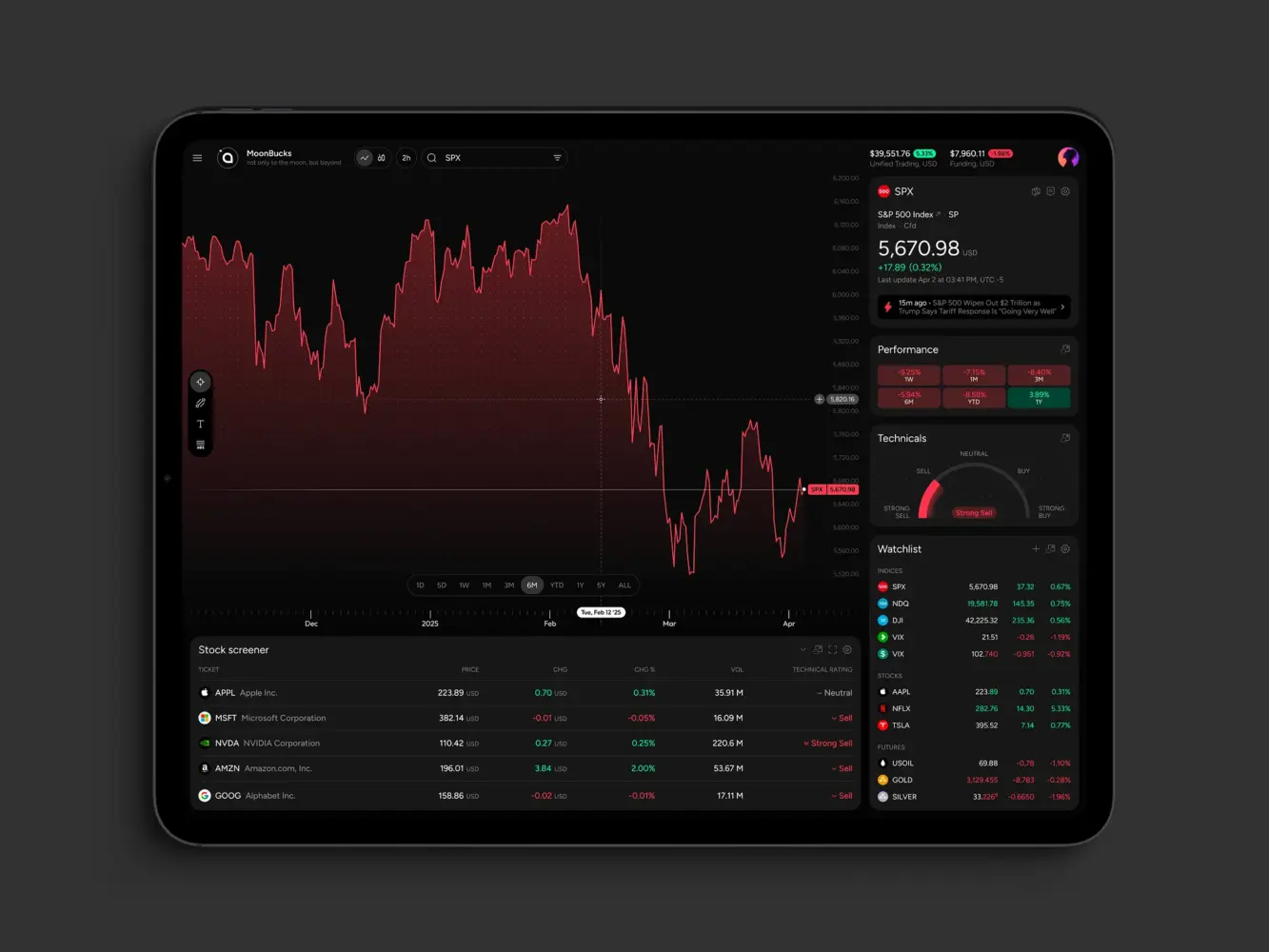
Financial Market Trading Analytics Tool Dashboard by Shakuro
Development Process: How to Build a Wealth Management Platform
So, you’re ready to build this thing. Where do you even start? It’s tempting to jump straight into coding, especially if you’ve got a great vision in your head. But skipping the groundwork is a recipe for expensive headaches later. Let’s walk through a process that actually works, step by step.
Discovery and Product Strategy
You need to know exactly what you’re building and for whom. Are you targeting high-net-worth individuals who want white-glove service, or mass-market users looking for low-cost automation? This phase is all about asking the tough questions. Who are your competitors? What’s your unique value prop? Teams that spend extra time here save months of rework later.
Compliance and Technical Requirements
This is where the dream meets the rulebook. You can’t design a beautiful app if it’s illegal. Bring in your compliance experts now. What regulations apply to you? FINRA? GDPR? Local banking laws? Map out every technical requirement that stems from these rules. Do you need specific encryption standards? How long must data be retained? Getting this wrong means tearing down your architecture later. It’s a bit dry, sure, but it’s the foundation of your license to operate.
UX/UI Design for Investors and Advisors
Design is about reducing friction. Remember, you have two very different users: the investor and the advisor. The investor wants simplicity and clarity. The advisor wants power and efficiency. You need to design distinct experiences for both. Test your prototypes with real people. Watch where they get stuck. Designs can look amazing in Figma but fail miserably when real users try to upload a document. Keep it intuitive. If users have to guess, you’ve already lost them.
Architecture and Integration Planning
Time to plan the skeleton of your wealth management software platform. As we talked about earlier, you need a modular, scalable architecture. Decide on your tech stack. Will you go microservices or monolith? Map out your integrations. Which custodians will you connect to? Which KYC vendor? This is the blueprint for your engineering team. A solid plan here prevents “spaghetti code” later. It’s also where you decide how you’ll handle data flow between systems. Get this right, and scaling becomes much less painful.
MVP Development
Don’t try to build everything at once. Pick the core features that deliver value immediately. Maybe it’s just onboarding, portfolio viewing, and basic trading. Build that Minimum Viable Product and get it into users’ hands. It’s scary to release something “incomplete,” but feedback is gold. You’ll learn more from one month of real usage than six months of guessing. Keep the scope tight. Focus on quality over quantity. It’s better to have three features that work perfectly than ten that are buggy.
Security Testing and QA
Before you go live, you need to break it. Hire ethical hackers to penetration test your system. Look for vulnerabilities in your APIs, your database, your frontend. Run rigorous QA tests to catch bugs. In wealth management, a bug isn’t just an inconvenience; it’s a financial risk. Check every edge case. What happens if a user loses internet mid-trade? What if two advisors edit a client profile at the same time? Stress-test everything. It’s tedious, but it’s the only way to ensure trust.
Launch, Monitoring, and Continuous Improvement
Launch day is just the beginning. Monitor your systems closely. Watch for performance issues, error rates, and user behavior. Are people dropping off at a specific step? Fix it. Are servers slowing down under load? Scale up. Product development never really ends. You’ll need to iterate based on feedback, regulatory changes, and market trends. Stay agile. Keep listening to your users. The best platforms aren’t built in a day; they’re refined over years.
Building a wealth management digital platform is a marathon, not a sprint. It’s complex, regulated, and demanding, but incredibly rewarding when you get it right. If you’re sitting there with a napkin sketch or a detailed spec sheet and wondering how to turn it into reality, you don’t have to figure it out alone.
Let’s talk about your wealth platform idea with Shakuro. We’ve been in the trenches, helped founders navigate these exact challenges, and we’d love to hear what you’re working on. Sometimes, all you need is a fresh perspective to move forward.
How Much Does Wealth Management Platform Development Cost?
First, let’s look at the tiers.
MVP (Minimum Viable Product): If you’re just testing the waters, maybe a basic robo-advisor or a simple portfolio tracker, you’re looking at roughly $80,000 to $150,000. This gets you a functional web app, basic user accounts, integration with one or two data providers, and a simple dashboard. It’s lean. It’s not pretty, but it works. You’re cutting corners on design and advanced features to get to market fast.
Mid-complexity platform: This is where most serious startups land. You want hybrid advisory features, mobile apps for both iOS and Android, robust reporting, and maybe some AI-driven insights. Here, you’re talking $200,000 to $500,000. You’re paying for better UX, more secure infrastructure, and deeper integrations. It’s a professional-grade product that can handle real clients and real money without falling apart.
Enterprise-grade product: If you’re a bank or a large firm replacing legacy systems, or if you need complex trading engines, multi-currency support, and heavy compliance automation, the sky’s the limit. We’re often looking at $750,000 to $2 million+. These projects take years, involve large teams, and require meticulous security and audit trails. It’s a massive undertaking.
Now, what makes these numbers jump around? Let’s break down the cost drivers for wealth management digital platforms.
- Integrations are a huge factor. Connecting to one custodian is manageable. Connecting to five, plus a KYC vendor, a market data feed, and a payment processor? That’s a lot of API work. Each integration adds development time and ongoing maintenance costs. And if those APIs are old or poorly documented, expect the bill to go up.
- Compliance isn’t just a legal fee; it’s a dev cost. Building audit trails, encryption, and role-based access controls takes time. If you’re operating in multiple jurisdictions, you need to build flexibility into your system to handle different rules. It’s complex engineering, not just paperwork.
- Mobile apps double your frontend work. Do you need native iOS and Android apps? Or will a responsive web app do? Native feels better but costs more. Maintaining two codebases means more bugs and more updates. It’s a trade-off between user experience and budget.
- Analytics and custom reporting sound simple, but they’re not. Generating a PDF report might seem easy, but making it customizable, fast, and accurate across thousands of clients requires a dedicated engine. If you want real-time analytics dashboards, you’re adding significant backend complexity.
- AI features are trendy, but they’re expensive to implement correctly. Training models, ensuring explainability, and integrating them seamlessly into the workflow isn’t cheap. Plus, you need high-quality data to make them useful. Garbage in, garbage out.
- Trading features add another layer of risk and complexity. Real-time execution, order routing, and settlement logic are hard to get right. One mistake here can cost you millions in fines or losses. It requires senior-level engineering talent, which doesn’t come cheap.
- Finally, legacy system migration. If you’re moving from an old mainframe or a spreadsheet-based system, you’re facing a data cleanup nightmare. Mapping old data to new structures, ensuring nothing gets lost, and keeping the business running during the switch is incredibly labor-intensive. It’s often the most underestimated part of the budget.
So, where does that leave you? Start with your core value. What’s the one thing your platform must do perfectly? Build that first. Don’t try to boil the ocean. It’s better to have a solid, secure MVP that users love than a bloated, buggy enterprise monster that no one knows how to use. Keep your scope tight, and watch those costs stay manageable.
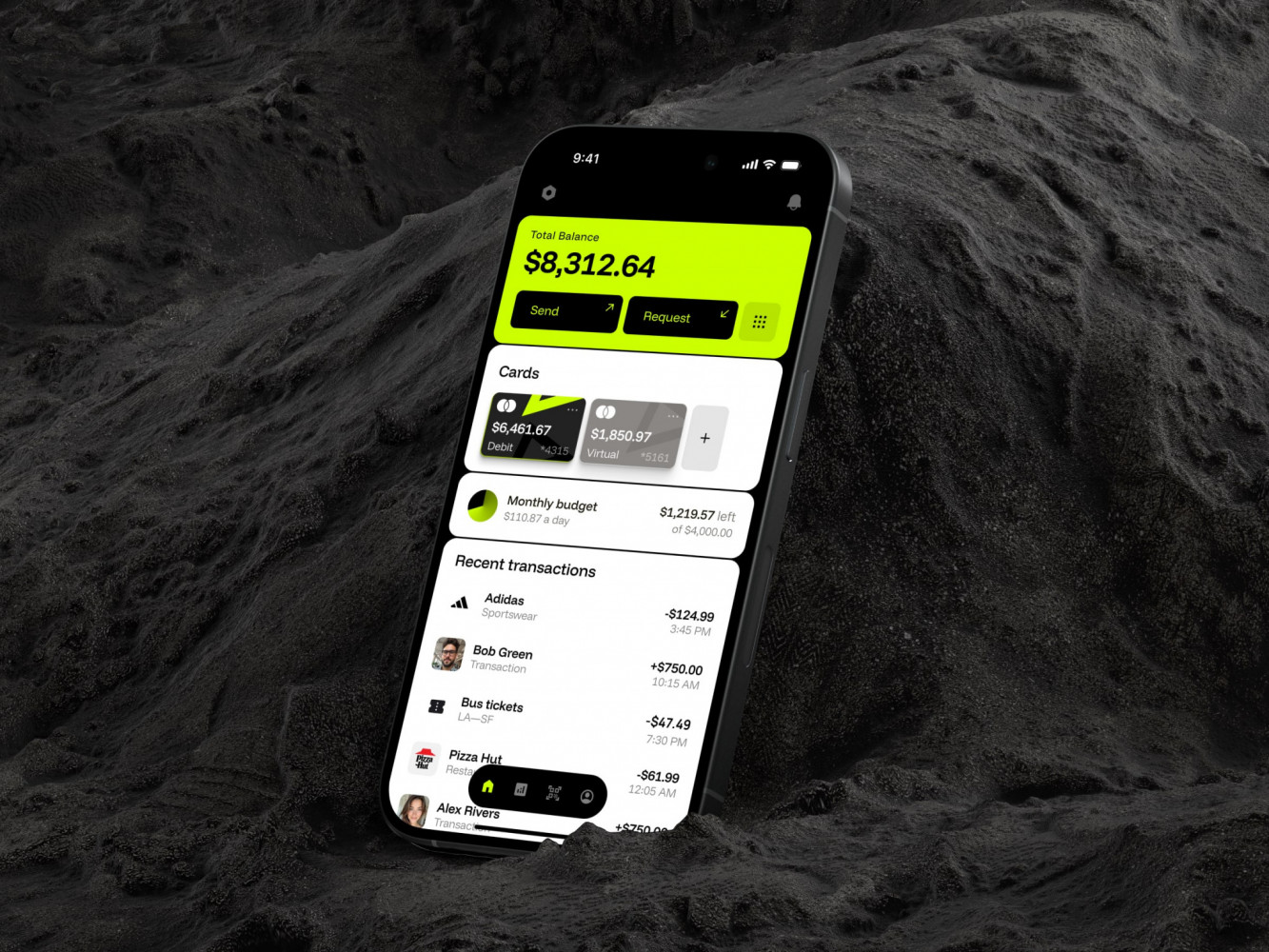
Mobile Banking App by Conceptzilla
Common Challenges in Wealth Management Platform Development
Clients don’t keep their money in one place. It’s scattered across banks, brokerages, crypto exchanges, and maybe even under a mattress somewhere. Getting all that data into one clean view is a nightmare. APIs break, formats change, and sometimes the data is just missing. You spend way more time cleaning and normalizing data than you’d think. It’s tedious, but if your numbers are wrong, you’re dead in the water.
A lot of the financial world still runs on systems built in the 90s. Maybe even earlier. Trying to connect a modern React app to a mainframe that speaks a language no one under 50 understands is a challenge. These systems are often slow, poorly documented, and fragile. One wrong move and you could take down a whole trading floor. It’s not glamorous work, but someone has to do it.
Regulatory complexity is another beast. Rules change constantly. What was compliant last year might be a violation today. And it’s not just one set of rules; it’s local, state, federal, and sometimes international. Keeping your platform flexible enough to adapt without rewriting the core code every month is a serious architectural headache. You need compliance baked into your DNA, not just slapped on at the end.
Building trust and UX is a delicate balance. People are handing over their life savings to your wealth management online platform. If the design looks cheap or feels glitchy, they’re out. But if it’s too complex, they’re also out. You need it to feel secure but also simple. It’s a tightrope walk.
Real-time performance is expected now. Users want to see their portfolio value update instantly as the market moves. But fetching live data, calculating gains/losses, and updating the UI for thousands of users simultaneously is heavy lifting. Latency kills the vibe. If the spinner keeps spinning, people start to wonder if their money is safe. Optimization here is critical.
Let’s not forget data accuracy. In social media, a typo is funny. In wealth management, a decimal point in the wrong place is a lawsuit. Ensuring that every trade, dividend, and fee is recorded perfectly is non-negotiable. Reconciliation processes need to be bulletproof. It’s stressful, honestly. You’re always double-checking, triple-checking.
Advisor adoption is often overlooked. You can build the most amazing platform in the world, but if the advisors hate using it, they won’t. They’re busy. They have their own workflows. If your tool adds steps instead of removing them, they’ll find a workaround. You have to design for their pain points, not just the clients’. Get them involved early. Listen to their complaints. It makes a huge difference.
Finally, there’s the struggle of balancing automation with human expertise. Too much automation feels cold and risky to clients. Too little, and you can’t scale. Finding that sweet spot where AI handles the grunt work but humans handle the empathy and complex strategy is an art form. It’s not just a technical problem; it’s a philosophical one. You have to decide what “advice” really means in a digital age.
Our Experience in Creating Wealth Management Platforms
ZAD is a Shariah-compliant mobile investment platform for Kuwait that combines robo-advisor functionality with stock and ETF trading. We needed to simplify complex investment workflows for everyday users, including risk profiling, portfolio views, stock pages, watchlists, order flows, and market discovery. ZAD also shows how a wealth management digital platform can support both guided investing and manual trading without overwhelming users. Its stock screen is especially relevant: we organized dense market data such as charts, statistics, order book data, analyst ratings, dividends, corporate events, and news inside a minimal tabbed interface.
Solio is a South Korean stock trading app built for people without deep trading experience. It connects directly to wealth management platform development because the product had to make regulated, data-heavy investing feel approachable. We worked on user risk profiling, portfolio dashboards, stock screens, model portfolios, robo-advisory features, localization, and third-party integrations. Solio’s risk profiling works as a KYC-like questionnaire that helps personalize the trading experience, while the home screen focuses on balance, owned stocks, and portfolio performance instead of overloading beginners with advanced analytics.
For companies building a digital wealth management platform, these cases prove experience with the product patterns that matter most: onboarding and suitability flows, portfolio visibility, robo-advisory logic, trading UX, dashboards, localized financial experiences, and integrations with market-data and third-party financial providers.
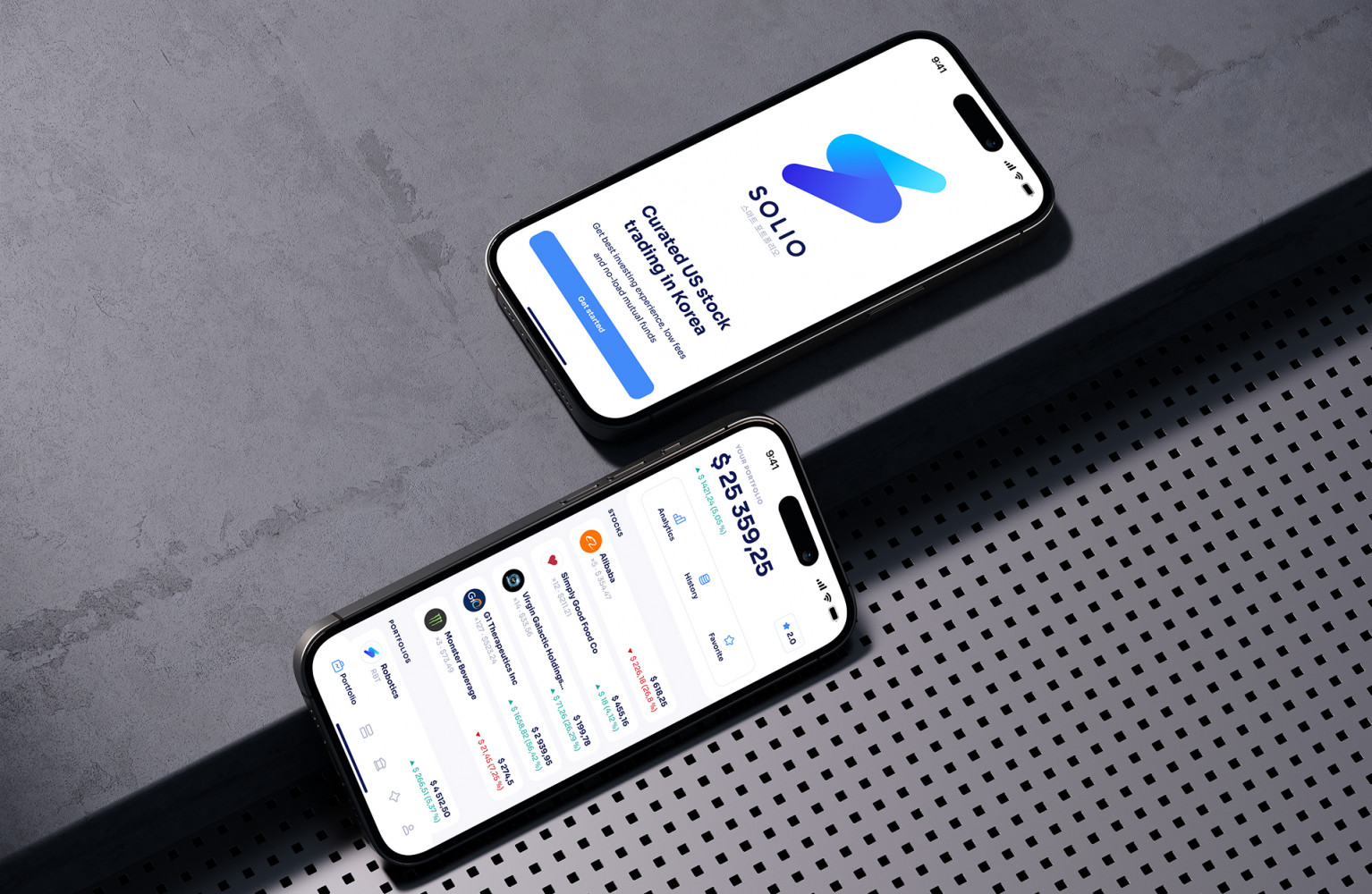
Solio App by Shakuro
Final Thoughts
At the end of the day, building a wealth management platform is about trust.
Think about it. You’re asking people to hand over their life savings, their retirement dreams, and their financial security to a piece of software. That’s a huge ask. If the tech is brilliant but the user feels uneasy, you’ve failed. If the compliance is perfect but the advisor can’t find what they need in three clicks, you’ve failed. It’s not just a technical build; it’s a product trust challenge.
Every pixel, every line of code, every integration needs to scream “reliable.” It needs to feel solid. Because in this industry, confidence is the currency. Users don’t just buy features; they buy peace of mind. They want to know that when they log in, their world makes sense. That their money is safe, their data is private, and their goals are being tracked with precision.
So, if you’re a fintech founder with a disruptive idea, a bank trying to modernize without losing your soul, an RIA looking to scale beyond your current capacity, or an investment firm wanting to offer something truly next-gen—don’t go it alone. This is complex terrain. You need partners who understand both the tech and the trust.
If you’re ready to build a platform that’s secure, scalable, and actually human-friendly, let’s talk. Reach out to Shakuro. We’ve helped firms navigate these exact waters, turning complex requirements into products people actually love to use.
FAQ
How long does it actually take to build a wealth management platform?
It depends on how big your appetite is. If you’re aiming for a lean MVP with core features like onboarding and basic portfolio tracking, you’re looking at roughly 4 to 6 months. But if you want the whole shebang—mobile apps, complex trading, AI insights, and heavy compliance automation—it can easily stretch to 9–12 months or more. Remember, rushing the compliance part is a recipe for disaster. Better to be slow and right than fast and fined.
Do I really need to build everything from scratch?
Honestly? No. And you probably shouldn’t. The smart move is to buy what you can and build what makes you unique. Use established vendors for KYC, e-signing, and market data. Focus your engineering budget on the user experience, the advisor tools, and whatever specific logic sets your firm apart. Trying to reinvent the wheel for every single feature is a quick way to burn through your runway.
Can I add AI later, or do I need it from day one?
You can definitely add it later. In fact, I’d recommend it. AI needs good, clean data to work well. If you launch an MVP and spend six months gathering structured user data, your AI models will be much smarter when you finally plug them in. Starting with AI on day one often leads to expensive experiments that don’t deliver real value yet. Walk before you run.
How do I handle security without slowing down development?
Make security a habit, not a checkpoint. Instead of leaving all the security testing for the end (which is stressful and expensive), integrate it into your daily workflow. Use automated tools for code scanning, enforce strict access controls from the start, and choose cloud providers that are already SOC 2 compliant. It’s about building securely by default. That way, when you do your final audit, it’s more of a formality than a panic attack.
Is it better to go web-first or mobile-first?
For wealth management, I’d lean toward web-first for the initial launch. Why? Because financial planning often involves looking at lots of data, charts, and documents. It’s just easier on a bigger screen. Plus, developing a responsive web app is faster and cheaper than building two native mobile apps simultaneously. You can always add mobile apps later once you’ve validated the core product. Most users won’t mind using a browser for their initial setup.
Related reading