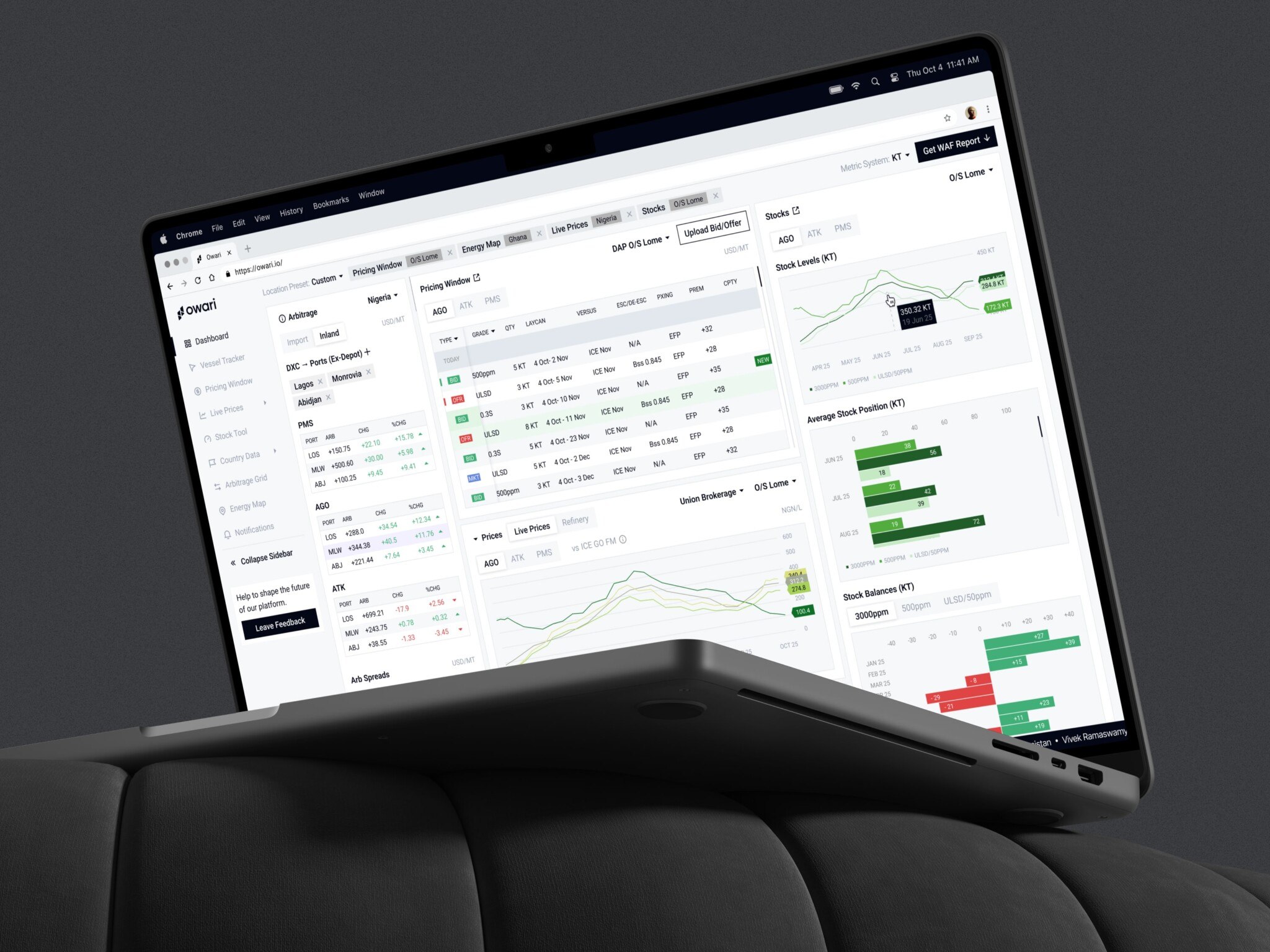
Social trading platform development means building a product where traders share trades, follow top performers, discuss ideas next to live charts, and in some cases copy strategies. A lean MVP with a social feed, public trader profiles with manual trade logging, simple performance stats, and a web-only UI usually costs $90K–180K and takes a team of 3–4 people 4–6 months. After launch, each major addition, such as broker integrations, mobile apps, or advanced analytics, can cost $30K–100K+.
Traders are not typical social media users. They are skeptical, short on time, and quick to leave anything that feels like filler. They want insights and collaboration, so a chat box next to a chart is not enough: a useful post shows entry and exit levels, risk size, and the live price in context.
Below, we cover what a social trading platform is, why businesses build their own, core social features, our case studies, how to build the platform, the tech stack, cost, and common challenges.
For those who prefer to listen rather than read, this article is also available as a podcast on Spotify.
What Is a Social Trading Platform?
It is a living ecosystem where people talk about trades, show their trades, and sometimes even mirror them in real time. Kind of like Twitter, a private Slack group, and a trading terminal combined.
You’re seeing why someone went long on NVDA, how their portfolio’s doing over time, and whether their track record actually holds up. People post trade rationales, debate macro trends, share screenshots, and yes, sometimes humblebrag about that one perfect short.
Key Differences From Classic Trading Platforms
A trading community platform isn’t your broker. You might integrate with brokers (like Alpaca, Interactive Brokers, or Binance), but the real product is context. Some members will also run trading bots through the same broker APIs, so it helps to label automated activity clearly.
Traditional platforms are built for action: charts, order types, risk controls, etc. They assume you already know what you’re doing. Social platforms assume you might not. They lean into uncertainty by making knowledge visible, shareable, and even copyable.
So, the real value, for example, is in the fact that Sarah from Berlin just posted a clean thesis on EUR/CHF with a backtested entry, and you can watch her position evolve over time. Or that a newbie can quietly follow a seasoned options trader for a month before risking a single dollar. It’s trading with training wheels made of real data and human insight.
Who Uses Social Trading Platforms?
New traders use them to learn by watching: less Googling “what is a straddle,” more seeing how actual people structure one in live markets. Observing behavior is often more powerful than reading theory.
Retail investors also come to these platforms for curated, performance-backed insights. They want signal and not noise.
Then there are the trading influencers and independent analysts, who treat these platforms like a portfolio + audience builder. Their P&L is their credibility, and the platform gives them a stage that’s more meaningful than Instagram screenshots.
Even fintech startups are jumping in as builders because embedding social features into a brokerage app can boost engagement, retention, and even referral loops.
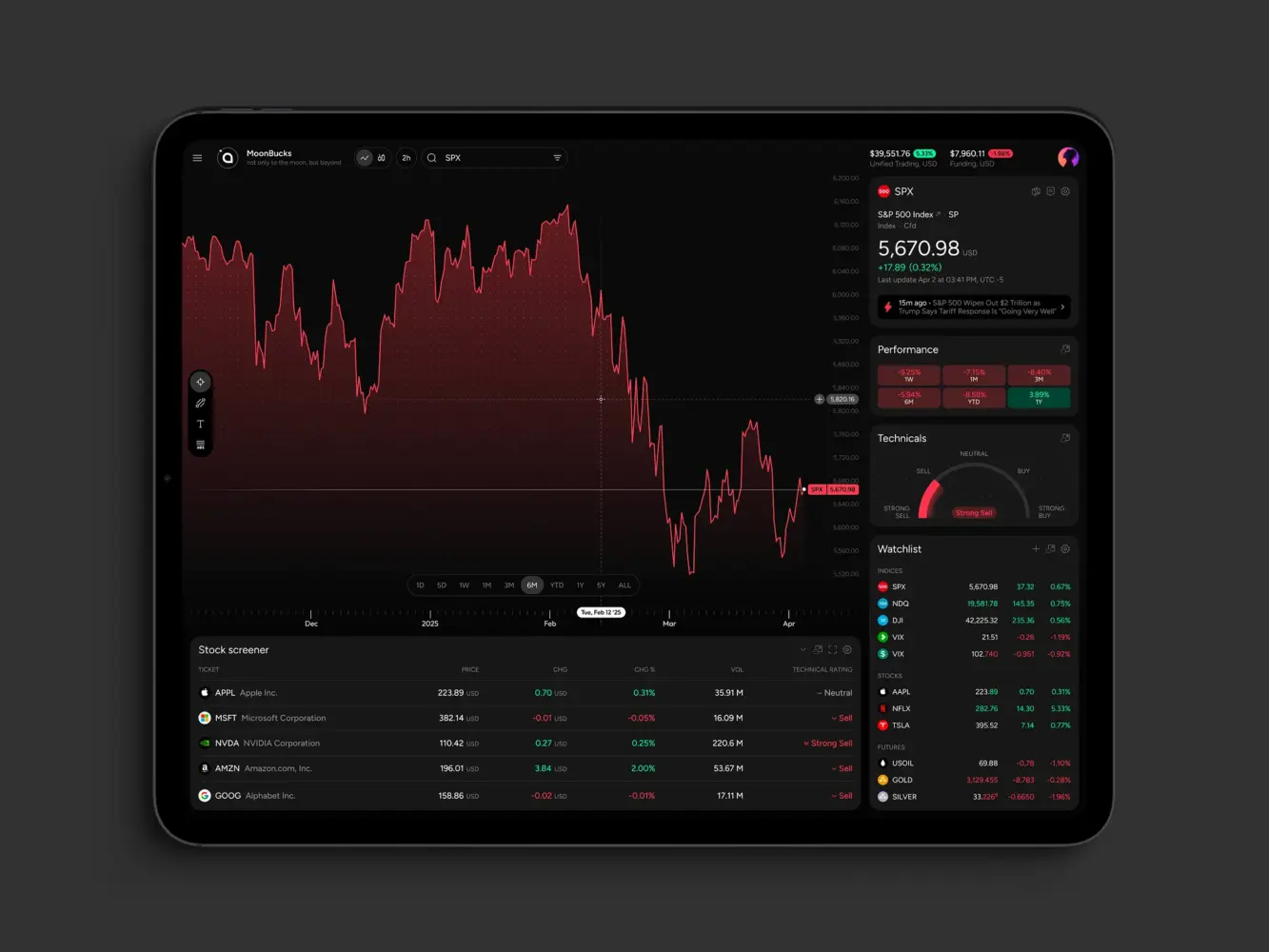
Financial Market Trading Analytics Tool Dashboard by Shakuro
Why Businesses Build Custom Social Trading Platforms
You don’t build a social platform for traders just because it sounds cool. You do it because it becomes a strategic moat, a living layer that attracts users, keeps them hooked, and makes your whole product feel different. In a sea of cookie-cutter brokerages and me-too fintech apps, a thoughtfully designed social layer can be your unfair advantage.
Community-Driven Growth
When users post trade ideas, annotate charts, or share weekly recaps, they’re creating content you didn’t have to produce. It’s real money and real performance, so it carries weight. New users stick around because they found a trader whose style clicks with theirs.
Once that connection forms, engagement loops kick in: Follow → watch → copy → discuss → improve → post your own. Comment on a losing trade → get constructive feedback → feel part of something. That’s way stickier than a push notification about a 0.5% APY boost.
Differentiation From Competitors
Most trading apps usually look and feel the same. Dark theme, price chart, order ticket, etc.
A custom social layer lets you inject personality and function that competitors can’t easily replicate. For instance, a proprietary feed that ranks ideas by risk-adjusted returns. Or influencer tools that let top traders run micro-courses or host live watchlists.
Monetization Models
A custom social trading platform opens up way more doors than just commissions. Here’s how smart players are doing it:
- Subscriptions: Tiered access to top traders’ portfolios or private groups. Not just “see their trades,” but “get their weekly macro notes + Discord access.”
- Premium channels: Patreon meets trading with monthly fees for curated signals, model portfolios, or educational deep dives.
- Creator monetization: Let influencers earn a share of follower subscriptions or tips.
- Analytics packages: Sell advanced metrics, like drawdown comparisons, strategy backtesting against peer groups, or performance attribution, to serious users or even hedge funds scouting talent.
Core Social Features for Trading Apps
Social Feed and Idea Sharing
A feed that feels alive is at the heart of all. Traders should be able to post trading ideas (“Going long on $XOM into earnings, and here’s why”), comment with pushback or support (“Have you considered the crack spread impact?”), and attach multimedia: annotated charts, screen recordings of their entry, even quick voice notes explaining their thesis.
This isn’t Instagram, though. Content should be actionable. A good post might include entry/exit levels, risk size, time horizon, and a follow-up update days later. Bonus points if users can link directly to instruments ($SPY, BTC/USD) so others can jump into the chart with one tap.
Trader Profiles and Reputation Metrics
People won’t blindly follow strangers with flashy P&L screenshots. They need trust signals. So a trading idea-sharing platform should have verified trader profiles backed by real brokerage data with user consent. That verification can come from a digital identity platform rather than a homegrown check. For instance, with performance badges like “Top 10% in options accuracy” or “Consistent 5% monthly returns.” But include transparent stats as well, like win rate, max drawdown, and average holding time. Maybe even a ranking system that surfaces consistent performers.
Real-Time Market Data Integration
Nothing kills credibility faster than a post saying “$NVDA breaking out!” accompanied by a chart from last Tuesday. Your platform needs live or near-real-time data baked into the experience:
- Interactive charts embedded in posts
- Mini tickers showing current price under every symbol mention
- One-click dashboards that show a user’s current open positions alongside their commentary
The goal is to keep people in context. If I’m reading a thesis on gold, I should see the live XAU/USD price without switching tabs.
Community Tools
Not everyone wants to shout into the main feed. These people prefer groups, channels, and topic boards.
Such spaces let niche communities form without drowning in noise. And with moderated discussions or expert-led AMAs, you create recurring reasons for people to come back. Not just when they have a trade to post, but when they want to think.
Alerts, Signals, and Shared Watchlists
Let users share watchlists (“My Top 5 Biotech Setups This Week”) or publish signals (“Short signal on $EURUSD if it breaks 1.0850”) that followers can get notified about.
During social trading app development, enable shared portfolios where a group of traders can co-manage a model account or compare performance against a benchmark. And don’t forget custom alerts: “Notify me when Trader X opens a position in energy stocks.” This kind of sticky utility turns casual browsers into daily users.
Web and Mobile Platform Support
Most traders live on their phones during market hours but switch to desktop for deep analysis. If your UI feels like two different products, you’ll lose them.
Aim for consistent navigation and core functionality across devices. For instance, a person can post an idea from a phone while watching pre-market moves and reply to comments from a laptop at night. They should get the same charting tools, profile view, and alert settings everywhere.
It doesn’t have to be pixel-perfect identical, but the experience should feel unified. Nothing’s more frustrating than crafting a detailed trade note on mobile only to find half your annotations vanished on desktop.
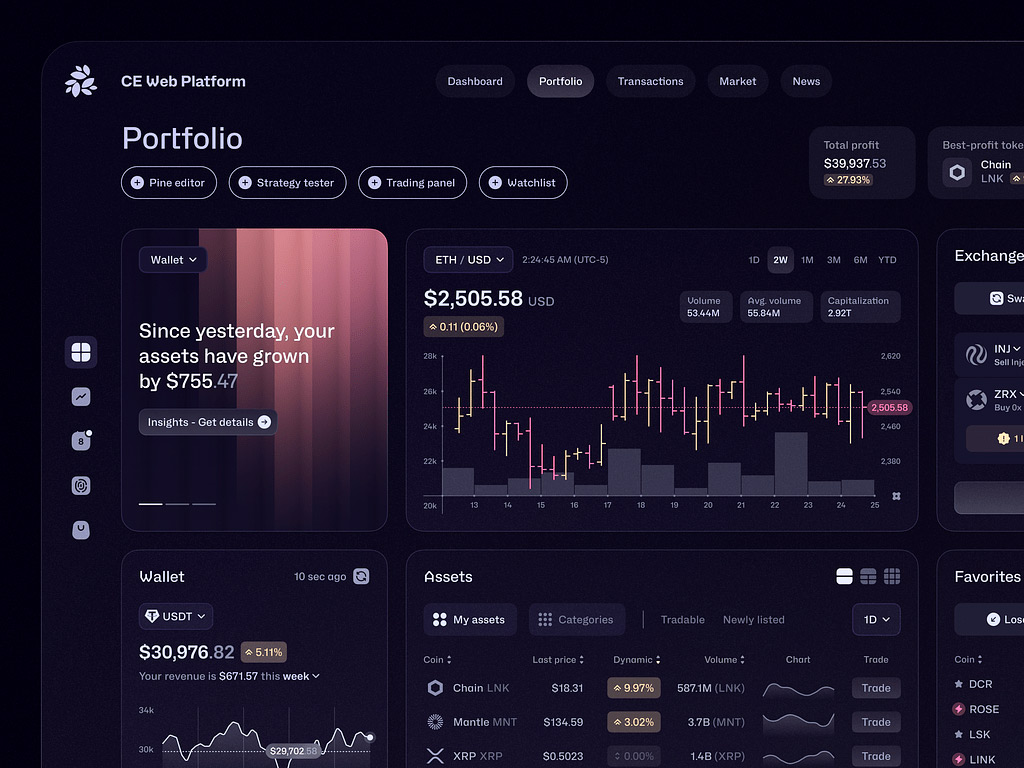
Crypto Exchange Web Platform by Conceptzilla
Case Studies: Our Experience Building Social Trading Systems
Symbolik—Social Layer + Technical Analysis Engine
Symbolik is an institutional-grade financial analysis platform created by Tom DeMark’s team. It offers a wide range of features but recently decided to integrate a social aspect. That’s why they approached Shakuro.
Challenge:
Cater to pro-level players (traders, money managers, and investors), and build a reliable but easy-to-use network for knowledge exchange.
What we did:
For trader social network development, we picked scalable and resilient technologies. Next.js, React, and TypeScript for frontend, and C# for backend. That offered a high level of performance and security.
Together with DeMark’s team, we mapped out social features and logical structure. Instead of using emojis for reader baiting like other feeds, we decided to offer “stock” options. To enrich the toolkit, our team integrated third-party tools such as MagicBell, Hangfire, Scrutor, etc.
Result:
Symbolik became a go-to option for professionals and enthusiasts who want to find new ideas and share knowledge. It’s easy to scale, with a secure foundation.
TraderSync-Style Social Extensions
Many startups contact us to design and develop dashboards and extensions for their platforms that offer experiences similar to TraderSync but stay social.
Challenge:
Create a trading community platform with glanceable dashboards and simplified data. Mobile + desktop friendly.
What we do:
The steps depend on your needs, but the usual steps look something like this. TraderSync is designed specifically for active traders, so our approach focuses on convenience, consistency, and platform enhancement. The extensions help users track, analyze, and improve their trading performance with surgical precision. At the same time, it’s easy to share performance reports (with permission) and track progress over time. People can leverage the extensions regardless of the platform, because we optimize them for web and mobile.
TraderTale—Analytics Meets Community Discussions
TraderTale collaborated with us for social trading platform development. It’s a fintech solution that focuses on building an identity through a portfolio.
Challenge:
We had to balance game mechanics, tie visuals to behavioral patterns, and simplify complex data.
What we did:
Since TraderTale’s philosophy was based on identity building and personalization, we created a leaderboard that scored users by consistency. Together with user profiles, it provides extensive info about the trader tactics. For data simplification, our team leveraged a clean layout with high readability and accessibility.
Result:
We developed a versatile solution spiced up with game-like progress. It offered a solid design system that was easy to grasp for both seasoned traders and beginners.
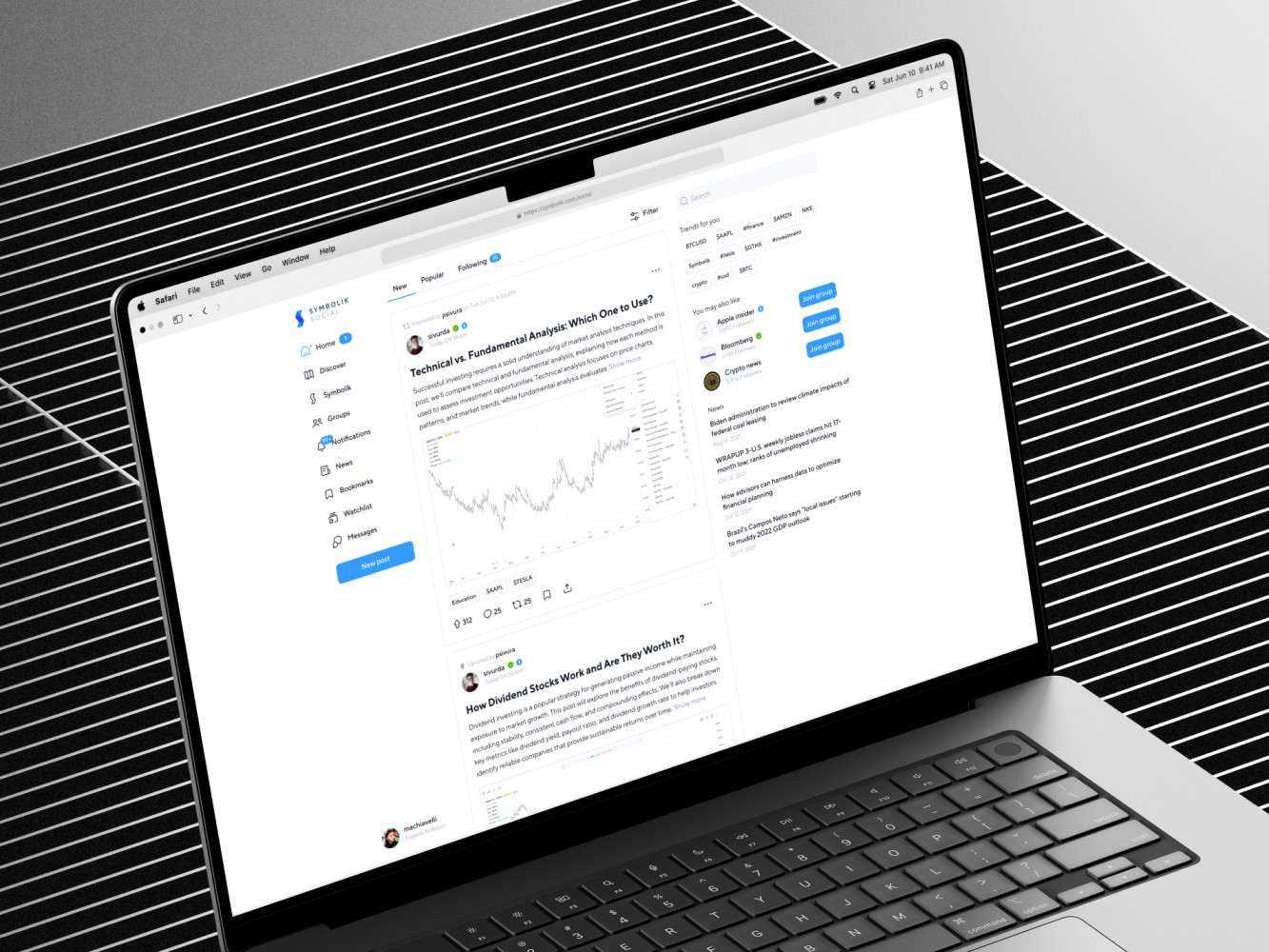
Symbolik case by Shakuro
How to Build a Social Platform for Traders
Step 1: Product Discovery and Positioning
Skipping this step is tempting. People often think they know exactly what users want. However, your experience may be absolutely different. I’ve watched teams burn months building a “TikTok for traders” only to realize their target users hate TikTok.
Start by asking:
- Who exactly are we serving? Newbies? Quant hobbyists?
- What’s the tone? Professional and data-driven? Raw and meme-friendly?
- How strict is moderation? Will you allow “1000x gem” calls or ban anything without a backtest?
- How deep do features go? Real-time P&L sync or just text posts with screenshots?
You need to set cultural guardrails early. Your first 500 users will significantly influence the next 50,000, so choose wisely.
Step 2: Architecture and Technical Infrastructure
Social feeds look simple until you hit 10k concurrent users and your database melts.
You’ll need:
- A scalable feed architecture (fan-out-on-write for followers, with caching layers). ActivityPub may be overkill. But something like Redis + PostgreSQL with materialized views usually gets you far.
- Media storage that handles chart images, screen recordings, and annotated PDFs without bankrupting you on S3 bills.
- Real-time comms for comments, likes, and trade alerts. WebSockets or something like Pusher/Ably.
For social trading platform development, design for data hygiene from day one. Garbage in, gospel out is a real risk when people treat your platform like gospel.
Step 3: UI/UX Design for Social + Analytical Use
This is where most platforms fall flat. They either look like Bloomberg Terminal (intimidating) or Instagram (useless for analysis).
The wisest decision here is to go with hybrid interfaces. For example, a post that shows a trade idea next to an embedded interactive chart. Maybe comment threads that let you quote a specific part of a chart. Like “Figma meets TradingView.” Users should switch modes seamlessly: social when learning, analytical when acting.
One thing I learned the hard way is to never make the chart an afterthought. If it’s not smooth, responsive, and accurate, serious users bounce fast.
Step 4: Development and Feature Implementation
When the design is approved, it’s time to begin the next phase of social trading app development—coding. Prioritize components in this order:
- Feed + posting (MVP: text, symbols, basic media)
- Moderation tools (flagging, auto-filtering for “1000x” or “DM me”)
- Notifications (push + email for replies, follows, trade alerts)
- Messaging (private DMs only if you have strong anti-spam; otherwise, keep it public-first)
Build your feed algorithm to favor quality, not just recency. For instance, weight posts by verified performance, engagement depth (replies > likes), and relevance to the user’s tracked assets. Still, avoid pure chronological or pure engagement feeds because they either drown signal in noise or incentivize outrage.
Step 5: Market Data and Broker Integrations
Data is your oxygen. You’ll likely pull from Data-as-a-Service (DaaS) providers like Polygon, Alpaca, Twelve Data, or Binance APIs for price feeds. Tradier or Interactive Brokers if you want live brokerage sync.
But you need to normalize everything. One ticker might be “AAPL” on NYSE, “AAPL.US” on another feed. Your frontend shouldn’t care and build a symbol resolver layer.
Also, embed charts using libraries like Lightweight Charts (by TradingView) or D3 but cache aggressively. Don’t hit the data API on every scroll.
Step 6: Testing and Content Moderation Tools
Custom social trading platform attracts scammers like moths to a pump-and-dump flame.
To protect data and users, you need:
- Automated filters for common scam phrases
- Manual moderation queues for new users or high-reach posts
- Compliance checks: disclaimers, risk warnings, etc.
- Fraud detection: sudden spikes in follower counts, fake P&L screenshots
- Run red-team exercises. Have someone try to post a fake “insider tip” or run a paid signal scam. See if your system catches it. If not, fix it before launch.
Step 7: Launch, Growth Strategy, and Continuous Support
However great your platform is, launch small, with invite-only. Seed with real traders, then layer in:
- Onboarding flows that help users find relevant traders
- Gamification: not just badges, but meaningful recognition
- Incentives: early adopters get free premium, or revenue share from their followers
- Feedback loops: in-app surveys, Discord channels for power users
Plan for scaling support with in-app help, evolving community guidelines, and regular AMAs with your team. Your trading community platform won’t be perfect at launch. But if you’ve built it with traders, it’ll grow into something that actually matters.
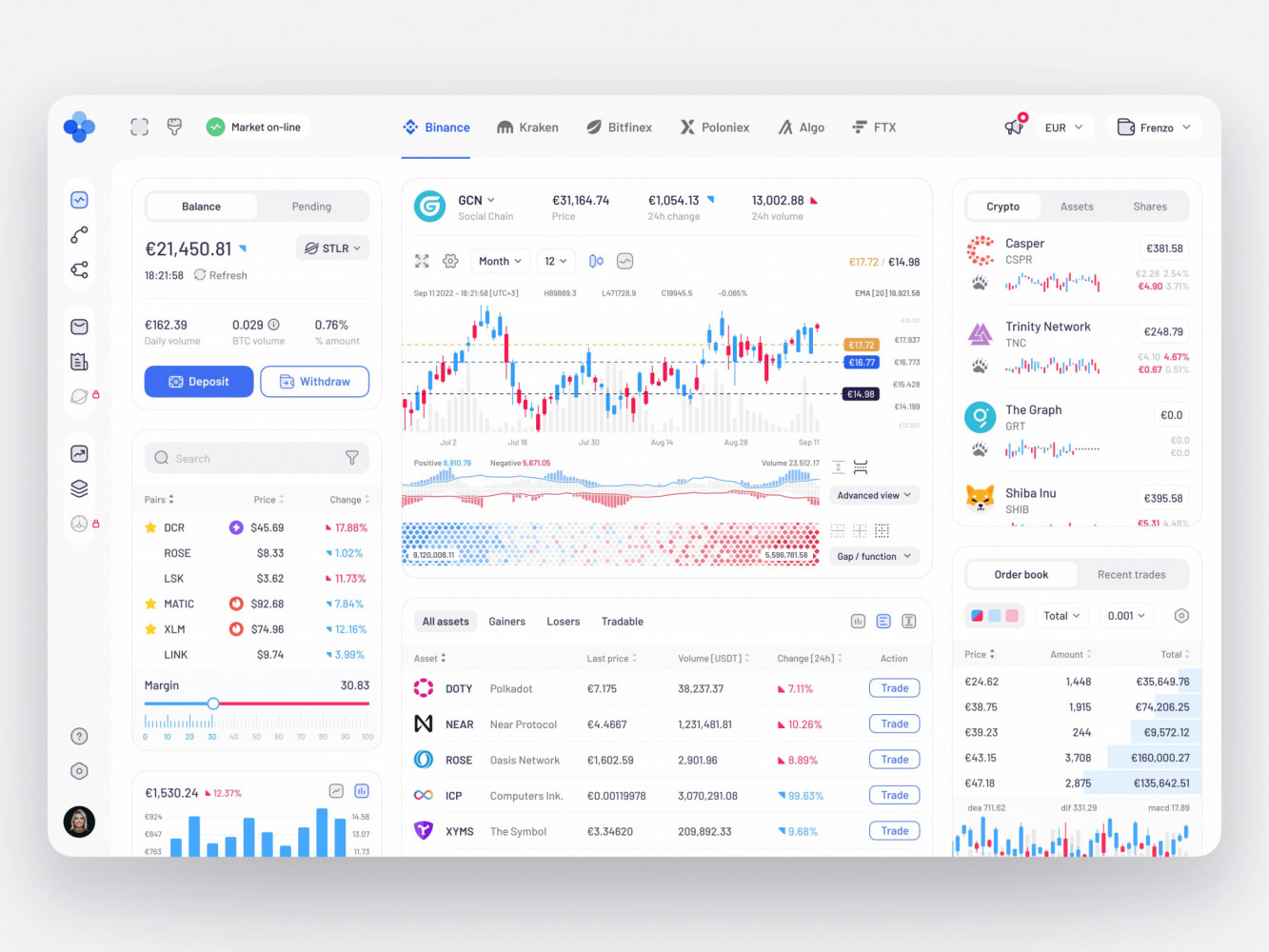
Crypto Trading Dashboard Design by Conceptzilla

Technology Stack for Social Trading Platforms
Your stack needs to handle two very different beasts at once: social chatter (posts, likes, comments) and market precision (real-time prices, P&L, risk metrics). Get the balance wrong, and you’ll either have a sluggish feed or inconsistent trade data. Neither inspires confidence.
Backend Technologies
Most teams (including Shakuro) lean into Node.js for the core API because it’s fast, has great WebSocket support, and the ecosystem (Express, NestJS) plays nicely with real-time features like live comments or follower alerts.
But when performance really matters, like calculating risk metrics across thousands of portfolios or syncing brokerage data, Go or Python microservices often take over. Go’s concurrency model is killer for handling high-frequency data streams, and Python is still the king for number crunching.
For real-time coordination, you’ll likely end up with a mix:
- Node.js for user-facing APIs and WebSocket servers
- Go for market data ingestion and feed fan-out
- Python for analytics, backtesting, or P&L aggregation
Don’t forget message queues (RabbitMQ, Kafka, or even Redis Streams) to decouple heavy tasks, for example, generating performance reports, so your main API doesn’t choke during market open.
Frontend Technologies
On the frontend, React is still the default for trader social network development. It’s a component-driven, huge ecosystem, and easy-to-integrate charting libraries like Lightweight Charts or TradingView’s charting library.
For mobile, React Native is the pragmatic choice if you want to share logic between iOS and Android without maintaining two codebases. It’s not perfect, but with smart memoization and native modules for heavy lifting, it holds up.
WebSockets or libraries like Socket.IO are non-negotiable. You need live updates for new comments on a trade idea and price changes on assets mentioned in a post. Not to mention follower actions.
Data and Storage
In social trading platform development, you’re juggling three very different data types:
Social data (posts, follows, comments) are best served by a scalable graph or document DB. PostgreSQL (with JSONB and good indexing) works surprisingly well for feeds if you denormalize smartly. Some teams use MongoDB or Cassandra for massive scale, but you’ll miss out on relational integrity.
Market & portfolio data needs time-series databases. TimescaleDB (built on PostgreSQL) is a sweet spot. It handles OHLCV data beautifully and lets you join with user tables. Opt for InfluxDB or QuestDB if you’re all-in on time-series performance.
Caching is absolutely critical. To set it up, you need Redis for session storage, rate limiting, and feed pre-computation. CDN caching for static chart images or user avatars.
One trick I can suggest is to pre-generate “feed slices” for active users overnight, then stream real-time updates on top. Keeps your feed snappy even during earnings season chaos.
DevOps and Cloud
You’re not just running a trading idea-sharing platform—you’re running a real-time financial-adjacent service. That means uptime, security, and speed are crucial.
Most teams go all-in on AWS, GCP, or Azure, but here’s what actually matters:
- Autoscaling groups for your API and WebSocket servers (market open = traffic spike)
- Global CDN (Cloudflare, AWS CloudFront) to serve assets fast, everywhere
- Monitoring that tracks data freshness. Use Prometheus + Grafana or Datadog
Security layers:
- Rate limiting (to stop bots)
- WAF rules to block injection attempts
- End-to-end encryption for DMs (if you offer them)
- Regular penetration testing, especially if you handle brokerage-linked data
Log everything, but anonymize PII. When a user says “my portfolio didn’t update,” you’ll thank yourself for having a clean audit trail.
Cost of Developing a Social Trading Platform
Building a trading community platform isn’t cheap. The final price tag swings wildly depending on what and how you actually build, not just what you sketch in a pitch deck.
What Affects the Final Cost
Complexity under the hood plays a main role in influencing the numbers:
- Feature depth: A feed that just shows text posts is cheap. A feed that auto-links tickers, embeds live charts, and ranks ideas by risk-adjusted returns? Not cheap. Every “smart” feature adds layers of logic, testing, and maintenance.
- Real-time components: WebSockets, live price updates, instant notifications—these sound simple until you’re debugging race conditions during a Fed announcement. Real-time = more infrastructure, more dev time, more monitoring.
- Analytics modules: Basic P&L? Fine. Backtested strategy comparisons, correlation heatmaps, or automated performance attribution? Now you’re hiring quants or at least devs who can fake it convincingly.
- Mobile apps: Adding iOS and Android doubles your frontend effort, especially if you want smooth charting and push alerts. React Native helps, but you’ll still need native modules and extra QA.
Don’t forget compliance overhead, too. Even if you’re not a broker, once you’re showing trade performance or signals, lawyers start whispering about disclaimers, data usage, and liability. That’s billable hours, too.
MVP vs Full Product
The golden rule is your MVP should prove engagement. A lean-but-viable MVP usually includes:
- A basic social feed (text + image posts, comments, follows)
- Public trader profiles with manual trade logging (no broker sync yet)
- Simple performance stats (win rate, avg gain/loss)
- Web-only UI (skip mobile for now)
- Manual moderation (just admin tools)
That’s it. No real-time P&L sync and algorithmic feed ranking for this stage of social trading app development. Your goal is to answer: Will real traders actually use this and talk to each other? If yes, you scale. If not, you pivot before blowing $500K.
Most successful platforms usually spent $90K–$180K on this kind of MVP (dev team of 3–4 for 4–6 months). Could you do it cheaper? Maybe, but not if you want it to feel trustworthy. Traders smell half-baked code from a mile away.
Post-Launch and Scaling Costs
You launch. Users trickle in. Then the real spending begins.
- Moderation systems: Once you hit ~1,000 active users, spam and scam posts explode. You’ll need automated filters, human moderators or contractor reviewers, and reporting workflows. Budget $2K–$5K/month just to keep the place clean.
- New features: Broker integrations (Alpaca, IBKR), mobile apps, advanced analytics—each can cost $30K–$100K+ depending on complexity.
- Data providers: Free APIs (like Alpha Vantage) are fine for MVP. But for real-time, reliable, normalized data? You’re looking at $500–$5,000+/month from providers like Polygon, Twelve Data, or Barchart that scales with usage.
- Scaling infrastructure: More users = more WebSockets, more cache, and more storage. Your cloud bill might jump from $200 to $5,000/month fast, especially if you’re storing chart images or replayable trade histories.
Moreover, there are expenses for ongoing dev & support: bug fixes, security patches, iOS updates breaking your React Native build, and whatnot.
Social trading platform budget items named above:
| Cost item | What it covers | Budget |
| Lean MVP | Basic social feed, public trader profiles with manual trade logging, simple performance stats, web-only UI; dev team of 3–4 for 4–6 months | $90K–$180K |
| Moderation systems | Automated filters, human moderators or contractor reviewers, reporting workflows | $2K–$5K/month |
| New features | Broker integrations (Alpaca, IBKR), mobile apps, advanced analytics | $30K–$100K+ each |
| Data providers | Real-time, reliable, normalized data from providers like Polygon, Twelve Data, or Barchart | $500–$5,000+/month |
| Scaling infrastructure | More WebSockets, cache, and storage as users grow | From $200 to $5,000/month |
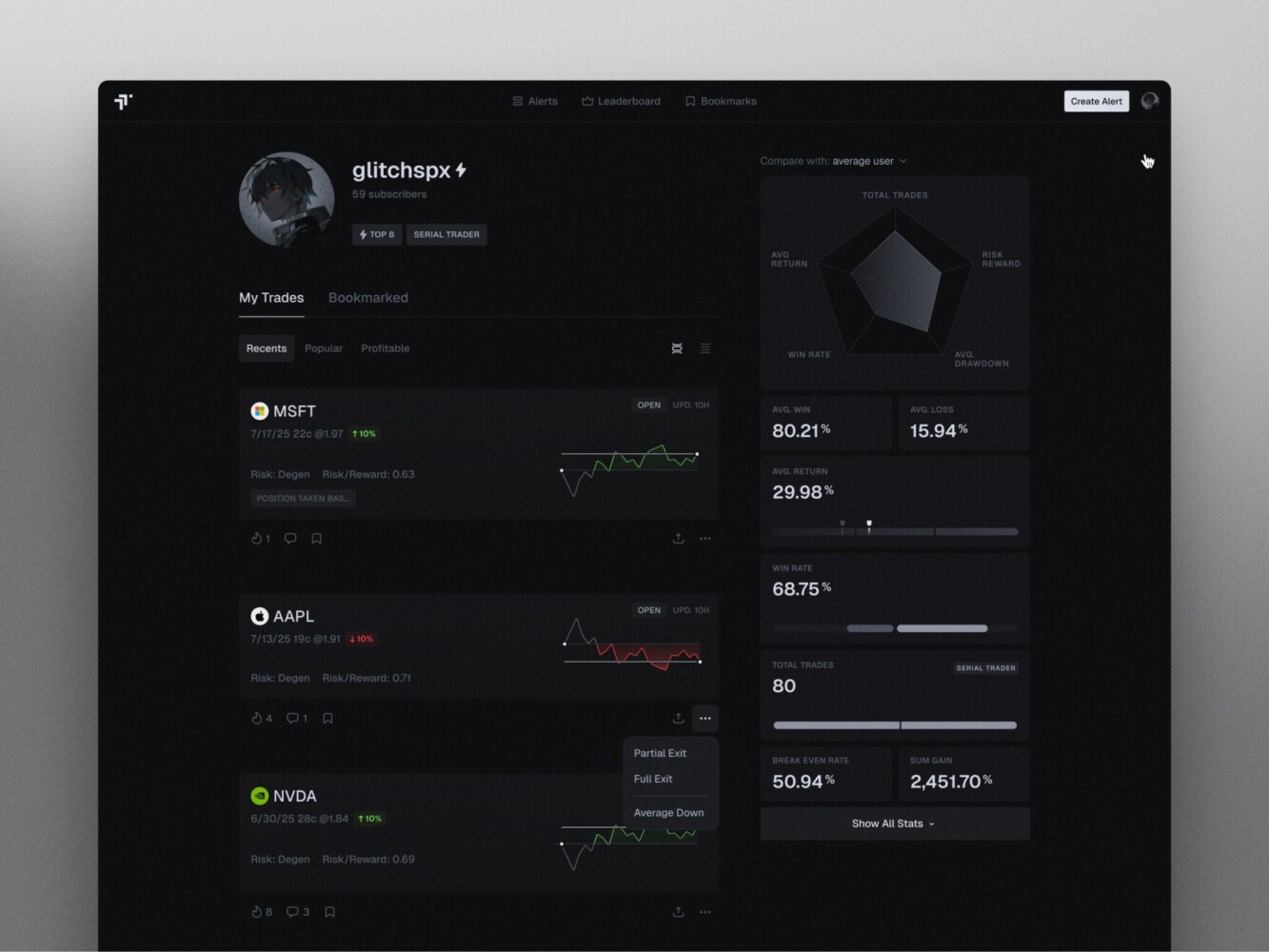
TraderTale: Social Platform for Traders by Shakuro

Challenges in Building Social Trading Platforms
Moderation and Compliance
When you create a trading community platform, you’re hosting financial behavior, and that changes everything.
- User content risk: One user posts “$XYZ is going to 10x tomorrow—buy now!” with a fake chart. Another promises “guaranteed returns.” Suddenly, you’re not a social app but an accomplice. In the eyes of regulators, at least.
- Financial accuracy: Even well-intentioned posts can be dangerously misleading. “I made 50% in a week!” but they don’t mention they leveraged 20x and almost blew up. Without context, your platform turns into a casino with a chat room.
- Fraud prevention: Scammers love social trading. Fake “gurus” selling signals, pump-and-dump groups, phishing links disguised as “portfolio trackers.” And once money’s involved, users expect you to protect them.
To prevent those from happening, you need proactive moderation. For instance, auto-flagging phrases like “DM for signals” or “100x gem.” Verified trader labels with real performance data might also help. What’s more, talk to a lawyer before launch. Even if you’re not a broker, regulators (SEC, FCA, etc.) are watching.
Real-Time Performance Requirements
Traders are not forgiving when things lag. If your feed updates 3 seconds after a user posts a breakout call, or their chart freezes during a volatility spike, they’ll assume your data is broken.
The pressure points:
- High concurrency: Market open = everyone posting, commenting, refreshing. Your WebSocket server better handle thousands of open connections without melting.
- Low-latency feed delivery: Followers expect to see new ideas now, not after a batch job runs. That means smart fan-out strategies, efficient caching, and avoiding N+1 queries like the plague.
- Scalable data delivery: Embedding live prices or P&L in every post? That’s a potential waterfall of requests. You’ll need aggregation layers, rate limiting, and fallbacks for when data providers hiccup.
User Trust and Security
No one trusts a trading community platform they haven’t vetted. And with good reason, because your app might show their portfolio, link to their broker, or store sensitive strategy notes.
So you need ironclad fundamentals:
- Authentication: OAuth 2.0, MFA support, session management that doesn’t leave tokens lying around.
- Verification: Apart from email confirmations, implement identity checks for top influencers or brokerage account linking (via Plaid or similar) to prove performance claims.
- Data protection: End-to-end encryption for private messages, GDPR/CCPA compliance, and strict access controls. If you’re syncing real portfolio data, treat it like bank records because, functionally, it is.
Finally, remember: trust is earned in drops and lost in buckets. One data leak, one fake “verified” scammer, one unexplained P&L discrepancy, and your community evaporates.
Why Work With a Specialized Fintech Development Team
You could hire a generalist dev shop to build a social platform for traders. They’ll knock out a feed, slap on a chart, and call it a day. But then you’ll hit market open with 500 users, and your WebSocket server dies, your P&L calculations are off, and someone just posted a scam signal that your basic keyword filter missed completely. That’s the risk of going generic.
A specialized fintech team like Shakuro has been in the trenches with tick data, SEC gray zones, and traders who rage-quit if a candlestick lags by 200 ms. And that experience saves you time, money, and reputation often before you even realize you needed it.
Domain Expertise
This is about knowing what to build in the first place. A team that’s worked on trading apps before understands nuances like why risk-adjusted returns matter more than raw P&L when ranking traders.
We’ve built analytics dashboards that don’t just look pretty but actually help users spot an edge. We’ve designed social features that encourage thoughtful discussion, not FOMO-fueled hype. And we know the difference between a signal and financial advice and how to keep you on the safe side of that line.
In short: we speak both trader and engineer. That bilingualism prevents entire categories of mistakes.
Scalable Architecture and Real-Time Engineering
Generalist teams often treat real-time features as an afterthought: “We’ll add WebSockets later.” But in trading, “later” is too late.
In trader social network development, we design for scale and speed from day one. Our developers know exactly when to use Redis Streams vs Kafka, when to precompute feed slices vs push live, and how to structure your database so a single query doesn’t lock your entire portfolio table during market close. And crucially, we’ve debugged these systems during actual volatility.
Faster Delivery With Pre-Built Components
One rarely builds everything from scratch, even the big players. Specialized teams often bring engineering accelerators, like a modular feed engine that’s already battle-tested with real trading communities.
This isn’t “cut-and-paste” code. It’s refined, reusable logic from past projects, which is adapted to new conditions. It can shave months off your timeline.
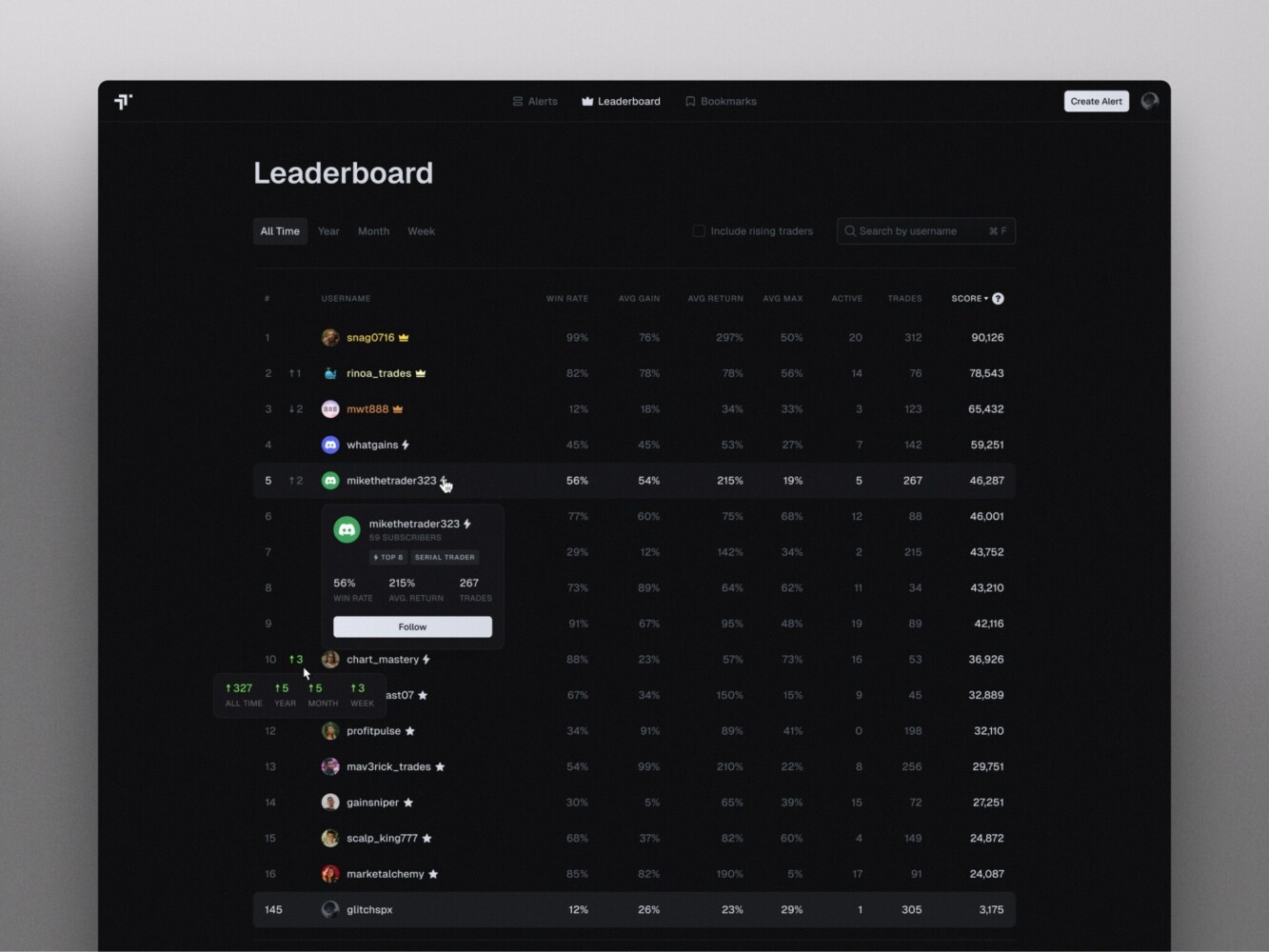
Leaderboard in TraderTale by Shakuro
FAQ
How much does social trading platform development cost?
Most successful platforms spent $90K-$180K on a lean MVP. The price rises with feature depth, real-time components, analytics modules and mobile apps, since adding iOS and Android roughly doubles frontend effort. After launch, each new feature such as broker integrations, mobile apps or advanced analytics can cost $30K-$100K+, and legal review of disclaimers, data usage and liability adds billable hours.
How long does building a social trading platform MVP take?
A lean social trading MVP typically takes 4-6 months with a development team of 3-4 people. That covers a basic feed, public trader profiles with manual trade logging, simple performance stats, a web-only interface and manual moderation tools. Real-time P&L sync, algorithmic feed ranking, broker integrations and mobile apps come later, once real traders prove they use the product and talk to each other.
What features should a social trading platform MVP include?
The MVP should prove engagement, so keep it to a basic social feed with text and image posts, comments and follows, plus public trader profiles with manual trade logging. Add simple performance stats such as win rate and average gain or loss, a web-only interface and admin tools for manual moderation. Skip broker sync, real-time P&L and algorithmic feed ranking until demand is validated.
What ongoing costs follow the launch of a social trading platform?
Moderation becomes a budget line once you pass ~1,000 active users: plan $2K-$5K/month for filters, reviewers and reporting workflows. Real-time, normalized market data from providers such as Polygon or Barchart costs $500-$5,000+/month. Cloud bills can climb from $200 to $5,000/month as WebSockets, cache and stored chart images grow, and bug fixes and security patches continue alongside.
What moderation and compliance does a social trading platform need?
A social trading platform needs proactive moderation: automated filters for scam phrases, manual review queues for new users and high-reach posts, disclaimers and risk warnings, and fraud detection for sudden follower spikes or fake P&L screenshots. Verified trader labels backed by real performance data build trust. Regulators such as the SEC and FCA are watching even if you are not a broker, so talk to a lawyer before launch.
Which tech stack suits social trading platform development?
A common setup uses Node.js for user-facing APIs and WebSocket servers, Go for market data ingestion and feed fan-out, and Python for analytics and P&L aggregation. React and React Native cover web and mobile, with Lightweight Charts for charting. PostgreSQL handles social data, TimescaleDB stores market time series, Redis caches sessions and feeds, and queues like Kafka or RabbitMQ offload heavy tasks.
How do I choose a development partner for a social trading platform?
Pick a team with trading domain experience, one that understands why risk-adjusted returns matter more than raw P&L and where the line between a signal and financial advice sits. Ask how they design real-time features from day one: feed fan-out, caching, WebSocket scaling and behavior during market open. Reusable components such as a tested feed engine can shorten the timeline.
Conclusion
Summary of Key Insights
A trading idea-sharing platform is a strategic lever for fintechs, brokers, and your business looking to boost engagement, build trust, and stand out in a crowded market. Today’s traders don’t want to fly solo; they want context, community, and credible insights, so they’ll stick around and pay for platforms that deliver it.
But building one isn’t trivial. You need the right mix of social dynamics, real-time market data, rigorous moderation, and scalable infrastructure. Skip any piece, and you risk low engagement, compliance headaches, or technical meltdowns during peak volatility.
The path forward is to start lean:
- Define your niche: who you’re serving and what tone your community will have.
- Build a focused MVP with feed, profiles, basic analytics, web-first.
- Iterate with real users, layer in broker sync, mobile, and monetization as you validate demand.
- Prioritize trust through verification, transparency, and smart moderation.
Do it right, and you’ll have a living ecosystem where traders learn, share, and grow together.
Build Your Social Trading Platform With Us
If you’re serious about social trading platform development, drop us a message.
Our team has shipped multiple fintech social solutions, from retail trading communities to prop firm collaboration hubs. We’ve wrestled with real-time data pipelines, built compliant analytics engines, and designed feeds that traders want to scroll. We’re product partners who understand what moves traders, what scares regulators, and what keeps your servers alive during earnings season.
👉 Got an idea? A sketch? A frustrated user base begging for better tools? Drop us a line. Let’s build something real together.
Related reading