Fantasy sports app development costs about $40,000 to $80,000 for a basic MVP built with cross-platform tech, simple scoring, and one sport. A mid-level app with custom design, multiple sports, real-time data, and a solid admin panel costs $100,000 to $250,000, and an enterprise-grade platform with native apps, complex AI features, heavy compliance, and multi-region support runs $300,000 to $500,000+. Post-launch support adds at least 15–20% of the initial development cost per year.
The draft screen is the easy part. The product has to process live sports data without errors, keep scoring fair, survive traffic peaks during matches, and follow rules that differ by state and country: where contests offer cash prizes, some regions treat them like gambling, which means geo-fencing and legal review. That is why the choice between a white-label platform and custom code, and of a sports software development company, matters so much.
Below, we cover core features, architecture, tech stack, custom vs white-label, the development process, cost drivers, common challenges, monetization, and how to choose a development company.
What Is Fantasy Sports App Development?
Basically, you’re building a digital playground where users act as general managers. They draft real-life athletes—think LeBron James, Patrick Mahomes, or whoever is hot in the Premier League this week—into a virtual squad. Then, they sit back and watch. As those real players perform in actual games, their stats (points, goals, assists, yards) get translated into points for the user’s fantasy team. It’s a layer of engagement on top of the sport itself. You’re not just watching; you’re invested.
The product model usually revolves around a few key loops. Users join leagues—maybe with friends, maybe with strangers from across the country. They tweak their lineups, make trades, and constantly check rankings. It’s competitive. People love seeing their name climb the leaderboard. It’s that little hit of dopamine when you beat your buddy who swore his team was unbeatable.
But here’s where it gets tricky, and why you need to be clear about what you’re actually building. Not all fantasy apps are the same. Mixing these up is a quick way to confuse your users (and your lawyers).
First, you’ve got a season-long fantasy. This is the classic. You draft a team at the start of the NFL or NBA season, and you’re stuck with them (mostly) for months. It’s about long-term strategy, patience, and dealing with injuries. It builds deep community bonds because you’re in it for the long haul with the same group of people.
Then there’s daily fantasy sports (DFS). This exploded a few years ago. Instead of committing to a whole season, you pick a new team every day or week. It’s faster, more intense, and often involves entry fees with cash prizes. It feels more like a game of skill mixed with immediate gratification. You draft on Thursday, play on Sunday, get paid on Monday.
Don’t forget prediction games. These are lighter. Maybe you just guess who will win the match or how many goals will be scored. No complex drafting, no managing a roster. It’s casual, easy to jump into, and great for users who don’t want to spend hours analyzing stats. Think of it as fantasy sports for people who have lives.
And finally, there’s the sports betting-adjacent stuff. This is the gray area. Some apps blend fantasy elements with direct betting mechanics. Maybe you’re betting on individual player props rather than team outcomes. It’s lucrative, sure, but the regulatory headache is real. Depending on where you are, this might require a completely different license, or it might be illegal altogether. It’s worth being super careful here.

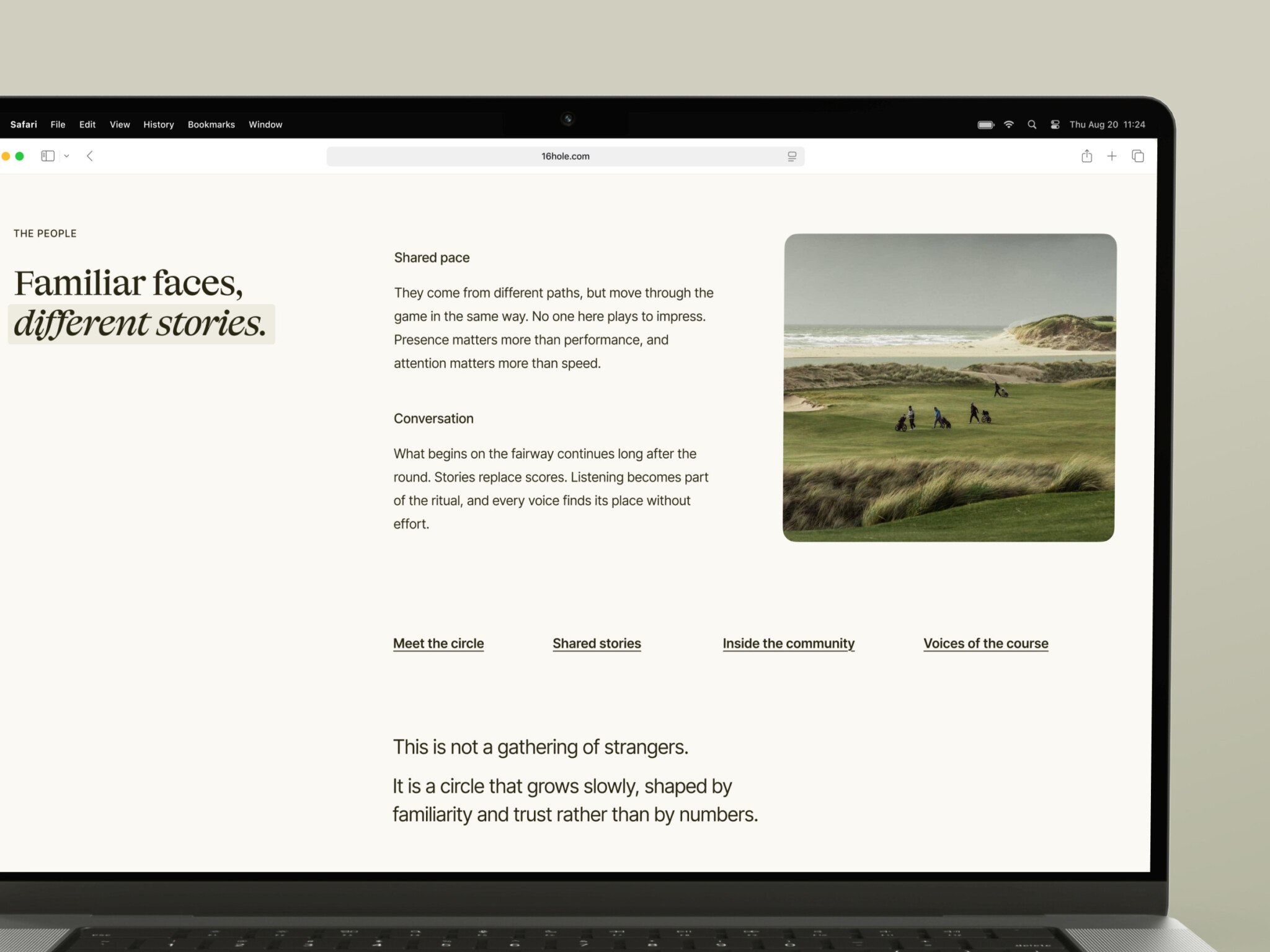
A website for a golf club by Conceptzilla
Core Fantasy Sports App Features Users Expect
User Onboarding and Profiles
In fantasy sports app development, first impressions matter. You’d be surprised how many apps make signing up a chore.
Keep it simple. Social login is pretty much mandatory these days—nobody wants to remember another password. Once they’re in, let them set up their profile quickly. Pick a favorite team, choose an avatar, maybe link their social accounts. It sounds small, but giving users a sense of identity early on helps them feel invested. Oh, and don’t forget the tutorial. Not everyone is a fantasy pro. A quick, skippable walkthrough can save you a ton of support tickets later.
League and Contest Creation
This is the heart of the social experience. Users need to create leagues easily. Public leagues for strangers, private ones for friends with a simple invite code.
Customization is key here. Let them decide the scoring rules, the roster size, the trade deadlines. If you’re doing DFS, the contest creation needs to be smooth too. Entry fees, prize pools, max entries per user. It should feel intuitive, not like filling out tax forms.
Draft Room and Team Management
The draft is where the magic happens. It’s eventful. People get excited. Your draft room needs to handle that energy without crashing. Real-time updates are non-negotiable. If someone picks a player, everyone else needs to see it instantly.
During custom fantasy sports app development, add a chat feature in the draft room—it’s half the fun. For team management, make swapping players easy. Drag and drop works well. Show clear indicators of who’s injured, who’s on a bye week. Users shouldn’t have to dig through three menus to bench a player.
Real-Time Scoring and Live Match Updates
This is technically the hardest part but also the most critical. When a player scores a touchdown in real life, it needs to show up in the app within seconds. Delays kill the vibe. Users will refresh the page obsessively if they don’t trust the data. You need reliable data feeds from providers like Sportradar or Stats Perform. And don’t just show points. Show play-by-play updates. “Mahomes completes a 15-yard pass.” It keeps people engaged even when their own players aren’t doing much.
Player Stats, Projections, and News Feeds
Fantasy players are nerds. In a good way. They love data. Give them deep stats. Not just points per game, but yards per carry, target share, red-zone efficiency. Projections help them make decisions, so integrate those if you can. News is crucial too. If a star player gets injured in practice, users need to know immediately. An integrated news feed that highlights relevant updates for their roster is a huge win. It saves them from switching between five different apps.
Wallets, Payments, Rewards, and Withdrawals, Where Legally Relevant
If money is involved, trust is everything. The wallet interface needs to be clean and secure. Deposits should be instant. Withdrawals? Well, they take time, but be transparent about it. Show pending balances, transaction history, everything. When opting for fantasy sports app development services, integrate multiple payment methods—credit cards, PayPal, maybe even crypto if that’s your vibe. But remember, this is heavily regulated. Make sure your compliance team is happy before you launch this part. Nothing shuts down an app faster than a payment glitch.
Leaderboards, Chat, Push Notifications, and Social Sharing
Competition drives engagement. Leaderboards should update in real time. Let users filter by week, season, or all-time. Chat features keep communities alive, but you’ll need moderation tools. Push notifications are your best friend for retention. “Your player just scored!” “Trade offer received!” “Draft starts in 10 minutes!” But don’t spam them. Find the balance. And make it easy to share wins on social media. People love bragging. Give them a nice graphic to post on Instagram or Twitter.
Admin Panel
You won’t see this part, but your team will live in it. The admin panel needs to be powerful. You need to manage users—ban cheaters, resolve disputes. Handle payments manually if needed. Update content via a CMS for news or blog posts. Analytics are vital. Who’s churning? Which leagues are most active? Where do users drop off? As for moderation, if you have chat, you need tools to flag abusive language or spam. It’s not glamorous, but it keeps your platform safe and usable. Honestly, a bad admin panel can slow down your entire operation. Invest in it.
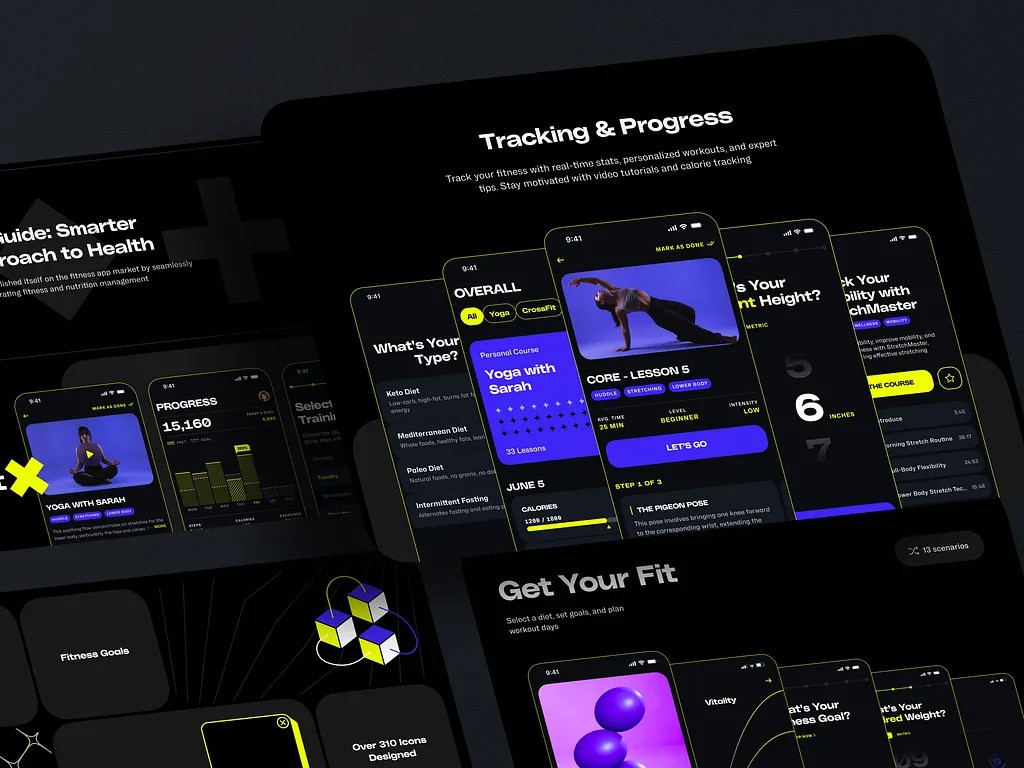
Web Design for a Yoga & Wellness Platform by Shakuro
Fantasy Sports App Architecture: What Happens Behind the Interface
Backend Services
You’re not building one big monolithic block of code. That’s a recipe for disaster. You need microservices. Think of them as specialized workers. One service handles user auth. Another handles league logic. Another handles drafts. If the draft service crashes, you don’t want the whole app to go down. You want the rest of the features to keep humming along. It’s cleaner, easier to scale, and honestly, easier to debug when things go wrong.
Sports Data APIs
This is your lifeline in fantasy sports app development. You aren’t generating the stats yourself. You’re buying them. Providers like Sportradar, Stats Perform, or API-Football send you massive streams of data. Goals, fouls, yards, seconds remaining. Your backend needs to ingest this data, clean it, and normalize it. Because one provider might call it “PTS” and another “Points.” Your system needs to speak one language. And you need redundancy. If your primary data feed drops during the Super Bowl, you need a backup ready to go in milliseconds.
Scoring Engine
This is the brain. It takes the raw data from the APIs and applies your league’s specific rules. Did the user get 6 points for a touchdown or 4? Did they lose a point for a fumble? The scoring engine has to calculate this for every player on every team in every league, instantly. It’s computationally heavy. If you have a million users, that’s millions of calculations happening in real-time. It needs to be optimized to within an inch of its life. Latency here is the enemy.
User Management
Seems basic, right? But it’s not just about login. It’s about session management, security, and profile data. You need to handle thousands of concurrent sessions without slowing down. And security is huge. You’re holding personal data. Maybe even financial data. One breach and you’re done. So, robust encryption, secure token handling, and regular audits are non-negotiable.
Contest Engine
For DFS especially, this is critical. It manages the entry fees, the prize pools, the max entries per user, and the payout logic. It needs to be atomic. Meaning, if two people try to enter the last spot in a contest at the exact same millisecond, only one should succeed. No double-charging, no ghost entries. It requires serious database locking mechanisms. It’s boring to talk about, but it’s what keeps you out of court.
Notification Service
You can’t rely on users refreshing the page. You need to push info to them. WebSockets are your friend here. They create a persistent connection between the user’s device and your server. When a player scores, the server pushes that update directly to the app. It’s efficient and fast. Without it, you’re stuck with polling, which drains batteries and slows down servers.
Payment Layer
This sits between your fantasy sports app and the payment gateways (Stripe, PayPal, etc.). It needs to handle webhooks securely. When a payment succeeds, fails, or is disputed, the gateway sends a signal. Your payment layer catches it and updates the user’s wallet. It needs to be idempotent, meaning if the same signal is sent twice by accident, it doesn’t charge the user twice. It sounds simple, but edge cases here are nightmares.
Analytics
In custom fantasy sports app development, you’re collecting data on everything. Who logs in? When do they drop off? Which features do they use? This data needs to flow into a warehouse (like Snowflake or BigQuery) so your team can analyze it. It helps you make decisions. “Hey, users are quitting during the draft. Why?” Analytics gives you the answer. But don’t let the analytics slow down the main app. Use asynchronous processing.
Admin Tools
Your internal team needs a dashboard. They need to see live contests, manage users, refund payments, and post news. This isn’t just a simple CRUD app. It needs to be real-time too. If an admin bans a user, that ban needs to happen instantly across all services.
Why Real-Time Infrastructure Matters
Let’s be real. Fantasy sports is a live event. When a game is on, emotions are high. Users are checking their phones every thirty seconds. If your app lags, if the score is five minutes behind the TV broadcast, you break the trust. And once that trust is gone, it’s hard to get back.
Real-time infrastructure—using things like WebSockets, Redis for caching, and scalable cloud functions—ensures that when something happens on the field, it happens in the app now. It’s not just a nice-to-have. It’s the core value proposition. Without it, you’re just a static spreadsheet with a pretty coat of paint. And nobody pays for that.

Greensward website by Shakuro
Choosing the Right Tech Stack for Fantasy Sports Mobile App Development
Native vs. Cross-Platform: The Eternal Debate
If you go native, you’re building two separate apps. One for iOS using Swift and one for Android using Kotlin.
Why would you do this? Performance. Pure and simple. If you’re building a heavy-duty app with complex animations, AR features, or intense real-time data visualization, native gives you direct access to the device’s hardware. It’s smoother. It feels more “premium.”
But here’s the catch: it’s expensive. You need two separate teams (or at least developers who are experts in both), and every new feature has to be built twice. It doubles your workload. Many startups burn through their runway just trying to keep parity between their iOS and Android versions. It’s exhausting.
On the other hand, you have cross-platform tools like Flutter or React Native. This is where most founders start these days, and for good reason. You write one codebase, and it runs on both iOS and Android. It’s faster to market. You save money. A lot of money. React Native uses JavaScript, so if you have web developers, they can jump in. Flutter uses Dart, which is great for consistent UI across devices.
Is it as fast as native? Almost. For 95% of fantasy sports apps, users won’t notice the difference. Maybe the scroll isn’t quite as buttery smooth on an old Android phone, but does it matter? Probably not. What matters is that you launched three months earlier than your competitor.
The Backend: Where the Heavy Lifting Happens
While the mobile app is the face, the backend is the brain. And it needs to be tough.
Node.js is a popular choice for fantasy sports app development services. Why? Because it’s non-blocking and event-driven. Perfect for handling thousands of concurrent connections, like when everyone is logging in for the draft. It plays nice with WebSockets too, which we talked about earlier.
Python is another strong contender. Especially if you’re leaning into data science. If you want to build custom projection models or AI-driven insights for your users, Python’s libraries (like Pandas or Scikit-learn) are unbeatable. It’s a bit slower than Node for pure I/O, but for data-heavy tasks, it’s king.
Then there’s .NET. Don’t sleep on it. If you’re coming from an enterprise background or need robust structure and type safety, .NET Core is incredibly fast and scalable. It’s great for large teams where consistency matters.
Database and Caching
You’ll likely need PostgreSQL for your main database. It’s reliable, handles complex queries well, and is great for storing user data, league structures, and transaction history. It’s the safe, solid choice.
But you can’t hit the main database for every little thing. That’s where Redis comes in. Redis is an in-memory data store. It’s blazing fast. You use it for caching live scores, session data, and leaderboard rankings. When a user opens the app, they should see their score instantly. That’s coming from Redis, not PostgreSQL. Without Redis, your app would crawl during peak times.
Real-Time Communication
We mentioned WebSockets before, but let’s emphasize it. You need a library or service that manages these connections efficiently. Socket.io is a common choice with Node.js. It handles the reconnection logic, the fallbacks, all the messy stuff so you don’t have to.
Hosting and DevOps
Don’t try to host this on your own servers. Use the cloud. AWS, Google Cloud, or Azure. They offer auto-scaling, which is crucial. When the NFL season starts, your traffic might spike 10x overnight. The cloud handles that. You pay for what you use.
And set up CI/CD (Continuous Integration/Continuous Deployment) from day one. Tools like GitHub Actions or Jenkins. You want to be able to push code and have it automatically tested and deployed. Manual deployments are risky and slow. You’ll make mistakes. CI/CD catches them before they reach your users.

Golf Website Design Concept by Shakuro
Custom Fantasy Sports App Development vs. White-Label Platforms
The Case for White-Label (Templates)
Let’s be honest: white-label platforms are tempting. You pay a licensing fee, maybe some setup costs, and boom—you have a working app. It has drafts, leagues, scoring, and even payments. It’s like moving into a furnished apartment. You don’t have to buy the couch or the fridge.
If your goal is to test the market quickly, or if you’re launching a standard fantasy league for a niche sport with basic rules, a template might be enough. It’s low risk. You’re not betting the farm on code that might not work.
But you’re renting, not owning. You’re stuck with their feature set. If they don’t support a specific payment method you need for your region, too bad. If you want to change the layout of the draft room, you’re likely out of luck. And as you grow, those licensing fees can add up. Plus, you’re competing with dozens of other apps using the exact same backend. How do you stand out if you look and feel exactly like everyone else?
When Custom Logic is Non-Negotiable
Custom development is expensive. It’s slow. It’s messy. But sometimes, it’s the only way to win. Here’s when you really need to build your own thing.
- Unusual Scoring Rules: Maybe you’re creating a fantasy game for esports, or for a sport that doesn’t have standard stats. Or maybe you want a hybrid model where points are awarded for social engagement, not just athletic performance. White-label platforms usually have rigid scoring engines. If your game logic is unique, you need custom code.
- Multi-Sport Support: Most templates are built for one sport—usually football or basketball. If you want users to switch between NFL, Premier League, and Cricket in the same app, with unified wallets and profiles, you’ll hit walls fast. Integrating multiple data feeds and different rule sets requires a flexible, custom architecture.
- Regional Compliance: This is huge. If you’re launching in India, Europe, or specific US states, the legal requirements vary wildly. Data privacy laws (like GDPR), gambling licenses, and tax rules are complex. A generic white-label solution rarely handles these nuances well. You need to build compliance into your core logic, not bolt it on as an afterthought.
- Complex Monetization: Are you doing subscriptions? In-app purchases for power-ups? Ad-supported free tiers? Crypto rewards? White-label platforms usually support basic entry fees. If your monetization strategy is creative, you’ll need custom payment flows and wallet logic.
- Advanced Analytics: If you want to offer AI-driven projections, personalized insights, or deep-dive stats that aren’t available elsewhere, you can’t rely on a template. You need to build your own data pipelines and machine learning models. This is often a key differentiator for modern apps.
- Custom UX: User experience is brand. If you want a specific vibe—gamified elements, unique animations, a particular social flow—you need control over the frontend. Templates feel generic. Custom apps feel like your product.
- Long-Term Scaling: If you plan to be around for five or ten years, owning your code matters. You can optimize it, refactor it, and scale it as you see fit. With white-label, you’re dependent on the vendor’s roadmap. If they go out of business or raise prices, you’re stuck.
If you’re a startup with limited funds and a simple idea, start with a white-label or a low-code MVP. Prove people want it. Get users. Validate the concept.
But if you have a unique angle, a specific audience, or plans to scale globally, custom development is the way to go. It’s harder, yes. But it gives you the freedom to innovate.

Mobile Sport App by Shakuro
Fantasy Sports App Development Process: From Discovery to Launch
Product Discovery and Market Research
Before you write a single line of code, you need to know who you’re building for. Are you targeting hardcore stat nerds who want deep analytics? Or casual fans who just want to bet five bucks with their coworkers? These are two different products.
Spend time talking to potential users. Look at your competitors. What are they doing wrong? Maybe their app is slow, or their customer support is non-existent, or their UX is confusing. Find that gap. Also, check the legal landscape early. If you’re planning to launch in a region with strict gambling laws, you need to know that now, not after you’ve built the payment system. It saves a lot of heartache later. Trust me.
Feature Prioritization and MVP Scope
Here’s where things get real. You probably have a list of fifty features you want. Cut it down to five. Seriously.
The goal of an MVP is to test your core value proposition with the least amount of effort. Do you really need AR player cards at launch? Probably not. Do you need a solid draft room and accurate scoring? Absolutely.
Focus on the “must-haves.” User registration, league creation, drafting, live scoring, and basic profile management. Everything else—chat, advanced stats, social sharing—can wait for version 1.1. It’s tempting to add more, but scope creep is the killer of startups. Keep it lean. You can always add features later, but you can’t easily remove them if they clutter the experience.
UX/UI Design and Prototyping
Don’t skip this. A clunky interface will kill your retention faster than bad data. Fantasy sports involves a lot of data—numbers, names, stats. If it’s not presented clearly, users will get frustrated.
Start with wireframes, especially when doing fantasy sports mobile app development. Map out the user journey. How many clicks does it take to join a league? Can you find your team’s score easily? Once the flow makes sense, move to high-fidelity designs. Pick a color scheme that fits your brand. Make it pop.
Prototyping is key here. Use tools like Figma to create a clickable version of your app. Test it with real people. Watch them try to use it. You’ll be surprised where they get stuck. Maybe that “Join League” button is hidden in a menu nobody looks at. Fix it now, before it’s coded. It’s way cheaper.
Backend, Mobile, and Admin Panel Development
Now the engineers take over. This is usually done in parallel. The backend team builds the APIs, the database structure, and the scoring engine. The mobile team starts building the screens based on the designs. And don’t forget the admin panel! Your internal team needs a way to manage the app. If you leave it until the end, you’ll be scrambling.
Communication between these teams is vital. The mobile devs need to know what the API endpoints look like. The backend devs need to know what data the mobile app requires. Regular sync-ups prevent mismatches. It’s like a dance. If one person steps on the other’s toes, everyone falls.
Sports Data Provider Integration
This is the lifeline. You’ve chosen your provider (Sportradar, Stats Perform, etc.). Now you need to integrate their feeds. This isn’t just plugging in a cable. You need to map their data fields to your scoring rules. You need to handle errors. What happens if the feed goes down? You need fallbacks.
Test this thoroughly. Compare the data in your app with what’s happening on TV. If there’s a delay, fix it. If a player’s name is spelled wrong, fix it. Accuracy is trust. If users think your scores are wrong, they’ll leave. And they won’t come back.
App Store Release and Post-Launch Support
Quality Assurance is critical for custom fantasy sports app development. Test every feature. Try to break the app. Enter negative numbers in the entry fee field. Try to join a full league. See what happens. Bugs will happen. Find them before your users do.
Then, load testing. Simulate thousands of users joining at once. Does the server hold up? If it crashes, you need to optimize. This is especially important for draft day or big game days.
Once you’re confident, submit to the App Store and Google Play. They have their own review processes. It can take a few days. Be patient. Have your marketing ready to go so you can drive traffic as soon as you’re live.
And finally, post-launch support. The work doesn’t stop. Monitor your servers. Watch for bugs. Listen to user feedback. Update the app regularly. Fantasy sports is a live service. It needs constant care. It’s a marathon, not a sprint. But seeing those first users engage with your product? That’s worth all the hassle.

Branding for Emerill by Shakuro

Fantasy Sports App Development Cost: What Affects the Budget?
If you’re building a basic MVP (Minimum Viable Product) with cross-platform tech (like Flutter or React Native), simple scoring, and one sport, you might be looking at $40,000 to $80,000. This gets you a functional app, but it won’t be pretty, and it won’t have every bell and whistle.
For a mid-level app with custom design, multiple sports, real-time data, and a solid admin panel, expect $100,000 to $250,000. This is where most serious startups land. It’s robust, scalable, and looks professional.
If you’re going for a high-end, enterprise-grade platform with native apps, complex AI features, heavy compliance needs, and multi-region support, you’re easily looking at $300,000 to $500,000+. And that’s just for development. Marketing is a whole other bucket.
What Drives the Cost Up?
It’s not just about the hours coded. Several factors can blow your budget if you’re not careful.
- Number of Platforms: Building for iOS and Android separately costs almost double what a cross-platform solution does. If you also want a web version for desktop users, add another 30-40% to the bill.
- Sports and Leagues: Supporting one sport is manageable. Adding cricket, football, basketball, and esports? Each sport has different rules, different data structures, and different user expectations. It’s not just copy-pasting code. It’s new logic for each one.
- Real-Time Data Needs: Remember those data feeds? They aren’t free. Providers charge based on usage. And integrating them securely and quickly takes engineering time. If you want sub-second updates, you need better infrastructure, which costs more.
- Scoring Complexity: Basic points per goal? Easy. Custom rules where points change based on weather conditions or player sentiment? That’s complex logic. The more unique your scoring, the more time developers spend building and testing the engine.
- Payment and Wallet Functionality: Handling money is risky. You need secure gateways, wallet logic, transaction history, and compliance with financial regulations. If you’re doing DFS with cash prizes, you need even more security. This isn’t a place to cut corners.
- Compliance: Legal tech is expensive. If you need geo-fencing to block users in certain states, or age verification, or specific data privacy measures for Europe (GDPR), that’s extra development work. Lawyers also cost money, but that’s a different story.
- Design Depth: A template-based UI is cheap. A custom, animated, brand-specific design takes weeks of work from skilled designers. It makes the app feel premium, but it adds to the timeline and cost.
- Admin Panel: Don’t underestimate this. A basic admin panel is simple. But if you need advanced analytics, user moderation tools, content management, and manual override capabilities for contests, it becomes a full-blown software project on its own.
- Integrations: Want to link with social media? Add third-party analytics? Integrate with CRM tools? Each integration takes time to set up and maintain.
- Post-Launch Support: The app doesn’t stop existing when you launch. You need servers, maintenance, bug fixes, and updates. Budget for at least 15-20% of the initial development cost per year for ongoing support. It’s an operational expense, not a one-time fee.
So, how do you keep costs down? Start small. Build an MVP. Validate your idea. Don’t try to build the next DraftKings on day one. Focus on one sport, one region, and one core feature. Get it right. Then expand. It’s slower, but it’s safer. And honestly, it’s smarter.

Common Challenges in Fantasy Sports App Development
Live Data Accuracy
This is the biggest trust-killer. Imagine your user thinks they won because their player scored a goal, but your app says they didn’t. Why? Because the data feed was delayed by ten seconds, or there was a glitch in the mapping. Users will scream. They’ll leave bad reviews. They’ll quit.
You need redundant data sources. If one provider fails, switch to another instantly. And you need a way to manually correct scores if things go really wrong. It’s embarrassing to admit a bug, but it’s worse to let a user lose money because of it.
Peak Traffic During Matches
Think about the Super Bowl. Or the World Cup Final. Millions of people are checking their phones at the exact same time. Specifically, right before kickoff when they’re making last-minute lineup changes.
Your servers need to handle that spike. If your app loads slowly or crashes during those critical minutes, you’re done. Auto-scaling is your friend here, but you still need to test it. Load testing isn’t optional. You need to simulate disaster to prevent it.
Fair Scoring
Users are suspicious. They always think the house is rigged. If your scoring logic is complex, explain it clearly. Show the math. “Here’s why you got 4.5 points instead of 5.” Transparency builds trust. If users feel the game is fair, they’ll stay. If they think it’s arbitrary, they’ll leave.
Payment Security and Fraud Prevention
Money attracts bad actors. You’ll have people trying to use stolen credit cards. You’ll have users creating multiple accounts to rig contests (syndication). You need robust fraud detection. Tools like Stripe Radar help, but you also need internal logic. Check IP addresses. Device fingerprints. Behavior patterns.
And security is non-negotiable for fantasy sports mobile app development. Encrypt everything. Data at rest, data in transit. Use secure authentication (OAuth, 2FA). If you leak user data, your business is over. Just like that.
Regulatory Restrictions
This is the wild west. One state allows DFS. The next one bans it. Another country requires a specific gambling license. You can’t just launch globally. You need geo-fencing. You need to know exactly where your users are. And you need to update your compliance rules constantly. It’s a legal minefield. Hire a lawyer who knows sports tech. It’s worth every penny.
User Retention
Getting users is hard. Keeping them is harder. Fantasy sports is seasonal. What do users do in the off-season? If you don’t have a plan for retention—maybe other sports, prediction games, or community features—they’ll forget about you. Push notifications help, but don’t spam. Give them value. Make them feel part of a community.
App Store Requirements
Apple and Google are strict. Especially with real-money gaming. You need specific licenses to even get listed in some regions. Your app review might take weeks. They’ll reject you for small things. A missing privacy policy link. An unclear terms of service. Be prepared for back-and-forth. It’s frustrating, but it’s part of the game.
Security Notes: The Nitty-Gritty
Let’s double down on security because it’s so vital.
- Encryption: Use AES-256 for data storage. TLS 1.3 for data transmission. No exceptions.
- Secure Authentication: Don’t roll your own auth. Use established providers or libraries. Implement Multi-Factor Authentication (MFA) for admin accounts and high-value user actions.
- Role-Based Admin Access: Not every employee needs access to everything. Your support team shouldn’t be able to change scoring rules. Your devs shouldn’t have access to live payment data. Limit permissions strictly.
- Logging: Log everything. Who logged in? Who changed a score? Who processed a refund? If something goes wrong, you need an audit trail. It helps with debugging and with legal disputes.
- Compliance Checks: Regularly audit your system. Are you still compliant with GDPR? With local gambling laws? Compliance isn’t a one-time thing. It’s ongoing.
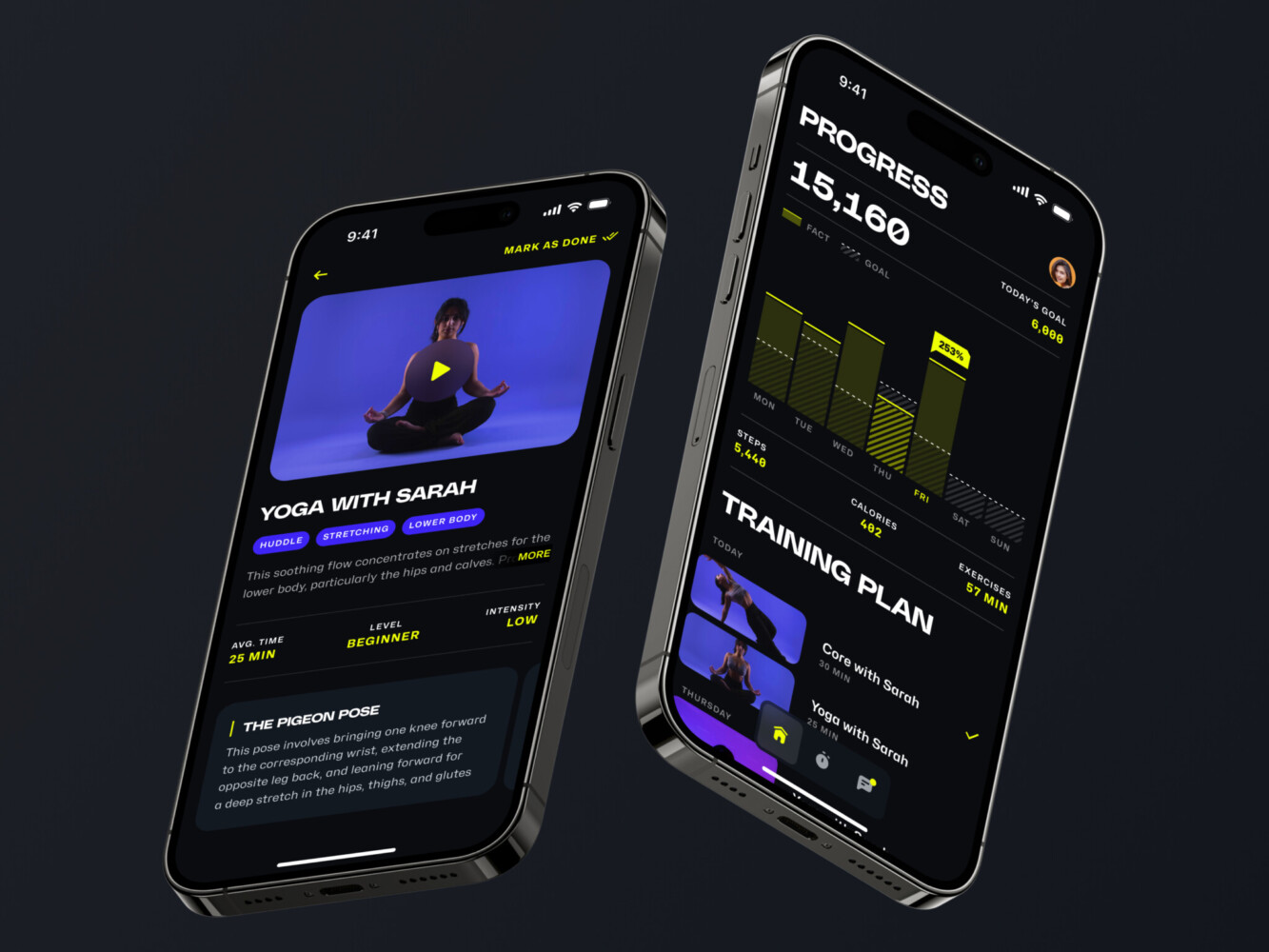
YogaMate app by Shakuro
Monetization Models for Fantasy Sports Apps
Entry Fees and Rake
This is the classic Daily Fantasy Sports (DFS) model. Users pay an entry fee to join a contest. You take a cut—usually around 10%—and the rest goes into the prize pool. It’s straightforward. It aligns your success with the users’ engagement. If they win, they’re happy. If they lose, they often come back for revenge. But remember, this is where the legal stuff gets heavy.
Subscriptions
Think of this as the “Netflix” model in the world of fantasy sports app development. Users pay a monthly or yearly fee for access. Maybe it removes ads. Maybe it gives them entry into exclusive leagues. Or maybe it just supports the platform because they love the community. It’s predictable revenue, which investors love. It smooths out the peaks and valleys of seasonal sports.
Premium Analytics
Fantasy players are data-hungry. They want an edge. You can offer basic stats for free, but lock the deep-dive stuff behind a paywall. AI-driven projections, injury risk analysis, advanced matchup metrics. If your data helps them win even 5% more often, they’ll happily pay $10 a month. It’s a value proposition that’s easy to sell to serious players.
Ads
The old reliable. Banner ads, video interstitials, native ads in the news feed. It works best if you have a huge volume of free users. The downside? It can clutter the UI. Nobody likes an app that feels like a billboard. Keep it tasteful. Maybe offer an ad-free version as part of a subscription. It’s a good upsell.
Sponsorships
This is big for branded apps. If you’re partnering with a specific league or team, they might sponsor certain contests. “The Nike Speed Contest.” Or maybe a beer brand sponsors the Monday Night Football league. It adds legitimacy and brings in cash without charging the user directly. It’s all about leveraging your audience.
Private Leagues
Sometimes, the money isn’t in the app, but in the social circle. You can charge a small fee for creating highly customized private leagues with unique branding. Corporate clients might pay for this for employee engagement. It’s a B2B angle that many founders overlook.
Affiliate Partnerships
You know those links to buy jerseys or tickets? Or maybe links to other betting platforms (where legal)? You get a commission for every click or sale. It’s passive income. It doesn’t require much maintenance once it’s set up. Just make sure the partners fit your brand. Don’t promote shady sites. It hurts your reputation.
Freemium Upgrades
Let everyone play for free. Basic features, public leagues, standard stats. Then, offer upgrades. Want to join more leagues? Pay. Want to create a custom avatar? Pay. Want to see who viewed your profile? Maybe pay. It lowers the barrier to entry, so you get a large user base, then monetize the most engaged ones.
However, I need to stress this again because it’s so important. Paid contests and prize mechanics are legally sensitive.
In many places, fantasy sports is considered a game of skill, not chance. But that definition varies wildly. In some US states, it’s fully legal. In others, it’s gray. In some countries, it’s strictly regulated gambling. If you get this wrong, you face fines, shutdowns, or worse.
Never, ever launch a paid contest feature without a thorough legal review for every market you plan to enter. It’s not worth the risk. Get a lawyer who specializes in gaming law. It’s an expense, yes, but it’s cheaper than a lawsuit.
How to Choose a Fantasy Sports App Development Company
Many founders pick agencies because they had a slick website or because they were the cheapest option. Both are mistakes. You’re not just buying code; you’re buying expertise, reliability, and peace of mind. Here’s what you actually need to look for.
Sports Data Integration Experience
Ask them specifically about this. “Have you integrated Sportradar or Stats Perform before?” If they give you a vague answer, run. Handling live data feeds is tricky. It’s handling latency, mapping errors, and fallbacks. You want a team that has already solved these problems. They should be able to tell you horror stories about data glitches and how they fixed them. That’s experience.
Mobile UX Strength
Fantasy sports apps are data-heavy. If the UX isn’t crisp, users will get overwhelmed. Look at their past work. Download their apps. Are they intuitive? Do they feel fast? Is the navigation logical? A good agency understands that design isn’t just about pretty colors; it’s about usability. They should talk to you about user flows, not just screen layouts.
Scalable Backend Skills
You need engineers who understand scale. Ask them: “How would you handle 100,000 concurrent users during the Super Bowl?” If they start talking about basic hosting without mentioning auto-scaling, load balancing, or caching strategies like Redis, they might not be ready for prime time. You want architects, not just coders. They need to think about the future, not just the present.
Compliance Awareness
This is huge. If a fantasy sports app development company doesn’t ask you about your target markets and the legal implications, they’re not paying attention. A good partner will flag potential regulatory issues early. They should have experience with geo-fencing, age verification, and secure payment processing. They don’t need to be lawyers, but they need to know when to call one. Ignorance here is not bliss; it’s liability.
QA Process
Testing isn’t an afterthought. It’s a core part of the process. Ask about their QA strategy. Do they do automated testing? Manual testing? Load testing? How do they handle bug tracking? You want a rigorous process. Bugs in a fantasy app aren’t just annoyances; they can cost users money. You need a team that treats quality as a feature, not a checkbox.
Transparent Discovery
Beware of agencies that give you a fixed price immediately without asking questions. That’s a red flag. A good partner will spend time in the discovery phase. They’ll challenge your assumptions. They’ll ask why you want certain features. They’ll help you refine your MVP. This phase should feel collaborative, not salesy. You want transparency on costs, timelines, and risks. No hidden fees. No surprises.
Post-Launch Support
The launch is just the beginning. Who fixes the bugs that appear next week? Who updates the app when iOS releases a new version? You need a clear support plan. Is it included? Is it hourly? What’s the response time? Don’t leave this until the end. Know who you’re calling when things go wrong at 2 AM on a Sunday.
Honestly, trust your gut. Do they listen? Do they seem passionate about sports or tech? Do they communicate clearly? You’re going to be working with these people for months. Make sure you actually like them. Because when the stress hits—and it will—you’ll want a partner, not just a vendor.
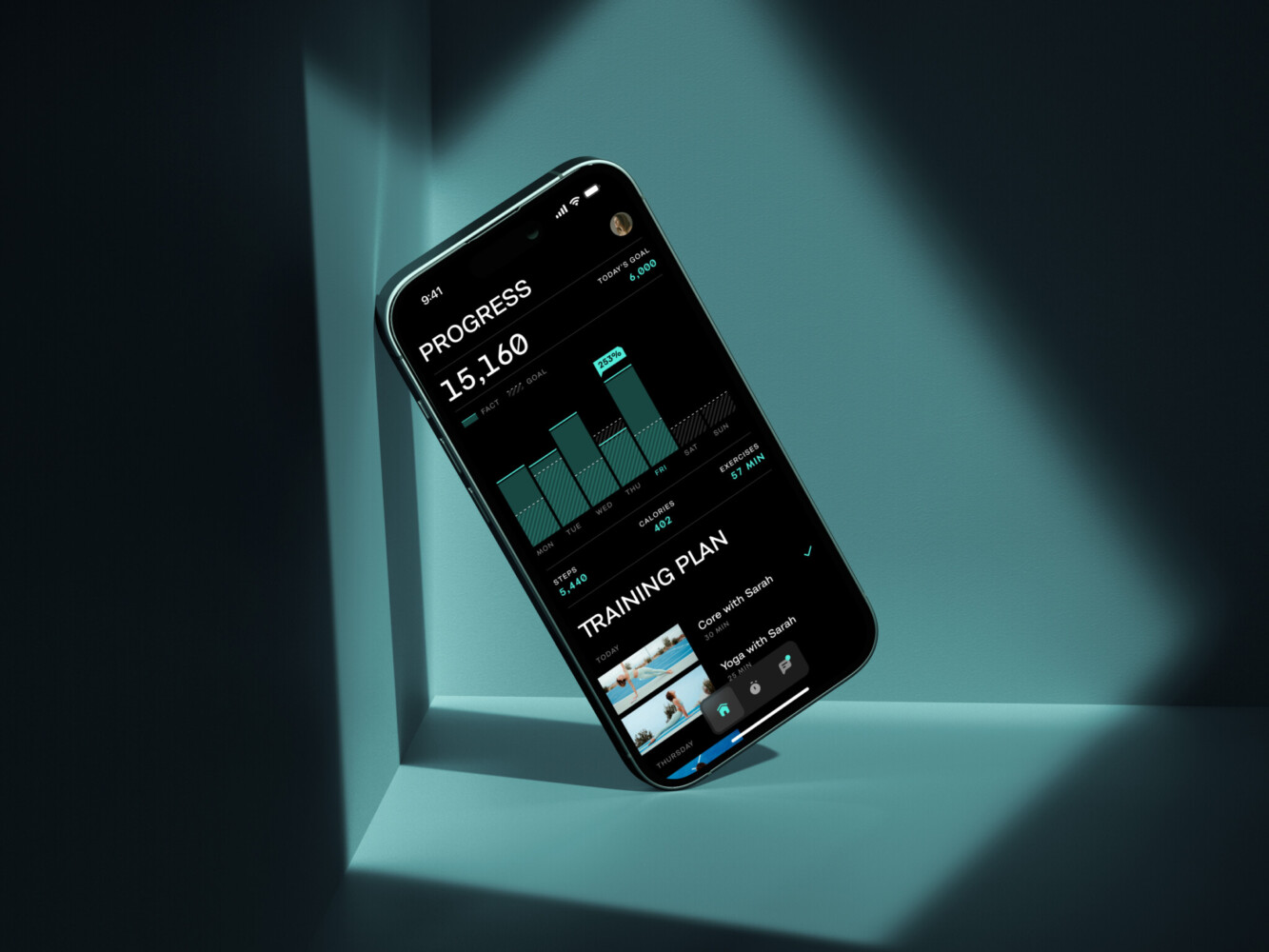
Sports application by Shakuro
Final Thoughts: Build for Live Sports Pressure, Not Just Feature Lists
At the end of the day, a fantasy sports app isn’t just a collection of features. It’s a live event.
You can have the prettiest UI in the world, but if it lags when a touchdown is scored, you’ve failed. You can have the most complex scoring engine, but if users can’t figure out how to join a league, they’ll leave. It’s about handling the pressure. The real-time chaos of sports doesn’t care about your sprint schedule. It happens when it happens.
So, build for that. Prioritize reliability over bells and whistles. Make sure your UX is so clear that a newbie can use it without a tutorial. Ensure your payments are bulletproof because trust is everything. And don’t just think about launch day; think about month six. How do you keep people coming back when their favorite team is losing? That’s the real challenge.
It’s a lot to juggle, I know. But getting it right is incredibly rewarding. There’s nothing quite like seeing thousands of people engage with something you built, cheering and groaning in real-time.
If you’re ready to turn that idea into a platform that can actually handle the heat, let’s talk. We’ve been down this road before. We know where the potholes are. Reach out to Shakuro, and let’s see if we can build something great together. No pressure, just a chat. You might be surprised at how much clearer things look when you have the right team in your corner.
Frequently Asked Questions
How much does it cost to build a fantasy sports app?
A basic MVP with cross-platform tech, simple scoring, and one sport costs about $40,000 to $80,000. A mid-level app with custom design, multiple sports, real-time data, and a solid admin panel costs $100,000 to $250,000. A high-end platform with native apps, complex AI, heavy compliance, and multi-region support runs $300,000 to $500,000+. Marketing and yearly support are separate budget lines.
How long does it take to build a fantasy sports app?
A solid fantasy sports MVP usually takes 3–4 months. A full-featured platform with multiple sports and complex admin tools can take 6–9 months. Rushing is risky here: bugs in scoring or payments cost users money and trust. It is better to launch a bit later with a stable product than early with a broken one.
Do I need special licenses to launch a fantasy sports app?
It depends on where your users are. In many places, fantasy sports counts as a game of skill and is legal, but if you offer cash prizes, some regions treat it like gambling. You will need geo-fencing to block restricted areas, age verification where required, GDPR-level data privacy for Europe, and a legal review for every market you enter.
What features does a fantasy sports app MVP need?
A fantasy sports MVP needs user registration, league creation, drafting, live scoring, and basic profile management, backed by an accurate scoring engine and a reliable sports data feed. Chat, advanced stats, social sharing, and extras like AR player cards can wait for the next version. Cutting the list keeps the first release stable under live match traffic.
Should I use a white-label fantasy sports platform or build a custom app?
A white-label platform suits testing the market quickly or launching a standard league with basic rules: you pay a licensing fee and get drafts, leagues, and scoring. Build custom when you need unusual scoring rules, multi-sport support, regional compliance, complex monetization, AI-driven analytics, or your own UX, and when you plan to scale for years without depending on a vendor’s roadmap.
How can a fantasy sports app make money without entry fees?
You can charge subscriptions for premium analytics, run ad-supported free leagues, sell sponsorships, offer paid private leagues, and use affiliate partnerships. Many apps use a freemium model: basic play is free, and users pay for advanced stats or an ad-free experience. This lowers the barrier to entry and avoids some of the regulation that comes with paid contests.
Related reading