
Sports app development is building products for fans, athletes, and clubs: live scores, fantasy contests, workout tracking, court booking, and ticketing. A simple MVP costs $40,000–90,000 and usually takes 3–5 months. A mid-level app costs $90,000–180,000 and takes 5–9 months. A complex platform with live scoring, fantasy or betting logic, and wearable data costs $180,000–500,000 or more and takes 9 months or more.
The interface looks simple. Behind it sit sports data feeds, user accounts, payment logic, push notifications that must arrive before the match ends, admin tools, and fraud checks. Data providers, compliance, and admin panels are the costs teams most often underestimate.
The sections below cover the main types of sports apps, core features, architecture and tech stack, the development process, cost, common challenges, and our own experience as a sports tech development company.
What Is Sports App Development?
It is the process of planning, designing, building, testing, and improving digital products for the sports market. That may sound broad because, well, it is.
A sports app can be a mobile app for fans. It can be a fantasy sports platform. It can help athletes track progress. It can manage tournaments, club memberships, facility bookings, live scores, training plans, team communication, or betting flows. Some sports products are mostly content and community. Others are serious data systems wrapped in a friendly interface.
The best option depends on the business model. A fitness startup cares about daily retention and wearable sync. A league platform cares about schedules, rankings, player profiles, and event registration. A fantasy sports app cares about contest logic, scoring, payments, and fairness. A live score app cares about speed, reliability, and trust. Nobody wants to see a goal notification after their group chat has already spoiled the result.

Golf club website by Conceptzilla
Main Types of Sports Apps
There is no single template for a sports product. The category matters because it affects everything: UX, backend architecture, compliance, monetization, and even how people behave inside the app.
Fantasy Sports Apps
Fantasy sports app development is usually more complex than it first appears. Users create teams, join contests, follow live player stats, compare rankings, and expect scoring to update fast. If money is involved, the product also needs wallet logic, payment processing, fraud prevention, and clear rules.
A development company will usually spend a lot of time on the scoring engine. It has to be transparent and stable. Users get annoyed very quickly when points change without explanation, and fair enough.
Live Score and Fan Engagement Apps
Live score apps are about immediacy. Scores, fixtures, player stats, lineups, commentary, standings, push alerts, and media feeds need to feel alive. The hard part is not just showing data. It is making data readable when people are emotional, distracted, or watching a match with one eye on the TV.
Fan engagement features can include polls, prediction games, watch parties, loyalty points, short-form video, and social feeds. These features sound fun, but moderation and performance need attention from day one.
Sports Betting Apps
It is a separate world because it brings regulation into the room. Betting products often need KYC, AML checks, payment controls, geolocation, odds feed integrations, responsible gaming features, and licensing support. Laws vary by market, so this is not the kind of thing to improvise.
If betting is part of the roadmap in sports app development, bring legal and compliance specialists in early. It is a little annoying, sure, but much less annoying than rebuilding the product later because the first version ignored market rules.
Fitness, Wearable, and Training Apps
Fitness and training apps focus on routines, activity tracking, coaching, progress, habit formation, and motivation. The product might integrate with Apple Health, Google Fit, smartwatches, heart-rate monitors, GPS data, or custom sensors.
Here the emotional side matters more than people expect. A good fitness app should encourage users without nagging them. It should not feel like a tiny coach judging you from your pocket. We have all abandoned apps that got too loud too fast.
Team, League, and Tournament Management Apps
These apps help sports organizations run operations: events, rosters, standings, registration, brackets, results, staff roles, payments, and communication. The interface has to work for different people at once: athletes, parents, coaches, admins, volunteers, sponsors, and fans.
That kind of product can look “administrative,” but the UX still needs care. When someone is registering for a tournament at 11 p.m. after training, they do not want to decode a form that feels like a tax portal.
Venue Booking and Club Apps
Sports clubs, gyms, and venues often need sports app development services for booking courts, managing memberships, selling classes, handling cancellations, sending reminders, and collecting payments. The business logic can be surprisingly detailed: peak hours, coach availability, waitlists, recurring bookings, no-show rules, and seasonal pricing.
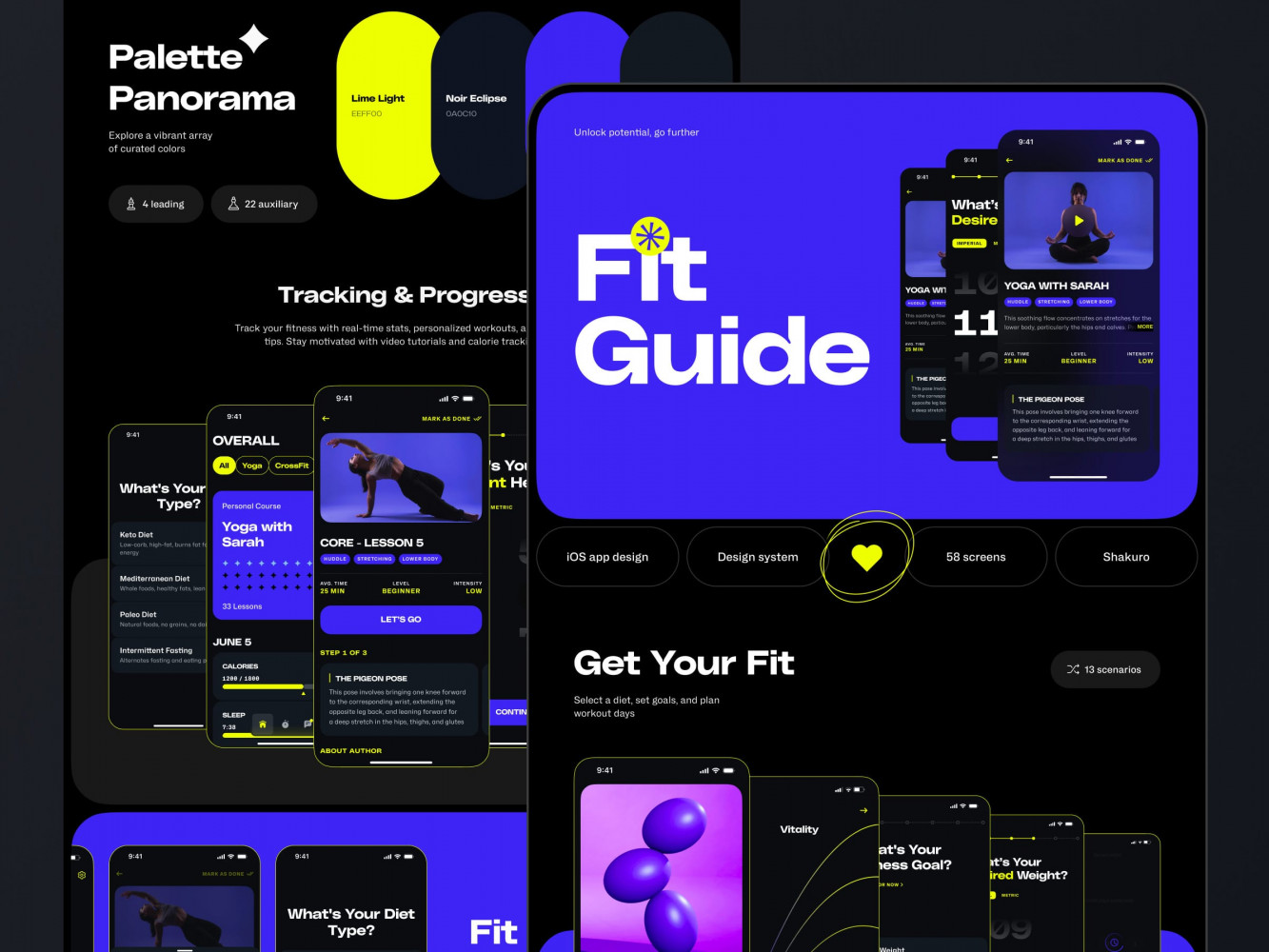
Website Design for a Yoga & Wellness Platform by Shakuro
Core Features of a Sports App
The right feature set depends on the product type, but most sports apps share a few building blocks.
User onboarding should be quick. Let people sign up with email, phone, Apple, Google, or social accounts. Ask for only what you need at first. You can collect preferences later, once there is trust.
Profiles are another common feature. Fans may choose favorite teams. Athletes may show stats, ranking, achievements, weight class, location, or training history. Coaches and admins may need permissions. In sports products, one user role rarely covers everyone.
Live data is often the heart of the app. Scores, standings, schedules, odds, player stats, workout data, or event updates should be timely and easy to scan. A dashboard that looks beautiful but hides the one number people came for is not doing its job.
Push notifications need restraint. Send match alerts, booking reminders, contest updates, reward messages, and training nudges, but give users control. Notification settings are one of those small details that quietly decide whether people keep an app installed.
Payments can cover subscriptions, event fees, in-app purchases, club memberships, merchandise, donations, or fantasy contests. Keep payment flows plain and predictable. Fancy checkout screens rarely make people happier.
An admin panel is not optional for most sports app development services. Teams need to manage users, content, events, schedules, disputes, refunds, analytics, promotions, and support requests. The admin side may not be glamorous, but it keeps the whole product breathing.
Analytics help product teams see what is actually happening. Which screens do people use? Where do they leave? Which events drive signups? Do users return after match day? Good analytics can turn vague guesses into useful product decisions.
Sports App Architecture and Tech Stack
Architecture is where the project stops being just a collection of screens. A sports app needs a system that can handle live updates, unpredictable traffic, third-party data, security, and long-term growth.
Teams use Swift for iOS, Kotlin for Android, or cross-platform frameworks such as Flutter and React Native for mobile apps. Native development gives you deep control of the platform, which is useful for performance-heavy products. If speed, budget, and shared UI are the priorities, cross-platform can be the best option.
For web dashboards and admin panels, React, Next.js, and TypeScript are popular options. That’s why a clean admin interface matters. Sports operations can get messy. Event calendars, user roles, payments, content, reports, moderation, and support tickets all want your attention. Backend dev depends on the data model and expected load. Node.js, Python, .NET, PostgreSQL, Redis, queues, and cloud services can all fit.
The exact stack matters less than the architecture around it: caching, background jobs, clear APIs, logging, monitoring, and a sane deployment process.
Real-time features deserve their planning. WebSockets, push notification services, message queues, and data streaming can help users see updates quickly. But real-time is not magic dust. You still need fallback states, retries, and a plan for what happens when a data provider is late or wrong.
Integrations are another big piece in sports app development. Sports apps may need sports data APIs, payment gateways, maps, video platforms, CRM tools, wearable platforms, marketing tools, identity checks, or odds providers. Each integration has limits, pricing, edge cases, and failure modes.
Security should sit inside the product from the start. Use secure authentication, encryption, role-based access, audit logs, rate limiting, API protection, and regular security testing. If the app handles payments, health-like activity data, location data, or betting activity, the bar gets higher.
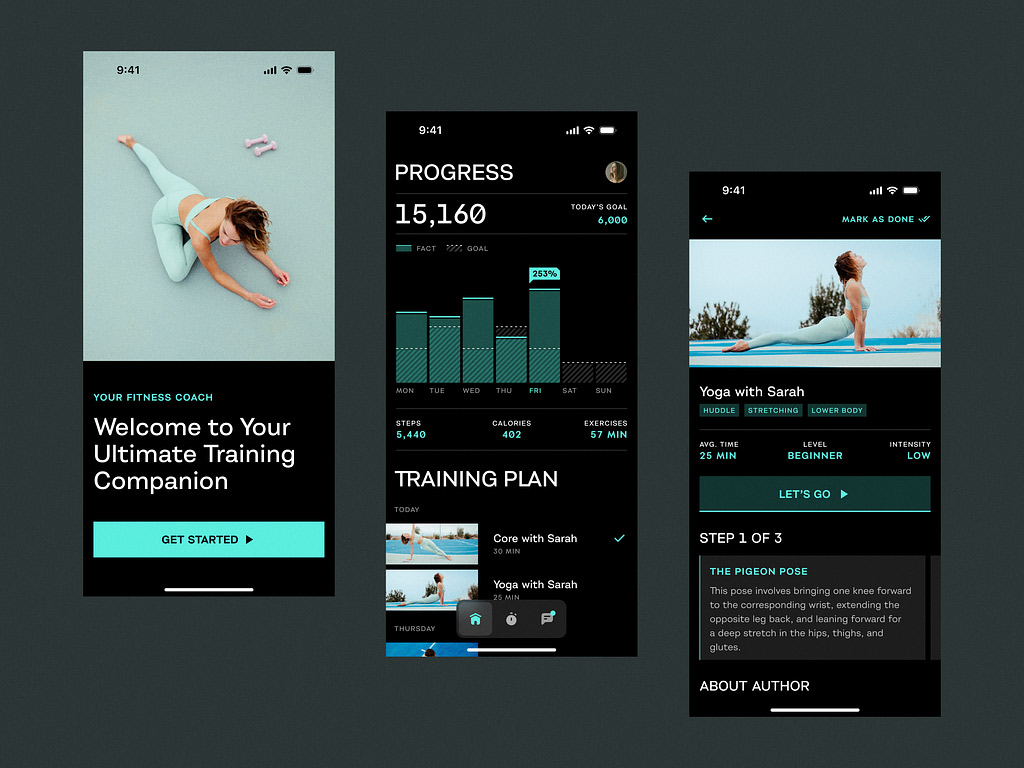
Sport App by Shakuro
Sports App Development Process
A good process saves money because it catches wrong assumptions early. Not all of them, obviously. Software still has surprises. But the right process keeps those surprises smaller.
1. Discovery and Product Strategy
Start with the basics: who is the app for, what problem does it solve, how will it make money, and what does the first useful version include? This is where product teams define the MVP, user roles, business rules, risks, competitors, and success metrics.
For a sports app development company, discovery also means asking practical questions. Do you need live sports data? Who owns the content? Are payments involved? Which markets will the app serve? Will traffic spike during events? What happens if users dispute a score or transaction?
2. UX Research and User Flows
Sports users are not always calm and patient. They may be rushing to register for a tournament, checking a score during a meeting, or trying to book a court before someone else grabs the slot. The UX has to respect that.
Map the important flows first: onboarding, profile setup, finding an event, joining a contest, tracking a match, redeeming a reward, buying a subscription, booking a venue, or managing a team. Keep the flow obvious. If users need instructions for the main action, something is probably off.
3. UI Design and Prototype
Design should make the product feel credible and easy to use. Sports apps can be energetic, but they do not need to shout. Strong contrast, clear stats, readable cards, simple navigation, and sensible empty states do a lot of quiet work.
A clickable prototype helps teams test assumptions before development. It is not perfect proof, but it shows where people hesitate.This stage turns abstract opinions into visible behavior. Someone taps the wrong thing three times, and suddenly the debate is over.
4. Planning Architecture
Before you write the full product, define the backend structure, data flows, third-party integrations, admin roles, real-time approach, infrastructure, and security model. This includes scoring rules, contest management for fantasy sports app development. For betting apps it means compliance and identity checks. Wearable sync and data normalisation can be part of training apps.
5. Core Development
The team builds the mobile app, web app, backend, admin panel, APIs, and integrations. For most products, it is better to release a focused MVP than wait for a giant first version. The market is good at telling you what matters, but only after users can touch the thing.
6. Integrations
Sports data APIs, wearables, payment systems, maps, video, notifications, and analytics tools need careful testing. A nice integration on paper can behave oddly in real life. Rate limits show up. Data fields change. Devices sync differently. Time zones cause little headaches. You know, regular software weather.
7. Testing and Validation
QA should cover functionality, devices, performance, security, and edge cases. Sports apps also need event-like testing: what happens when thousands of people open the app at once, a match goes into overtime, an API goes down, or a user tries to exploit a contest?
8. Launch and Scaling
Release is not the end. After launch, teams monitor errors, track user behavior, tune performance, improve onboarding, add requested features, and prepare for growth. If the app is tied to seasons or events, planning around the calendar becomes part of product work.

Golf Website Design Concept by Shakuro

How Much Does Sports App Development Cost?
Sports app development cost depends on scope, platforms, design depth, integrations, and risk. There is no honest single number. Still, rough ranges help.
A simple MVP may cost around $40,000 to $90,000. This can cover a focused mobile app or web product with accounts, basic profiles, content, schedules, notifications, admin tools, and limited integrations.
A mid-level product may land around $90,000 to $180,000. This is more realistic for apps with richer dashboards, payments, subscriptions, sports data APIs, custom roles, analytics, and a polished mobile experience.
A complex sports platform can go from $180,000 to $500,000 or more. Think fantasy contests, live scoring, betting logic, wearable data, video, advanced admin systems, anti-fraud tools, multi-market support, and high-load infrastructure.
Sports app cost and timeline by product scope:
| Product scope | What it covers | Timeline | Cost |
| Simple MVP | Accounts, basic profiles, content, schedules, notifications, admin tools, limited integrations | 3–5 months | $40,000 to $90,000 |
| Mid-level product | Richer dashboards, payments, subscriptions, sports data APIs, custom roles, analytics | 5–9 months | $90,000 to $180,000 |
| Complex sports platform | Fantasy contests, live scoring, betting logic, wearable data, video, anti-fraud tools, high-load infrastructure | 9 months or more | $180,000 to $500,000 or more |
Sports mobile app development also has hidden cost drivers. Data providers can be expensive. Compliance work takes time. Real-time features need infrastructure and testing. Wearable sync may require custom logic for each device ecosystem. And one more point: admin panels are often underestimated, although teams end up living in them every day.

Common Sports App Development Challenges
Real-time performance is usually the first big challenge. Sports products are sensitive to delay. A score update that arrives late feels broken, even if the rest of the app works.
Traffic spikes are another one. A quiet app at 2 p.m. on Tuesday may behave very differently during a final, tournament registration opening, or betting rush. Load testing is not glamorous, but it really helps avoid public embarrassment.
Data accuracy matters because users notice mistakes. Wrong scores, missing fixtures, duplicate athletes, stale odds, or miscounted fantasy points can damage trust fast. Build tools for monitoring, correction, and audit trails.
Fraud and cheating need attention too. Fitness apps may face fake activity. Fantasy products may face multi-accounting or collusion. Booking systems may face abuse around cancellations. Betting apps have their own deeper risk profile.
Compliance can slow things down, especially with payments, personal data, location, health-related metrics, and betting. It is tempting to postpone this work. Usually not wise.
UX complexity also creeps in. Sports platforms often serve several audiences at once. Fans want speed. Athletes want records and schedules. Admins want control. Sponsors want visibility. Coaches want organization. Trying to satisfy everyone on one screen is how clutter is born.
Our Experience in Sports App Development
AJP is a global jiu-jitsu tournament organization. They needed to control the infrastructure of the platform and customize it in a unique way. The project involved a website and digital experience for a sports organization with thousands of registered athletes, plus event registration, athlete profiles, rankings, schedules, content, and a new mobile experience. That is very close to the kind of operational complexity many sports platforms face. The main challenge here was to create a welcoming platform while maintaining the technical complexity of a sports league.
What stands out there is the balance between sports emotion and structured data. Athlete profiles and tournament pages cannot just look exciting. They need to be readable, fair, and easy to navigate. A good sports platform should make competition feel organized, not buried in admin work.
Another good example is Fit for Bucks, a wellness mobile app built around step counts, wearable integrations, local merchant rewards, an API, and an admin portal. Wearables are tricky because devices do not all behave the same way, and the project also had to consider cheating prevention. That little detail matters a lot in products where rewards depend on tracked activity.
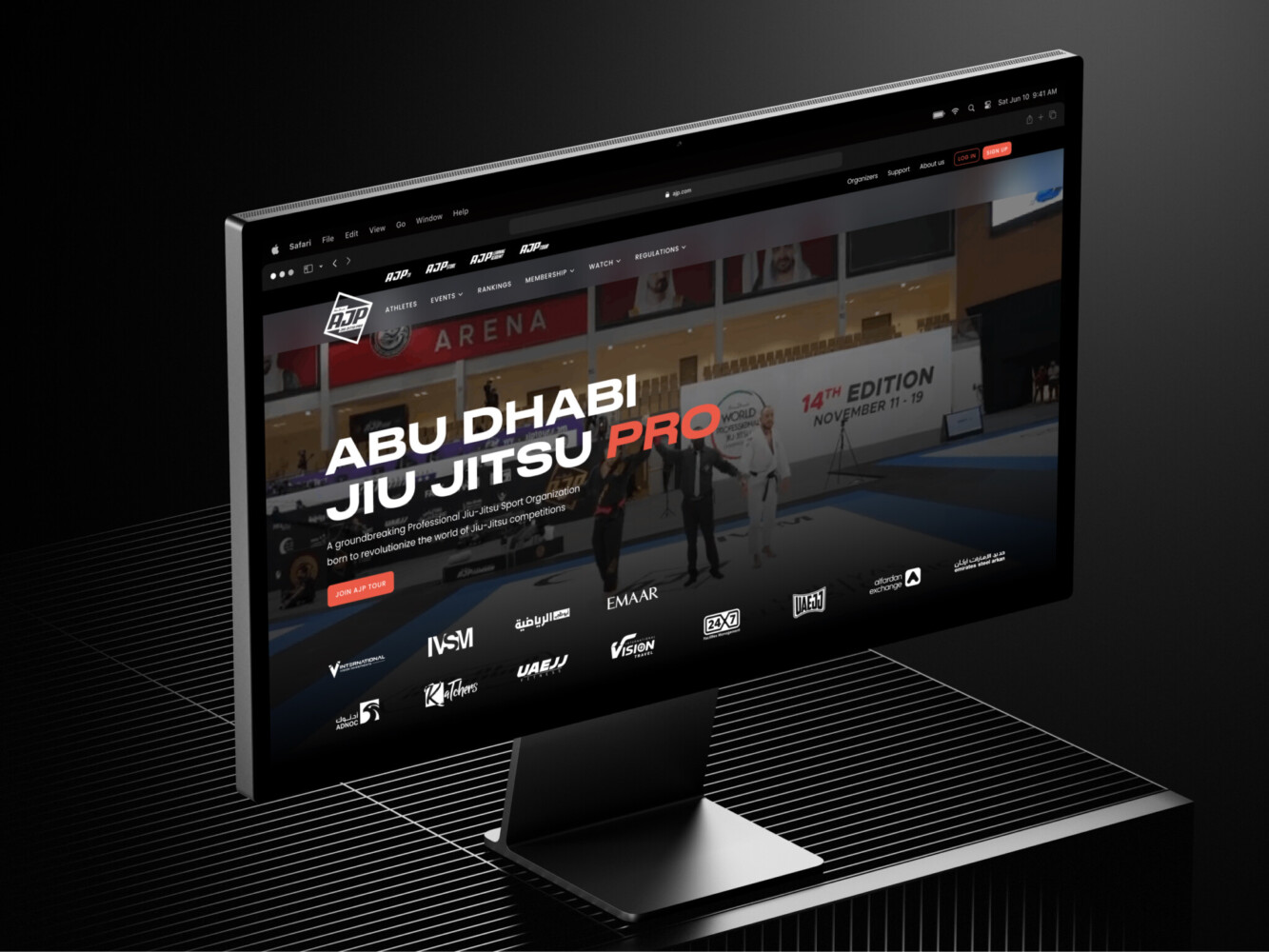
AJP website by Shakuro
Why Work With a Sports App Development Company?
You can build a small prototype with a lean team, and sometimes that is the right move. But once a sports product touches real-time data, payments, complex roles, wearables, betting logic, or large event traffic, experience starts to matter.
Sports app developers can help you shape the product before the first sprint, not only write code. That means defining the MVP, choosing the tech stack, designing flows, planning the backend, reducing integration risks, testing performance, and building admin tools that people can actually use.
Design maturity matters here too. Sports products have emotion in them. Competition, habit, loyalty, frustration, pride, and routine. The interface should understand that. A tiny wording choice in a push notification can feel motivating or irritating. A ranking table can feel clear or unfair. These are not decorative details. They affect retention.
Final Thoughts
Sports app development is a mix of product thinking, design, engineering, data, and timing. The best apps feel quick and simple because a lot of difficult work is hidden underneath.
If you are planning a sports app, start with the real user behavior. What will people do in the app when they are excited, rushed, tired, competitive, or distracted? Then build the system around that. Pick only the features your first version needs. Plan integrations early. Give the admin side enough respect. And test the product under pressure, not only in calm demo conditions.
Sounds obvious, right? Still, this is where many projects drift. They collect features, lose focus, and forget the moment when the user actually needs the app.
Shakuro can help you with sports app strategy, UI/UX design, mobile app development, frontend and backend development, integrations, QA, and post-launch support. If you already have an idea, a rough spec, or even just a messy set of notes, that is enough to start a useful conversation.
FAQ
How long does it take to build a sports app?
A focused sports app MVP is the fastest route to launch, and the timeline grows with every live data, payment, betting or wearable feature you add. The process runs through discovery, UX research, UI design and prototyping, architecture planning, core development, integrations, testing and launch. Sports data APIs, wearable sync and compliance work need extra testing time, and event-like load testing should happen before release.
How much does sports app development cost?
A simple sports app MVP may cost around $40,000 to $90,000, a mid-level product around $90,000 to $180,000, and a complex platform from $180,000 to $500,000 or more. Real-time data, payments, sports data APIs, compliance, wearable sync and custom integrations are the biggest cost drivers. Data providers can be expensive, and admin panels are often underestimated even though teams use them every day.
What features should a sports app MVP include?
A sports app MVP usually covers accounts, basic profiles, core content, schedules, notifications, admin tools and limited integrations, delivered as a focused mobile app or web product. Keep onboarding quick and ask only for the data you need at first. Map the main flow early, whether that is joining a contest, booking a court or tracking a match. Pick only the features the first version needs and add the rest after users try it.
Which tech stack works for building a sports app?
No single stack fits every sports app. Swift and Kotlin suit native mobile apps, while Flutter or React Native work for cross-platform products when speed, budget and shared UI matter most. Web dashboards and admin panels are typically built with React, Next.js and TypeScript. Backend options include Node.js, Python, .NET, PostgreSQL, Redis, queues and cloud services, chosen by data model and expected load.
How do sports apps handle live data?
Sports apps usually connect to sports data providers, manage updates on the backend and push changes to users through WebSockets, push notification services, message queues and caching. The product also needs fallback states and retries, because live feeds can arrive late or carry wrong data. Monitoring, correction tools and audit trails help keep scores, fixtures and fantasy points accurate, and load testing prepares the app for match-day traffic spikes.
Do sports betting apps need special compliance?
Yes, sports betting apps need compliance work planned before development starts. They usually require licensing support, KYC, AML checks, geolocation, payment controls, odds feed integrations and responsible gaming features. Laws vary by market, so bring legal and compliance specialists in early rather than rebuilding the product later. Betting products also carry a deeper fraud and risk profile than most other types of sports apps.
Related reading
- Sports Analytics Software Development: Features, Architecture, and Cost
- Mobile Learning Platform Development: How to Build Scalable Mobile eLearning Apps
- Core Banking Platform Development: Features, Process, Architecture, and Cost
- Corporate Training Platform Development: How to Build Scalable Employee Learning Systems