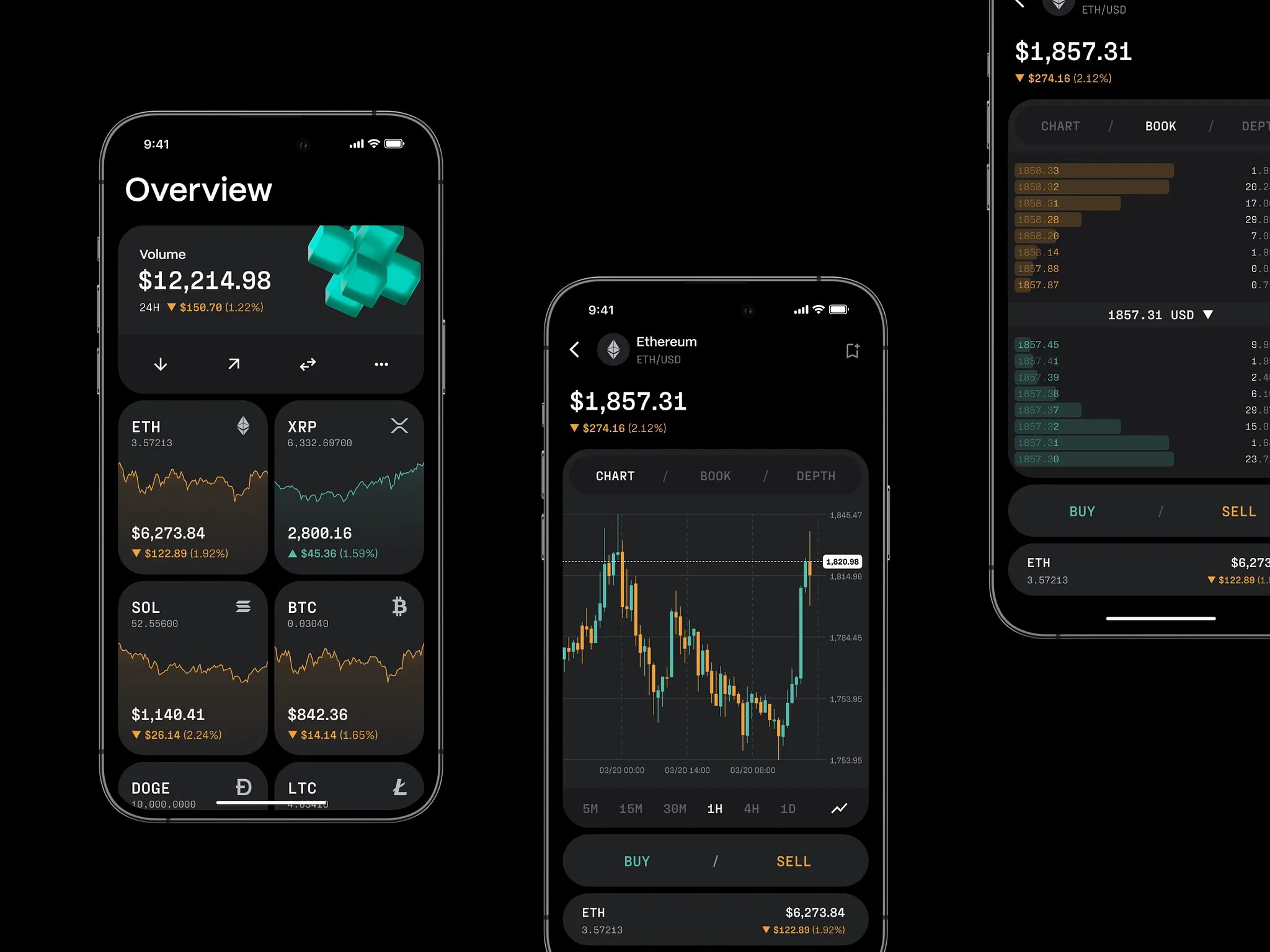
Crypto wallet development means building software that lets users inspect blockchain balances and authorize transactions under a defined custody and recovery model. Start by deciding who can sign, how access can be recovered, and which networks the product must support. A wallet interface does not itself hold coins, and no architecture can guarantee that funds will never be lost.
For a product team, the first deliverable should be a custody decision and a tested send-and-recover flow, not a long token list. This guide covers wallet types, security architecture, development steps, build-versus-buy decisions, cost factors, and the evidence to request from a development partner. It addresses software delivery, not investment selection or returns.
Wallets can serve different products within the Web3 industry. An exchange needs withdrawal controls; a marketplace needs understandable signing requests; a standalone wallet needs a recovery experience users can actually complete. These requirements should determine the architecture.
An earlier version of this article is available as a podcast on Spotify. The written guide below contains the updated technical guidance.
What Is a Crypto Wallet?
A blockchain wallet is an application or device for interacting with blockchain accounts: displaying balances, constructing transactions, and requesting signatures. Assets are recorded on the network. The wallet manages access to the authority needed to move them; the exact authority depends on the account and custody design.
In a conventional single-key account, possession of the private key permits signing. A custodial service signs for its users, while a smart-contract wallet can enforce additional rules. The Ethereum wallet documentation distinguishes the wallet application, account, keys, and address. Keeping these concepts separate prevents a misleading promise that reinstalling an app will always restore funds.
A typical transfer has separate stages: construct the transaction, review its effects, authorize and sign, broadcast it, then track inclusion and confirmation. Signing need not happen on the same device that broadcasts. Wallet connection is also different from authentication: simply exposing an address to a website does not prove account control. For the surrounding application layer, see our guide to blockchain app development.
Types of Crypto Wallets
Custody and connectivity describe different properties. A custodial service can use both online and offline signing systems; a self-custody product can offer a mobile interface connected to a hardware signer. Evaluate both axes rather than treating four wallet labels as mutually exclusive products.
Custodial Wallets
In a custodial model, the operator or its custody provider controls signing on behalf of users. Account recovery may be available, but users depend on that operator’s controls, availability, and financial position. Specify withdrawal authorization, separation of duties, recovery approvals, and reconciliation before implementing the app. Applicable identity checks and legal obligations depend on the service and jurisdictions; custody alone is not a complete legal assessment.
Non-Custodial Wallets
In a non-custodial model, the operator should not be able to transfer assets unilaterally. Local keys are one implementation, not the definition of every self-custody wallet. Ask who can sign or change recovery rules when a device, provider, or recovery participant is unavailable. A marketing label cannot answer that question.
Recovery is not always limited to a seed phrase. Ethereum account abstraction enables smart-contract wallet rules such as backup keys and recovery arrangements. Those rules introduce their own contract, administrator, and recovery-participant risks. Document them before describing a product as user-controlled.
Hot Wallets
Hot wallets keep signing capability in an online environment for routine use. Mobile apps, browser extensions, and custodial signing services can fit this model. Online availability improves convenience but increases exposure to compromised endpoints, sessions, dependencies, and transaction requests.
Cold Wallets
Cold storage keeps signing keys offline; hardware wallets are a common implementation. A connected application can prepare and broadcast a transaction while the device signs it. Offline keys do not prevent a user from approving a malicious transaction, so device-side confirmation and recovery remain part of the design.
Hardware wallet development is a separate scope from supporting an existing device. A new device requires firmware, physical-security and supply-chain work, and an independently reviewed update mechanism. For an app project, first decide whether integration with an established signer meets the requirement.
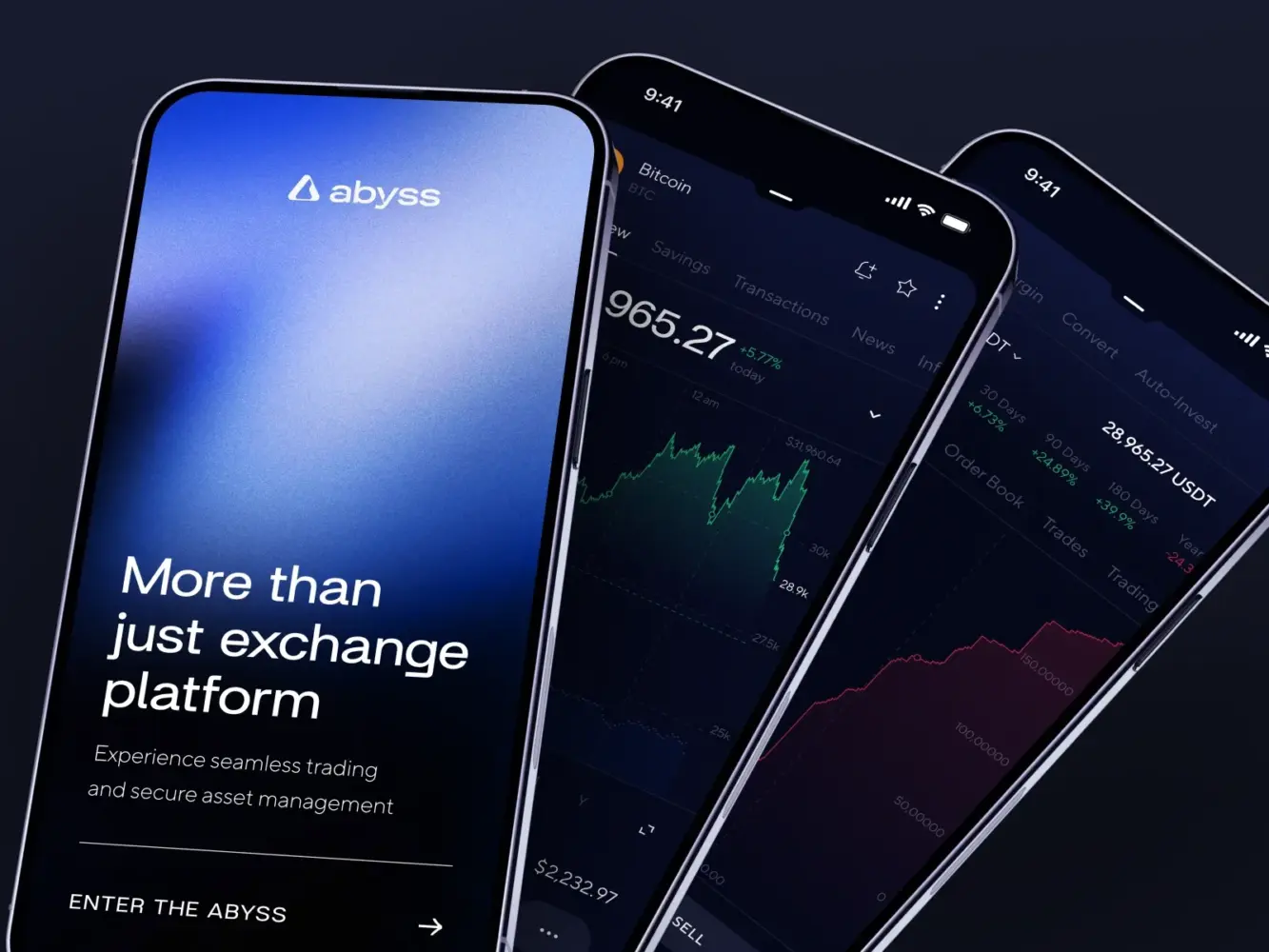
Crypto Finance App UI/UX Design by Shakuro
Key Features of a Secure Crypto Wallet
Private key protection is necessary but insufficient. A wallet must also show what a signature authorizes, handle network failures honestly, and recover access according to its stated rules. An intact key can still sign an attacker’s request.
Private Key Management
Write a key-lifecycle specification covering generation, storage, authorized use, backup, recovery, migration, and retirement. Use maintained cryptographic implementations and a cryptographically secure randomness source. Never put seeds or private keys in analytics events, crash reports, application logs, or support tickets.
For seed-based wallets, BIP-39: Mnemonic code for generating deterministic keys describes conversion from generated entropy to a mnemonic and then to a seed. Its supported mnemonic lengths include 12 and 24 words. A mnemonic is not simply a readable version of one private key; an optional passphrase changes the derived seed. Test recovery compatibility, derivation paths, and address discovery with known test vectors rather than assuming any wallet can restore any other wallet.
For custodial signing, evaluate isolated signing services and hardware security modules against the required algorithms and operating model. For client-side signing, verify the actual capabilities of each device security API. Hardware-backed storage does not automatically mean a blockchain signature occurs inside protected hardware. Backups and recovery paths must receive the same scrutiny as normal signing.
Multi-Currency Support
Every supported network needs explicit transaction, fee, address, and finality handling. Bitcoin’s unspent transaction outputs (UTXOs) and Ethereum’s account model require different implementations; adding another asset name to the interface does not add a working network integration.
The Bitcoin developer wallet guide describes transaction construction, signing, and wallet architectures. For Bitcoin wallet development, include UTXO selection, change outputs, backup and address discovery in acceptance tests. For Ethereum wallet development, include nonce handling, fees, token amounts, and contract-call review.
Keep a supported-assets registry with the network, token contract where applicable, decimals, and supported operations. A token symbol is not an identifier: the same symbol can appear on different networks or contracts. Stablecoin support needs these same checks; the name “stablecoin” is not a guarantee about asset value or redemption.
Transaction Management
The transaction model should distinguish preparation, signing, broadcast, pending status, inclusion, and the product’s confirmation policy. A timeout after broadcast is an uncertain outcome, not permission to create a second payment. Record the transaction identifier and reconcile with network state before offering a retry.
Show the recipient, network, asset, amount, and estimated network fee before approval. Handle replaced or dropped transactions and chain reorganizations without showing a false final success. An insufficient fee balance must be explained separately from an insufficient token balance. Confirmation rules depend on the network and use case; there is no universal confirmation count.
A merchant-facing wallet also needs order reconciliation and settlement rules. Our crypto payment processing development guide addresses that wider payment workflow. Wallet signing alone does not provide it.
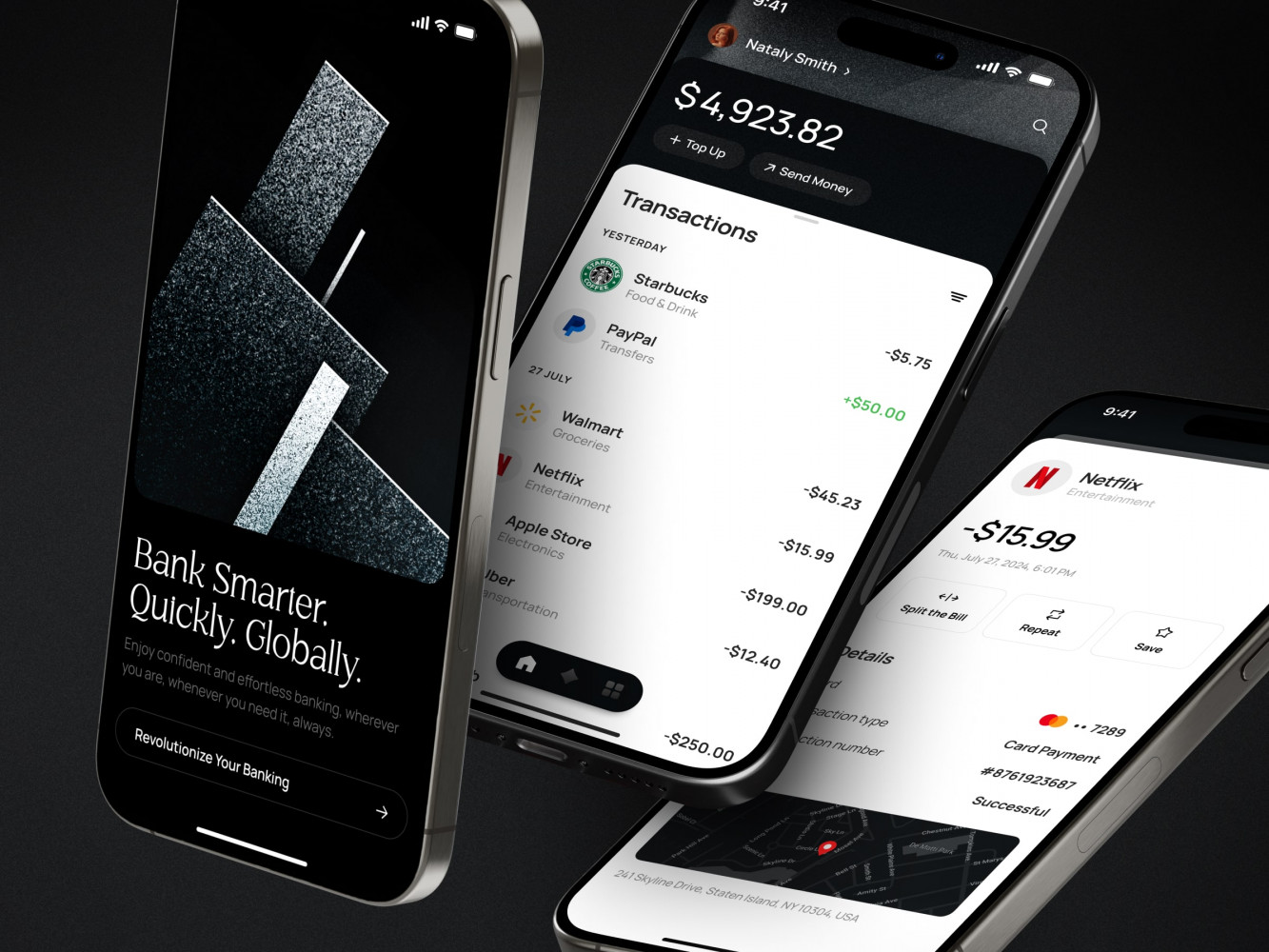
Finance Management Mobile App Design by Shakuro
Security and Authentication
Application login, local unlock, and blockchain authorization are separate controls. A biometric prompt may unlock a local secret; it does not establish that the recipient or contract is trustworthy. Account-level multi-factor authentication does not protect a stolen standalone signing key.
Preview the meaning of a transaction or permission request, including token approvals where supported. If the application cannot decode an operation reliably, communicate that limitation instead of displaying a reassuring generic confirmation. Keep session permissions narrow and provide a way to disconnect applications. No preview or simulation can promise that every malicious interaction will be detected.
Cross-Platform Accessibility
Choose platforms from the required signing and recovery workflows. A browser extension needs permission and origin-boundary testing; a mobile wallet needs device-lock, reinstall, backup, and deep-link testing. Sharing interface code does not eliminate platform-specific security work.
For a mobile-first product, native mobile development can support platform-specific storage and authentication integration. Decide whether those APIs actually satisfy your signing design before selecting the framework. Test recovery on a second supported device, not only on the developer’s original installation.
Crypto Wallet Development Process
Build around explicit acceptance gates. The following seven stages separate product decisions, implementation, independent checks, and operational ownership so a polished interface cannot conceal an untested recovery or signing path.
1. Product Strategy and Wallet Type Selection
Define the intended users, operator role, supported jurisdictions, custody model, launch network, and recovery process. Record who can move funds under normal operation and after an account-recovery request. Legal review should assess the actual service rather than infer an exemption from the phrase “non-custodial.”
Then choose what to build. If users only need to connect an existing wallet to a product, creating another key-management system may be unnecessary. If you need embedded accounts, assess a provider alongside an owned implementation. Wallet infrastructure and cryptocurrency exchange development have different scopes: matching orders, liquidity, and an exchange ledger do not become wallet features by default.
| Approach | Useful when | Evidence needed before selection |
| Connect existing wallets | The product needs signatures from users’ existing accounts | Supported networks, permission scope, mobile handoff, rejection and disconnect behavior |
| Integrate a wallet provider | Embedded onboarding and managed infrastructure fit the product | Who can sign and recover, data exposure, export or migration path, outages, pricing and incident obligations |
| Build the wallet stack | Control requirements justify owning integrations and operations | Named security owners, audited dependencies, recovery tests, independent review and maintenance budget |
A wallet-as-a-service provider can reduce implementation work but does not remove integration risk. Check whether users can recover or migrate if the provider disappears. Ask for the exact signing and recovery arrangement, not simply a claim that its infrastructure is secure.
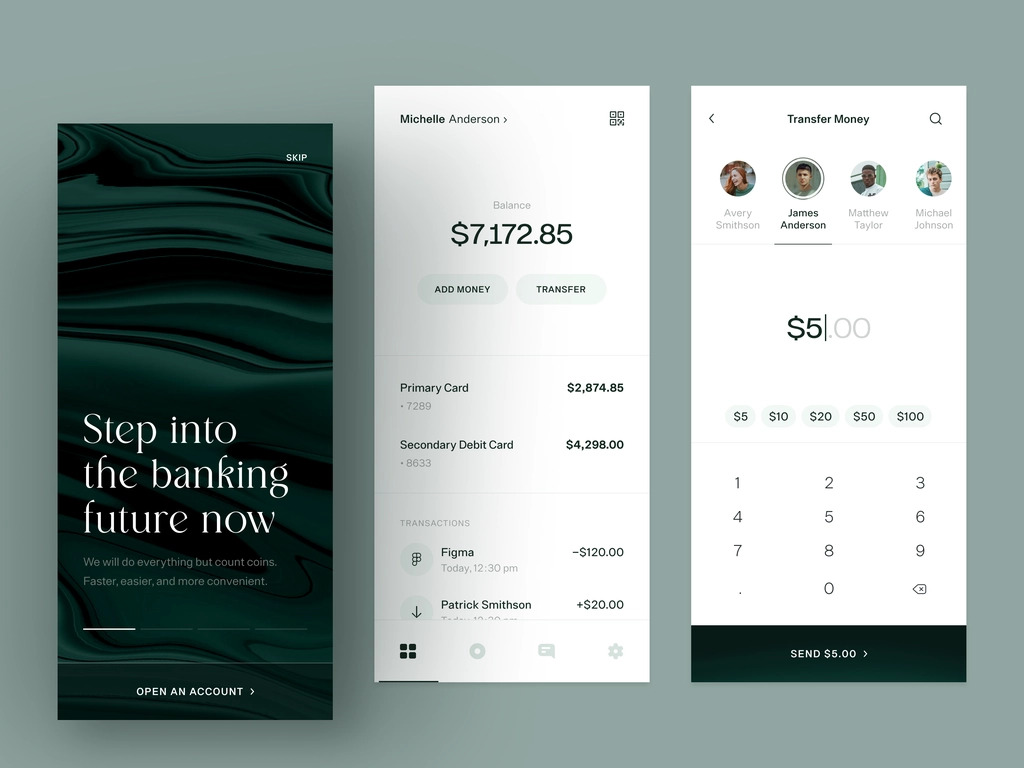
Finance Management Mobile App by Shakuro
2. UX/UI Design for Wallet Applications
Prototype send, receive, restore, and failed-transaction flows before expanding the asset list. Receiving should make the supported network explicit. Sending should expose the destination and total expected cost without relying on a shortened address alone.
Test misunderstandings: a valid address on the wrong network, an unfamiliar token, unavailable fee estimates, a rejected signature, and a recovery attempt on a replacement device. In a web interface, React development can organize the transaction state, but correctness comes from the state model and tests rather than the framework name.
3. Choosing the Technology Stack
Select the signing libraries and network integrations before committing to the surrounding application framework. Verify maintenance, license terms, supported transaction types, test vectors, dependency history, and compatibility with the target devices. Do not implement a new cryptographic primitive to avoid an integration task.
Swift or Kotlin can serve native mobile clients; a web client can use React or another maintained framework. Backend languages such as TypeScript, Go, or Python can support account services, indexing, and monitoring. None of these choices proves custody security. Isolate secrets from ordinary API and reporting workloads, and deploy only the infrastructure the team can operate and restore.
4. Wallet Security Architecture
Create a threat model with boundaries between the user interface, transaction builder, signer, node connection, and recovery process. Identify which compromised component could request a signature, alter a destination, leak a secret, or change the recovery policy.
For multi-party computation (MPC), a threshold of participants jointly performs signing; for multisignature designs, authorization requires multiple signatures according to the network or contract rules. These are different mechanisms, not automatic guarantees of decentralization. Review who controls each participant and whether one organization can reset enough factors to gain effective control.
Document emergency behavior. A custodial operator may be able to pause withdrawals; an independent self-custody wallet generally cannot reverse a valid on-chain transfer. Tell support staff what they can and cannot do, and make sure no recovery procedure asks users to disclose a seed to an agent.
5. Development and Blockchain Integrations
Implement one complete transfer flow before adding swaps or other contract interactions. Separate the network adapter from the signer so the app can inspect transaction data without distributing private material to ordinary backend services.
- Build and validate a transaction for the selected network.
- Present its destination, asset, fee, and permissions for review.
- Obtain authorization and sign using the selected custody mechanism.
- Broadcast and persist the transaction identifier without treating an RPC response as final settlement.
- Reconcile status, including retries, replacement, and reorganization scenarios.
RPC means remote procedure call: the interface through which the application asks a node for network data or submits a transaction. Define how stale or conflicting provider responses appear to the user. If the product later adds DeFi platform integrations, treat contract approvals, protocol risks, and additional signing requests as new review scope, not a routine extension of sending tokens.
6. Testing and Security Audits
Release evidence should cover recovery, transaction correctness, and the application attack surface. Use OWASP MASVS for mobile controls covering storage, cryptography, authentication, networking, platform interaction, code, resilience, and privacy. It is a verification framework, not proof that a specific wallet is secure.
- Verify derivation and signing against published test vectors and supported account formats.
- Restore access on a replacement device under both successful and failed recovery conditions.
- Test wrong-network addresses, token decimals, insufficient fees, repeated submission, provider failure, and pending transactions.
- Check logs, crash reporting, backups, screenshots, and analytics for unintended secret exposure.
- Commission independent review of the signer and any custom contracts; track findings to remediation and retesting.
Test networks help exercise workflows, but they do not reproduce every production fee, liquidity, or congestion condition. An audit covers a stated version and scope. New dependencies, recovery changes, or contracts can require another review; an old audit badge is not a blanket assurance.
7. Deployment and Maintenance
Assign owners for signing infrastructure, network adapters, dependency updates, incident response, and user support before release. Monitor stale balances, node lag, broadcast failures, and transactions stuck beyond the product’s expected states. Avoid collecting sensitive signing data merely to make debugging easier.
Test updates and rollback against existing accounts and backups. A migration that changes derivation or recovery behavior can be more dangerous than a visible interface defect. Plan a continuing software support scope with explicit response responsibilities instead of treating publication in an app store as project completion.
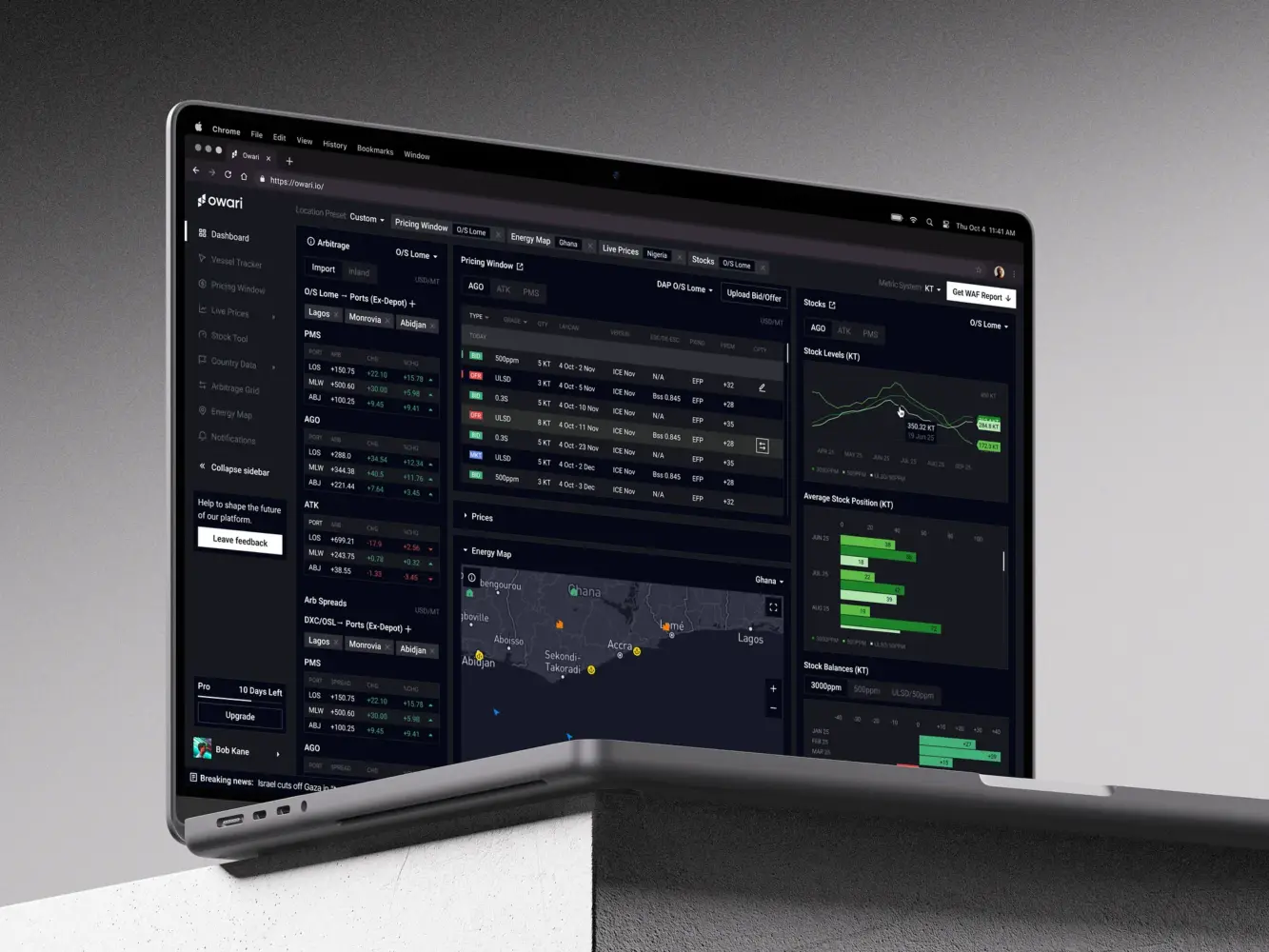
Dashboard Design for Stock Trading Platform by Shakuro

Cost of Crypto Wallet Development
A useful estimate separates initial implementation from independent security review and ongoing operation. There is no defensible universal price without specifying custody, networks, platforms, recovery, and integrations. Reducing the launch feature set must not mean omitting backup validation or release security checks.
| Scope decision | What the estimate must include |
| Custody and recovery | Signer integration, permissions, backup and recovery testing, operator procedures |
| Supported networks and assets | Transaction builders, fee behavior, address validation, indexing and reconciliation |
| Client platforms | Interface work plus device storage, extension permissions and platform-specific tests |
| Provider or custom infrastructure | Integration, availability requirements, usage charges, migration and incident responsibilities |
| Release and maintenance | Independent assessment, remediation, monitoring, dependency updates and support |
For a first version, consider one selected network, a defined asset set, send and receive, balance and transaction history, a tested recovery model, and clear failure states. Add a second network only when the product needs it. Swaps, fiat on-ramps, and smart-contract accounts change both delivery and review scope.
To request an estimate, send the intended users, custody preference, networks, target devices, required integrations, and recovery expectations. Discuss your wallet scope with Shakuro so the proposal can separate application work, custody-provider work, and independent assessment.

Common Challenges in Crypto Wallet Development
The hardest failures often cross component boundaries: a correct signature on a misleading transaction, a working account that cannot be recovered, or a provider timeout interpreted as a failed transfer. Give each of these a specific test and operational owner.
- Provider outage: show stale data explicitly, preserve transaction identifiers, and reconcile before retrying.
- Compromised client: reduce exposed signing authority and document what the architecture cannot protect.
- Recovery abuse: test changes to recovery factors as carefully as normal transfers.
- Expanding network support: maintain a chain-specific acceptance suite instead of assuming all networks behave like the first.
If a wallet serves automated trading, separate transaction authorization from strategy logic and set enforceable permissions or limits where the design supports them. Our algorithmic trading software development guide covers the surrounding automation. Neither automation nor a wallet interface eliminates trading or asset-loss risk.
Our Experience in Web3 and Fintech Development
Shakuro’s published ATX and Aurox cases demonstrate relevant product design and visual communication work. They should not be read as evidence that Shakuro built those products’ private-key infrastructure, custody operations, or security audits. A wallet proposal needs an explicit technical scope in addition to design examples.
For ATX, the published scope includes UX/UI design, a native iOS UI kit, illustration, and motion design. The case shows wallet, market, and buying-and-selling screens. It is useful evidence for discussing how to organize a mobile wallet interface; it does not establish investment safety or returns.
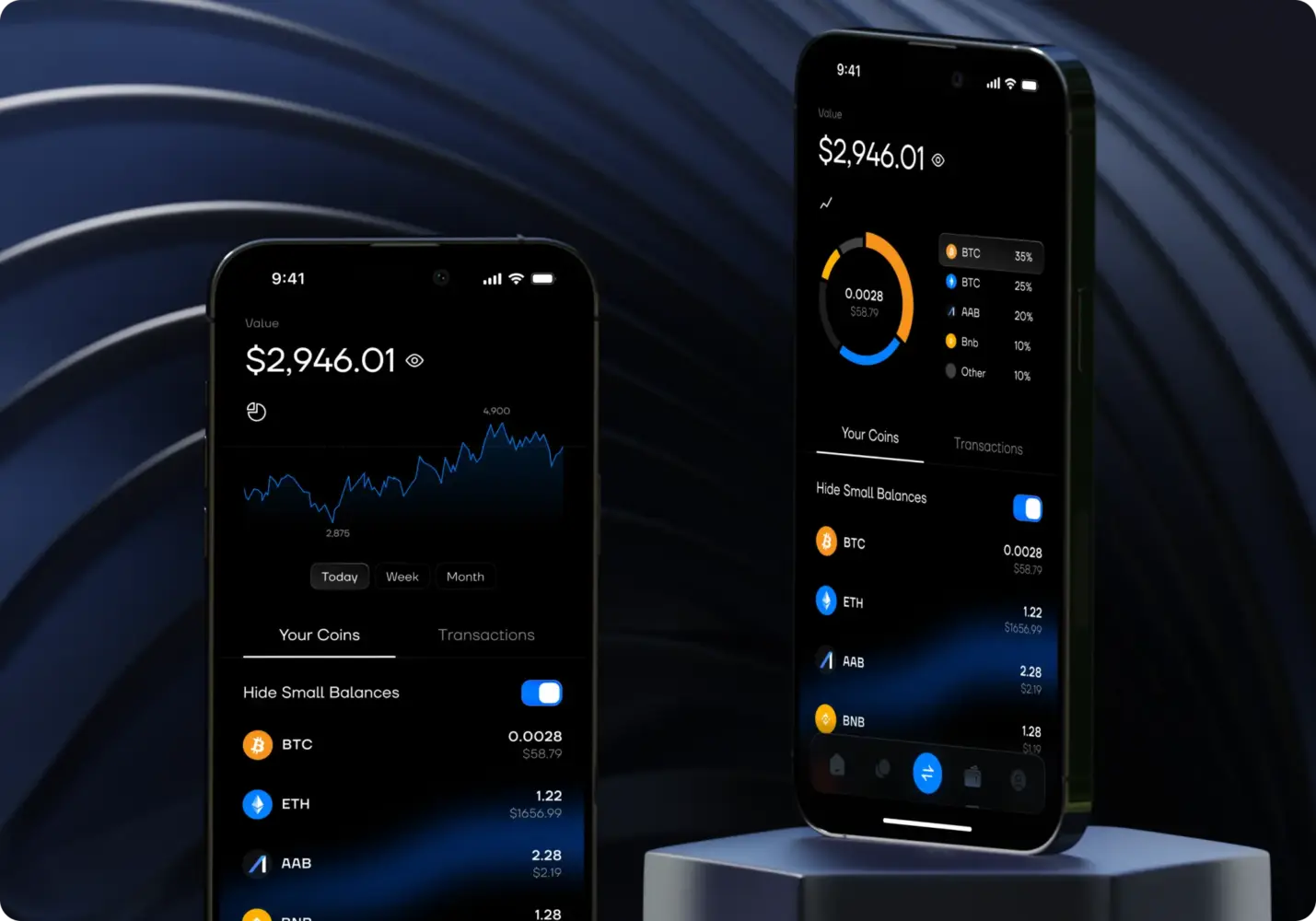
Crypto Trading App and Wallet Experience by Shakuro
For Aurox, the published work covers brand identity, UX/UI design, website presentation, graphics, and motion. The wallet section specifically describes promotional materials, App Store screenshots, and website explainers. That is a communication and design scope, not a claim of implementing the wallet’s signer or DeFi protocol.
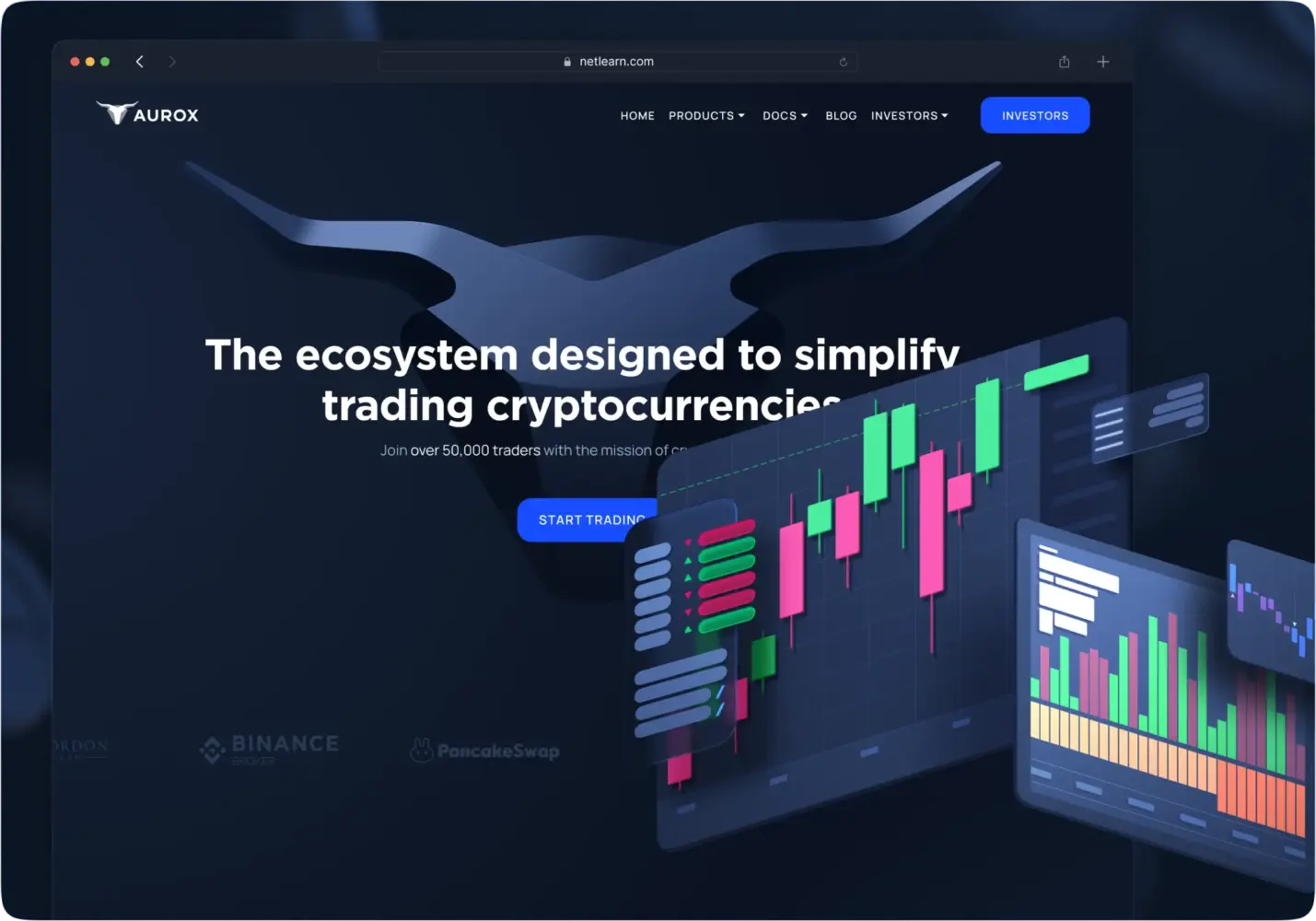
Premier Crypto Trading Ecosystem Design by Shakuro
Use these cases to evaluate interface clarity and presentation, then discuss implementation separately. Shakuro’s Web3 web development services provide a commercial starting point for defining application work and the specialist responsibilities a project needs.
Why Work with a Crypto Wallet Development Company
Choose a partner by the responsibilities it can substantiate, not by a list of wallet screenshots. Design, application development, custody integration, contract engineering, independent auditing, and operating a regulated service are different capabilities.
- Ask for a diagram identifying who can sign and recover, including provider administrators.
- Request the proposed launch-network tests, recovery demonstration, and incident ownership.
- Separate verified past delivery from proposed work and third-party services.
- Require a handover covering code, dependencies, deployment, recovery procedures, and ongoing costs.
An internal team with the required security and operational capacity may prefer to own the implementation. A specialist partner is useful when it fills identified gaps and accepts clear deliverables. Outsourcing does not transfer every legal or security responsibility away from the product operator.
FAQ
What drives the cost of cryptocurrency wallet development?
Custody and recovery design, supported networks, target platforms, integrations, independent review, and maintenance determine scope. Request an estimate that separates application delivery from provider charges, audits, and ongoing operation; a universal wallet price would hide those differences.
Should you build a custodial or non-custodial crypto wallet?
Choose based on who should control transactions and recovery. A custodial operator controls signing for users; a non-custodial design should prevent the operator from moving assets unilaterally. Inspect the actual recovery and administrator powers before relying on either label, and obtain legal advice for the intended service and markets.
What should the first version of a crypto wallet app include?
A defined network and asset set, send and receive, balance and transaction history, a tested recovery model, and clear fee and failure states form a useful starting scope. Security review and backup testing belong in the first release. Additional chains, swaps, and fiat integrations are separate scope decisions.
How secure does a crypto wallet app need to be?
It needs a threat model, protected signing and recovery, understandable authorization, and verified application controls appropriate to its custody model. Independent assessment helps identify defects but cannot guarantee absence of vulnerabilities. Biometrics do not make a malicious transaction safe, and encryption alone does not prevent an authorized but harmful signature.
What does crypto wallet maintenance involve after launch?
Maintenance covers network adapters, provider availability, dependency and security updates, transaction-state monitoring, recovery compatibility, and incident support. Every release must preserve existing accounts and backups. Operators should define what support can restore and what on-chain actions it cannot reverse.
How do I choose a development partner for crypto wallet development?
Ask for a documented custody model, signing boundaries, recovery tests, launch-network acceptance criteria, and operational ownership. Check what each published case actually proves. Design portfolios are relevant to UX but do not establish experience building custody infrastructure or auditing contracts.
Final Thoughts
Before commissioning a wallet, confirm who can authorize transfers, how recovery works, which network launches first, what the interface must explain, and who maintains the system. Compare connecting an existing wallet, integrating a provider, and building your own stack against those requirements.
Bring those decisions and your unresolved questions to a scope discussion. Talk to Shakuro about your crypto wallet application to define the interface, integrations, and delivery responsibilities before committing to implementation. Any proposal should identify separately the custody, legal, and independent security expertise required.