You’ve got a product taking shape and a spreadsheet full of possible names. One sounds great until you say it out loud. Another needs a little explanation. Your co-founder loves a third, but someone on the team says it sounds like a cleaning product.
Along with branding, naming can become surprisingly frustrating when you’re already juggling feature requests, budgets, and a launch date. You want something people remember, something that fits what you’re building. But how do you tell whether a name is actually promising or you’ve just become attached to it after staring at the shortlist all week?
The product naming best practices below help you turn a loose collection of ideas into a shortlist you can evaluate. We’ll work through ways to find candidates, compare their strengths, and test them with potential users.
Key Takeaways:
So, what actually makes a name stick? It’s not just about being catchy. Plenty of “catchy” names that vanish from memory the second you look away.
First off, let’s clear up some confusion. People mix these up all the time. A company name is your umbrella—like Apple. The product name is the thing you’re selling—like iPhone. And a feature name? That’s just a part of it, like FaceID. You wouldn’t name your whole startup “FaceID,” right? Well, some do, and it gets messy fast. Keep them distinct. It saves you a lot of headaches later when you want to launch a second product.
At its core, giving your product a name is just labeling your value proposition in a way humans can process. But it’s tricky because you’re balancing so many things at once.
You need audience fit. If you’re selling to enterprise CTOs, a name like “ZapBoom” might raise eyebrows. If you’re targeting Gen Z gamers, something stiff like “Enterprise Security Suite v2” is going to put them to sleep. Know who you’re talking to.
Then there’s distinctiveness. You want to stand out, not blend in. But you also need it to be easy to pronounce and spell. I know, it sounds obvious. But try saying “Xylophonic” three times fast after a couple of drinks. Not happening. If people can’t say it, they won’t recommend it. Word of mouth dies on the tongue.
When working on product naming strategies, don’t forget recall. Can someone remember it after hearing it once? Probably not if it’s six syllables long. Keep it tight.
One thing I’ve learned the hard way is leaving room for growth. Don’t box yourself in. If you call your app “NYC Taxi Finder,” what happens when you expand to Boston? Or add ride-sharing? You’re stuck. A good name hints at what you do without locking you into a single feature or location.
It doesn’t need to describe every little thing. In fact, it shouldn’t. Think of it like a teaser trailer. It suggests the vibe, the value, the promise. The rest? You explain that in the onboarding flow. Let the name do the heavy lifting of getting attention, not the job of writing the manual.

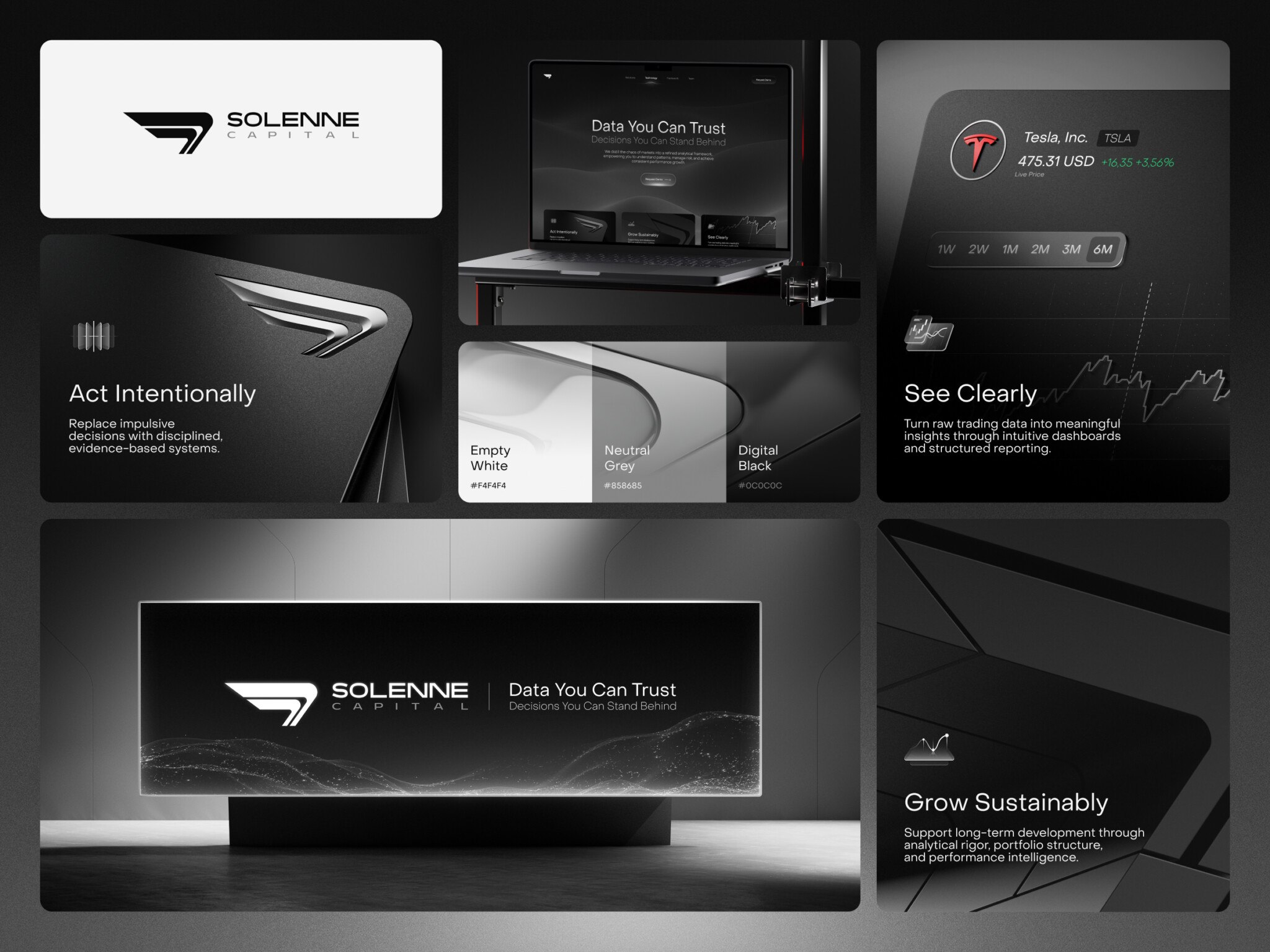
Abyss branding by Shakuro
Product Naming Strategies: Choose the Right Direction
Picking a direction feels like choosing a path in the woods. You can’t really walk down all three at once. So, let’s break down the main routes people take.
Descriptive Names
These are the straight shooters. “QuickBooks.” “Weather Channel.” You know exactly what you’re getting. It’s honest. It’s clear. And honestly, it’s safe.
But there’s a trade-off. Because it’s so clear, it’s often boring. And worse, it sounds like everyone else. If you’re in a crowded market, being descriptive can make you invisible. You become just another option in a long list of similar-sounding tools. It’s hard to build a brand personality when your name is basically a job description.
Suggestive and Metaphorical Names
Think “Slack” or “Amazon.” They don’t tell you what the product is, but they hint at how it feels or what it does. Slack suggests ease, less tension. Amazon suggests vastness, scale.
These names rely on associations. They communicate a benefit or a vibe without spelling it out. It’s clever, sure, but it requires a bit more work from the user’s brain. They have to make the connection. But when they do, it sticks. It feels smarter. It gives you room to inject some personality into the brand.
Invented and Abstract Names
Then you’ve got the made-up stuff. “Kodak.” “Spotify.” “Zillow.” These words didn’t exist before the company did.
The upside? Total distinctiveness. You own the word. No one else is using it. The downside? You start from zero. No one knows what it means. You have to spend money and time teaching people that “Spotify” equals music. It’s a heavy lift. If you pick this product naming guideline, be prepared for a marketing budget that doesn’t quit.
Here’s a quick way to see how they stack up:
| Strategy | Immediate Clarity | Differentiation | Flexibility |
| Descriptive | High | Low | Low (boxed in by description) |
| Suggestive | Medium | Medium | High (hints at value, not features) |
| Invented | Low | High | Very high (blank slate) |
See the pattern? You usually can’t have it all. High clarity often means low differentiation. High distinction means low initial clarity. It’s a balancing act. Pick the trade-off that fits your stage and your audience.
10 Product Naming Best Practices
Alright, let’s get into the nitty-gritty. You’ve got the strategy, now you need the tactics. Here are ten practices that can actually help.
1. Define Your Audience and Positioning First
Don’t just start throwing words at a wall. Write a brief. Seriously. It doesn’t need to be long. Just cover who the user is, what problem you’re solving, the promise you’re making, the personality you want, and where you’re selling. If you skip this, you’re guessing. And guessing is expensive. For more on getting the foundation right, check out our guide on branding for startups.
2. Make the Name Easy to Say and Spell
This sounds basic, but you’d be surprised. Try saying your top three names to a friend over the phone. Can they spell it back to you without asking? If not, drop it. Avoid abbreviations that require an explanation. If you have to say, “It’s like Uber, but with a Q,” you’ve already lost.
3. Give People a Useful Association
The name should hook into something they already know or feel. Connect it to a benefit, a feeling, or a concept relevant to their life. Don’t rely on a five-minute explanation to make it make sense. If the association isn’t immediate, it’s probably too weak.
4. Make It Distinctive Within Your Category
Look at your competitors. Really look. Are they all using “-ify” or “-ly”? Are they all blue and tech-sounding? Map out the common words and sounds. Then do the opposite. You want to stand out in the lineup, not blend into the background noise.
5. Balance Brevity With Clarity
Short is good, but not if it’s confusing. Don’t obsess over a specific character limit. Instead, ask: Is it readable? Is it memorable? “Shopify” is longer than “Shop,” but it’s clearer and owns its space. Focus on recall, not just brevity.
6. Leave Room for Product Growth
Remember the “NYC Taxi Finder” trap? As a part of product naming best practices, check if your name still works if you add new features, target a different audience, or expand globally. If the name boxes you in, you’ll outgrow it fast. And rebranding is a pain nobody wants.
7. Consider Languages and Cultural Context
If you’re going global, check the name in other languages. Does it mean something rude? Is it impossible to pronounce in Mandarin or Spanish? Talk to native speakers. Don’t assume. Many brands launch with names that were accidental insults in key markets. It’s embarrassing and costly.
8. Check Availability Before Getting Attached
This is where dreams go to die. You love the name? Great. Now check if the domain is taken. Check social handles. Check trademarks. Use the USPTO search guidance for the US and WIPO’s Global Brand Database for international checks. But this is just a preliminary screen. Always get a lawyer for professional clearance before you print business cards.
9. Keep Product and Feature Names Consistent
If you have a suite of products, keep the naming conventions logical. Don’t mix metaphors. If one product is “CloudSync,” don’t call the next one “DataHammer.” Use simple rules for tiers and add-ons. Consistency builds trust. It makes your ecosystem feel cohesive, not chaotic.
10. Test With Potential Users Before Deciding
Don’t just ask your mom. Ask potential users. Test pronunciation. Ask what associations come to mind. Test recall after 24 hours. These practical checks reveal issues you’re too close to see. It’s one of the most critical product naming best practices because it grounds your decision in reality, not just opinion.
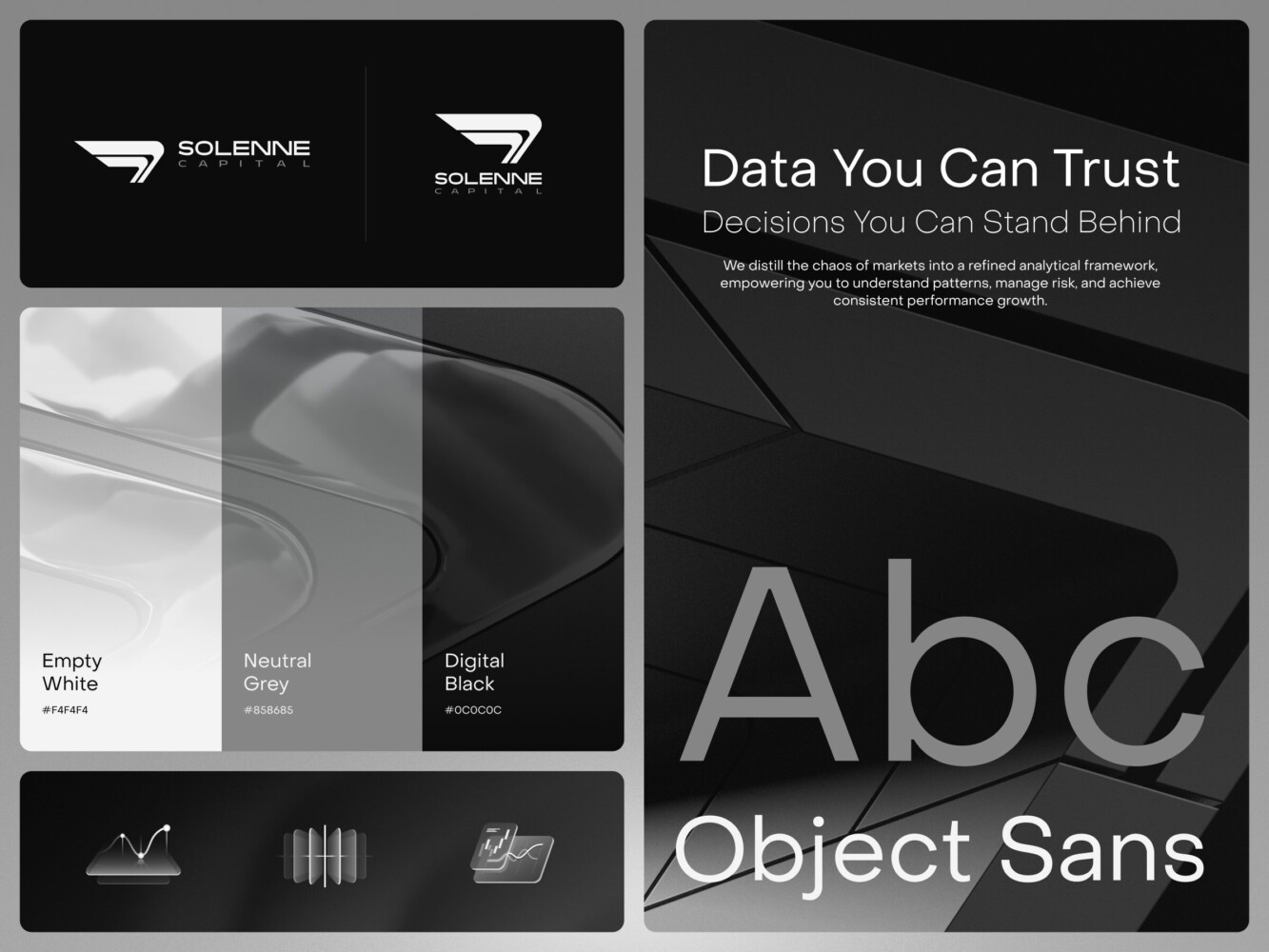
Brand Identity for Trading & Investment Analytics Platform by Shakuro
Product Naming Exercises to Build a Better Shortlist
Stuck? Try these exercises to unblock your brain.
Build Word Maps Around Benefits and User Language
Start with the outcome. What does the user get? List verbs, feelings, and category vocabulary. Don’t censor yourself. Just dump words. Look for patterns. Look for unexpected connections. This is where the gold often hides.
Explore Several Naming Directions
Force yourself to generate options in each category: descriptive, metaphorical, and invented. Use AI tools to expand ideas if you’re stuck, but don’t let them decide. The team needs to evaluate fit and originality. AI is a sparring partner, not the judge.
Reduce the List Using Your Naming Brief
Go back to that brief you wrote in step one. Compare every candidate against those criteria. Does it fit the audience? The personality? The promise? Cut anything that doesn’t align. Discuss personal favorites only after you’ve filtered for fit. It keeps the process objective, even when emotions run high.
Product Naming Conventions
They are basically the house rules for your brand’s vocabulary. They’re what keep your ecosystem from sounding like a garage sale where everything was named by a different person on a different day.
When you have more than one product, or even just tiers and add-ons, you need a system. Without it, things get messy fast. Imagine if Apple called their phone “iPhone,” their tablet “The Slate,” and their computer “Big Brain.” It would feel chaotic, right? Instead, they use a simple convention: “i” + [Category]. Or now, just “Apple” + [Category]. It’s predictable.
Here’s how to think about building your own conventions.
- Hierarchy Matters
Decide what’s the parent and what’s the child. Is “Pro” a tier of the main product, or is it a separate product entirely? If it’s a tier, keep the name consistent. “Basic,” “Pro,” “Enterprise.” Don’t switch to “Starter,” “Advanced,” and “Ultimate” halfway through. Pick a lane and stay in it.
- Use Modifiers, Not New Names
For features or add-ons, try using modifiers rather than inventing wholly new names. If your core product is “Sync,” call the extra storage “Sync+ Storage” or “Sync Drive.” This ties the value back to the main brand. It tells the user, “This belongs here. It works with what you already know.”
- Avoid Mixing Metaphors
This is a common slip-up. You might start with space themes (“Orbit,” “Galaxy”) and then suddenly introduce a nature theme (“Forest,” “River”). It feels disjointed. Stick to one conceptual bucket. If you’re going with speed, stay with speed (“Dash,” “Sprint,” “Velocity”). Don’t throw in “Anchor” just because it sounds stable. It breaks the vibe.
- Keep It Scalable
Ask yourself: “If we launch ten more products, will this product naming convention still work?” If your convention is “[City Name] + [Function],” you’re limited to cities. If it’s “[Verb] + [Noun],” you have way more room to play. Conventions should be flexible enough to grow with you.
- Document It
Write it down. Create a simple one-pager that explains the logic. “We use [Prefix] for enterprise tools and [Suffix] for consumer apps.” Share it with marketing, sales, and product teams. It stops people from going rogue and naming things whatever they feel like in the moment.
Good conventions make your product suite feel intentional. It shows you’ve thought about the whole experience, not just the single item in front of you. For users, that consistency builds trust. They know what to expect.
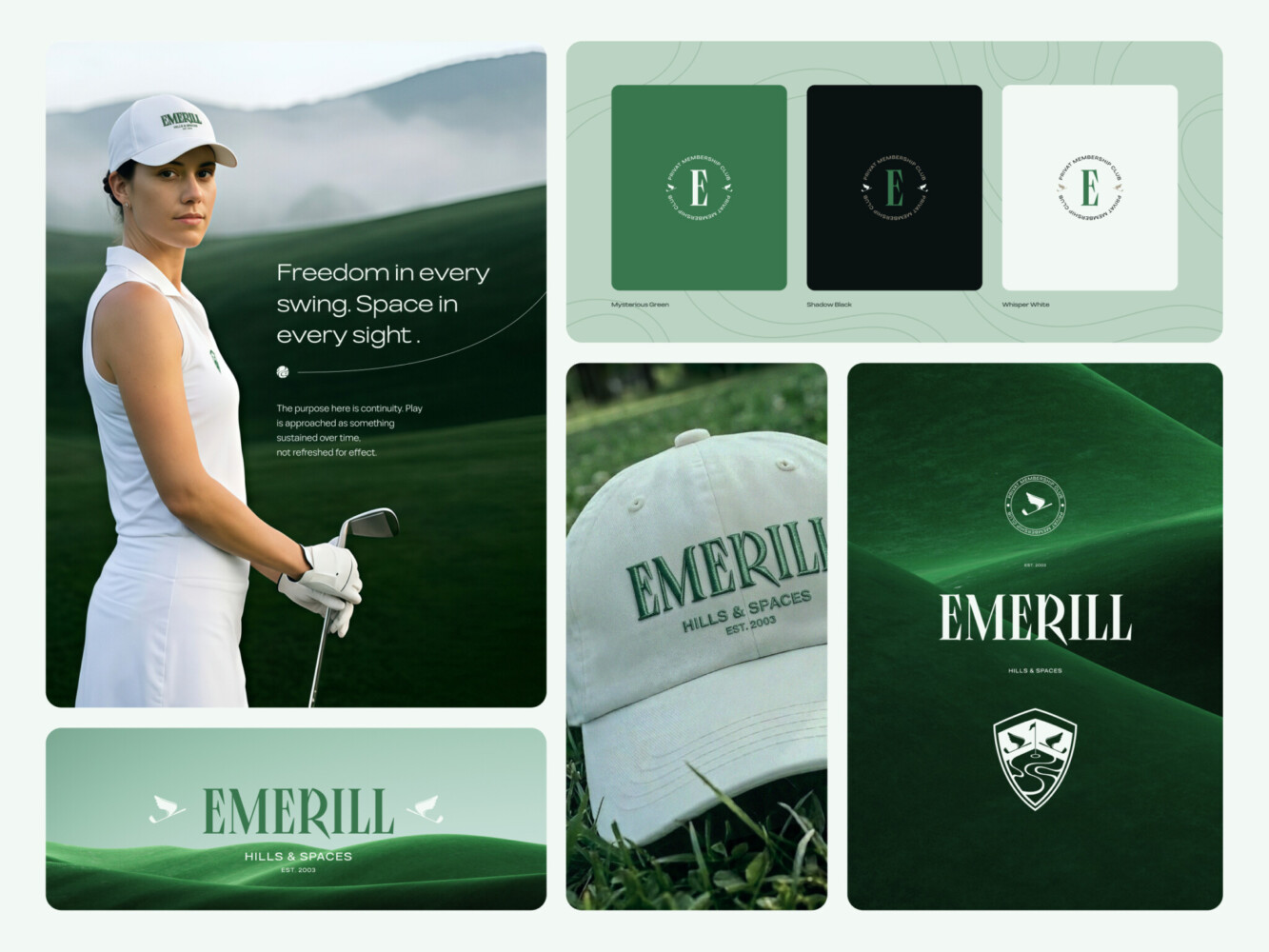
Branding for Emerill by Shakuro
How to Test Whether a Product Name Sticks
Testing a name isn’t about finding the one everyone loves. It’s about finding the one that doesn’t fail in the real world. Most teams skip this step or do it wrong. They ask, “Which do you like?” and call it research. That’s not testing. That’s a popularity contest.
Here are product naming best practices for creating a name that actually works.
First, present the names in a consistent format. Same font, same size, no logos or colors. You want to test the word itself, not your design skills. Then, ask participants to read each name aloud. Listen. Do they stumble? Do they guess? If three out of five people mispronounce it, that’s data. Not an opinion.
Next, ask what each name suggests. Don’t lead them. Just say, “What comes to mind when you hear this?” Write down their exact words. Are they talking about speed when you wanted trust? Are they confused? This tells you if the association is landing.
Then, the spelling test. Say the name clearly once. Ask them to write it down. No peeking. If they can’t spell it after hearing it, word-of-mouth is dead on arrival. People won’t recommend something they can’t type into a search bar.
Finally, check unaided recall. Wait 24 hours. Email or message them: “What were the names we discussed yesterday?” See what sticks. What fades? This mimics real life. Names live in app listings, website headers, and spoken recommendations—not in polished slide decks. Test in those contexts too. Show it in a mock App Store listing. Put it in a browser tab. Say it in a fake conversation: “Hey, have you tried [Name]?” Does it feel natural?
Crucially, separate first impressions from preference votes. Ask “What did you think when you first saw it?” before asking “Which would you choose?” Initial reactions reveal cognitive friction. Preference votes reveal bias. They’re different signals.
Treat this as directional evidence. A small qualitative test with ten people won’t predict market success. But it will flag disasters. It’ll show you which names are confusing, forgettable, or awkward to say. That’s worth more than a hundred likes in a Slack poll. Because in the end, a name that sticks isn’t the cleverest one. It’s the one that survives contact with actual humans.
Common Product Naming Mistakes
Here are the most common traps founders and product owners step into when trying to follow product naming guidelines and how to dodge them.
Copying Category Trends
It’s tempting. Everyone in fintech is using “Pay” or “Wallet.” Everyone in AI is adding “AI” to the end of everything. It feels safe because it signals what you do. But it also makes you invisible. You become background noise.
The Fix: Map the landscape first. If everyone is going left, consider going right. Or at least diagonal. Look for the white space in the naming conventions. Don’t blend in just because it’s comfortable.
Choosing by Founder Preference Alone
This is a classic. The founder loves a name because it has personal meaning, or it sounds cool, or it reminds them of their college days. But your users don’t care about your nostalgia. They care about their problems.
The Fix: Use the naming brief we talked about. Filter every option through the lens of the user, not the founder. If the team disagrees, let the target audience decide via testing, not the loudest voice in the room.
Forced Misspellings
You know the type. “Flickr.” “Tumblr.” “Lyft.” It was a trend for a while. Now, it’s mostly just annoying. You’re forcing people to remember an exception to the rules of English. Every time someone tells a friend about your product, they have to say, “It’s spelled with a K, not a C.” That’s friction.
The Fix: Stick to standard spelling unless you have a massive marketing budget to educate the world. Clarity beats cleverness every single time. If you must tweak it, make sure it’s intuitive, not arbitrary.
Checking Availability Too Late
When you think about how to create a product name, nothing hurts more than falling in love with a name, building the brand identity, and then finding out the trademark is owned by a holding company. Or the .com costs $50,000.
The Fix: Check early. Check often. Do a preliminary trademark and domain scan before you even put a name on the shortlist. Don’t invest emotional energy in something you can’t legally use.
Letting Domain Availability Dictate the Entire Decision
So the .com is taken. Panic sets in. You start adding hyphens, or “get,” or “app” to the front. Suddenly your clean name is “GetMyAppNow.com.” It looks spammy. It feels desperate.
The Fix: Be flexible with the TLD if you have to, but don’t butcher the name. A .io or .co is fine for tech startups. A slight variation is better than a clumsy URL. Remember, people search for brands now; they don’t always type URLs directly. Prioritize the brand name integrity over the perfect dot-com.
Selecting a Name That Fits Only One Feature
You launch a tool for scheduling meetings. You call it “MeetEasy.” Great. Then you add invoicing. Then project management. Now “MeetEasy” sounds weird. It limits your perception.
The Fix: Think bigger. What is the overarching value? Is it productivity? Connection? Efficiency? Choose a name that covers the outcome, not just the initial feature. Leave yourself room to pivot, expand, or evolve without needing a rebrand in two years.
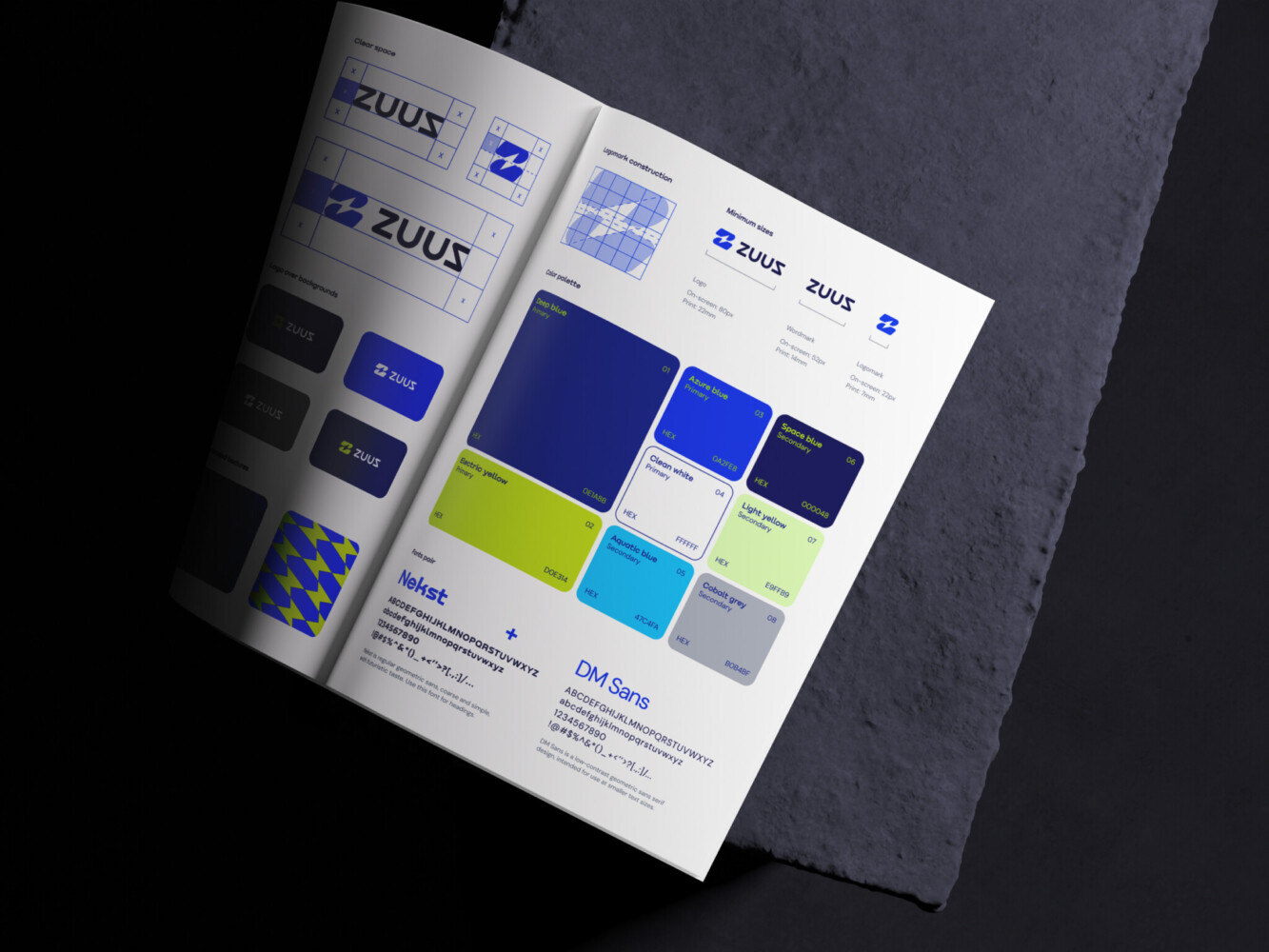
ZUUS branding by Shakuro
A Product Naming Checklist Before Launch
Before you hit publish, take a breath. It’s easy to get caught up in the excitement of launch and skip the final sanity check. Don’t. A quick review now saves a painful rebrand later.
Think of this as your pre-flight checklist. You don’t need to pass every single item with flying colors, but you need to know where you’re compromising.
The Naming Scorecard
Use a simple grid with criteria like audience fit, clarity, pronunciation, and others to evaluate your top 2-3 contenders. Rate each on a scale of 1–5 (1 = poor, 5 = excellent).
Availability: The Hard Gates
Keep these separate from the scorecard. They aren’t about quality; they’re about legality and logistics. Treat them as pass/fail gates.
- Trademark: Preliminary search cleared? (Professional clearance pending)
- Domain: Is a reasonable URL available? (.com, .io, etc.)
- Social Handles: Are key handles available on major platforms?
- App Store: Is the name unique enough for store optimization?
If any of these fail, the name is dead. No amount of “audience fit” saves you from a lawsuit.
Documenting Trade-offs
Here’s the thing about product naming strategies: no name is perfect. You’ll always give up something. Maybe you sacrifice a bit of clarity for distinctiveness. Maybe you lose some brevity for better spelling.
Write down what you’re trading and why. For example: “We chose Name B because it scored higher on distinctiveness, even though it was slightly harder to spell. We believe the marketing budget can overcome the spelling hurdle.” This keeps everyone honest. It stops people from second-guessing the decision later when they forget why you picked it.
Resolving Disagreement
Teams fight over names. It’s personal. It’s subjective. When you’re stuck, go back to the data.
- Refer to the Brief: Does the name meet the core criteria we agreed on at the start?
- Look at Test Results: Did users struggle to pronounce it? Did they forget it? Data beats opinion.
- The “Tie-Breaker” Rule: If it’s truly a toss-up, pick the one that is easiest to say and spell. Friction is the enemy of growth.
And if all else fails? Flip a coin. Seriously. Sometimes you just have to pick a lane and drive. A good name executed well is better than a “perfect” name that never launches.
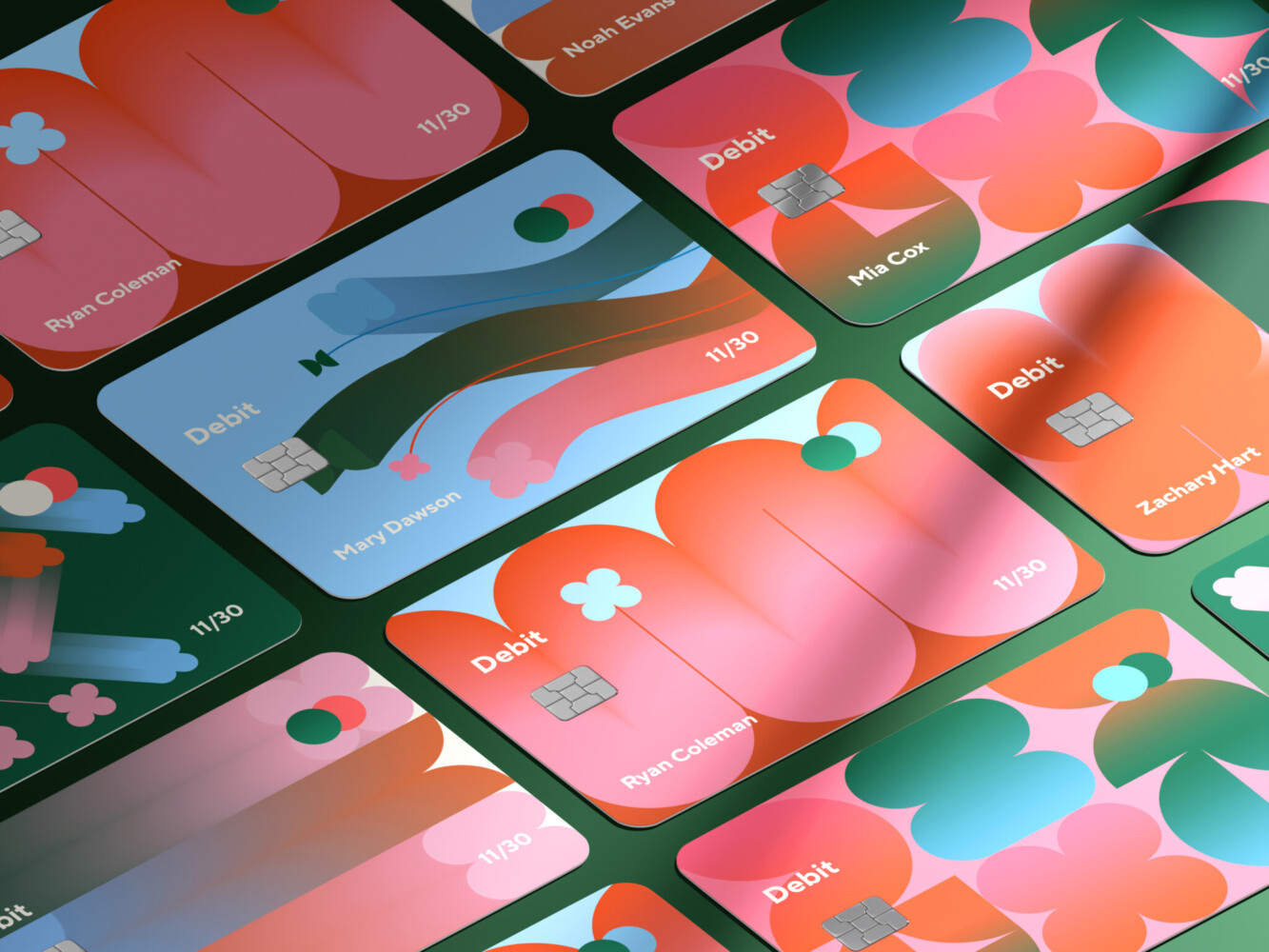
Credit Card Covers for a Financial Company Branding
When to Bring in a Naming Partner
Sometimes, you just hit a wall. You’ve brainstormed for weeks. You’ve polled the team. You’ve stared at the whiteboard until your eyes crossed. And nothing feels right. That’s usually the sign it’s time to bring in a pro.
It’s about recognizing when the problem is bigger than an internal brainstorm can handle. Here are a few scenarios where a naming partner really pays for themselves.
- Stalled shortlists: If you’re going in circles, an outside perspective cuts through the noise. We don’t have the emotional baggage attached to the ideas. We can look at the options objectively and spot why they aren’t working. Often, it’s not that the names are bad; it’s that the strategy behind them is fuzzy.
- Crowded categories: In saturated markets, standing out is hard. Everyone sounds the same. A naming partner brings experience from other industries. They know how to break patterns. They can see angles you’re missing because you’re too deep in the weeds.
- Multiple decision-makers: When you have five founders, three investors, and a board all weighing in, things get messy. Opinions clash. Egos flare. A partner acts as a facilitator. They provide a structured process to evaluate options based on criteria, not just who shouts the loudest. It depersonalizes the debate.
- International launches: If you’re going global, the risks multiply. A name that works in English might be a disaster in Japanese or Arabic. Professionals have access to linguistic experts and cultural consultants. They check for unintended meanings, pronunciation issues, and transliteration problems. It’s insurance against embarrassing (and expensive) mistakes.
- Naming across a product portfolio: It’s one thing to name a single app. It’s another to name a whole ecosystem. How do the products relate? What’s the hierarchy? A partner helps build a system. They create conventions that make sense now and scale later. It keeps your brand cohesive instead of chaotic.
The value isn’t just in the final word. It’s in the research, the creative directions, and the structured evaluation. And crucially, it’s in coordinating with the visual identity. A name doesn’t live in a vacuum. It needs to work with the logo, the colors, the tone. That’s why we often coordinate closely with branding and identity design teams. The name and the look need to tell the same story.
Scope varies, of course. It depends on how many markets you’re entering, how deep the research needs to be, and how much validation you want. If you’re facing any of these challenges, our brand naming services might be the right fit. We help you navigate the mess, find the signal, and land on a name that actually works.
Final Thoughts
If you take anything away from this, make it these three steps. First, agree on your criteria before you start brainstorming. It keeps everyone on the same page. Second, compare a shortlist objectively. Use that scorecard. Don’t just go with your gut. And third, validate your candidates. Test them with real people. See if they stick. See if they spell them right.
It’s not about finding the perfect name. It’s about finding a good name that works for your business, your audience, and your future. Once you have that, stop second-guessing and start building.
Ready to cut through the noise? Explore our brand naming services.
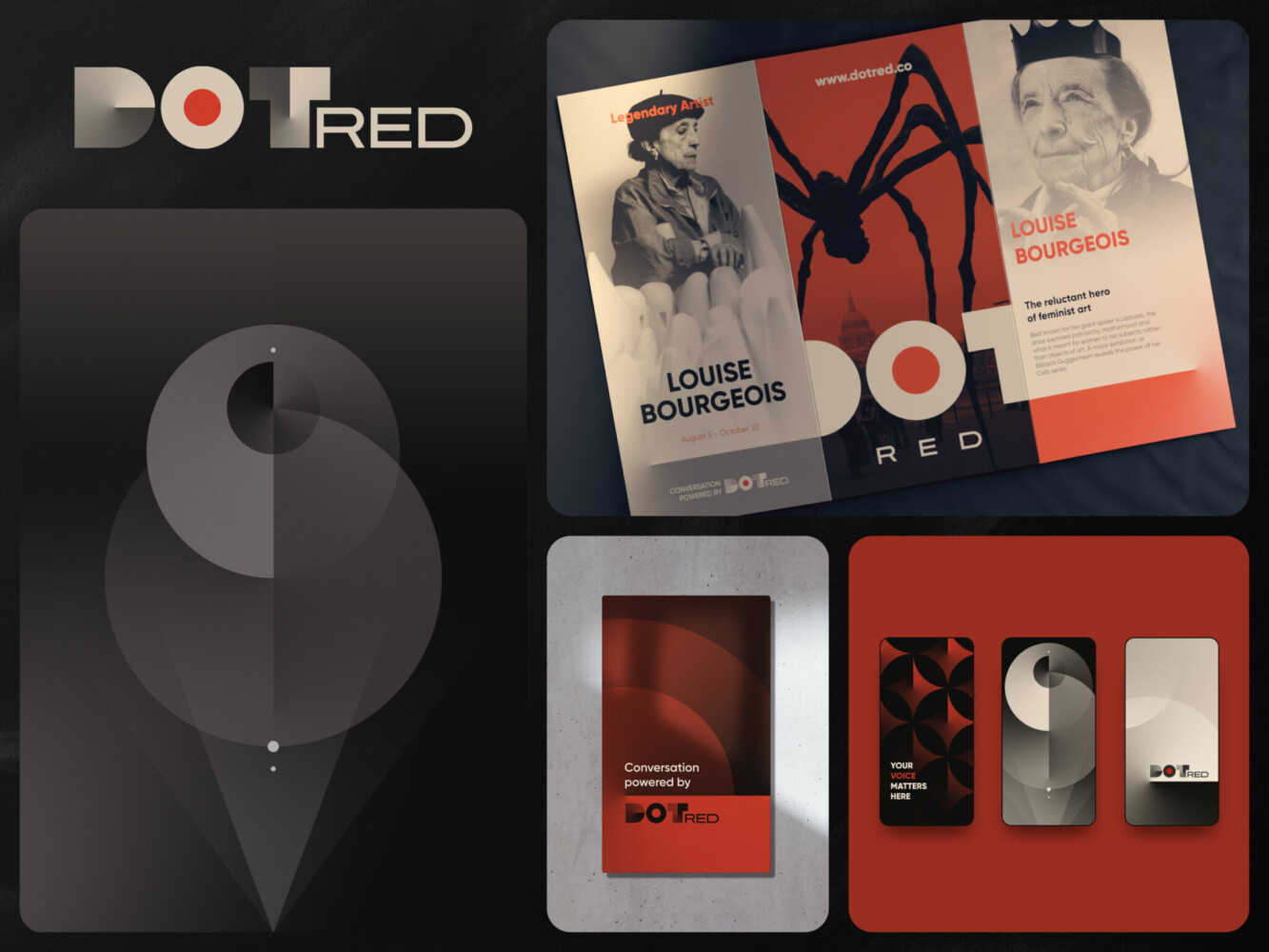
Dot Red branding by Shakuro
Frequently Asked Questions
Do I really need the .com domain?
Short answer: No. Long answer: It’s nice to have, but it’s not 2010 anymore. Users are used to .io, .co, .app, and even .ai. If your brand is strong, people will find you. Don’t let a taken .com force you into a bad name like “Get[Name]Now.com.” A clean .io is better than a messy .com any day.
How long should the name be?
There’s no magic number. But generally, shorter is easier to remember. Two syllables is the sweet spot (think Zoom, Slack, Stripe). Three is fine if it flows well. Anything over four syllables starts to feel like a mouthful. Focus on how it feels in the mouth, not just the character count.
Can I change the name later if it doesn’t work?
You can, but it hurts. Rebranding is expensive and confusing for users. You lose SEO equity. You have to re-explain who you are. It’s doable—Twitter became X, Facebook became Meta—but it’s a massive lift. Try to get it right the first time. It’s cheaper.
Should the name describe what the product does?
Not necessarily. In fact, overly descriptive names can box you in. “QuickBooks” works because it’s simple accounting. But if you want to expand into payroll or HR later, “QuickBooks” still fits. If you’d called it “QuickInvoicing,” you’d be stuck. Hint at the value, don’t list the features.
What if my team can’t agree on a favorite?
Stop trying to pick a “favorite.” Pick the one that performs best against your criteria. Use the scorecard. Test it with users. Let data break the tie. If it’s still tied, pick the one that’s easiest to spell and say. Friction kills momentum. Keep it simple.