The product demo is ready. The launch page still says “[Product name].”
You thought naming would take an afternoon. Now there’s a spreadsheet of suggestions, a team chat that keeps getting longer, and one name everyone liked until someone said it sounded like accounting software. Which would be fine, except you’re building a fitness app.
It’s a surprisingly frustrating place to get stuck. As a founder or product owner, you have a launch to get out the door. Your marketing team needs something they can put in a headline without adding three sentences of explanation. And if you’re renaming an existing SaaS product, there’s another worry: will customers recognize you afterward?
I’d be wary of waiting for a name that everyone instantly loves. That’s a lot to ask of a few syllables. But you do need something people can remember, say out loud, and connect with the brand and what you offer. Something that still makes sense when the product grows beyond its first feature.
So, how to name a product without spending weeks circling the same ideas? Start with a clear brief, give yourself room to explore, then test the strongest candidates against more than personal taste.
This article walks through that process, with a practical framework for apps and SaaS and the checks to make before you commit. You’ll have a way to choose and a reason you can explain when someone asks, “Why that name?”
Key Takeaways:
- Strategy first, brainstorming second. Don’t just throw words at a wall. Start with a brief that defines your audience, promise, and constraints. It saves you from going in circles.
- Context is everything. A name that works for a consumer app in the App Store might fail in a B2B sales demo. Know where your name will live.
- Test for function, not just feeling. Asking “do you like this?” is useless. Test if people can spell it, pronounce it, and remember it. That’s what matters.
- Avoid the domain trap. Don’t pick a bad name just because the
.comis available. It’s cheaper to buy a modified domain than to rebrand later. - Think long-term. Make sure your name has room to grow. Don’t box yourself into a single feature or a narrow niche
What Makes a Good Digital Product Name?
So, what actually makes a name “good”?
It’s tempting to say it’s the one that sounds the coolest in a pitch deck. But in reality? A good name is a tool. It does work for you.
First off, let’s clear up some confusion. People mix things up all the time. Your product name isn’t your company name. Apple is the company; iPhone is the product. They can be the same, sure, but often they’re not. And it’s definitely not your tagline. “Think Different” isn’t a name. It’s also not a feature label. “Dark Mode” is a feature, not the product itself. Seems obvious, right? Yet many startups try to brand their entire platform around a single feature. It gets cramped fast.
A solid product name needs to hit a few marks.
In product naming, clarity helps, but it doesn’t mean boring. You want people to have a vague idea of what you do, or at least not feel completely lost. Distinctiveness is huge. If you sound like everyone else, you disappear. Think about pronunciation and spelling. If people can’t say it after hearing it once, or if they misspell it when searching, you’re leaking users. Simple as that. And recall? Can someone remember it three days later? That’s the test.
Oh, and room for expansion. Don’t box yourself in. If you call your app “PDF Editor Pro,” what happens when you add video editing? You’re stuck.
Now, context changes everything.
If you’re building a consumer app, you’re fighting for attention in the App Store. You need something short, punchy, and easy to type. Discovery is key. People scroll fast. Your name needs to pop.
B2B SaaS is a different beast. Here, your name lives in sales conversations, demos, and procurement forms. It needs to sound trustworthy. It’s not just about being catchy; it’s about fitting into a business vocabulary. Can a CTO say it in a board meeting without feeling silly? Does it look professional on an invoice?
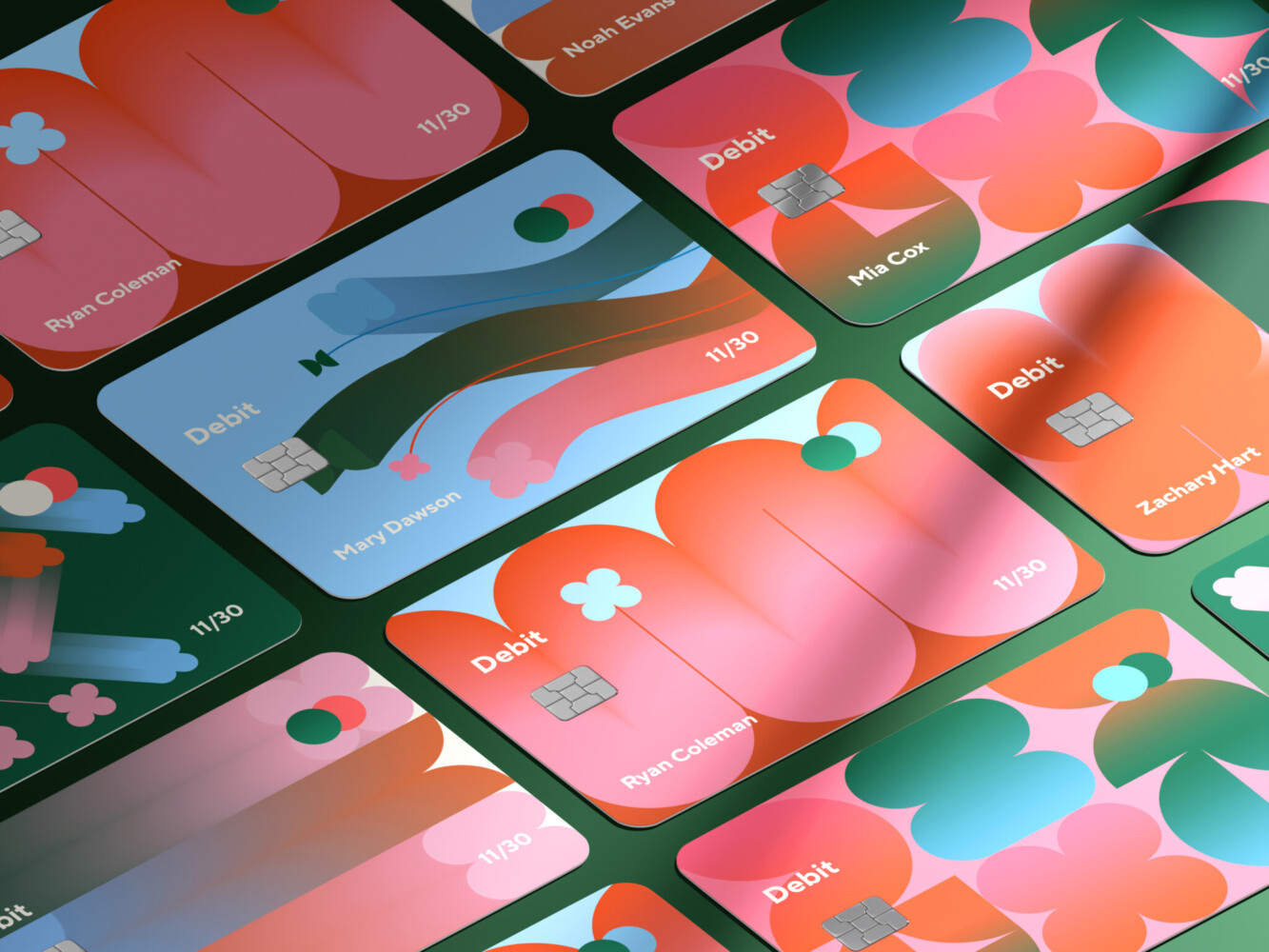
Credit Card Covers for a Financial Company Branding
Build Your Product Naming Strategy Before Brainstorming
Define Your Audience, Product Promise, and Brand Personality
You need a north star. A one-page naming brief does the trick. It doesn’t need to be fancy. Just cover the basics: who are these users? What problem are you actually solving for them? Not the feature, but the benefit. Is your tone serious and secure or playful and bold?
Don’t forget constraints. Are you targeting specific markets where certain words have bad connotations? List them. This brief keeps everyone aligned. If a name doesn’t fit the brief, it’s out. Simple.
Choose the Relationship Between Company and Product Names
This is a big one. How does the product sit next to your company?
You’ve got options. A standalone name gives the product its own identity. Think Slack. It’s distinct from Salesforce, even though they own it. Then there’s company-endorsed names, like Google Maps. It borrows trust from the parent. Or you might have a product family, like Adobe Photoshop, Illustrator, and Premiere. They share a vibe but stand alone.
Think ahead. If you plan to launch more modules later, does your naming structure allow for that? Or will you be stuck renaming everything in six months? When figuring out how to name a new product, consider the long game.
Map Competitors and Choose a Naming Direction
Look at who else is in the room. What are they called? You don’t want to sound like a clone, but you also don’t want to be so weird that no one gets it.
Generally, names fall into a few buckets:
| Type | Description | Pros | Cons |
| Descriptive | Says what it is (e.g., The Weather Channel) | Clear, good for SEO | Hard to trademark, boring |
| Suggestive | Hints at benefit (e.g., Netflix) | Evocative, memorable | Needs marketing to explain |
| Invented | Made-up word (e.g., Kodak) | Unique, easy to trademark | Zero initial meaning, expensive to build awareness |
| Compound | Two words joined (e.g., Facebook) | Familiar, flexible | Can feel generic if overused |
Each has tradeoffs. Descriptive is safe but dull. Invented is unique but requires heavy lifting to teach people what it means. Pick the direction that fits your budget and timeline.
A Practical Product Naming Framework in Six Steps
When you think about how to name a product, you need to follow a certain framework.
1. Turn Your Brief Into Naming Territories
Don’t just start listing words. Group them. Look at your brief and pull out themes. Maybe one territory is about “speed,” another about “security,” and a third about “simplicity.” Build word banks for each. Use metaphors, category language, or words that match your brand personality.
The goal here? Three to five distinct creative directions. This gives you variety later. If one direction hits a wall, you have backups.
2. Generate a Broad List of Candidates
Now, play. Use word association. Mash two ideas together. Look for metaphors. Try coining a new word. If you’re using AI, give it a prompt grounded in your brief. Something like: “Generate 20 names for a fintech app focused on speed and security, using metaphors related to shields and lightning.”
But don’t trust the AI blindly. Review everything. You want a varied longlist. The weirder, the better at this stage. You can cut the bad ones later.
3. Screen for Obvious Conflicts and Practical Problems
This is where dreams often die. And that’s okay. Better now than after you’ve printed business cards.
Check search results. Are there ten other companies with similar names? Check domains and social handles. But remember: just because a .com is available doesn’t mean you’re safe. Domain availability does not establish trademark availability. You need to look for similar names in related services too. A quick check of USPTO clearance-search guidance can save you a lawsuit.
Also, say the name out loud. Does it sound like something else in your target market’s language? Awkward moments are real.
4. Score the Shortlist Against Agreed Criteria
During the product naming process, take your top picks and put them through a grinder. Use a simple 1–5 scorecard. Rate them on positioning fit, distinctiveness, spelling, pronunciation, recall, and flexibility.
If a name has a serious conflict—like a trademark issue—it’s out. No debate. The deliverable here is three to five strong candidates. Not twenty. Just the best.
5. Test With Representative Users
Don’t just ask your team. They’re too close to it. Get some real people. But be careful how you do it. Asking “Which name do you like?” is useless. People will pick the one that sounds nicest, not the one that works.
Instead, test for understanding. Say the name and ask what they think the product does. Ask them to spell it after hearing it. Come back a day later and see if they remember it. You want evidence, not just opinions. Look for objections. Why did they hesitate? That’s gold.
6. Select, Clear, and Document the Name
Pick one. Assign a decision owner so you don’t get stuck in “design by committee.” Resolve any last-minute objections. Then, get a proper trademark review. Secure the domain, the handles, the assets.And document it. Write down the correct spelling and pronunciation. It sounds silly, but if you don’t, someone will eventually misspell it in a press release. This final step wraps up the product naming process and lets you move on to building.
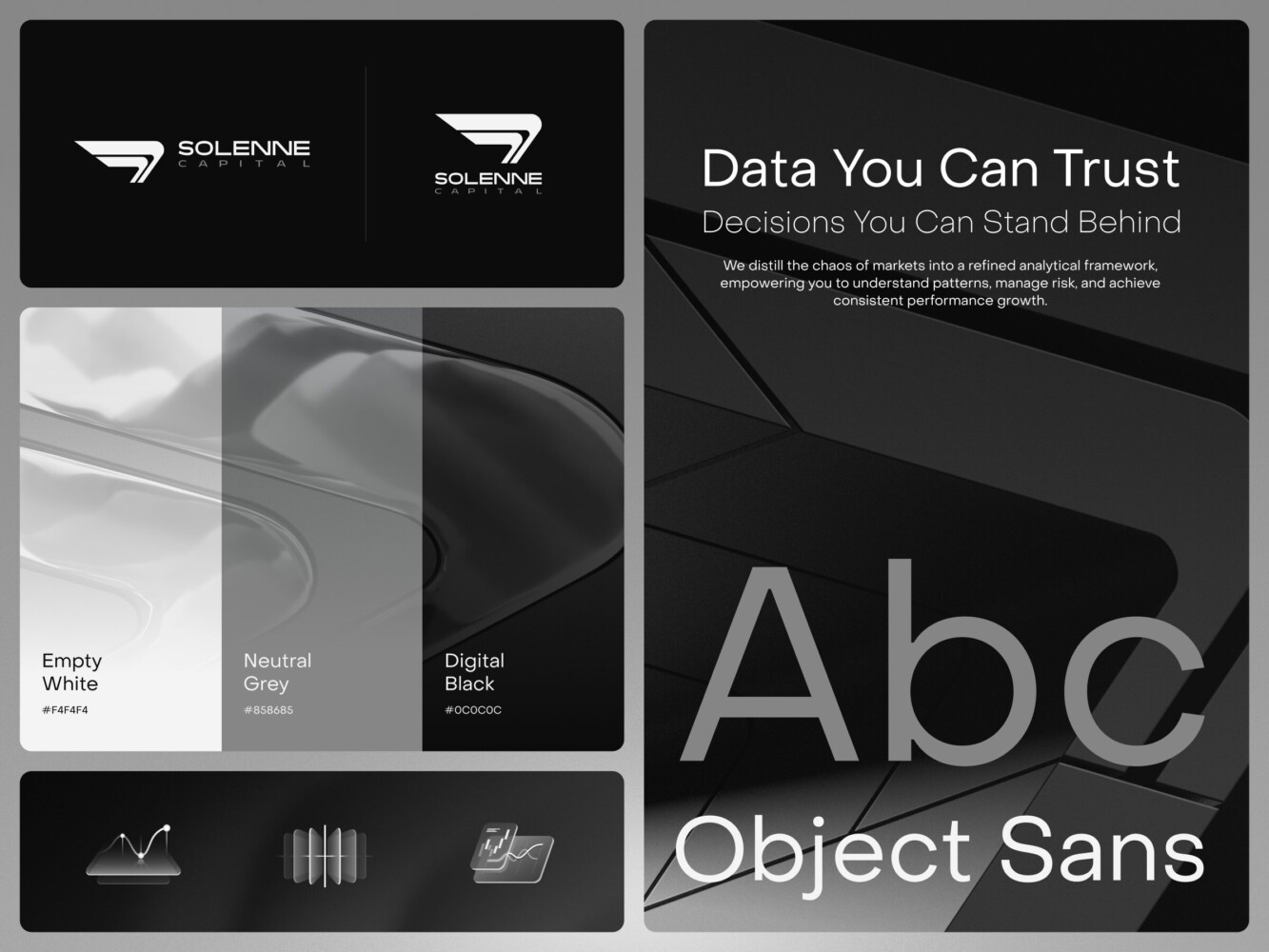
Brand Identity for Trading & Investment Analytics Platform by Shakuro
How to Create a Product Name: Example From Our Portfolio
Wanderluxe (formerly Beach Life) specializes in vacation rentals, entertainment and leisure coordination, construction, staging, and property management. Their solution delivers a premium, supportive, and transparent experience. They planned to expand their operations into additional locations in the future. And they needed a new name.
The Brief
The team wanted something that felt responsive and human. The audience was diverse: vacationers, real estate buyers, and property management companies.
Candidate Generation & Selection
This is often the hardest part when figuring out how to create a product name without losing your soul. We ended up with 10 names that went in the next round. For instance, we were thinking about “Zenith”, which symbolized reaching the highest point or peak experience, aligning with the premium quality of the services.
The Winner
After different tests, the name “Stately” won. It refers to having a dignified, unhurried, and grand manner. It also suggests a dignified and comfortable home environment, fitting the brand’s focus on providing a premium living experience.
Check the Name Across Apps, SaaS, and Future Releases
Once you’ve picked a name, you might think you’re done. Not quite. Now you have to make sure it actually works in the wild. A name that looks great on a slide can fall apart in an App Store or a billing statement.
App Names and Store Listings
If you’re launching a mobile app, space is tight. Really tight. Apple and Google Play have a 30-character limit for the name field. That includes spaces. So, “The Ultimate Productivity Tracker” isn’t happening. You need to be concise.
But it’s not just the name. It’s how it sits next to your icon. Does it look balanced? And what about the subtitle? That’s where you explain the “what.” If your name is abstract, like “Navi,” your subtitle needs to do the heavy lifting: “Navi: Compass for Your Tasks.”
Don’t forget localization. If you’re going global, check how your name translates. Does it fit in German or Japanese listings without breaking the layout? It’s a small detail that causes big headaches later.
SaaS Names in Everyday Use
For B2B SaaS, the test is different. It’s about friction. Say your name out loud in a sales intro. “Hi, I’m calling from [Name].” Does it sound professional? Or do you have to spell it out every time?
When dealing with product naming, check your login screens. Is the name clear above the email field? What about support emails? If a user gets an automated reply from “billing@weirdname.io,” does it look legit? And billing descriptors—this is huge. If your company name is different from your product name, make sure the charge on their credit card is recognizable. Otherwise, you’ll get chargebacks. Just ask anyone who’s ever forgotten what “Stripe*TestCo” was.
Also, think about modules. If you launch a new feature, does the name scale? Can you have “[Name] Analytics” or “[Name] Pro”? Consistency matters.
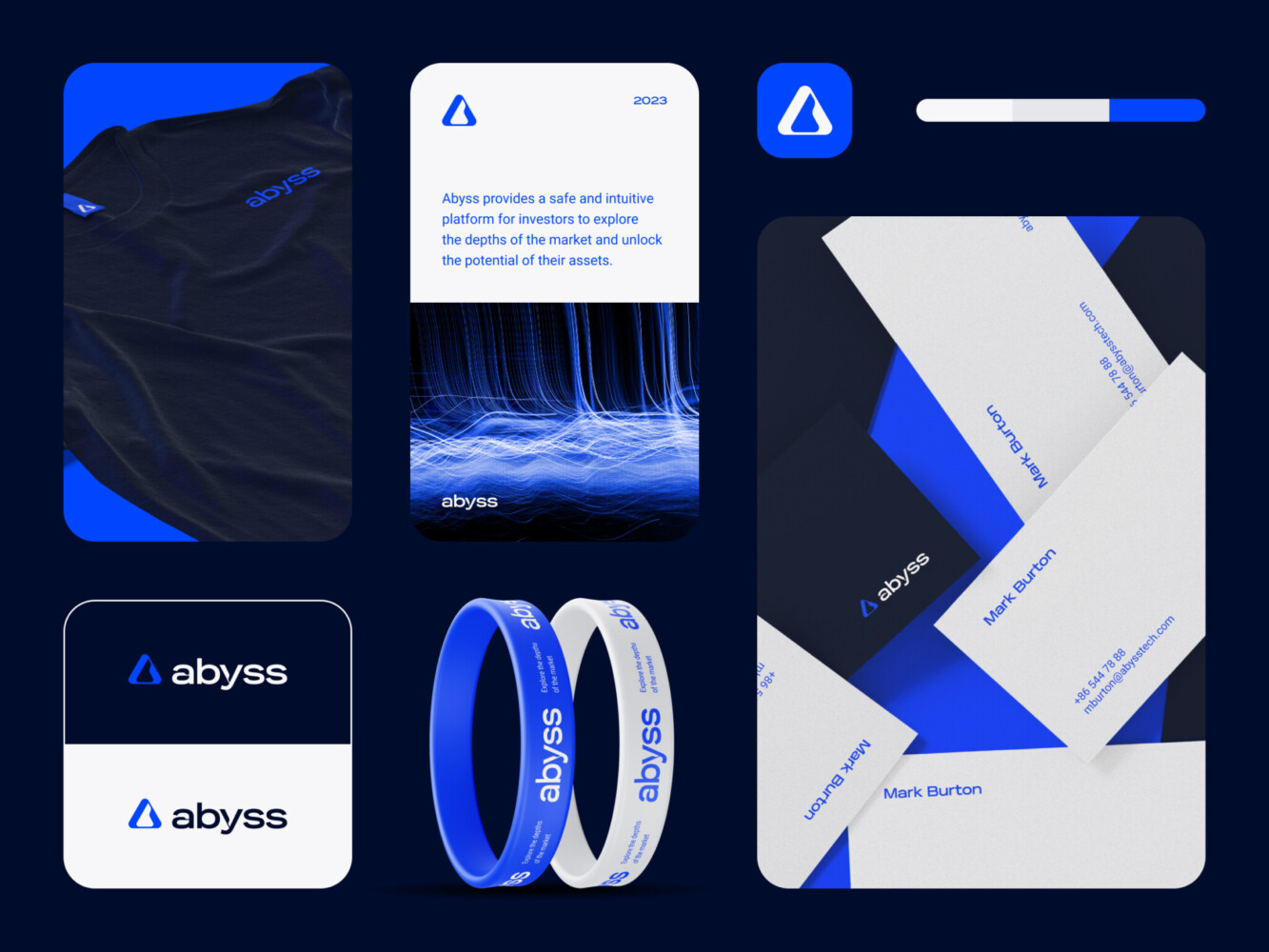
Abyss branding by Shakuro
Common Product Naming Mistakes
Copying category conventions is a big one. If every competitor ends in “-ly” or “-ify,” adding another one doesn’t make you stand out. It makes you look like a clone. You want to be distinct, not just part of the furniture.
Then there’s awkward spellings. I get it. You want the .com. So you drop a vowel or swap an ‘s’ for a ‘z’. But now you’re spending your entire marketing budget explaining how to spell your own name. “It’s Kwick, not Quick.” It’s exhausting. For everyone.
Choosing solely by domain availability is a trap. Don’t build your product naming strategy solely on that. Just because you can buy best-product-ever.net doesn’t mean you should. Domains are cheap. Brand equity is expensive. Don’t let a $10 domain dictate your multi-million dollar brand strategy.
Overfitting to one feature is another classic. Remember the “PDF Editor Pro” example? If you pivot to video next year, you’re stuck. Names should be broad enough to grow. Don’t paint yourself into a corner.
And please, stop relying on stakeholder preference. The CEO’s favorite name isn’t always the best name. In fact, it’s often the worst because it’s based on personal taste, not market fit. Design by committee usually leads to bland, safe, forgettable names.
Finally, postponing user testing. You wouldn’t launch a product without testing the code, right? So why launch a name without testing it with humans? You need to know if people can say it, spell it, and remember it. Guessing is risky.
Your Product Naming Checklist Before Launch
How to come up with a product name? Run through this list. It’s short, but it catches the stuff that keeps you up at night.
- Brief Alignment: Does the name actually fit the promise you made in your brief? If not, why are you keeping it?
- User Feedback: Did real people spell it correctly, and guess what you do?
- Pronunciation: Can someone say it after hearing it once? If you have to correct them, it’s too hard.
- Search Confusion: Google it. Are you buried under a celebrity or a competitor? You want to be found, not lost.
- Appropriate Clearance: Did you check trademarks? Not just domains. Actual legal clearance. Don’t skip this.
- Digital Assets: Do you have the handles? The domain? The email addresses? Secure them all.
- Store Constraints: If it’s an app, does it fit the 30-character limit? Does it look good next to the icon?
- Future Expansion: Will this name still work when you launch your second feature? Don’t box yourself in.
If you’re ticking these boxes and still feeling unsure, that’s normal. Naming is heavy. But getting it right sets the tone for everything else.
If you need help and don’t know how to name a product, reach out to us.
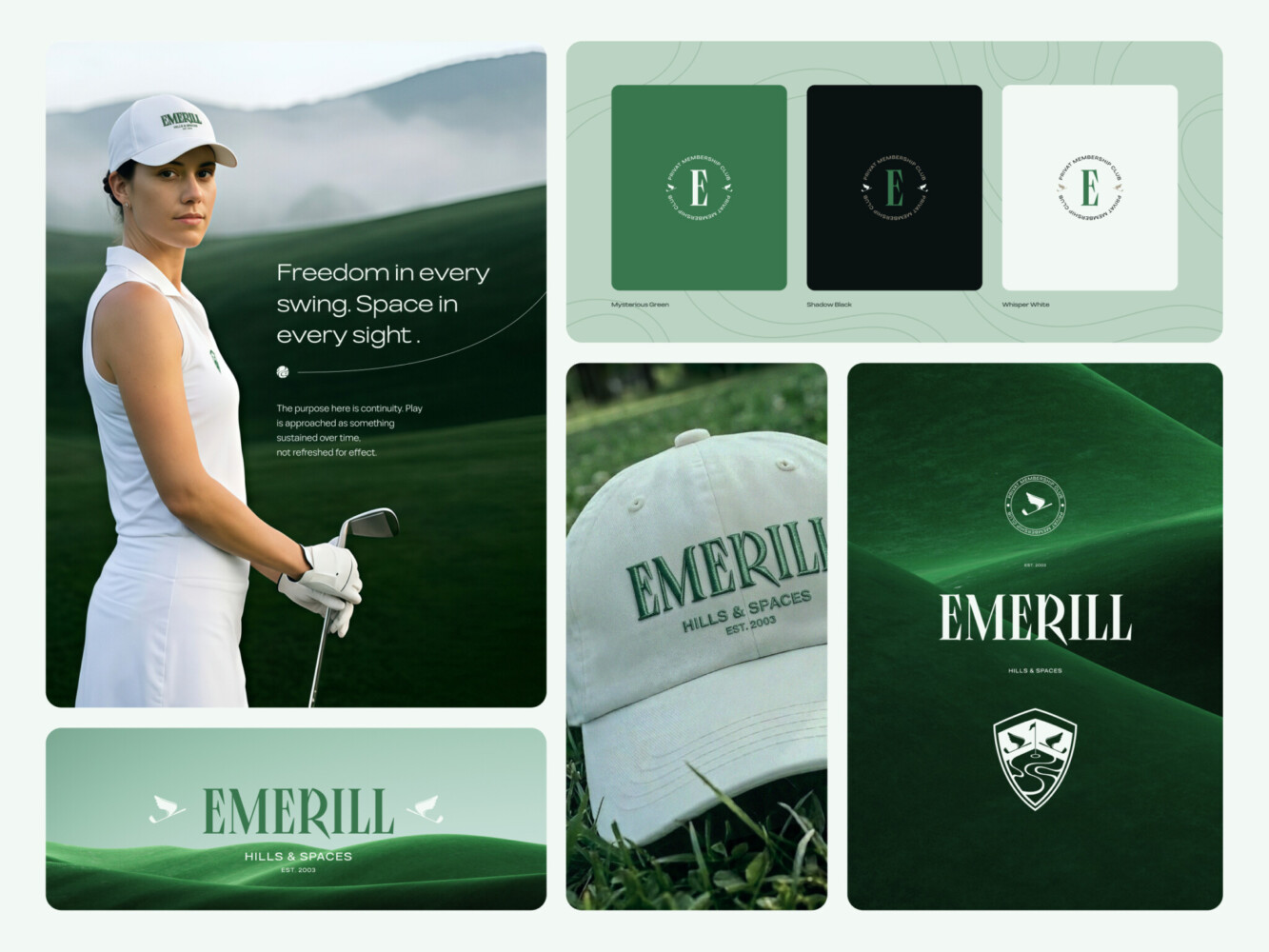
Branding for Emerill by Shakuro
Frequently Asked Questions
Should My Product and Company Have the Same Name?
Not necessarily. If you’re a startup with one core product, sure, keep it simple. But if you plan to launch multiple tools later, separate them. It gives you flexibility. Think of Adobe (company) vs. Photoshop (product).
Does a Digital Product Need an Exact-Match .com Domain?
No. Honestly, most good .coms are taken or cost a fortune. Use a modifier like “get” or “app,” or try a different extension like .io or .co. Just make sure it’s easy to remember. Don’t let the domain drive the bus.
Can I Use AI to Generate Product Names?
Absolutely. It’s great for breaking writer’s block and generating volume. But don’t just pick the first output. Use it as a springboard. You still need human judgment to check for cultural nuances and legal issues. AI doesn’t have a gut feeling.
When Should I Rename an Existing Product?
When the current name is holding you back. Maybe it’s too narrow, hard to spell, or confused with a competitor. But be careful. Renaming is expensive and risky. Only do it if the long-term gain outweighs the short-term confusion.