
The calendar invite says “Quick naming discussion.” Forty minutes later, your team has ruled out six options, brought back two you rejected last week, and agreed to “keep thinking.”
Meanwhile, the launch date hasn’t moved.
For a founder or product owner, this gets frustrating fast. You have a product to build, customers to talk to, and a budget that doesn’t stretch forever. Your marketing team needs a name they can actually put on the website. But every candidate seems to come with a catch: awkward pronunciation, a competitor with something similar, or a meaning nobody noticed until someone said it out loud.
Renaming brings another worry. What happens to the recognition you’ve already earned? Even if the old name no longer fits, letting it go can feel risky.
I’d be careful about waiting for the option everyone instantly loves. A name needs to work in a sales conversation, on a small app icon, and when a customer recommends it to a colleague. That gives you something more useful to discuss than whether it “sounds right.” Though, yes, that matters too.
A clear product naming process helps you make those decisions and know when you have enough evidence to move forward. In this article, we’ll work through the stages from strategy and a naming brief to generating candidates, testing a shortlist, and approving the final choice. You’ll have a way to explain why a name fits and a clearer sense of when it’s time to stop debating and launch.
Key Takeaways:
- Naming is a process, not a lightning strike. It starts with strategy and ends with legal clearance. Don’t skip the boring parts.
- One decision owner saves you from chaos. Committees kill good names. Pick one person to make the final call.
- Test for clarity, not just preference. If users can’t spell it or guess what it does, it doesn’t matter if they “like” it.
- Check trademarks early. Falling in love with a name before checking legal availability is a recipe for heartbreak (and lawsuits).
- Keep the shortlist tight. Three to five options are enough. More than that just leads to analysis paralysis.
What Is the Product Naming Process?
If you ask ten marketers, you’ll get eleven answers. But in my experience, it’s less connected with lightning-strike inspiration and more with a funnel. A really wide funnel that slowly narrows down until you’re left with one or two options that don’t make your legal team cry.
It starts with product naming strategies. I know, boring words. But if you don’t know who you’re talking to or what problem you’re solving, you’re just guessing. You can’t name a serious fintech security tool “Zappy” and expect trust. Context matters.
From there, you move into creative exploration. This is the fun part. Brainstorming. Word association. Throwing darts at a dictionary. You want volume here. Don’t judge ideas yet. Just get them out.
Then comes the screening. This is where reality hits. Does the domain exist? Is the trademark taken? Does it mean something offensive in another language? (Learned that one the hard way, remember?) You chop away the bad ones.
Validation is next. You test the survivors. Say them out loud. Put them on a mockup. Ask people who aren’t your friends what they think. And finally, approval. Getting the stakeholders to agree. Which, let’s be honest, is often the hardest part.
Now, don’t mix this up with other labels. A product name isn’t your company name. Apple is the company; iPhone is the product. Different beasts. It’s also not a feature label. “Dark Mode” is a feature, not a brand. And it’s definitely not a tagline. “Just Do It” is great, but it’s not the name of the shoe.
Brand naming process and product naming overlap, sure. They share the same DNA. But product naming is tighter. It has to fit within the existing brand house while standing on its own two feet.
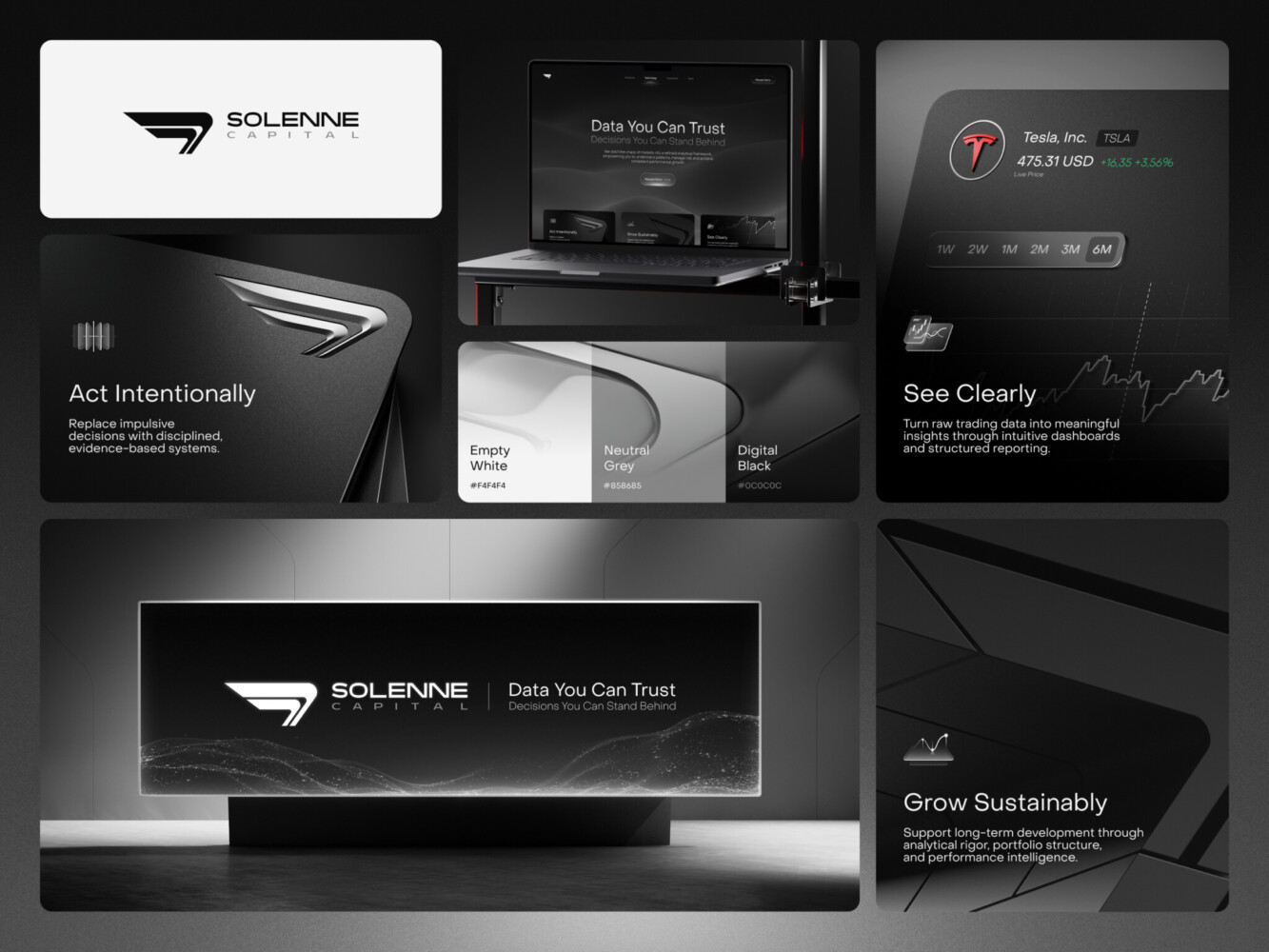
Brand concept by Shakuro
The Product Naming Process in Seven Steps
To keep it real, let’s follow a fictional SaaS product. Let’s call it “FlowState.” It’s an AI tool that helps remote teams sync their work rhythms without endless meetings. Sounds useful, right?
Here’s how we’d name it, step by step.
The Process of Naming a Product
| Stage | Who’s Driving? | What You Get | How You Know It’s Done |
| 1. Strategy & Brief | Product Lead / Founder | One-page Naming Brief | Stakeholders sign off on constraints |
| 2. Research & Criteria | Marketing / Strategist | Competitor Map & Scorecard | Criteria agreed upon by team |
| 3. Exploration | Creative Team / AI Tools | List of 50+ Candidates | Grouped by theme/territory |
| 4. Screening | Legal / Marketing | Shortlist (5-10 names) | No obvious legal/web conflicts |
| 5. Testing & Validation | UX Research / External Users | Validation Report | Clear winner in recall/fit |
| 6. Selection | Decision Owner | Final Name + Backup | Approval doc signed |
| 7. Launch Prep | Design / Dev / Marketing | Handoff Checklist | Assets ready, domains secured |
1. Define the Product Naming Strategy and Write the Brief
Before you write a single name, you need to know why you’re naming it. Who is this for? Is it for stressed-out project managers? For chaotic startups?
For FlowState, the brief might say: “Target audience is tech-led remote teams. Problem: meeting fatigue. Promise: async sync that feels natural. Personality: calm, smart, efficient. Markets: US, UK, Germany initially.”
You also set the guardrails. No made-up words that are impossible to spell. No names that sound like existing competitors. And crucially—who makes the final call? If you don’t decide that now, you’ll be debating forever.
This is your product naming strategy. It’s not just about creativity; it’s about alignment. Think of how discovery informs brand identity. Your brief does the same heavy lifting.
2. Research the Market and Set Naming Criteria
Now, look around. What are others doing? If everyone in your space uses “Sync” or “Link,” maybe you want to avoid that. Or maybe you lean into it to show you belong.
For FlowState, we’d map out competitors like Asana, Monday, or Slack. We’d notice a lot of action verbs. So, our criteria might be: “Must imply movement or ease. Must be two syllables max for punchiness. Must be easy to pronounce in German.”
You decide if this name stands alone or sits under a parent brand. Is it “SuperCorp FlowState”? Or just “FlowState”? That changes the game.
3. Explore Naming Territories and Generate Candidates
Time to get creative. Don’t hold back. You might explore territories like:
- Water/Fluidity: Stream, Current, Tide.
- Mental State: Zone, Focus, Clarity.
- Mechanics: Gear, Sync, Loop.
Use workshops. Use AI tools. When naming a product, throw the brief into a generator and see what sticks. You’re looking for volume here. For FlowState, we might generate “Rhythm,” “Pulse,” “Drift,” and “Align.”
Group them. Give them rationales. “Drift” feels too passive. “Pulse” is too common. But “Flow”? That hits the promise.
4. Screen Candidates and Build a Shortlist
Okay, you have 50 names. Now kill 45 of them.
Check the basics. Is the .com taken? Is there a trademark in your category? Does it mean something weird in another language?
In our example case, we’d drop “Stream” because it’s too generic. We’d drop “Zone” because of trademark issues in software. We’re left with a shortlist. Maybe: FlowState, SyncWell, Rhythmix.
Use a scorecard. If a name has a serious legal conflict, it’s out. No matter how much you love it. Don’t let a high “coolness” score offset a lawsuit risk.
5. Test the Shortlist and Investigate Availability
Say them out loud. “I use FlowState.” “I use Rhythmix.” Which feels better?
Test it with real people. Not your friends. Potential users. Ask them: “What do you think this product does?” If they say “a music app” for Rhythmix, you’ve got a problem.
Then, dig deeper on legal. Preliminary checks are fine, but you need comprehensive trademark clearance. In the US, you’d look at USPTO records. For FlowState, we’d check if “Flow” is too crowded in the SaaS space. It might be risky. But maybe “FlowState” as a compound is clear.
6. Select the Final Name and Document Approval
When you think about how to name a product, look at the data. Look at the brief.
The decision owner—usually the founder or CPO—makes the call. Maybe FlowState tested best for clarity. Rhythmix was cooler but confusing.
Document it. Why did we pick this? What were the trade-offs? Have a backup. Just in case. It’s evidence-based decision-making.
7. Prepare the Name for Launch
You picked it. Now, make it real.
How do you spell it? FlowState? Flow-state? Flowstate? Decide. Capitalization matters.
Coordinate with design. How does it look in a logo? In the case of FlowState, maybe the wordmark has a slight curve, implying movement.
Secure the domains. The Twitter handle. The LinkedIn page. Update the website copy. If you’re renaming an old product, plan the migration. Don’t just switch it overnight; tell your users why.
And that’s it. You’ve got a name. It’s strategic, tested, and ready to go. Not bad for a week’s work, huh?
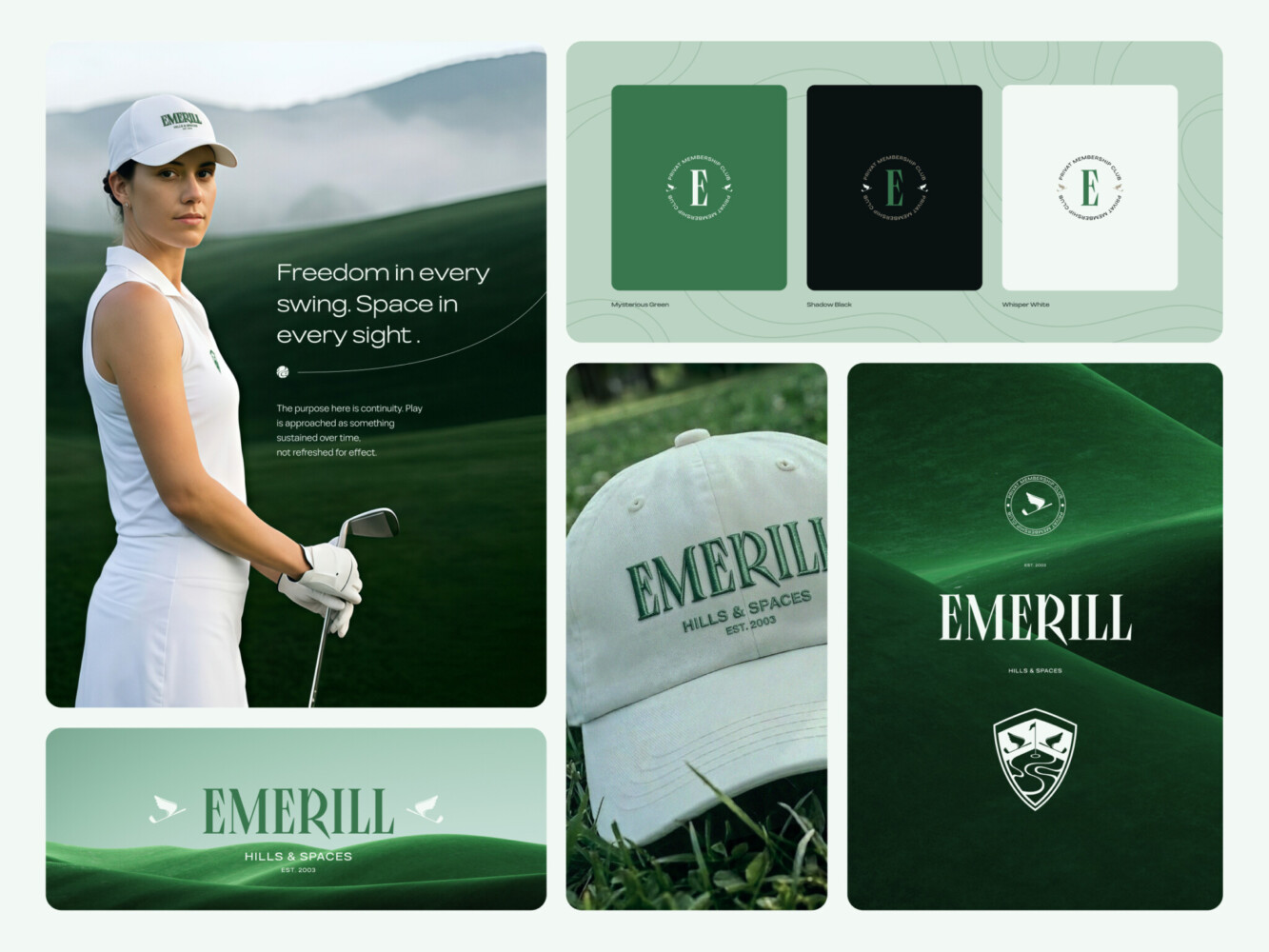
Branding for Emerill by Shakuro
How Much Time and Budget Should You Allow for Product Naming?
It really comes down to two paths: the internal sprint or the agency deep-dive.
The Internal Sprint
If you’re doing this in-house with a small team, you’re mostly paying for time. Maybe a couple of weeks. You’re using tools you already have. The budget? Mostly just the cost of a domain ($10-$20) and maybe a trademark filing fee ($250-$500 per class in the US). It’s lean. But it’s risky because you lack outside perspective.
The Agency Engagement
This is where things get expensive. You’re paying for strategy, legal vetting, linguistic checks, and creative firepower. According to industry standards, a professional naming project can range from $15,000 to $50,000+. Some top-tier firms charge even more. Why? Because they’re not just giving you a name; they’re giving you defensibility. They’re checking trademarks in ten countries. They’re testing recall with focus groups. That costs money.
What Drives the Cost and Time?
- Research Depth: During the product naming process, are you just checking Google, or are you doing a full linguistic audit for 15 languages? The latter adds weeks and thousands of dollars.
- Stakeholder Count: More voices = more rounds of feedback. If you need approval from the CEO, CMO, and three VPs, add two weeks easily.
- Testing: Do you want to ask five friends or run a statistically significant survey with 500 potential users? Testing adds budget but saves you from picking a dud.
- Legal Work: A basic trademark search is cheap. A comprehensive clearance opinion from a lawyer? That’s pricey but necessary if you’re serious.
- Domain Acquisition: Sometimes the name is free, but the .com costs $5,000 on the secondary market. Factor that in.
An Illustrative Schedule (Internal/Mid-Size Project)
Let’s assume you’re a startup with a moderate budget, doing a mix of internal work and some freelance help. Here’s how a 6-week timeline might look:
| Week | Activity | Who’s Involved |
| 1 | Strategy & Briefing | Founder, Product Lead |
| 2 | Market Research & Criteria | Marketing, Strategist |
| 3 | Creative Generation (AI + Human) | Creative Team, Freelancers |
| 4 | Screening & Shortlisting | Legal (basic check), Marketing |
| 5 | User Testing & Validation | UX Research, External Users |
| 6 | Final Selection & Legal Clearance | Decision Owner, Trademark Attorney |
Assumptions:
- You’re targeting primarily English-speaking markets initially.
- You’re using a mix of AI tools for generation and human judgment for selection.
- Legal clearance is done after selection to save upfront costs (risky, but common for startups).
If you go the agency route, stretch that to 8–12 weeks. They move slower because they’re thorough. Honestly, sometimes slow is good. It gives you time to fall out of love with your bad ideas.
So, budget accordingly. If you’re bootstrapping, keep it tight and use AI to help with the heavy lifting. If you’ve got funding, spend the money on legal and testing. It’s cheaper than a rebrand in two years.
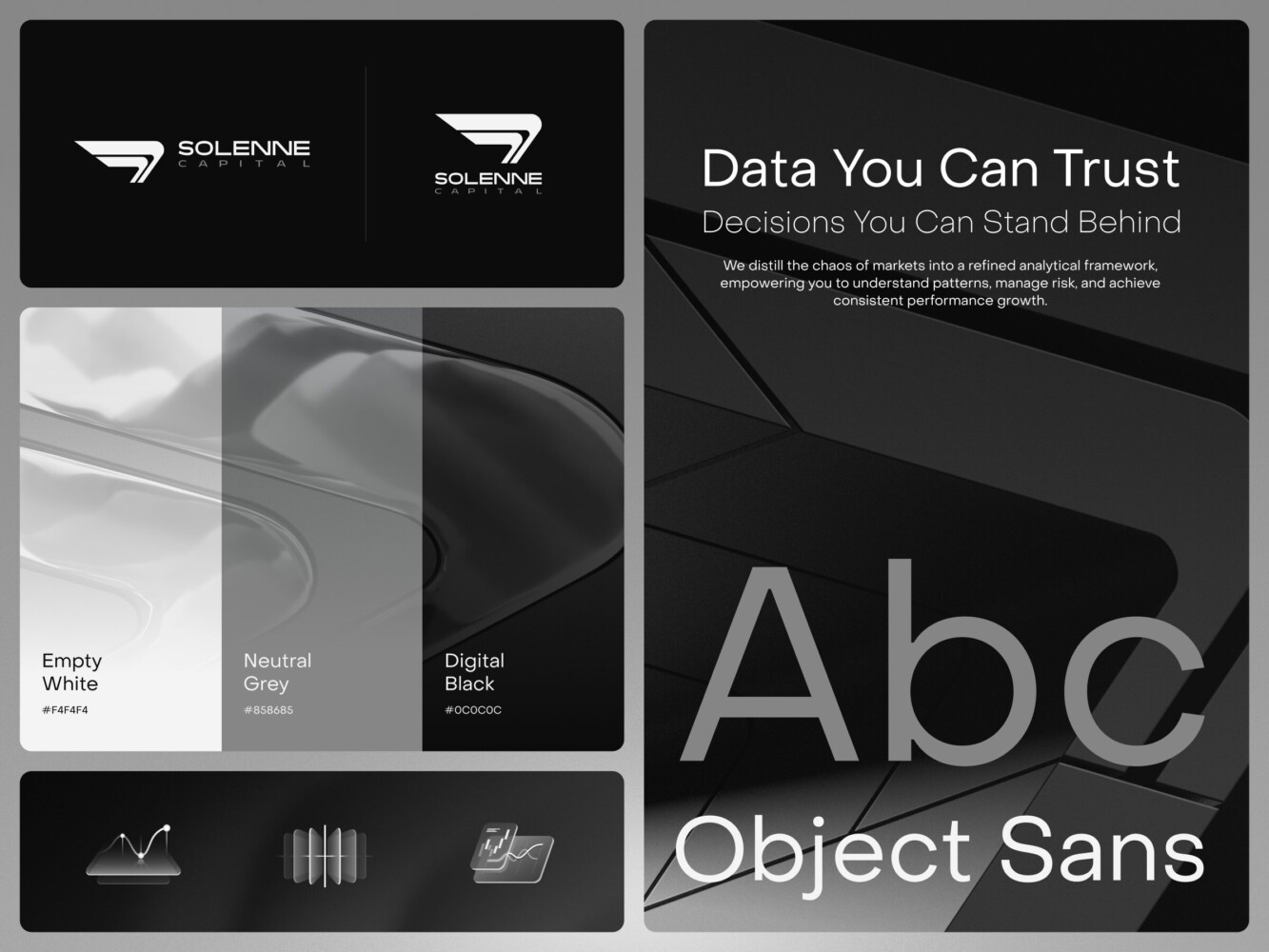
Brand Identity for Trading & Investment Analytics Platform by Shakuro
Common Problems That Delay Naming Decisions
Product naming processes rarely fail because people aren’t creative. They fail because the process gets messy. You start with energy, and three weeks later, you’re in a meeting arguing about whether “Cloud” is too generic.
Here are the usual suspects that drag these projects out and how to actually fix them.
1. Moving the Goalposts (Changing the Brief)
You spend a week brainstorming based on “fast and efficient.” Then, halfway through, the CEO says, “Actually, let’s pivot to ‘secure and enterprise-grade.'” Now all your names feel wrong. It’s frustrating.
The Fix: Lock the brief. Seriously. Treat it like a contract. If the strategy changes, you pause the naming process, update the brief, get sign-off, and then restart. Don’t try to bridge two different strategies with one name. It never works.
2. Design by Committee
“I like it, but my wife doesn’t.” “What if we combined these two?” When everyone has a vote, you end up with a name that offends no one and excites no one. It’s bland. It’s safe. It’s forgettable.
The Fix: Define a single decision owner. This person listens to feedback, sure, but they make the final call. Use a RACI model if you have to. Just make sure only one person holds the pen at the end.
3. Testing for “Do You Like It?”
Asking people if they like a name is useless. I might not “like” the name “Uber,” but I know what it is. Preference isn’t the same as fit. If you only test personal taste, you’ll pick a name that sounds nice but tells users nothing.
The Fix: Test for understanding and recall. Ask: “What do you think this product does?” or “Can you spell that back to me?” If they can’t remember it or guess the function, it doesn’t matter if they “like” it. This is one of those product naming best practices that separates pros from amateurs.
4. Falling in Love Before the Legal Check
You find the perfect name. You buy the domain. You design the logo. Then legal says, “Yeah, there’s a trademark conflict in Germany.” Ouch. Now you’re stuck with a sunk cost and a dead end.
The Fix: During the product naming process, screen early. Run preliminary trademark and domain checks before you fall in love. Don’t invest emotional energy or design a budget until you know the name is legally clear to use. It’s boring, but it saves you from crying later.
5. The “Just One More” Trap
You have a shortlist of five great names. Then someone says, “Wait, I just thought of another one!” And suddenly you’re back to square one, testing twenty new options. It kills momentum.
The Fix: Freeze the shortlist. Once you move to testing, the door closes. If a new idea comes up, write it down for next time. Don’t let scope creep kill your timeline. Stick to the plan.
Naming is hard enough without these self-inflicted wounds. Keep the process tight, keep the decisions clear, and you’ll actually get to launch day with a name you’re proud of.
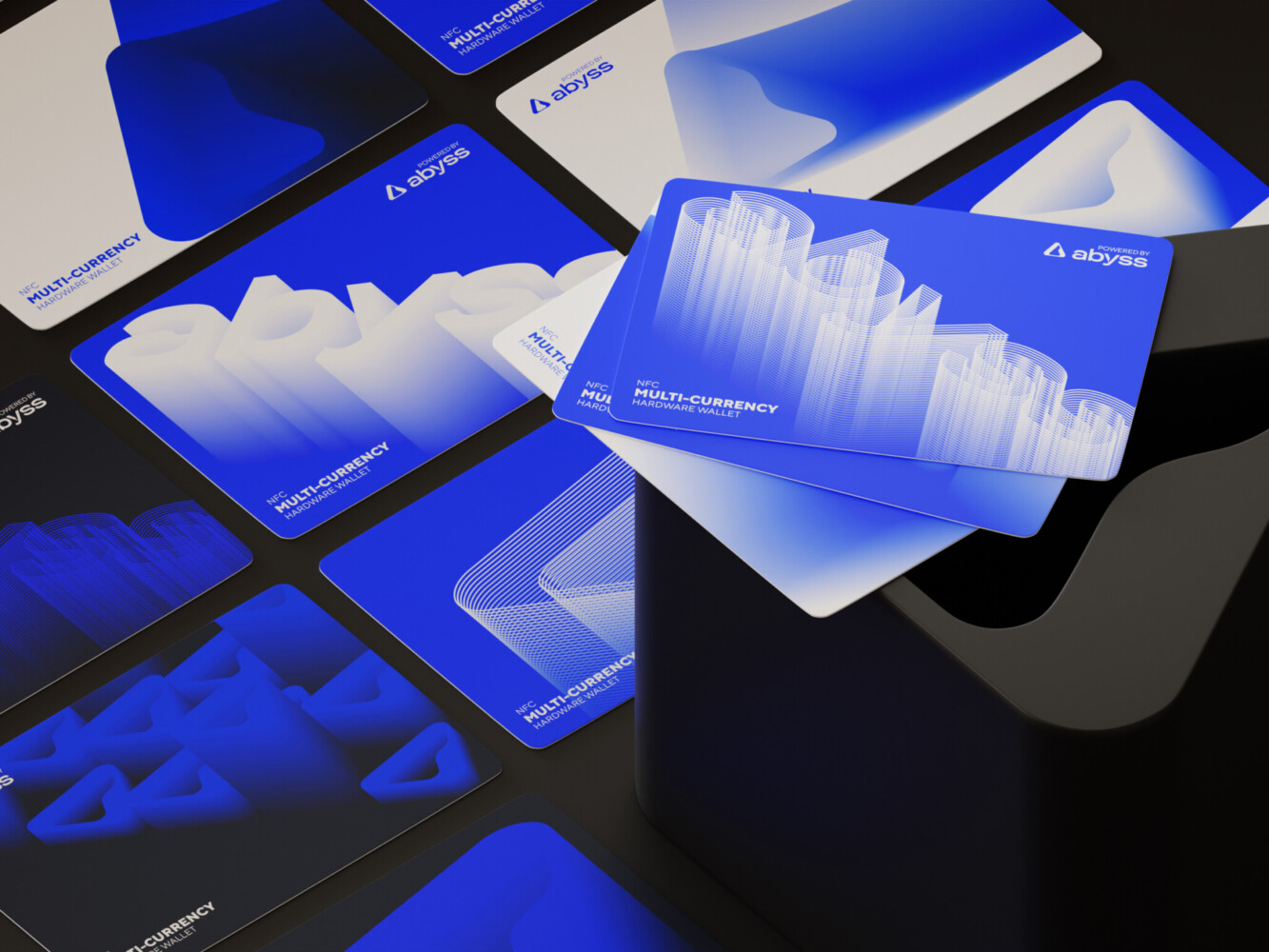
Abyss branding by Shakuro
Final Thoughts: Approve a Name You Can Explain and Use
At the end of the day, naming a product isn’t giving it a label. It’s a story you tell in a single word. If you can’t explain why you picked it without sounding defensive, it’s probably not the right one.
Don’t overthink it, but don’t under-prepare it either. Before you sign off, run these three quick checks:
- Strategic Fit: Does it actually match the brief we wrote in week one? Or did we drift?
- Evidence: Did real users understand it? Did it pass the “spell it back” test? Don’t rely on gut feeling alone.
- Approval & Clearance: Is the legal team happy? Are the domains secured? No loose ends.
If you hit those three, you’re good. You’ve got a name that works. But if you’re still stuck in the weeds, or if you want to make sure your name has a solid identity to back it up, maybe it’s time to bring in some help. Build a name and identity around what your product stands for.
Getting product naming right is half the battle. The other half is making sure the world sees it the way you do.
Product Naming Process FAQ
Who should make the final product naming decision?
One person. Just one. It’s usually the Product Lead or Founder. They listen to the team, sure, but they hold the pen. If you try to vote on a name, you’ll end up with something bland that nobody hates but nobody loves either. Pick a decision owner and stick to it.
How many names should you shortlist and test?
Keep it tight. Three to five is the sweet spot. Any more than that and you’re just overwhelming people. You want enough variety to see different directions, but not so many that you get analysis paralysis. Quality over quantity, always.
What should a product naming brief include?
The basics: who it’s for, what problem it solves, and the vibe (personality). Also, add the guardrails. What words are off-limits? Which markets are we launching in? And crucially—who decides? If you don’t write this down, you’ll be guessing halfway through.
What if the preferred domain is unavailable?
Don’t panic. First, check if it’s actually for sale. Sometimes you can buy it. If not, get creative. Add a prefix like “get” or “try.” Or use a different extension like .io or .co if it fits your tech audience. Just make sure it’s not confusing. A slightly modified domain is better than a terrible name.
How does renaming an existing product change the process?
It’s harder. Much harder. You’re not just picking a name; you’re managing migration. You have to worry about SEO loss, user confusion, and updating every single piece of collateral. The process needs extra steps for communication and technical redirects. It’s less about “what sounds cool” and more about “how do we not break everything?”