Key takeaways:
- Node.js is usually a better fit for real-time, interaction-heavy web apps such as chats, collaboration tools, live dashboards, and marketplaces.
- Python is usually stronger for data-heavy products, AI features, analytics, automation, admin systems, and complex backend logic.
- For MVPs, the best choice depends on the product roadmap and team skills, not on a generic “Node.js vs Python” winner.
- Both technologies can scale well with the right architecture, database design, queues, caching, monitoring, and deployment setup.
Introduction: Why This Decision Matters Before the First Sprint
Choosing a backend stack can feel oddly dramatic for something that, at first glance, looks like a technical detail.
Still, the choice matters. Apart from being a technical question, the usual Node.js vs Python thing is about which one fits the product you are trying to build, the team you can realistically hire, and the kind of risks you want to avoid.
In my experience, early technical decisions rarely fail because the chosen language was bad. They fail because nobody connected the stack to the business model. A real-time collaboration app, an AI-powered analytics platform, and a marketplace with a heavy admin panel all have different needs. They may all be web apps, but they do not behave the same once users start clicking around at 2 a.m.
So, let us keep this practical. This article compares Node.js and Python from a founder’s point of view: backend fit, speed, performance, MVP delivery, scalability, hiring, cost, and the messy middle where real products usually live.
What is Node.js?
Node.js is a JavaScript runtime that allows developers to write server-side scripts in JavaScript. As per the official Node.js documentation, it is an asynchronous event-driven runtime environment used for building scalable network applications. In simple words, Node is good at handling a large volume of requests without waiting for the last one to be done before starting the next one.
That matters for web products where users expect things to happen immediately. Think live chat, notifications, collaborative editing, streaming dashboards, online marketplaces, or apps where the frontend and backend need to talk all the time.
If someone on your team asks what Node.js is, the founder-friendly answer is this: it is a way to build backend services using JavaScript, with a strong ecosystem and a natural fit for real-time web experiences.
One reason founders like Node.js is that it can reduce stack fragmentation. Your frontend team is probably already working with JavaScript or TypeScript. If the backend is also JavaScript-based, handoffs can be easier. Not always, of course. A weak backend architecture is still a weak backend architecture, no matter how nicely the language matches. But in smaller teams, that shared context can really help.
A good Node.js developer usually understands APIs, event-driven code, package management, cloud deployment, and the weird little edge cases that appear when many users do things at the same time. That last part is important. Node.js is friendly, but real-time systems are not magic.
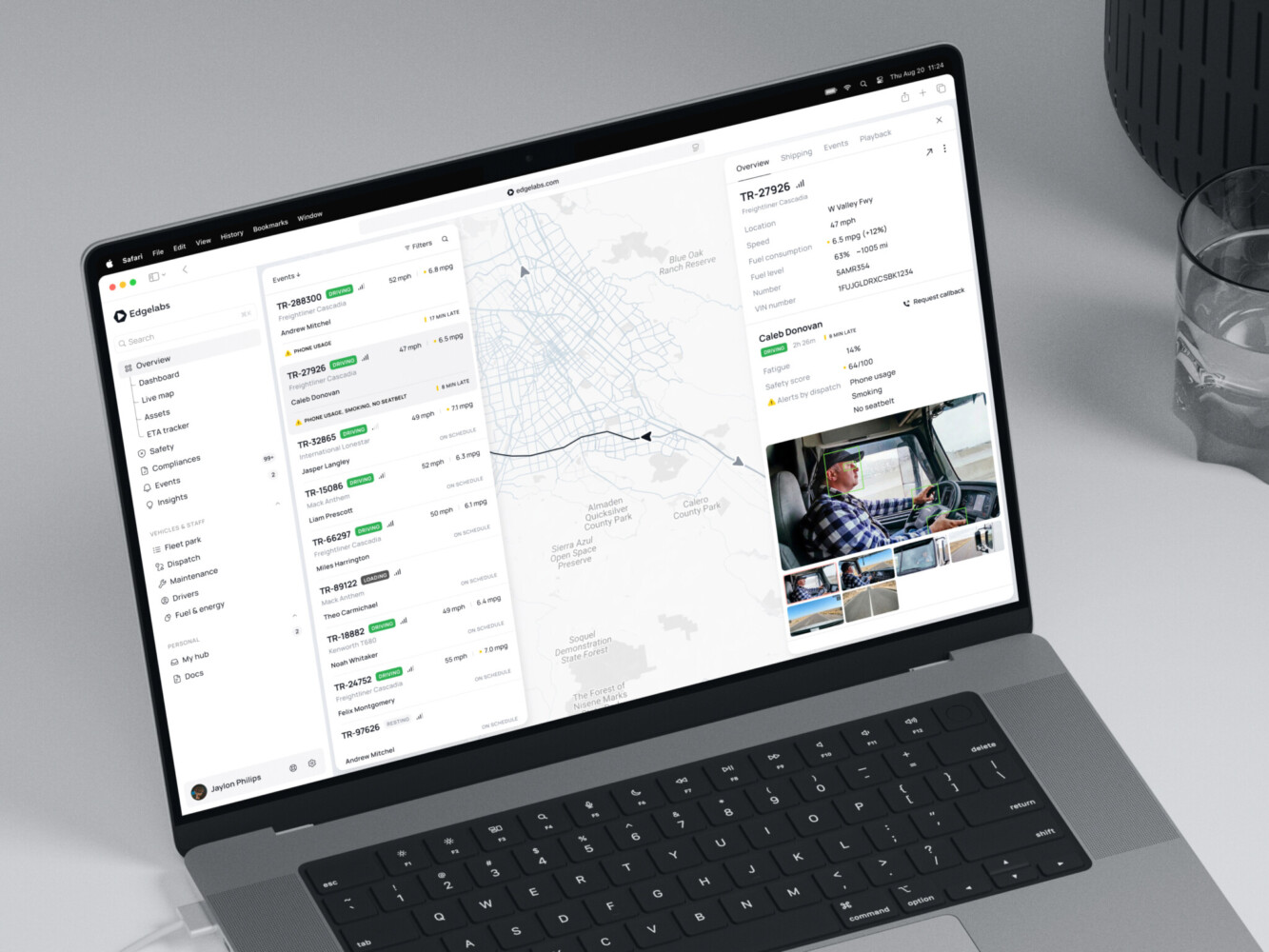
Telematics Dashboard by Shakuro
What is Python?
Python is a high-level, interpreted, general-purpose programming language that is known for its readability and has a large ecosystem. Python.org states it is an object-oriented language with dynamic semantics, strong built-in data structures, and a simple syntax that supports rapid application development.
Python is particularly interesting for founders because it sits at the intersection of backend development, automation, data processing, machine learning and AI. That is a useful place to be. A lot of modern products are not just CRUD apps anymore. They classify data, generate recommendations, analyze behavior, process documents, connect to third-party tools, or run internal workflows behind the scenes.
The Python programming language is also comfortable to read. That may sound like a small thing, but it is not. When a product has been running for a year and a new engineer joins the team, readable backend code can save real money. I have seen teams lose days just trying to understand why a certain background job exists. Not because anyone was careless, but because product logic grows little by little, like laundry on a chair. You look away for a week, and somehow it becomes a system.
Python works well for backend APIs, admin panels, SaaS platforms, data-heavy tools, AI features, scripts, and integrations. It is not the fastest runtime in every benchmark, and pretending otherwise would be silly. But product speed is not only CPU speed. Sometimes the best option is the one that lets your team build, debug, and change things without a headache every Friday afternoon.
| Criteria | Node.js | Python |
| Best for | Real-time apps, chats, collaboration tools, live dashboards, marketplaces, API-heavy products | Data-heavy platforms, AI features, analytics, automation, admin systems, complex backend logic |
| Backend fit | Strong for high-concurrency, I/O-heavy backends | Strong for business logic, data workflows, integrations, and API platforms |
| Performance | Often faster for real-time network operations and many simultaneous requests | Usually slower in raw runtime speed, but performs well with the right architecture and async setup |
| Development speed | Fast when the team already works with JavaScript/TypeScript across frontend and backend | Fast for backend-heavy MVPs because of readable syntax and mature libraries |
| Scalability | Scales well for event-driven systems, APIs, and real-time user interactions | Scales well for SaaS platforms, data systems, automation, and AI-driven products |
| Ecosystem | Huge npm ecosystem, strong frontend/backend connection | Mature ecosystem for web development, AI/ML, data science, automation, and scripting |
| Hiring | Good choice if you need full-stack JavaScript or TypeScript developers | Good choice if you need backend, data, AI, or automation-focused developers |
| Learning curve | Easier for teams already familiar with JavaScript, but async patterns can get tricky | Generally readable and beginner-friendly, though advanced backend architecture still takes skill |
| MVP use | Great for frontend-heavy SaaS, real-time features, and fast API delivery | Great for AI-enabled MVPs, analytics products, internal tools, and complex workflows |
| Cons | CPU-heavy tasks can be awkward without workers or separate services | Real-time, high-concurrency apps may need more careful async planning |
Node.js vs Python for Backend Development
When people compare these tools for backend work, they often jump straight to performance. That is understandable, but it is a bit too narrow. Backend development is not just request speed. There’s architecture, database design, authentication, permissions, integrations, background jobs, error handling, logging, deployment, and long-term maintenance.
Use Node.js if your product is built around real-time UX. If your app requires live updates, chat, collaborative workspaces, notifications, streaming data, or lots of small API calls, Node.js is generally a good choice. Its non-blocking model is perfect for I/O-heavy apps.
Use Python if your backend has complex business logic or data workflows. SaaS admin systems, healthcare platforms, fintech tools, analytics products, automation dashboards, AI-assisted apps, and internal operations platforms tend to do well with Python’s ecosystem and readability.
Here is the rough version:
- Node.js is often attractive when the app is interaction-heavy.
- Python is often attractive when the app is logic-heavy or data-heavy.
Of course, real life is annoying and does not always fit into clean boxes. A marketplace may need real-time notifications and fraud detection. An e-learning platform may need video processing, payments, chat, analytics, and admin workflows. In that case, the question becomes less “which language wins?” and more “where should each responsibility live?”
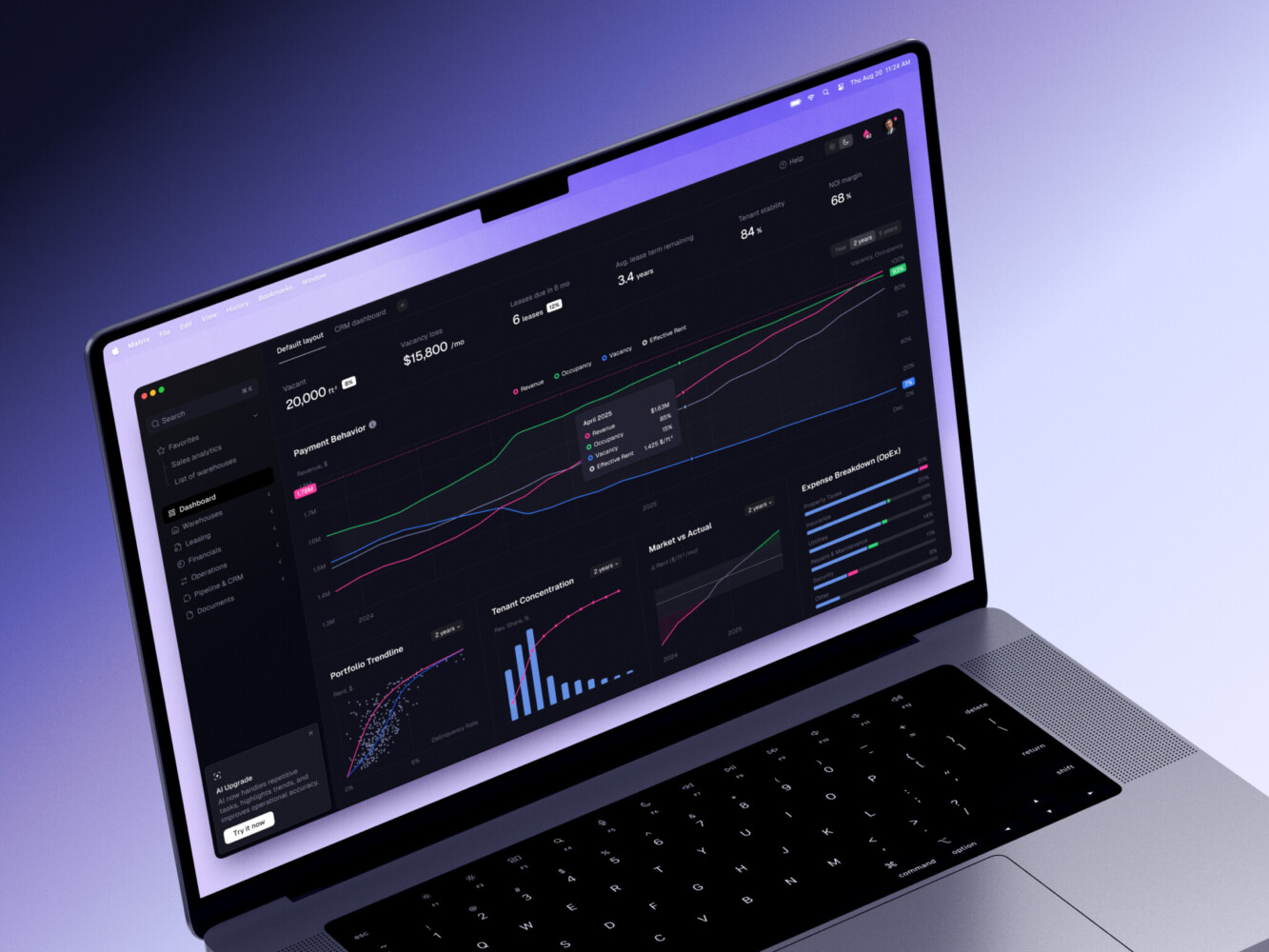
ERP dashboard by Shakuro
Node.js vs Python Performance and Speed
The Node.js vs Python performance debate can get loud. Some developers love benchmarks. Some founders look at those benchmark charts and quietly regret asking.
Node.js has a strong story around non-blocking I/O and low-latency network behavior. The official Node.js docs point out that HTTP is a first-class citizen and that the runtime is designed with streaming and low latency in mind. This is a real advantage for web apps that wait a lot for network calls, databases, or external APIs.
Python has a different profile. Vanilla Python can be slower for CPU-heavy work, but the ecosystem is broad, mature, and practical. Python also has asyncio for concurrent code, and many modern Python web frameworks use async patterns where they make sense. FastAPI, for example, is built around them. Plus for data and AI workloads, Python is often where the strongest libraries and talent reside.
So, what about Node.js vs Python speed? Well, speed of what?
- Speed of raw execution? Node.js may often look better in many web-style scenarios.
- Speed of building a data-heavy MVP? Python may win because the libraries are already there.
- Speed of hiring a compact full-stack team? Node.js can be convenient if the frontend is already TypeScript-heavy.
- Speed of debugging business logic six months later? Python can feel calmer, honestly.
The boring but useful advice is this: benchmark the actual product flow. Not a toy endpoint. Not a “hello world” comparison. Test the slowest user journey, the busiest API path, the biggest data import, and the background jobs that run when nobody is watching. That is where the truth usually sits.
MVP Development: Which Stack Helps Founders Move Faster?
For an MVP, founders usually care about three things: shipping quickly, learning from users, and not creating a technical mess that becomes expensive right after launch. A little mess is normal. A lot of mess is where the budget starts making sad noises.
Node.js can speed up MVP work when the product is already frontend-heavy. A JavaScript or TypeScript team can move across the stack more easily, reuse validation logic, share tooling, and reduce context switching. For apps with real-time updates, API-heavy interfaces, or a modern single-page frontend, this is appealing.
Python can speed up MVP work when the core value sits in the backend logic. If the app needs recommendations, reporting, document processing, internal automation, integrations, or early AI features, Python gives the team a lot of ready-made tools. Django and FastAPI, for example, can both be very productive, though they suit different styles of work.
I would not choose based only on “which one gets us to demo day faster.” Demo day is one day. Maintenance is every day after that.
When comparing Node.js vs Python, ask a few grounded questions:
- Will the product depend on real-time user interactions?
- Will it need AI, analytics, or data processing soon?
- Is the team stronger in JavaScript/TypeScript or Python?
- Will the backend mostly serve APIs, or will it handle complex workflows?
- What parts of the product are likely to change every week?
Those answers usually point in a clearer direction than a generic python vs node js comparison ever could.
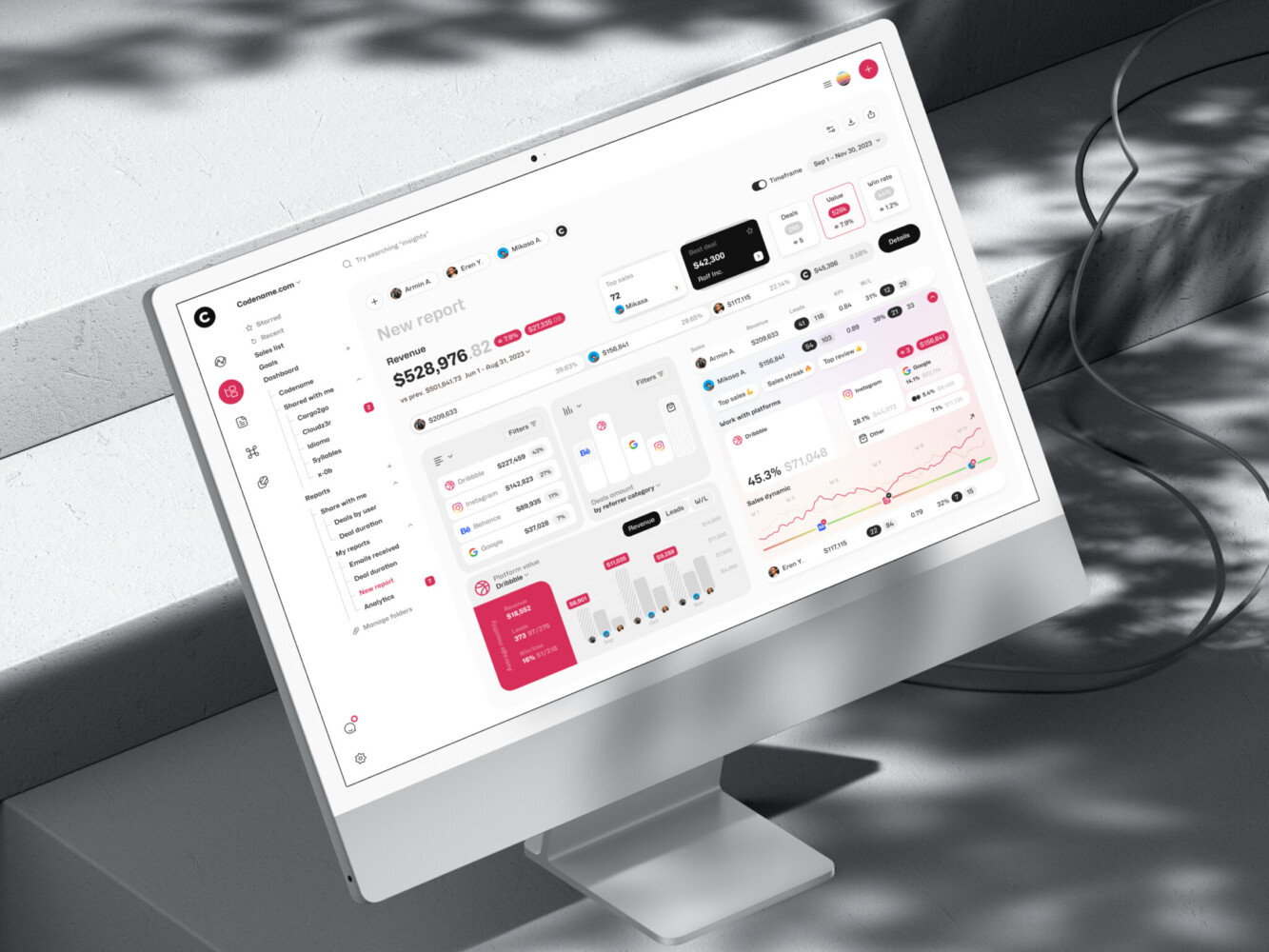
Marketing analytics dashboard by Shakuro
Scalability, Architecture, and Maintenance
Scalability is one of those words that gets thrown around too early. Every founder wants a scalable product, naturally. But at the MVP stage, the bigger danger is often not millions of users. It is unclear architecture, missing observability, poor database choices, or features stitched together without a plan.
Node.js and Python can both scale. They just need the right system design around them.
For Node.js, you may need to think carefully about background work, CPU-heavy tasks, clustering, queues, WebSocket management, and how services behave under many concurrent connections. Node.js is great at handling I/O-heavy work, but you do not want a long-running CPU task blocking the party.
For Python, you may need to plan async behavior, worker queues, caching, database optimization, and deployment patterns. Python is often pleasant to build with, but you still need to separate web requests from heavy jobs. A report generator, AI model call, or file-processing task should not freeze the user-facing app.
Shakuro’s custom web development process, for example, covers discovery, planning, UI/UX, frontend, backend, testing, launch, maintenance, and scaling. That full-cycle view matters because the backend language is only one piece. You also need databases, APIs, CI/CD, monitoring, security checks, and a team that knows how to keep the thing alive after release.
And one more point in the Python vs Node.js comparison: architecture should match the next 12 to 18 months, not some imaginary giant version of the company. Overengineering is expensive. Underengineering is also expensive. The trick is to leave room to grow without building a cathedral for a shed.
Hiring: Node.js developer vs Python developer
Hiring is where technology decisions get very real. A stack can look perfect on paper, but if you cannot find people to build and maintain it, the plan gets shaky fast.
A Node.js developer can be a great fit for JavaScript-first products, especially when the frontend is built with React, Next.js, or another modern framework. In smaller teams, a developer who can move between frontend and backend can save time. That does not mean every frontend developer should casually own the backend. Please do not do that to them. But a shared language can make collaboration smoother.
Python developers are often strong candidates for backend systems, automation, data processing, AI features, and complex internal workflows. If your roadmap includes reporting, analytics, machine learning, or many integrations, Python talent may fit naturally.
Salary and availability matter, sure. But the better question is: what kind of thinking does the product require? Real-time systems need a different mindset from data pipelines. Payment-heavy platforms need a different kind of caution than a lightweight content app. Pick the stack that helps you hire for the work you actually have.
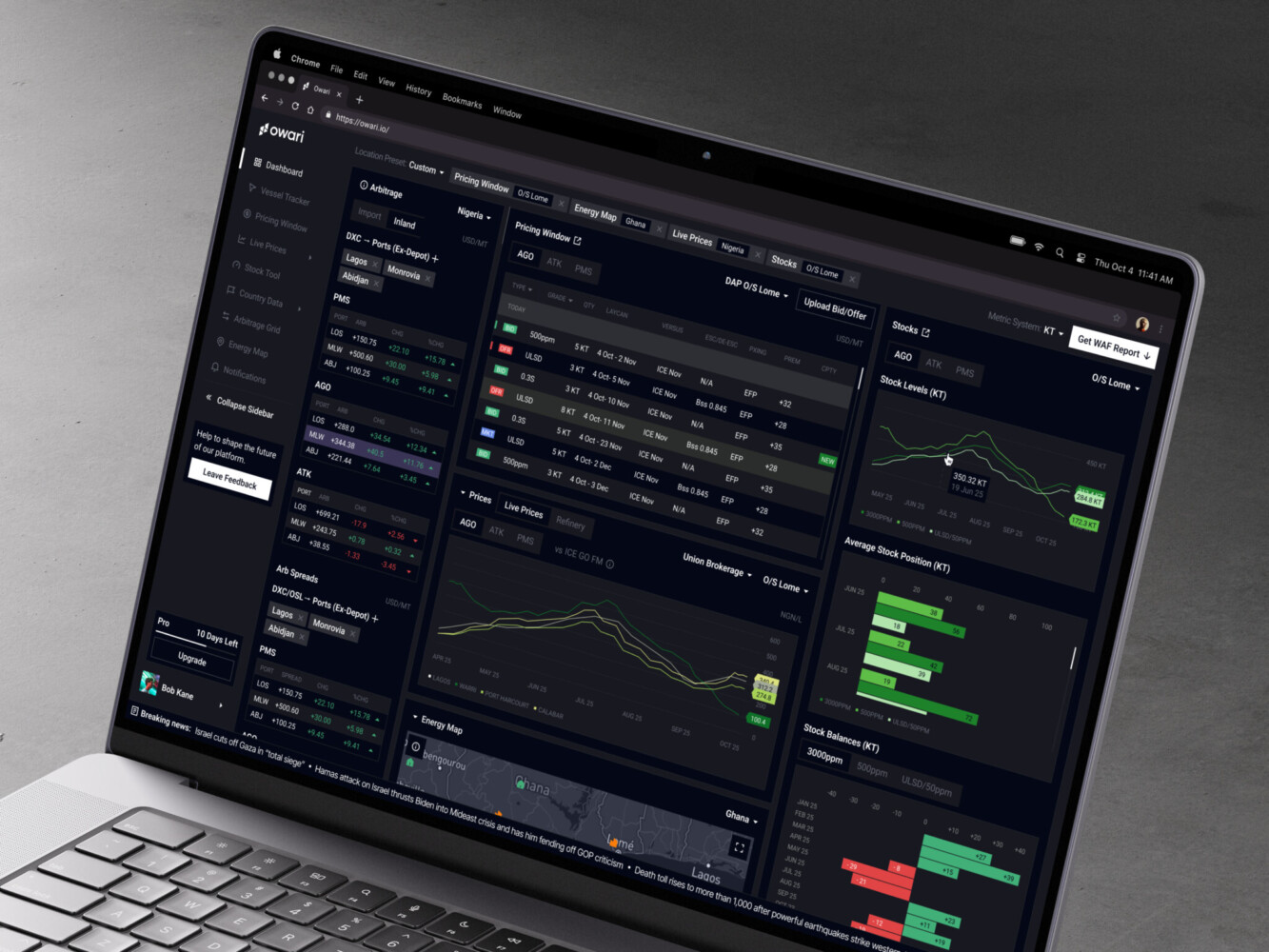
Owari dashboard by Shakuro
Node.js vs Python: Cost Comparison
The cost difference between Node.js and Python is rarely just about hourly rates. It is about how quickly the team can build the first version, how often they need to rewrite parts, how expensive infrastructure becomes, and whether future developers can understand the code without needing three cups of coffee and a map.
For a simple MVP, either stack can be cost-effective. Node.js may be cheaper when one JavaScript-oriented team can cover most of the product. Python may be cheaper when backend logic, data handling, or AI integrations are central from the start.
For a growth-stage product, costs depend more on architecture than language. You will pay for better testing, monitoring, database optimization, security hardening, API design, and sometimes a cleaner admin system. It is a little annoying, but this is the phase where earlier shortcuts send invoices.
For enterprise-grade platforms, the stack choice is only one cost driver among many. Compliance, permissions, audit logs, uptime, load testing, documentation, integrations, and support processes can easily matter more than whether the backend is Node.js or Python.
So yes, compare rates. But also compare risk.
When You Should Choose Node.js
Choose Node.js when your product is mostly about fast user interaction and constant communication between client and server.
Good fit for:
- Real-time chat and messaging tools
- Collaboration tools
- Live dashboards
- Streaming or event-based interfaces
- Marketplaces with frequent status updates
- JavaScript-heavy SaaS products
- Products with one TypeScript team owning a lot of the stack
Node.js also makes sense if you already have a good frontend team, and want to close the gap between interface logic and API logic. That can be especially handy in early-stage teams where everyone is doing a bit of everything.
But watch out for CPU intensive tasks. If your application needs to do video processing, heavy data analysis, or long calculations, you may need to use workers, separate services, or a different language to do those things.
When You Should Choose Python
Select the Python programming language when the product is reliant on backend complexity, data, automation, or AI readiness.
It is a strong fit for:
- AI-enabled SaaS products
- Analytics platforms
- Admin-heavy business systems
- Fintech and healthcare workflows
- Document processing tools
- Internal automation platforms
- API platforms with complex business logic
- Data pipelines and integrations
The nice thing about Python is that it can make complicated logic feel a little less hostile. Not easy, exactly. Software is still software. But when you are modeling permissions, billing rules, user states, analytics events, and third-party API failures, clarity really helps.
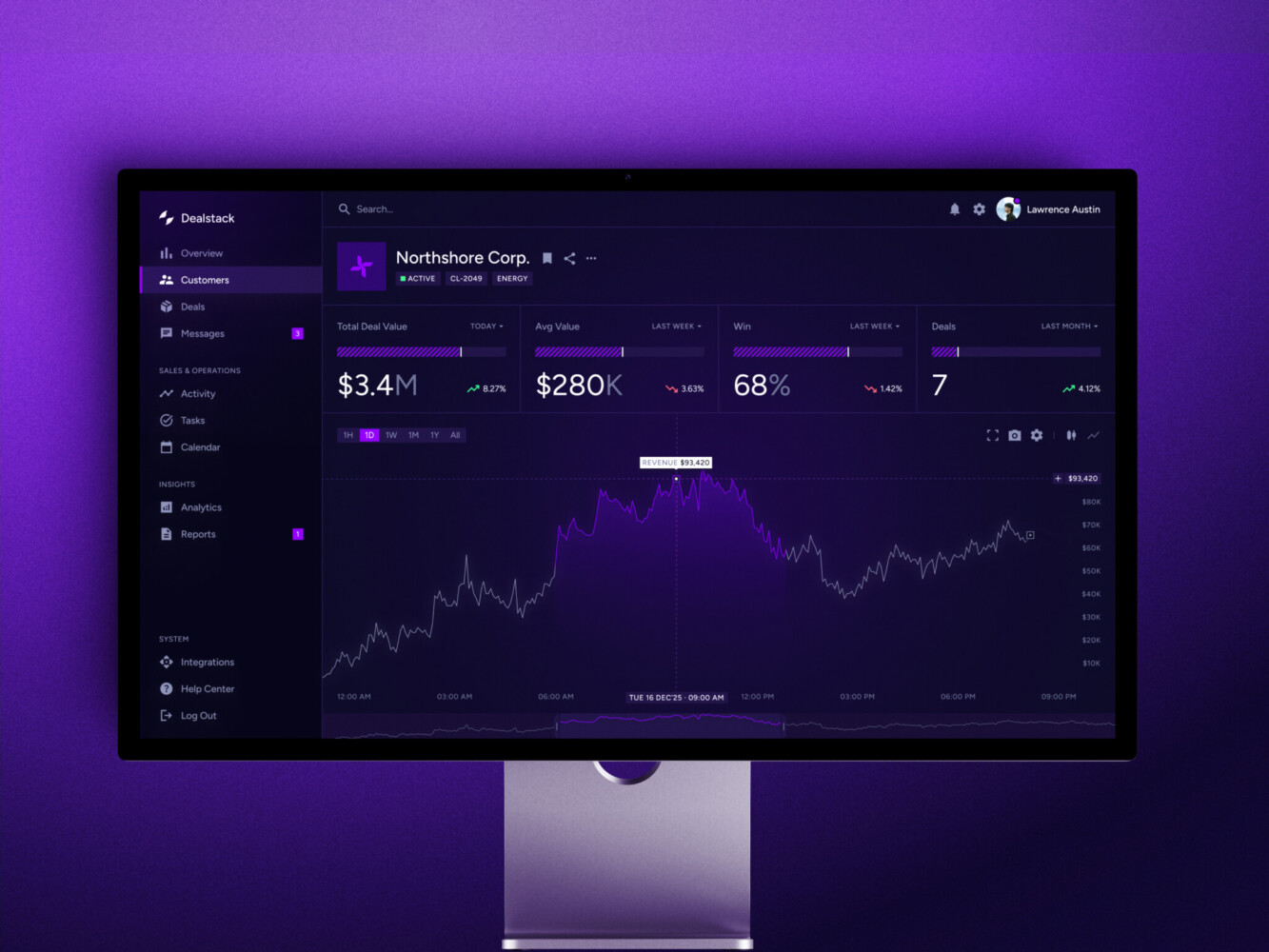
Sales Analytics Dashboard by Shakuro
Our Experience in Node.js and Python app development
Stack decisions are easier to understand when you look at actual products, not just abstract technology lists.
The CGMA project is a good example. CG Master Academy needed a virtual classroom platform that could support students, instructors, and admins. The old CMS had become hard to extend, and the product needed a stronger foundation. Shakuro redesigned and developed a platform with separate portals, data migration, Discord and Zoom integrations, video management, payment flows, automation, support tooling, and ongoing maintenance.
Proko is another helpful case. It started as an art education platform that had outgrown WordPress and needed a more scalable, community-oriented product. Shakuro worked on a platform with social features, gamification, analytics, search, course management, cloud infrastructure, and a better user experience. Python here was our primary stack, as we needed scalability and AI features.
That kind of product sits right in the founder dilemma. It needs a friendly frontend, a reliable backend, community mechanics, content systems, and data visibility. In a product like that, the winning stack is the one that supports the roadmap without turning every new feature into a small expedition.

Website Design Concept for Proko by Shakuro
Final Recommendation: Node.js vs Python is a Product Decision
If your product is real-time, JavaScript-first, and interaction-heavy, Node.js is probably the better starting point. It works for live user experiences, high-concurrency APIs, small full-stack teams.
If your product is data-rich, AI-ready, admin-heavy, or built around complex backend workflows, Python is probably the saner choice. You get robust libraries, readable code, and ample room for automation and analytics.
But honestly, the best answer to the Python vs Node.js comparison may also be both. Many mature products use different tools for different jobs. A Node.js API gateway can sit beside Python services for analytics or AI. A Python backend can serve a React frontend beautifully. The stack does not need to become a religion.
Before committing the MVP budget, talk through the roadmap with a technical team. What must be real-time? What must be secure? What data will grow fastest? What will users do every day? What might investors ask for six months from now?
Ready to discuss your future Python project? Drop us a message with your initial idea.
FAQ
Is Node.js Faster Than Python for Web Apps?
Often, Node.js can be faster for I/O-heavy web apps, real-time updates, and low-latency network behavior. But “faster” depends on the workload. Python can still perform very well with the right framework, architecture, caching, database design, and async setup.
Is Python Better Than Node.js for Backend Development?
Python is often better for data-heavy backends, AI features, analytics, automation, and complex business logic. Node.js is often better for real-time applications and JavaScript-first teams. So the honest answer is: better for what?
Can I Use Node.js and Python Together?
Yes. Many teams do this. For example, Node.js can handle real-time APIs while Python handles analytics, machine learning, reporting, or internal automation. It adds system complexity, so do it for a reason, not because it sounds fancy.
Which is Better for SaaS MVP Development?
For a SaaS MVP with live collaboration, chat, or frequent interface updates, Node.js may be a better fit. For a SaaS MVP with data workflows, reporting, AI, admin logic, or many integrations, Python may be the better choice.
Should I Choose Based on Performance or Hiring?
Choose based on product fit first, then validate hiring and performance. A fast runtime will not help much if the team cannot maintain the product. And a popular hiring market will not save an architecture that does not match the app.
Related reading