For those who prefer to listen rather than read, this article is also available as a podcast on Spotify.
Web3 gets thrown around a lot, usually in conversations about blockchains and crypto. But from a mobile development perspective, it’s less about hype and more about architecture. Traditional mobile apps rely on centralized infrastructure—company-owned servers, controlled databases, predictable backend logic. Web3 starts chipping away at that model by moving parts of the system onto decentralized networks.
In a normal mobile product, the boundaries are clear. You create an account, your data lives on the company’s servers, and anything you buy or unlock stays inside that ecosystem. Web3 loosens those boundaries. Instead of accounts, users might connect wallets. Instead of platform-owned assets, they hold them directly. That changes how ownership works, and by extension, how users relate to the product.
For teams involved in Web3 mobile app development, this creates a strange push and pull. Some ideas suddenly become possible—portable digital assets, shared economies, fewer intermediaries. At the same time, many familiar assumptions stop working. Onboarding gets clunkier. UX becomes harder to smooth out. Legal clarity depends heavily on geography. And because mobile apps are where real users interact with all of this, they absorb most of the friction.
Web3: The Decentralized Internet
On the technical side, Web3 doesn’t replace everything. It swaps certain backend layers for distributed ones. Instead of relying entirely on private infrastructure, apps may talk to blockchains, decentralized storage, or smart contracts. Sometimes logic that used to sit quietly on a backend becomes visible and immutable once it moves on-chain.
That shift bleeds directly into mobile UX. Signing in can mean connecting a wallet instead of setting a password. Payments don’t always go through the usual rails. Digital items aren’t necessarily tied to one app anymore—they can exist outside it and still be recognized elsewhere. These aren’t just technical tweaks; they change how mobile products feel and behave.
What doesn’t change is the responsibility on the mobile side. If anything, it increases. The app becomes the place where users approve transactions, expose keys, and make decisions they can’t undo. There’s very little room for ambiguity in those flows. That’s why teams experimenting with Web3 usually revisit mobile app security early on, especially around wallet interactions and transaction UX.
In reality, most mobile products won’t become fully decentralized any time soon. What’s more common is a hybrid approach. Some features stay traditional. Others borrow Web3 mechanics where they actually add value. The real shift isn’t a clean break—it’s a slow redraw of where control lives inside a mobile product.
How Web3 Changes the Way Mobile Apps Are Developed
Once Web3 moves from theory into a real project, the shift is mostly technical. Not in the UI—users may not notice much at first—but in how the app is built underneath. You’re no longer dealing with a fully closed system where every layer belongs to you.
In a traditional mobile stack, control is simple. You own the backend, define the data model, deploy updates when needed. With Web3, that control becomes partial. Some logic may live on public networks. Some data can’t be edited later. Some behavior depends on infrastructure you don’t operate.
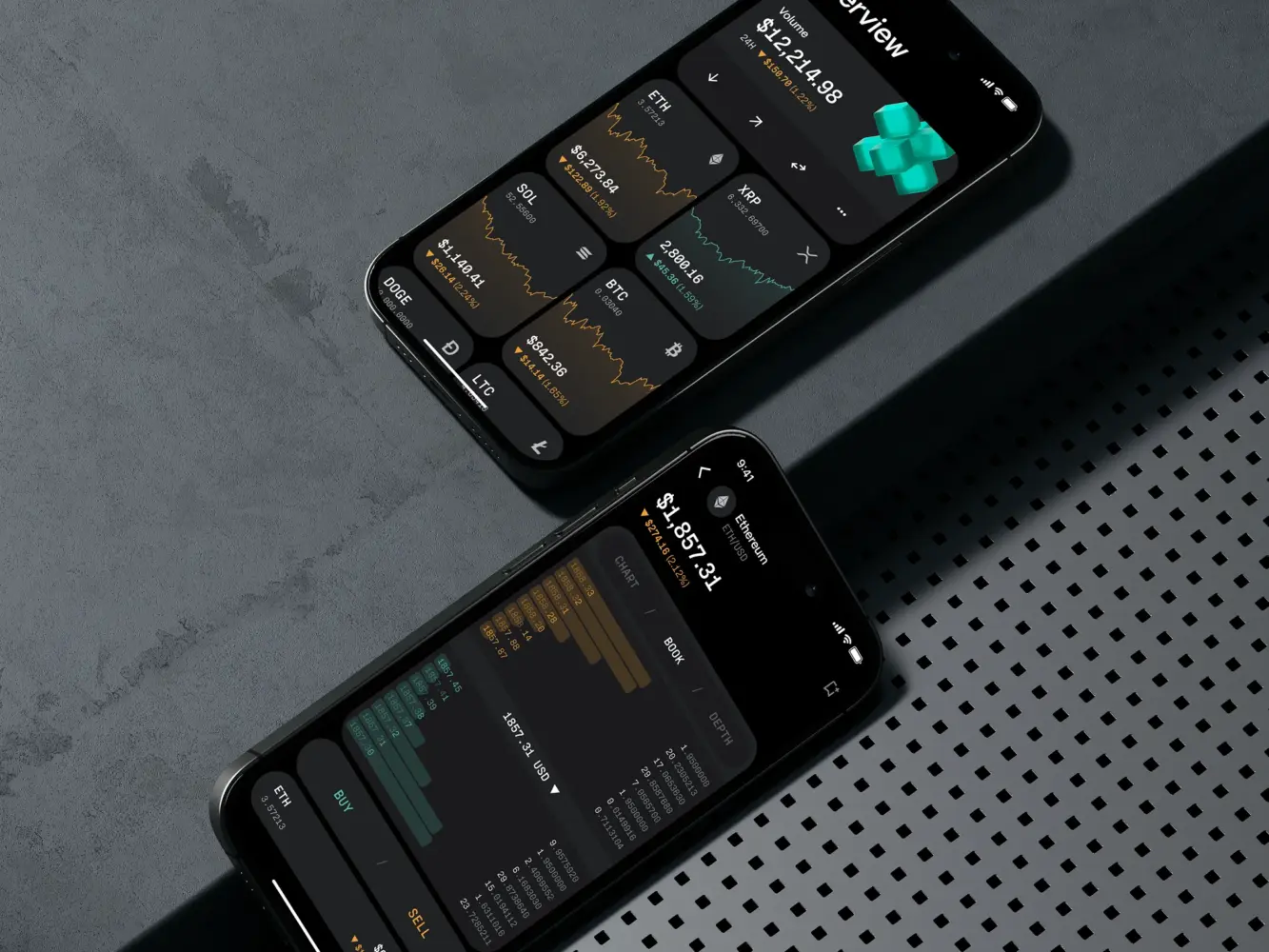
Crypto Trading Mobile App by Shakuro
That alone changes how teams plan architecture. Decisions feel heavier. If something ends up on-chain, it’s not something you casually patch later. The margin for “we’ll fix it in the next release” gets smaller.
It also adds extra layers to what used to be a straightforward stack. Instead of talking only to your backend, the app may interact with wallets, RPC providers, indexing services. Each of those introduces its own quirks—latency, sync delays, occasional inconsistencies. On mobile, where users expect instant feedback, that difference is noticeable.
dApps: Decentralized Apps for the Future
Decentralized apps (dApps) is one of those terms that sounds bigger than it is. In practice, it just describes apps where blockchain logic is part of the core behavior. Not necessarily everything, just enough that removing it would change how the product works.
The real distinction is where authority sits. In a regular mobile app, the backend is the source of truth. In a dApp, some of that authority moves outside the product—into smart contracts or public ledgers.
From the mobile side, that creates a slightly unusual role. The interface still looks familiar, but it’s no longer the ultimate controller. It becomes more of a gateway. It reads external state, asks users to approve actions, reflects results that aren’t generated by the app itself.
In reality, most mobile products don’t go fully decentralized. Pure dApps exist, but many teams settle somewhere in between. They keep traditional infrastructure for performance, then push certain features—ownership, settlement, verification—onto blockchain rails. It’s usually a practical decision, not an ideological one.
Smart Contracts and Blockchain Integration
Smart contracts are where Web3 becomes tangible. At a basic level, they’re programs deployed on a blockchain. The difference is how they behave. Once live, they don’t quietly evolve the way backend services do. They execute as written, and everyone interacts with the same logic.
For mobile apps, that changes how certain features are designed. Instead of relying entirely on backend enforcement, you can encode rules directly into contracts. Transfers, unlock conditions, revenue splits—things that would normally live in private logic can move into shared infrastructure.
But integrating contracts into a mobile app is rarely just a technical call. There’s a lot of UX around it. Wallet connections, signing prompts, waiting for confirmations, explaining failures. These details shape how the product feels far more than the contract code itself.
There’s also a constant trade-off in what goes on-chain. Some actions are too frequent or too costly to live there. Others don’t need that level of transparency. So most teams split responsibilities. Fast interactions stay off-chain, while key checkpoints get recorded on-chain.
From a Web3 mobile app development perspective, the mindset shifts a bit. You’re not building everything from scratch anymore. You’re building around systems that already exist and don’t bend easily. And mobile apps are usually where those constraints stop being abstract and start affecting real users.
Opportunities of Web3 Integration in Mobile Apps
Once you move past architecture, the real question is simple: what actually changes for the product? Not in theory, but in what users feel and what teams can realistically build.
Some shifts are obvious — payments, ownership, finance tools. Others are more subtle. When users actually own something, even if it’s digital, their behavior changes. You see it in marketplaces, in retention, in how communities form around products.
Not every app needs Web3. In plenty of cases it just adds friction. But in the right contexts—finance, trading, digital goods—it enables things that were awkward or impossible before.
1. Increased Security and Trust for Users
The trust angle gets oversold, but there is a real kernel there. When actions are written to a public ledger, rewriting them quietly becomes much harder. That shifts the baseline.
In a normal mobile app, trust is mostly about the brand. You believe the platform won’t alter balances or ownership behind the scenes. With blockchain involved, part of that trust moves into the infrastructure. If ownership exists on-chain, users aren’t relying entirely on what the app says.
That said, it’s not a universal upgrade in safety. Some risks shrink, others grow. There’s less room for silent manipulation, but more responsibility on the user side. Wallet hygiene, signing awareness, basic operational safety—those start to matter more. So whether trust actually improves depends a lot on how the product handles those edges.
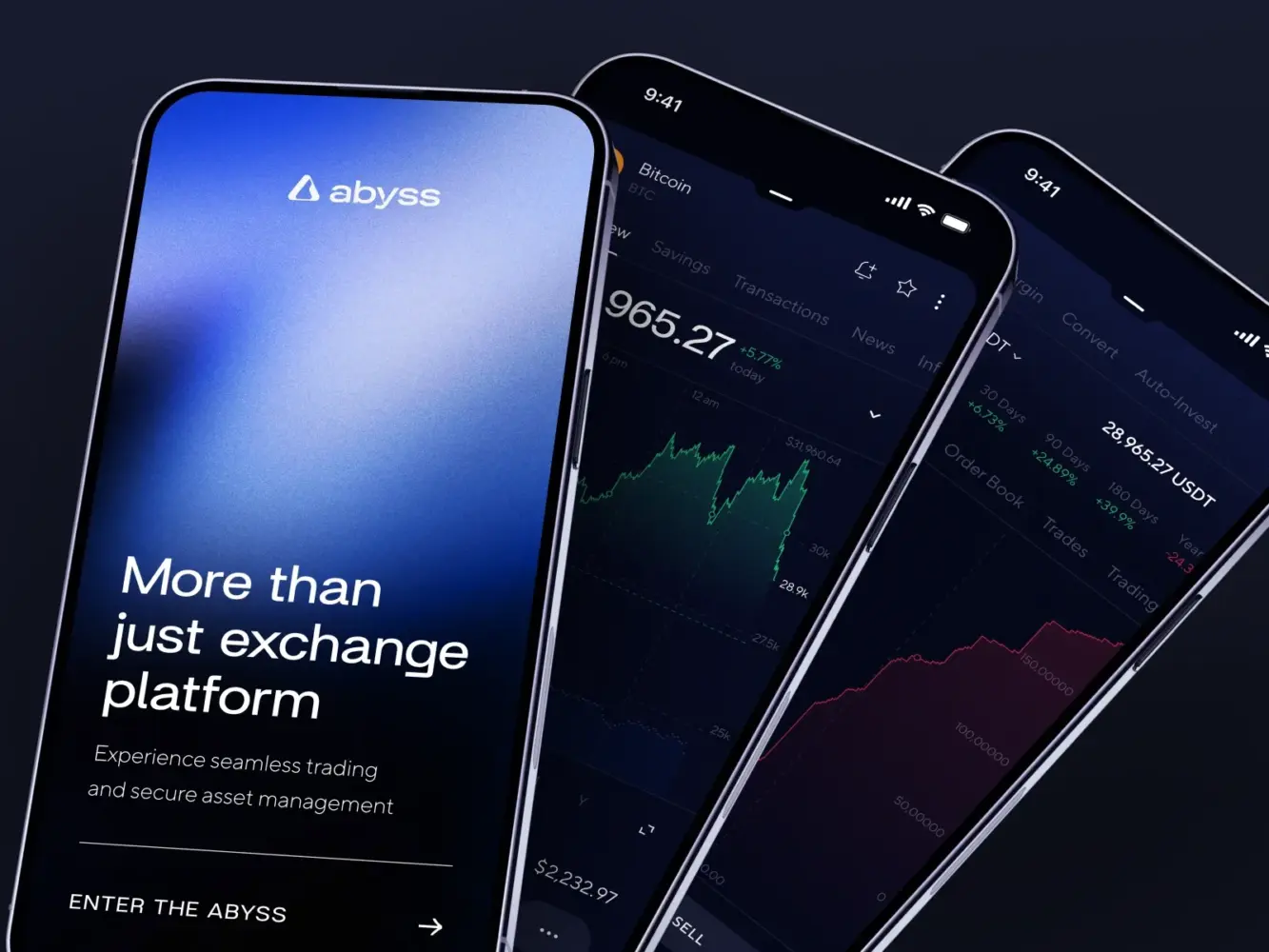
Crypto Finance App UI/UX Design by Shakuro
2. Monetization through Crypto and NFTs
This is usually the first practical hook. Web3 doesn’t just add new payment options—it changes what can be owned and moved around.
Crypto payments are the most straightforward case. They simplify cross-border transactions and remove a few layers of intermediaries. For products with global users, that alone can make them appealing.
NFTs were the noisy part of the cycle, but underneath the hype is a simple idea: digital ownership that isn’t locked inside one platform. In areas like collectibles, in-game items, or digital goods, that shifts how users think about value and resale.
Of course, forcing tokens into products rarely lands well. Users pick up on artificial monetization fast. The stronger cases tend to be the obvious ones — places where trading or ownership already exist. Teams building in that space often run into the same questions as in mobile e-commerce app development, especially around asset ownership and transaction flows.
3. Decentralized Finance (DeFi) and Its Role in Mobile Apps
If Web3 has a native territory, it’s finance. DeFi expanded quickly because it tackled very specific intermediaries—exchanges, lenders, settlement layers—and replaced them with open protocols. The build side of that story is covered in our DeFi platform development guide.
Mobile apps became the entry point almost automatically. Most people don’t interact with raw protocols. They use wallets and mobile interfaces that make complex systems feel manageable.
That creates an odd balance. Mobile lowers the barrier, but it also compresses risk into small screens and simple gestures. Slippage, liquidation thresholds, network fees—none of these were designed with mobile UX in mind.
Even so, the influence is spreading beyond crypto-native products. Some fintech apps are experimenting with tokenized assets or hybrid custody models. A lot of it is still rough around the edges, but it’s already shaping how teams think about financial services on mobile—especially in markets where traditional infrastructure has gaps.
Challenges of Integrating Web3 into Mobile Apps
For all the upside, integrating Web3 into mobile apps is rarely smooth in practice. The idea sounds clean until you start building. Then the rough edges show up—technical, behavioral, legal.
Some of this will improve over time. Tooling is still young, patterns are still forming. But some friction feels more structural. Mobile apps sit right where complex infrastructure meets impatient users, so every weak spot becomes visible fast.
1. Complexity of Blockchain Integration
On slides, blockchain integration looks simple. Connect a wallet, call a contract, done. In reality, the challenges of Web3 in mobile apps make the process more chaotic.
You’re dealing with systems that don’t behave like normal backends. Transactions aren’t instant. Network conditions vary. Errors don’t always come back in clean, predictable formats. Even basic UI states — loading, retry, success—get harder to define.
Then there’s the hybrid nature of most real apps. Very few teams can push everything on-chain, so you end up splitting logic. Part of the system runs on traditional infrastructure, part on decentralized networks. Keeping that boundary understandable—both in code and in UX—is not trivial.
And it all lands on mobile, where patience is thin. If something takes too long or feels unclear, people don’t analyze it—they just leave.
2. User Adoption and Education
Adoption is another friction layer. Outside crypto circles, most users still aren’t familiar with Web3 patterns. Wallets, seed phrases, signing prompts—none of this is obvious if you haven’t encountered it before.
So onboarding becomes heavier by default. You’re not just introducing a feature, you’re introducing a different way of interacting with software. Users need to understand what they’re connecting, what they’re approving, and what responsibility shifts to them.
The tricky part is that education can’t feel like education. Long explanations don’t work in mobile flows. It has to be baked into the experience—small cues, safer defaults, guardrails where possible. Teams that skip this usually feel it in drop-offs.
There’s also perception baggage. The crypto cycles left a mixed aftertaste. Even solid products can run into hesitation if users associate Web3 with speculation or scams. That hesitation shows up quietly but consistently.
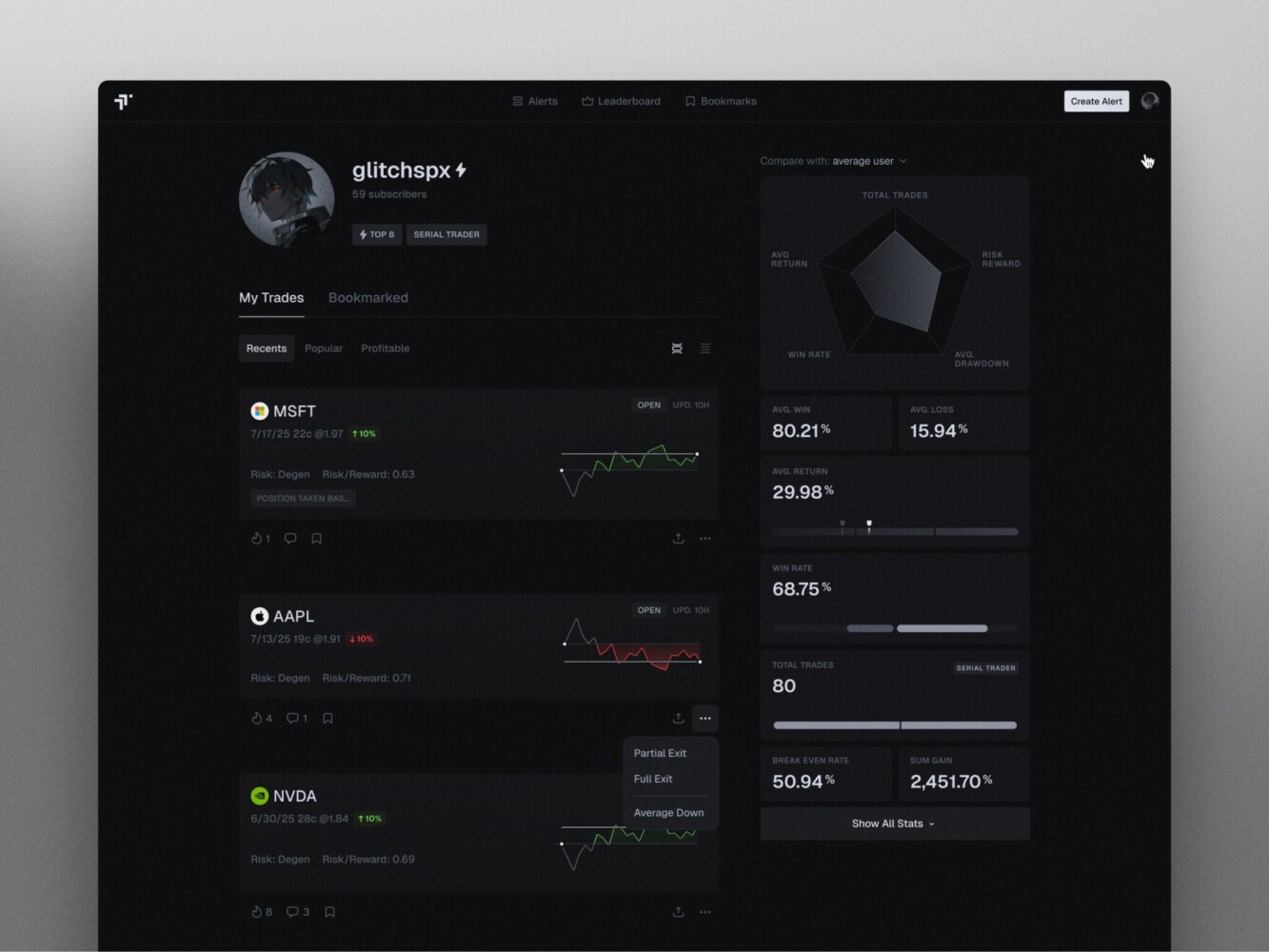
TraderTale: Social Platform for Traders by Shakuro
3. Regulatory and Legal Barriers
Then there’s regulation, which is still uneven and moving. Rules differ not just by country but by category, and they change faster than most product roadmaps.
Finance-related apps hit this first. Questions around custody, token classification, compliance—they come up early and don’t have universal answers. A feature that works fine in one region might be restricted in another.
Other verticals have their own versions of this. Marketplaces run into taxation and asset classification questions. Healthcare touches data governance concerns. Even gaming bumps into platform policies when tokens or external payments are involved.
For mobile teams, this creates a constant layer of uncertainty. You’re building inside app store rules, local regulations, and interpretations that can shift mid-cycle. It doesn’t make Web3 impossible, but it slows things down and forces more careful decisions.
In the end, it’s rarely one big blocker. It’s accumulation. A bit of technical friction, some onboarding drag, a layer of legal ambiguity. Together, they make Web3 features harder to execute well than they might look from the outside.
Key Web3 Features to Integrate Into Your Mobile App
If a team decides to explore Web3, the practical question becomes: where do you even start? Trying to rebuild the whole product around it is usually a mistake. Most teams that stick with it take a narrower route—adding specific capabilities and seeing how they behave in the wild. Our notes on building a blockchain app go through that same question step by step.
Some features act more like foundations. Identity is one. Payments are another. Ownership layers tend to ripple into everything else. Starting with these kinds of building blocks makes integrating Web3 into mobile apps less chaotic and easier to roll back if needed.
Decentralized Identity (DID) and Authentication
Identity is one of the less flashy parts of Web3, but it’s where the shift is easiest to feel. Instead of accounts being fully platform-owned, decentralized identity pushes control closer to the user. In simple terms, the user holds the credentials and decides how they’re used.
On mobile, this often translates into wallet-based login or DID layers on top of existing auth systems. Instead of creating yet another account, users connect something they already have. In ecosystems with multiple services, that can remove a surprising amount of friction.
There’s also a data angle. If identity lives closer to the user, the app doesn’t always need to store as much personal information. Some verification can happen without copying everything into a central database. For privacy-sensitive products, that’s attractive, even if the tooling is still uneven.
But this isn’t a drop-in replacement for email/password flows. Recovery is harder. Device changes are harder. UX gets trickier the moment something goes wrong. On mobile especially, losing access to identity feels very different from resetting a password, so those edge cases need real attention. It’s the same reason crypto wallet development puts so much effort into key backup and recovery flows.
Tokenization and Payments via Cryptocurrency
Payments are usually the most straightforward place to experiment. Not because crypto is universally better, but because the trade-offs are easier to understand.
For apps with global users, crypto can simplify cross-border transactions and reduce reliance on fragmented payment systems. That’s why it tends to show up first in products that already deal with distributed audiences or digital goods.
Tokenization goes a bit further. Instead of just accepting payments, the product introduces its own units of value—tokens tied to access, rewards, or ownership. In some cases that supports marketplaces. In others, it becomes more of an incentive layer.
The tricky part is making it feel natural. Users can tell when tokens are bolted on just because Web3 is trendy. The better implementations usually tie tokens directly to something the product already does well.
And like most things here, payments don’t live in a vacuum. Teams often evaluate them alongside other evolving layers — automation, personalization, smarter UX decisions. Some of the trade-offs start to overlap with the principles of AI-driven mobile app development, especially when thinking about adaptive flows or more context-aware transactions.
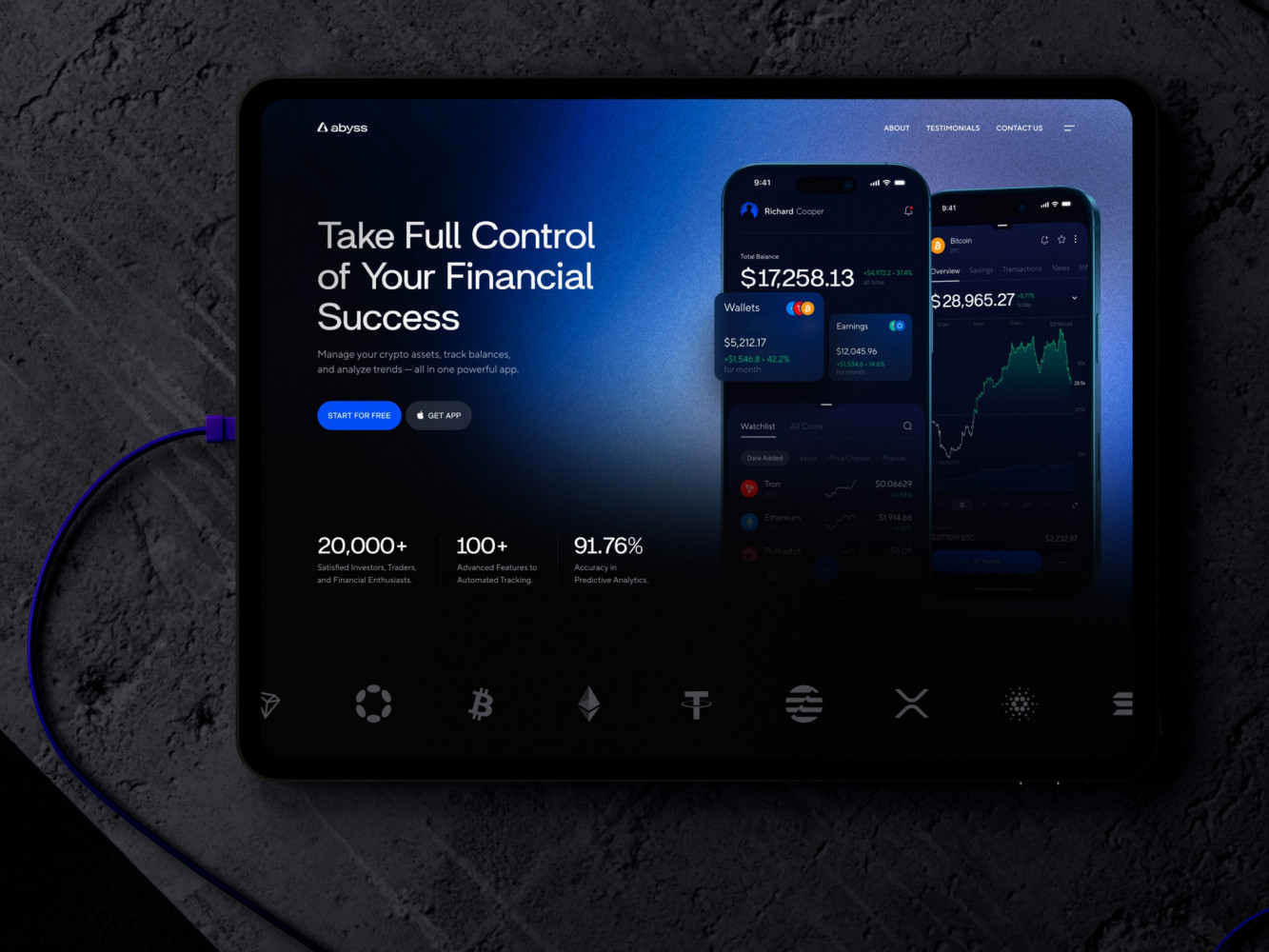
Landing Page Design for Crypto Exchange Platform by Shakuro
The Business Impact of Web3 and Mobile Apps
If you step away from the tech for a moment, the real question is blunt: does this actually change business results? Interesting architecture doesn’t matter much if retention and revenue stay flat.
Web3 doesn’t automatically improve those things. In some products it honestly makes them worse. But in the right spots, it changes how people relate to the product—and that tends to show up slowly, not in the first release.
A lot of it comes back to ownership. When users feel like something is theirs, even in a loose digital sense, they behave differently. It’s not dramatic, but the shift is noticeable over time.
Enhanced User Engagement and Retention with Web3 Features
You see this most clearly in engagement patterns. Tokens, collectibles, on-chain progress—they create a kind of persistence that regular mobile features don’t always have.
In most apps, progress is disposable. Stop using the product and it all just sits there. With ownership-based mechanics, things feel a bit less temporary. Even if users never move assets anywhere, the idea that they could change how they think about participation.
Tokens and collectibles also change the feedback loop slightly. Instead of just unlocking functionality, people accumulate something. That move from pure usage to accumulation sounds small, but it can deepen attachment, especially in products with social gravity.
Smart contracts influence this more quietly. They don’t create engagement by themselves, but they affect how systems feel. If reward logic or distribution rules are visible and consistent, people tend to perceive them as more fair. That matters in ecosystems where users invest real time or money.
That said, none of this rescues a weak product. If the core experience isn’t good, adding Web3 layers won’t fix it. But if the base is solid, ownership mechanics can reinforce retention in ways that traditional gamification sometimes struggles with.
New Revenue Models: Subscriptions, NFTs, and Tokens
On the monetization side, Web3 mostly stretches existing models rather than replacing them. Subscriptions don’t disappear. Neither do purchases or ads. What changes is how flexible the structure becomes.
NFT-style ownership is one obvious example. Instead of paying purely for access, users can buy assets that exist beyond the app. In some cases, that creates secondary markets or longer lifespans for digital goods.
Tokens open other directions. They can function as internal currencies, access layers, coordination tools—depends heavily on the product. Some teams use them for tiers. Others tie them to participation or rewards. There’s no single pattern yet.
What does change is how value flows. Traditional mobile monetization is pretty linear: users pay, platforms collect. Web3 sometimes bends that line. Users might earn, hold, or trade something that doesn’t vanish the moment they stop using the app.
A lot of experiments here won’t age well. That’s already happening. But the bigger shift isn’t about any one winning model. It’s that the boundaries moved. Teams now have more room to experiment—which usually means more failures, but occasionally something genuinely new.
And like most changes in mobile, the real impact won’t come from one feature. It comes from combinations that feel natural inside a product, not bolted on for novelty.
How Shakuro Can Help You Integrate Web3 into Your Mobile App
Connecting Web3 and mobile apps often looks straightforward on paper. In practice, most of the complexity sits in the space between infrastructure and user experience. Wallet flows, ownership logic, hybrid stacks—none of it is especially exotic on its own, but combining it into something stable takes patience.
A lot of the real work happens in early decisions. What actually needs to be on-chain? What should stay flexible? How do you introduce unfamiliar mechanics without making the product feel fragile or overengineered?
That’s usually where prior experience shows. Teams that have already built in this space tend to move more selectively. Not trying to decentralize everything, just choosing the parts that hold up under real use.
Tailored Web3 Solutions for Your Business
There isn’t a single blueprint for Web3 products. A trading ecosystem, a collectibles platform, and a fintech app might share the same underlying tools while solving completely different problems.
So the starting point is rarely the technology itself. It’s the product logic. Where does decentralization actually help? Where does it quietly make things worse? Some features benefit from transparency or shared ownership. Others work better when they stay conventional.
In some products, Web3 becomes structural—ownership, verification, settlement. In others, it stays more contained, supporting specific flows without redefining everything around it. In practice, the more restrained approaches tend to age better.
Proven Success Stories in Web3 App Development
You can usually tell the real Web3 experience by looking at shipped products rather than positioning. Over time, Shakuro has worked with teams building in different corners of the space, each with its own constraints.

Premier Crypto Trading Ecosystem Design by Shakuro
Aurox is one example. It’s a crypto trading ecosystem made up of several moving parts—a trading terminal, wallet, DeFi layers, token mechanics. The core technology was already there. The challenge was coherence. As the ecosystem grew, it needed a clearer structure and a more consistent experience across touchpoints. The work focused on tightening the visual and product language so users could move through a fairly complex environment without constantly reorienting.
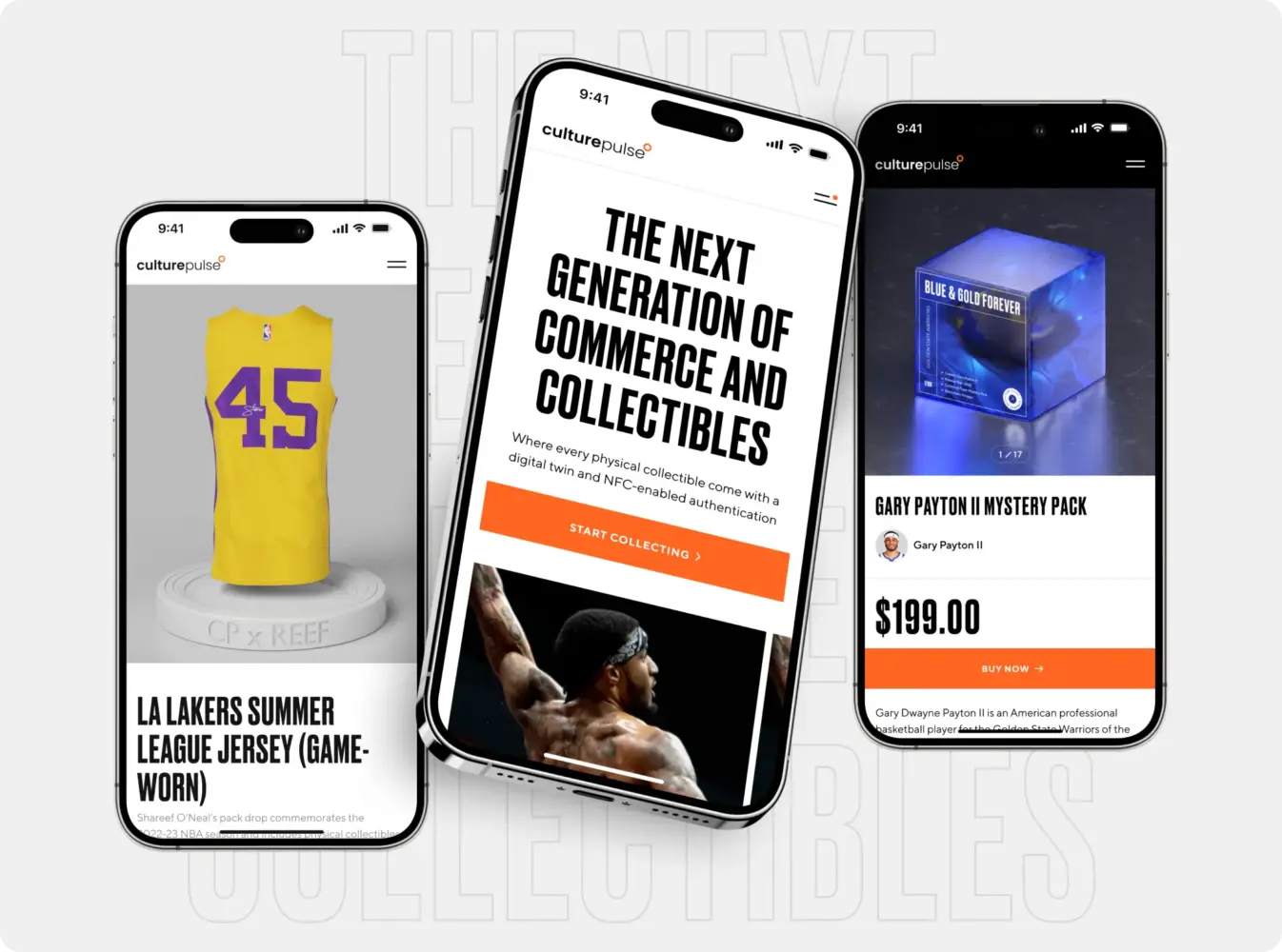
Revolutionary Web3-infused Technology and Collectibles Brand by Shakuro
Culture Pulse went in a different direction. The platform connects physical memorabilia with blockchain-backed ownership. Each collectible pairs a tangible item with a digital layer that confirms authenticity. Designing for that meant holding two ideas at once: the emotional pull of real-world artifacts and the infrastructure quietly validating them. The goal wasn’t to spotlight Web3, but to make the experience readable even if users didn’t care how the technology worked.
Projects like these don’t follow a single template, which is part of the reality here. Web3 products vary a lot in structure and maturity. The common thread is working in conditions where both the tools and the expectations are still shifting.
If Web3 is on your roadmap and you want to move past the exploratory phase, you can collaborate with Shakuro on your Web3 mobile app.
Related reading