AI-powered MVP development means building a minimum viable product where artificial intelligence carries the core value: it analyzes documents, automates support work, generates content, or scores leads, and users feel the product getting better because of it. Getting to a working demo is the easy part. Each next move tests something else: fundraising exposes gaps in strategy, paid acquisition exposes weak UX and tracking, and hiring developers exposes ownership issues, messy code, and missing product decisions.
Before scaling spend, most AI MVPs need the same fixes: a clear product promise, an obvious first valuable action, practical analytics, documented setup and deployment, known AI costs and failure points, and tighter security for the data users upload. An AI-built MVP audit shows which of them apply to your product.
This article is a checklist for founders preparing for fundraising, growth spend, or hiring. It covers fundraising readiness signals, paid acquisition checks, developer handoff, analytics gaps, data and security concerns, reliability of AI workflows, what to fix before scaling spend, and when outside help makes sense.
Key takeaways
- An AI-built MVP proving demand is useful, but it does not automatically mean the product is ready to scale.
- Fundraising, paid acquisition, and developer hiring each expose different weaknesses.
- Before fundraising, founders need a working demo, clear AI value, early validation, basic metrics, and a believable roadmap.
- Before paid acquisition, the MVP needs clear positioning, onboarding, conversion tracking, and a defined activation moment.
- Before hiring developers, the product needs clean enough handoff: setup docs, ownership, service access, known bugs, and technical decisions.
- Analytics gaps are dangerous because they make growth spend feel like guessing.
- Data privacy, permissions, and AI reliability should be checked early, especially for B2B products.
What AI-Powered MVP Development Really Means
It is not just “we used AI to build something faster.” That can be part of it, sure. But a serious AI MVP usually means artificial intelligence is tied to the product’s value. It may analyze documents, automate support work, generate content, score leads, summarize meetings, recommend actions, or help users make decisions faster.
The important bit is this: users should feel the product getting better because of AI, not just see a chatbot sitting in the corner.
This is also where expectations get messy. A founder may think, “We have demand, let’s raise.” An investor may ask, “What is defensible here?” A marketer may ask, “Can we send paid traffic to this?” A developer may open the repo and quietly wonder who made half these decisions at 2 a.m.
All of those reactions are fair. Slightly painful, but fair.
The first version is often good enough to prove interest but not good enough to support the next business move. That does not mean the MVP failed. It means it is doing its job. It showed you what to fix.
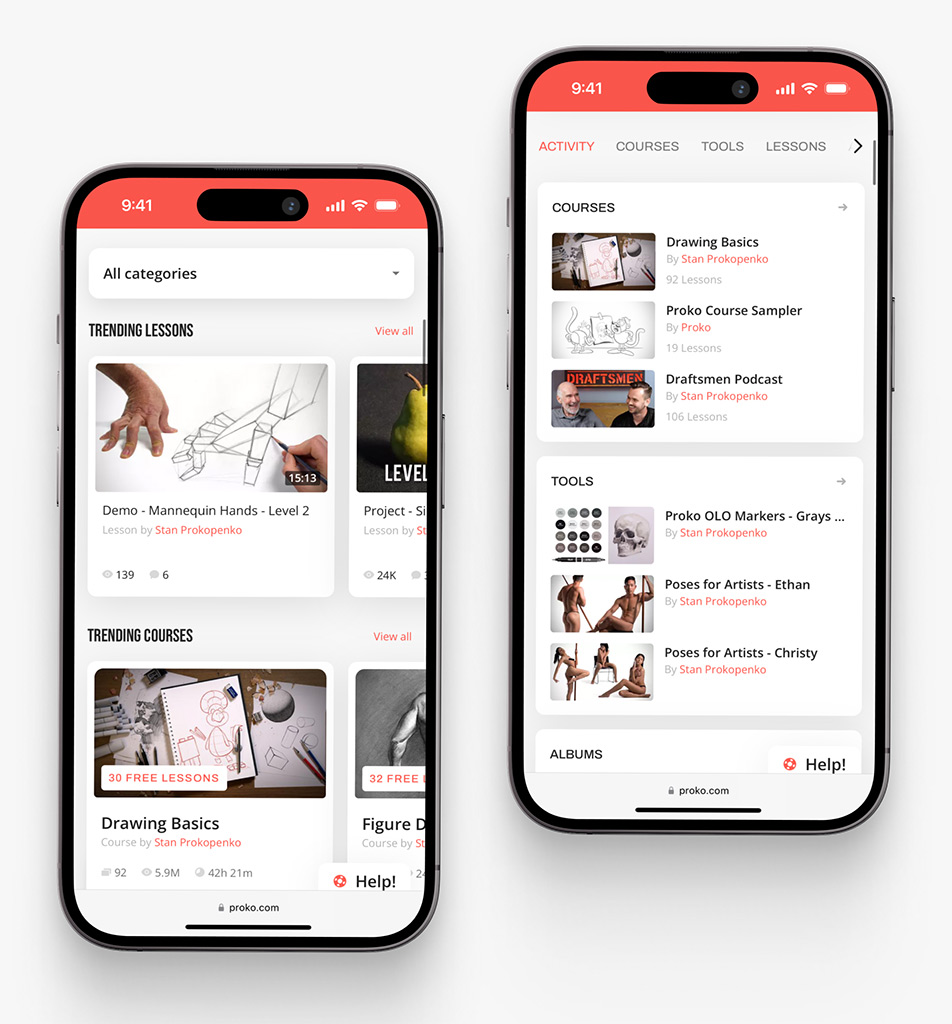
Proko app on mobile by Shakuro
The Big Question: Ready For What?
Before you improve the MVP, define the next milestone.
A product can be ready for fundraising but not ready for paid ads. It can be ready for early customer calls but not ready for a developer handoff. It can look polished in a pitch deck and still lack the analytics needed to learn from real traffic.
That is why “MVP readiness” is too vague. Better questions are:
- Is it ready to convince investors?
- Is it ready to handle paid acquisition?
- Is it ready for another developer or team to take over?
- Is it ready to protect user data?
- Is it ready to show where users get stuck?
You agree, that sounds more useful than just asking whether the MVP is “done,” right? Because MVPs for startup companies are never really done. They are just ready, or not ready, for the next kind of stress.
Fundraising Readiness Signals
Fundraising readiness is about credibility. Investors do not expect your product to be perfect, especially at pre-seed or seed stage. But they do expect the story, product, and numbers to point in the same direction.
A solid startup fundraising strategy starts with clarity. What problem are you solving? Who has it badly enough to care? Why is AI necessary here? What did early users actually do, not just say?
Your MVP should help answer those questions. Not with five pages of vague market language, but with evidence.
Look for these signals:
- The demo shows the core workflow without founder babysitting.
- Users understand the value within a few minutes.
- You can explain what the AI does in plain English.
- Early validation is tied to a specific customer segment.
- You know the biggest product risks and can talk about them calmly.
- You have basic usage data, even if the sample is small.
- The roadmap connects directly to the funding ask.
A good startup fundraising checklist should also include the unsexy things: model costs, data handling, reliability, onboarding, and what you will build after the round.
One little warning here. “People liked the demo” is not the same as traction. Investors have heard that sentence a thousand times. Stronger evidence sounds more like: “Twelve operations managers tested it, seven completed the workflow, four asked for team access, and two are discussing a paid pilot.” Much better.
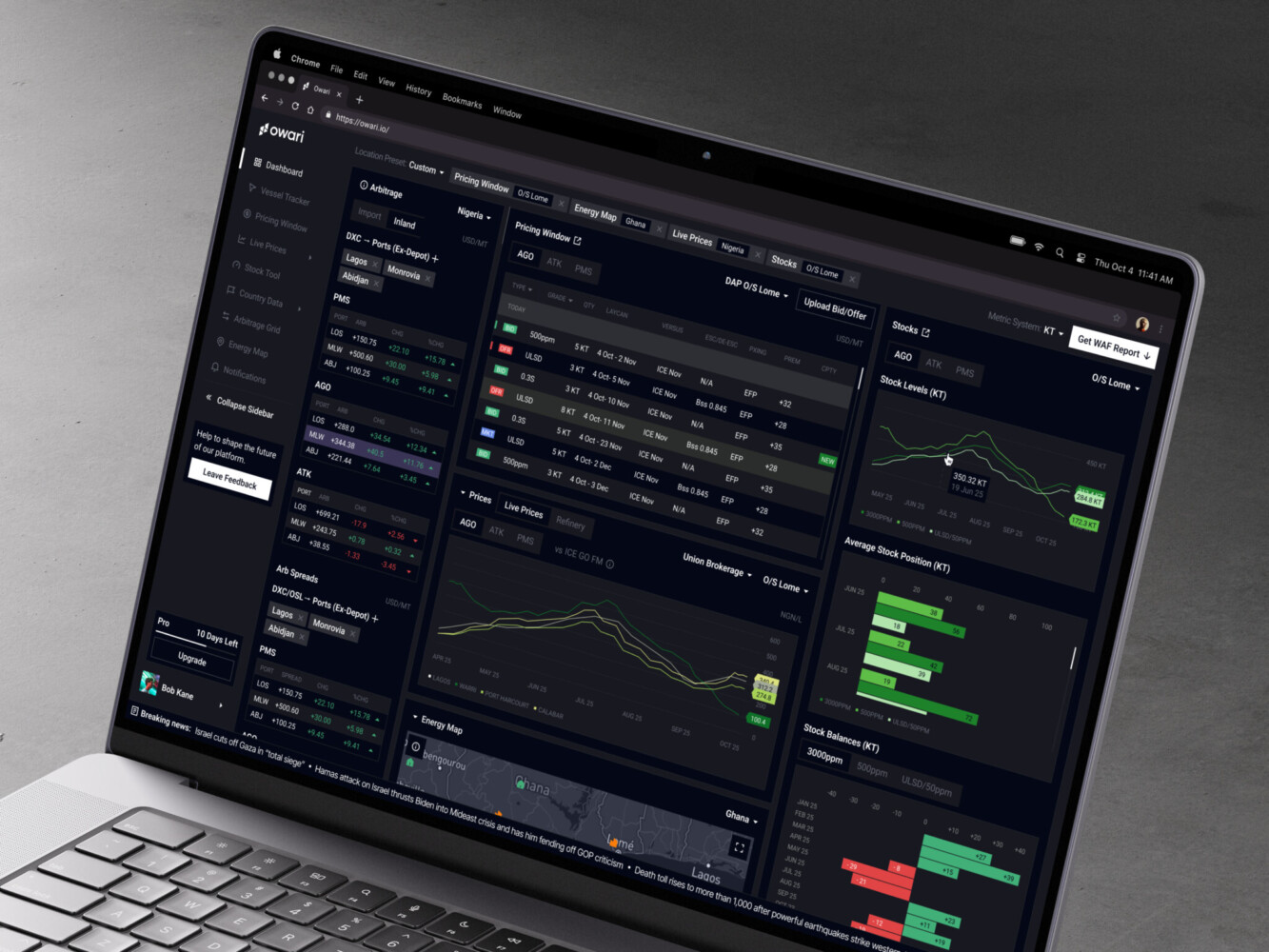
Owari dashboard by Shakuro
Paid Acquisition and Conversion-Readiness Checks
Paid acquisition is unforgiving. It does not care that your MVP was built fast. It does not care that the demo impressed your friend who used to work at a VC fund. Paid traffic arrives, gets confused, and leaves.
Before you spend serious money, check the basics.
Can a cold visitor understand the product from the landing page? Does the ad promise match the first screen? Is the sign-up flow short enough? Do users know what to do after they create an account? Is there one clear activation moment?
For an AI product, activation might be:
- Uploading the first file
- Connecting a workspace or data source
- Generating the first useful output
- Completing a workflow
- Inviting a teammate
- Saving or exporting a result
You need to know which action matters. Otherwise, you will stare at sign-up numbers and feel busy, while the product quietly leaks users after step two.
Many MVPs for startup companies get exposed. The MVP proves curiosity, but paid acquisition tests repeatability. If the product only makes sense after a founder explains it on a call, paid traffic will be expensive. Very expensive, actually.
Before scaling spend, check:
- Landing page clarity
- Message match between ads and product
- Onboarding completion rate
- Activation rate
- Drop-off points
- Pricing page behavior
- Trial-to-paid or demo-booking flow
- Retargeting and email follow-up
- Support questions from new users
Well, you know, none of this is glamorous. But it really helps. For example, you can fix one onboarding step, and suddenly the whole funnel looks less depressing.
Developer Handoff Readiness
Developer handoff is one of those things founders often delay until it hurts.
At first, one person builds quickly. Maybe the founder. Maybe a contractor. Maybe a small team using AI coding tools, templates, and whatever got the product moving. That is fine. Speed matters early.
But when you hire a developer, bring in an agency, or ask a technical cofounder to review the product, the MVP needs to be understandable.
Developer handoff readiness means someone new can open the project and answer basic questions without detective work.
For MVP development for tech startup teams, check:
- Is the repo organized in a way another developer can follow?
- Are environment variables documented?
- Is there a working local setup guide?
- Are core product decisions written down somewhere?
- Are third-party services listed with owners and access details?
- Are model prompts, AI workflows, or automation steps versioned?
- Are known bugs tracked?
- Is there a deployment process that does not depend on one person’s memory?
A handoff does not need to be perfect. Please, do not spend three weeks writing museum-quality documentation for a product that changes every Friday. But the next person should not need to message the original builder ten times just to run the app.
And one more point: ownership matters. Who owns product decisions? Who owns analytics? Who owns AI quality? Who owns security? If the answer is “kind of everyone,” it usually means no one.
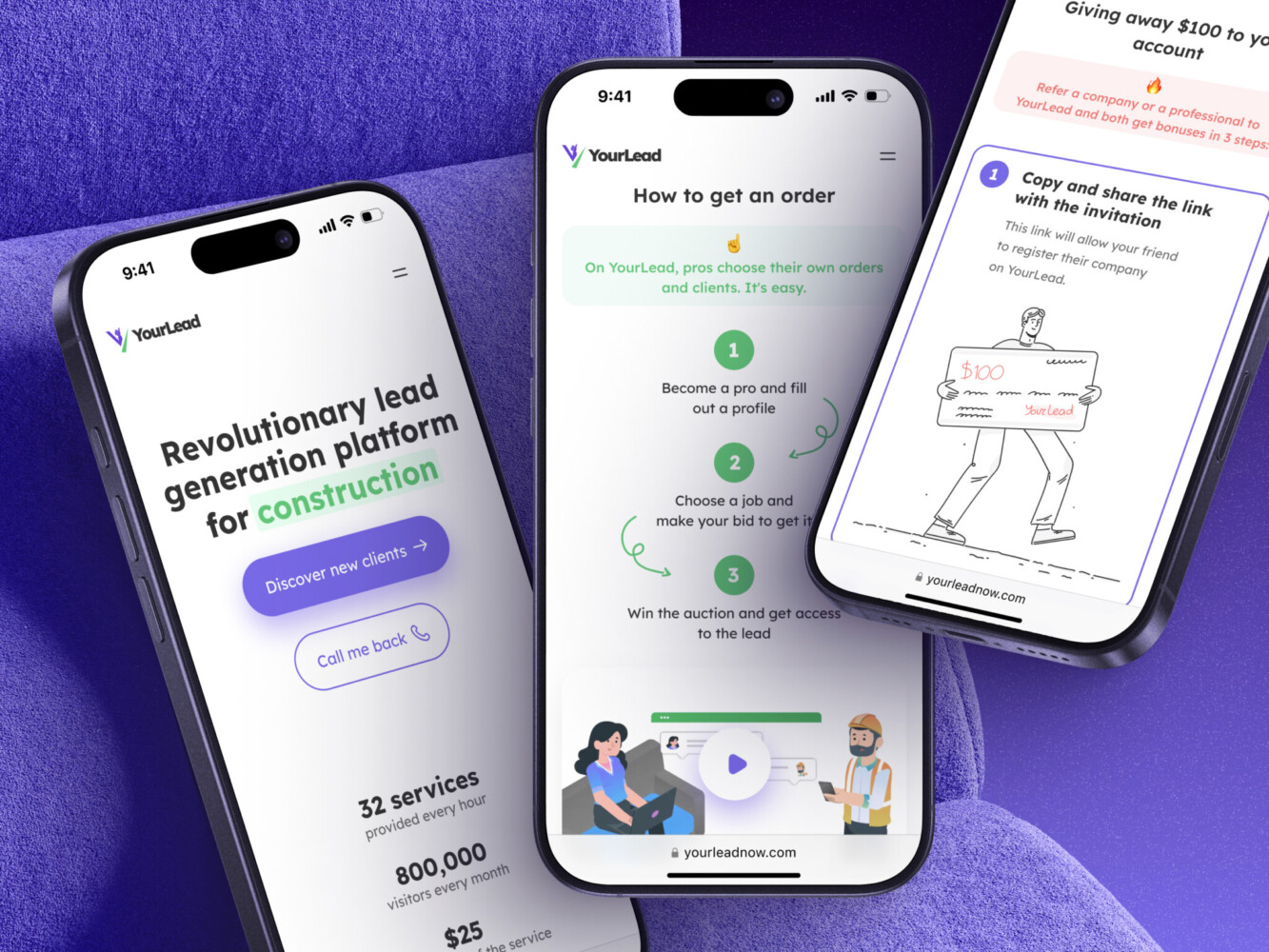
Mobile App for Construction Lead Generation Platform by Shakuro
Analytics and Tracking Gaps
Analytics gaps are quiet at first. Nothing crashes. Users can still click around. The product feels alive.
Then you try to make decisions and realize you are almost blind.
For AI-powered MVP development, analytics should show more than page views and sign-ups. You need to track meaningful product behavior. Did users reach the AI feature? Did the output finish? Did they accept, edit, export, regenerate, or abandon it? Did they come back?
Useful tracking might include:
- Visitor source
- Sign-up conversion
- Onboarding steps
- Activation event
- AI feature usage
- Output success or failure
- Time to first useful result
- Retention by user segment
- Upgrade or demo-request behavior
- Support requests linked to product moments
Analytics does not have to be fancy. A simple setup is better than a beautiful dashboard with the wrong events. The best option is usually to start with five to ten events that answer real founder questions.
For example: “Are paid users reaching the first AI output?” “Are users from LinkedIn ads activating better than search traffic?” “Do people abandon the product when we ask them to connect data?”
These are not abstract metrics. They tell you what to fix before scaling spend.
Data, Security, and Permission Concerns
Data and security can feel like a later-stage problem. I get why. Early on, founders want to validate the product, not sit around naming permission levels.
Still, AI products often touch sensitive material sooner than expected. Users upload contracts, customer lists, call transcripts, financial notes, internal docs, health-adjacent information, or HR files. Suddenly the MVP is not just a demo. It is holding things people care about.
Before fundraising, paid acquisition, or hiring, check:
- What data do users provide?
- Where is it stored?
- Which third-party AI services process it?
- Who can access it internally?
- Can users delete it?
- Are permissions clear for teams?
- Are logs exposing sensitive inputs?
- Is there a basic privacy policy that matches reality?
This is especially important if you plan to position the product for business customers. B2B buyers may forgive early UI roughness. They are much less relaxed about unclear data handling.
In AI MVP development, you do not need enterprise compliance on day one. But you do need honesty and basic hygiene. It is a little annoying, yes, but you get used to it over time. And honestly, it saves you from some very uncomfortable sales calls later.
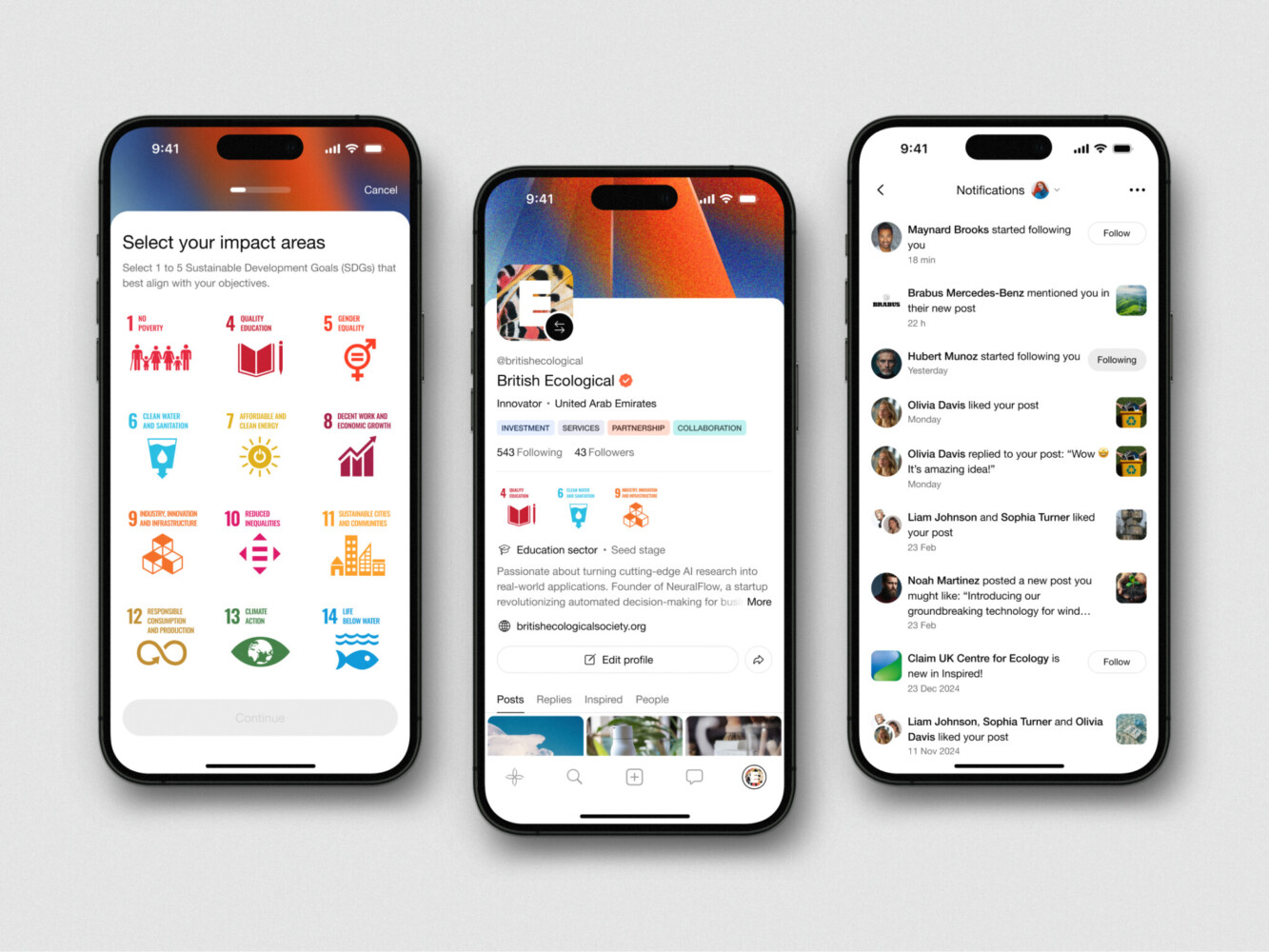
Mobile App Design for Inspired by Shakuro
Reliability Checks for AI Workflows
AI reliability is not just “does the model answer well?” That is only one slice of it.
A real workflow has edge cases. Files fail. APIs time out. Users write messy inputs. Models return strange results. Someone uploads a 90-page PDF with tables, screenshots, and scanned text from 2014. Fun times.
Your MVP should handle common failures without making users feel abandoned.
Check:
- Are AI outputs logged?
- Can users retry failed generations?
- Are bad outputs easy to report?
- Are there limits for file size, prompt length, or usage?
- Do users see progress during long tasks?
- Are fallback messages clear?
- Can the team review failures?
- Are model costs monitored?
This is where AI MVP development often needs a second pass. The first version proves the workflow can work. The next version proves it can work often enough, for enough users, without the founder watching every session like a nervous parent.
What to Fix Before Scaling Spend
If your MVP has demand, great. Really. That is the hard part many teams never reach.
But before you scale spend, raise a round, or hire developers around the product, fix the gaps that will become expensive under pressure.
Start here:
- Clarify the product promise
If users need a long explanation, your landing page, onboarding, or core workflow probably needs work. - Clean up activation
Make the first valuable action obvious. Remove unnecessary steps. Add examples, templates, or sample data if users freeze. - Set up practical analytics
Track the events that show whether people reach value. Do not drown in dashboards. - Document the technical basics
Make setup, deployment, services, and known issues understandable for the next developer. - Review AI costs and failure points
Know what each important workflow costs and where it breaks. - Tighten security and permissions
Especially if users upload sensitive business data. - Connect roadmap to business goals
A roadmap for fundraising may focus on proof and scalability. A roadmap for paid acquisition may focus on conversion and retention. A roadmap for hiring may focus on architecture and team velocity.
None of this means slowing down forever. It means not pouring fuel into a product that still has loose wiring.
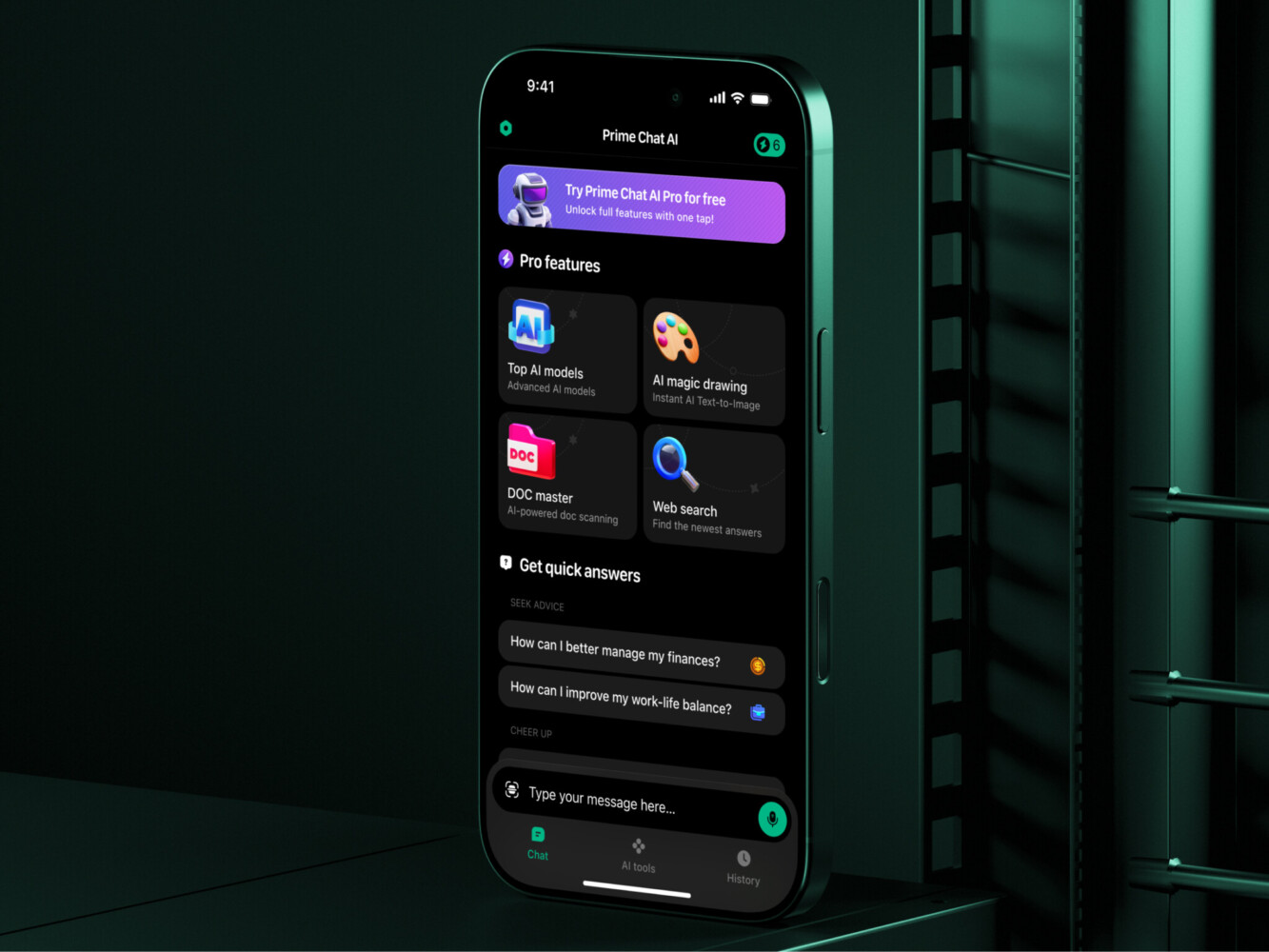
Prime Chat AI Mobile Assistant by Shakuro
When AI MVP Development Services Make Sense
Some founders should keep building internally. If you have the skills, the time, and direct contact with users, staying close to the product is a huge advantage.
But AI MVP development services can make sense when the MVP has proved demand and now needs to become sturdier. Maybe the UX is confusing. Maybe analytics are missing. Maybe the architecture is hard to hand off. Maybe you need investor-ready product thinking before a fundraising push.
The best collaboration is not “take this vague idea and magically make it good.” It is more grounded than that. Founders bring customer insight, urgency, and market context. A product team brings structure, design judgment, engineering discipline, and a cooler head when everything feels on fire.
That combination really helps when the next move matters.

Final Thoughts
An AI-built MVP proving demand is a strong signal. But it is not the finish line. It is more like the moment when the lights turn on and you can finally see what kind of room you are standing in.
For fundraising, your MVP needs to support a believable story. For paid acquisition, it needs tracking, onboarding, and conversion paths. For hiring, it needs enough technical clarity that good developers can join without spending their first month untangling mystery decisions.
My honest take? Do not ask, “Is our MVP good?” Ask, “Is it ready for the pressure we are about to put on it?”
That question is sharper. A bit less comforting, maybe. But much more useful.
Not sure if your AI MVP is ready for fundraising and scaling? Drop us a message for a comprehensive audit with detailed reports and 30\60\90 days plans.
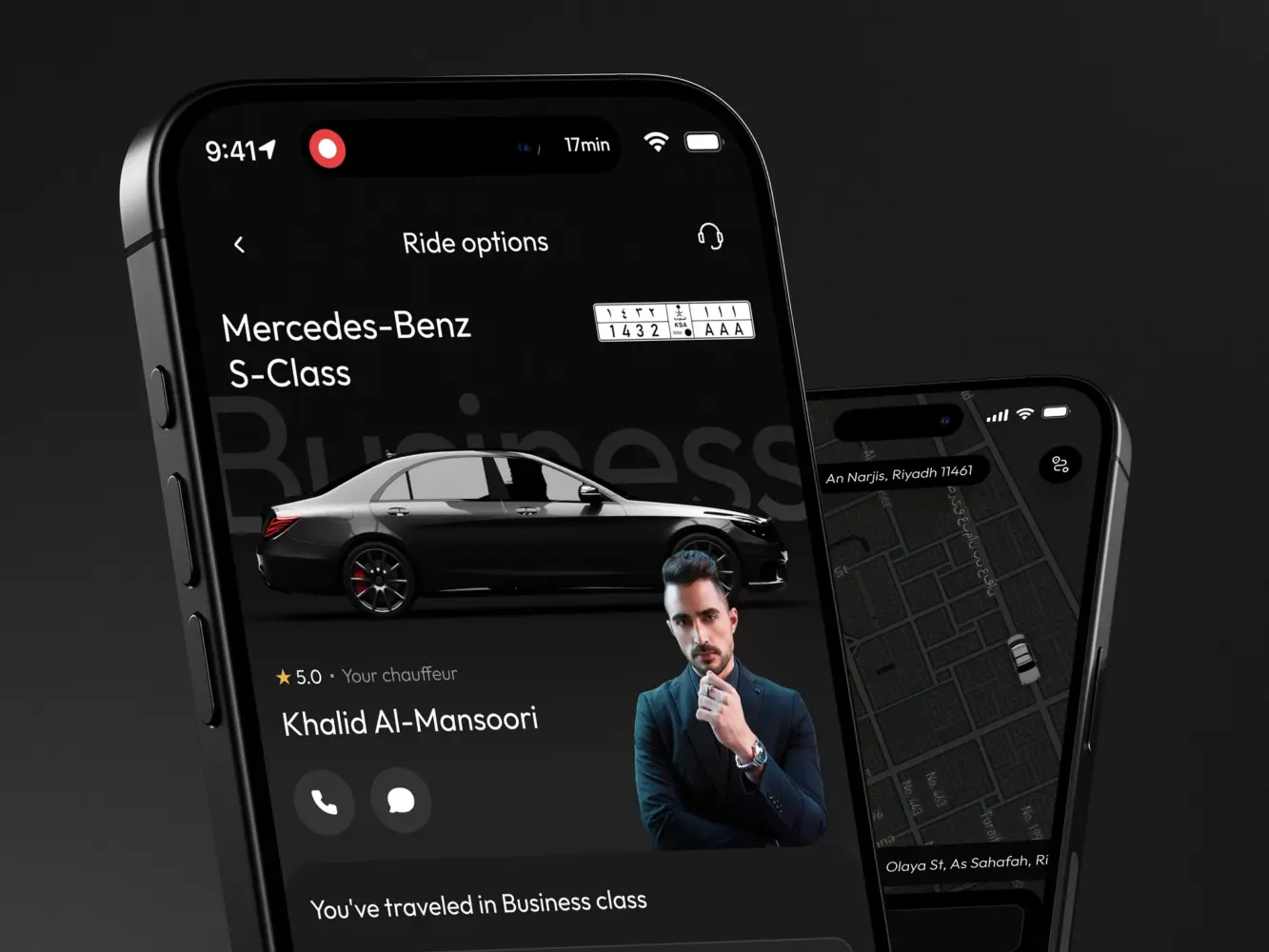
High-End Chauffeur Service App by Shakuro

FAQ
What is AI-Powered MVP Development?
AI-powered MVP development is the process of building a minimum viable product where AI supports the core product value, automates a workflow, or helps users make decisions faster. It can also include using AI tools during the build, but the strongest case is when AI clearly improves the user experience.
How Do I Know if My AI MVP is Ready for Fundraising?
It is ready for fundraising when you can show a working product, explain the AI workflow clearly, share early validation, show basic usage data, and connect your roadmap to the funding ask. Investors do not need perfection, but they do need credibility.
What Should be Included in a Startup Fundraising Checklist?
A startup fundraising checklist for an AI MVP should include your demo, target customer, validation signals, traction metrics, AI cost assumptions, data and privacy basics, product roadmap, key risks, and clear use of funds. Each item answers a question investors ask anyway, so preparing them early turns a pitch into a conversation about the business.
When is an MVP Ready for Paid Acquisition?
An MVP is ready for paid acquisition when the landing page is clear, onboarding works, analytics are set up, activation is defined, and you can tell which campaigns bring users who actually reach value. Without that, paid traffic mostly shows you where the product loses people, at a price.
Why Does Developer Handoff Matter After an AI-built MVP?
Developer handoff matters because fast MVPs often rely on undocumented decisions, fragile workflows, and one person’s memory. If you want to hire or scale development, the product needs enough structure for new people to understand and improve it: an organized repo, a local setup guide, documented environment variables, versioned prompts, and a deployment process.
What Should You Fix in an AI MVP Before Scaling Spend?
Before scaling spend on an AI MVP, clarify the product promise, make the first valuable action obvious, set up analytics for the events that show value, document setup and deployment, review AI costs and failure points, and tighten security and permissions for sensitive data. Then connect the roadmap to the business goal of the next move.
When Do AI MVP Development Services Make Sense?
AI MVP development services make sense when the MVP has proved demand and now needs to become sturdier: the UX is confusing, analytics are missing, the architecture is hard to hand off, or you need investor-ready product thinking before fundraising. If you have the skills, time, and direct contact with users, building internally keeps you close to the product.
Related reading
- SaaS MVP Development: How to Build, Launch, and Scale a Product Users Actually Need
- Vibe Coding Best Practices: Where Prototypes Stop and Production Software Starts
- Lovable, Bolt, or Replit App to Production: A Founder’s Checklist
- BI Dashboard Development: How to Build Business Intelligence Dashboards