Keeping, refactoring, or rebuilding an AI-built MVP depends on four signals: how understandable the code is, how stable the core flows are, whether user data is safe, and whether the product still matches the business model. A practical first phase takes around 30 days to audit the product, fix critical issues, and protect key workflows. Larger refactoring or rebuilding decisions usually need a 60- to 90-day plan.
AI tools turn months of early work into weeks, and the result is often good enough to learn from but not always good enough to scale. The interface may look fine while the same business rule lives in three places, authentication is fragile, and the database fights every new feature. An AI-built product audit across product, UX, engineering, and business shows which of these problems you actually have.
Below, we cover why AI-built MVPs need a different review, the signals to keep, refactor, rebuild, or redesign first, how to audit the product before choosing, a 30/60/90-day plan, and what a development partner should bring to this decision.
Key takeaways
- An AI-built MVP is not automatically bad. It may be a useful first version, but it needs a serious review before becoming the long-term product foundation.
- Keep the current MVP if the code is understandable, core flows are stable, user data is safe, and new features are still easy to add.
- Refactor if the product direction is validated, but messy code, weak tests, duplicated logic, or fragile integrations are slowing the team down.
- Rebuild if the MVP was made for an old business model, demo use, or temporary architecture that cannot safely support real customers.
- Redesign before engineering if users are confused, onboarding is weak, or the product flow no longer matches how people actually use it.
- Use a 30/60/90-day plan: audit and stabilize first, choose the path next, then build or improve the foundation with more discipline.
Why AI-Built MVPs Need a Different Kind of Review
AI MVP development has changed the early product process in a real way. Founders can now create working flows, simple dashboards, backend logic, integrations, and decent-looking interfaces without assembling a full team from day one.
That is useful. No need to pretend otherwise.
Fast MVP development with AI tools can help you get out of the blank-page stage. You can test a workflow instead of talking about it in a deck. You can show customers a product idea and watch where they get confused. You can discover that nobody cares about your “main feature” before spending a scary amount of money on it.
But AI-assisted builds also hide shortcuts very well.
The interface may look fine while the inside is a bit improvised. Maybe the same business rule exists in three places. Maybe authentication works, but nobody wants to touch it. Maybe the database structure made sense during the demo, and now it is quietly fighting every new feature.
This is not a moral failure. It is just what happens when the main goal is speed.
The approach often gives you something good enough to learn from, but not always good enough to scale. The trick is knowing which kind of product you have.
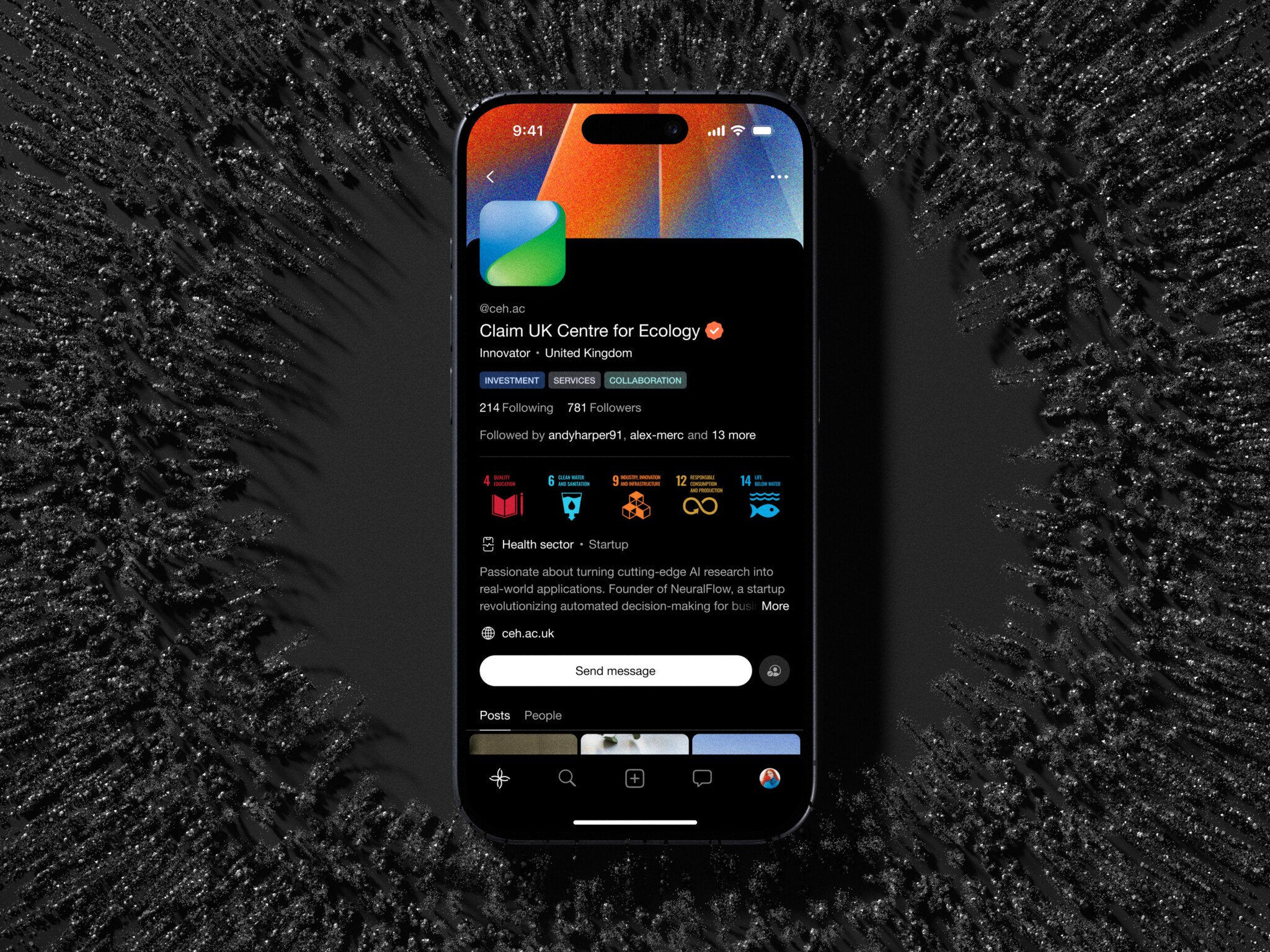
Mobile App Design for Inspired by Shakuro
Signals the Current Foundation Can Stay
Sometimes the answer is simple: keep it.
Do not rebuild just because the MVP was created with AI help. That can turn into an expensive reflex, and honestly, founders already have enough expensive things lying around.
The current foundation may be good enough if the code is understandable, the main flows are stable, and the team can add features without breaking old ones every Tuesday afternoon. It also helps if the data model still matches the business. Users, accounts, payments, permissions, and core objects should be organized in a way that makes sense.
A few healthy signs for AI and GPT-driven MVP development:
- New features take a predictable amount of time.
- Bugs happen, but they are not constant.
- The app can be deployed without drama.
- User data is handled carefully.
- Roles and permissions are not glued together at the last minute.
- Someone can explain the system without opening twenty tabs and sighing.
That last one matters more than people think. I have seen products where the biggest technical risk was not the framework or the hosting setup. It was that nobody could confidently say, “This is where the rule lives.” Once that happens, every small update becomes a treasure hunt, and not the fun kind.
If the product has real traction and the foundation is mostly clear, keep it. Clean up the edges. Add tests around the money-making flows. Document the important decisions. Make deployment less fragile.
You agree, that sounds good, doesn’t it? No grand rebuild speech. Just responsible product work.
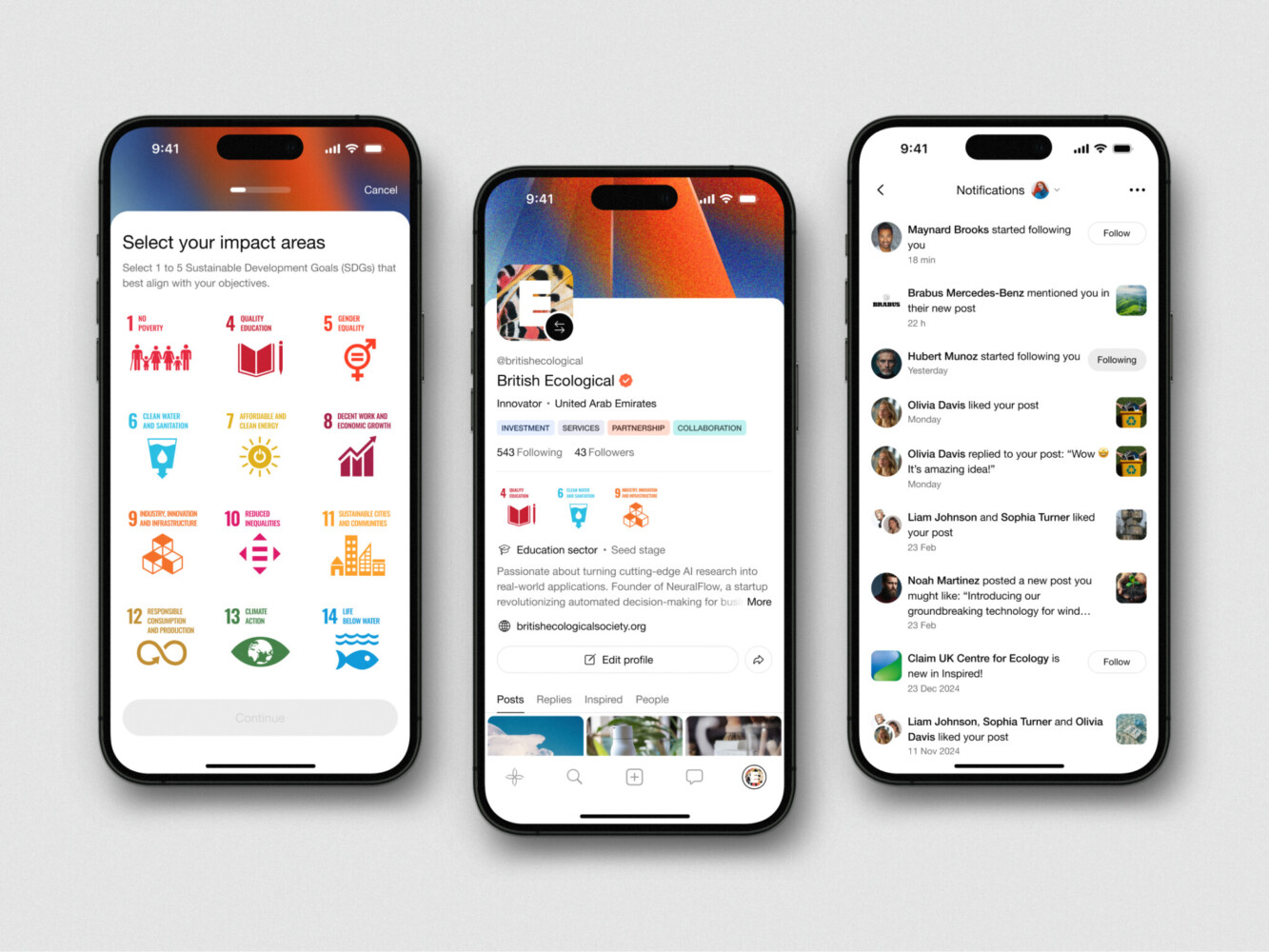
When Focused Refactoring is Enough
Refactoring is the middle path. Less dramatic than rebuilding, less risky than ignoring the mess.
In custom MVP development, it makes sense when the product direction is validated, but the implementation is starting to slow you down. Maybe onboarding works, but the code behind it is tangled. Maybe payments are fine, but reporting is patched together. Maybe the backend grew in odd directions because the MVP changed shape three times during discovery.
This is where the custom approach shifts from “make something work” to “make the right parts durable.”
The goal is not to polish every line. Please don’t. That is how teams lose months. The goal is to improve the areas that affect revenue, customer trust, speed of delivery, and future hiring.
Good refactoring targets include duplicated logic, unstable integrations, slow database queries, missing tests, brittle admin tools, confusing permissions, and any part of the product that creates support tickets again and again.
That is the mood to bring into this decision. Less panic. More diagnosis.
AI for MVP development can still help after launch, by the way. It can speed up test writing, documentation, repetitive cleanup, and code review prep. But a human still needs to decide what should not change. That part is important.
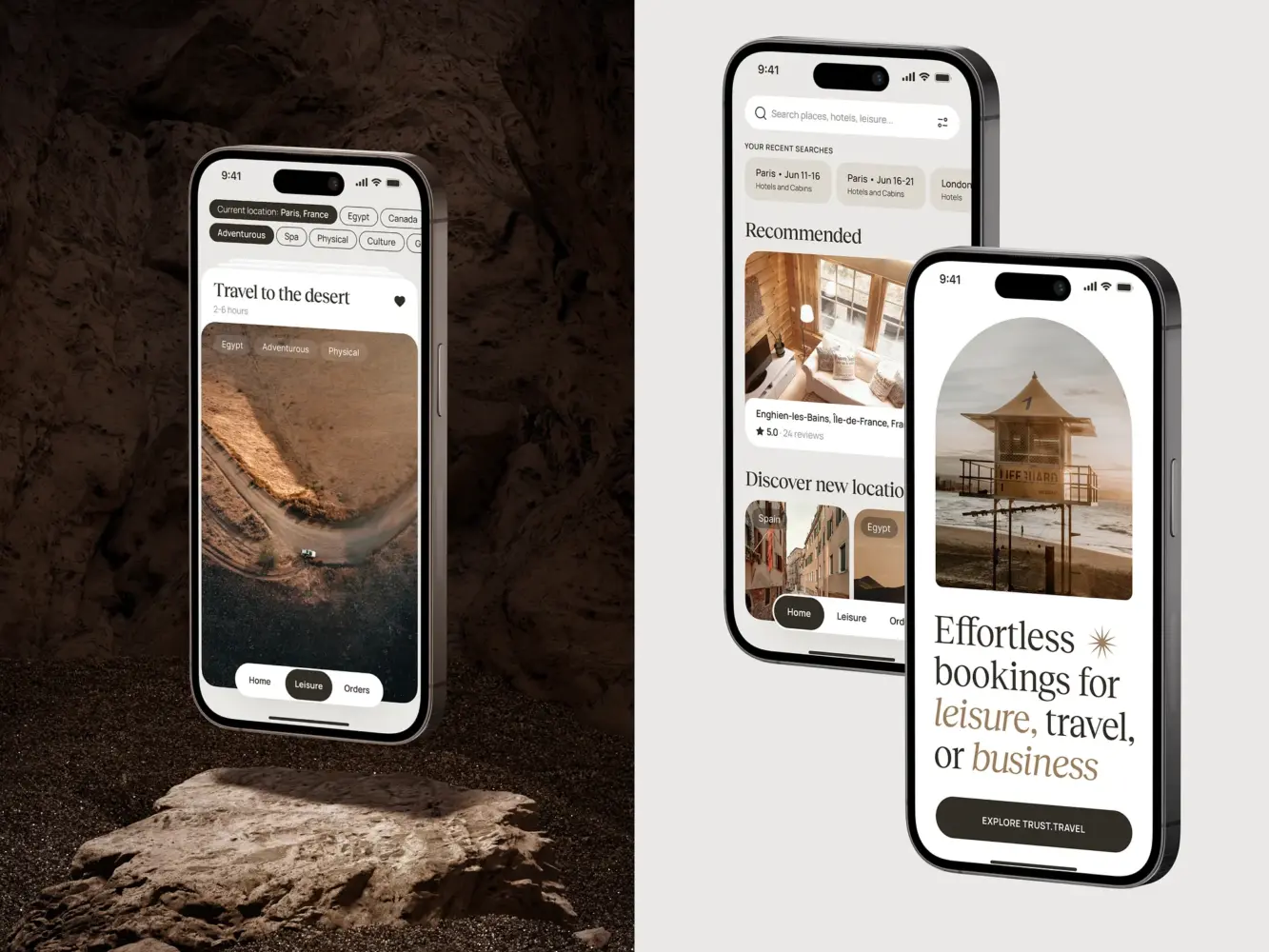
Travel Booking Mobile App Design by Shakuro
When Rebuilding is the Cleaner Business Decision
A rebuild sounds expensive because it is. It also sounds like admitting the first version failed, which founders understandably hate.
But sometimes rebuilding is not perfectionism. It is the cleaner business decision.
You should consider a rebuild when the original MVP was built for a version of the business that no longer exists. Maybe the product started as a lightweight internal tool and now needs to support paid teams, permissions, invoices, and compliance. Maybe the first version was shaped around one customer, and now you need a multi-tenant product. Or maybe the prototype was made for demos, not for real users touching real data every day.
Some warning signs are hard to ignore:
- Every new feature requires changes in several unrelated places.
- The core data model does not match how customers now use the product.
- Security feels bolted on.
- Developers avoid certain files because changing them feels risky.
- The architecture blocks integrations you now need.
- The product gets slower to build every month.
That last point is the quiet killer. A messy foundation does not always explode. Sometimes it just makes everything slower. A feature that should take three days takes two weeks. A simple design update opens five edge cases. Customer support starts writing long internal notes that begin with, “When this happens, ask engineering.”
It is a little annoying at first. Then it becomes the business.
You may see teams describe the next phase as custom MVP development AI, especially when they want to keep the speed benefits of AI-assisted work. Fine. The label matters less than the discipline. Define the stable product model. Choose the right architecture. Rebuild the core flows. Migrate only what matters. Do not copy old confusion into cleaner code.
The rebuild should not be a prettier version of the same problem. It should reflect what the company now knows.
When Redesign Should Happen Before Engineering
A thing founders miss surprisingly often: sometimes the code is not the real problem.
The product may feel broken because users do not understand it. They get lost in onboarding. They cannot see the value fast enough. They need too much help from the founder. They click around like they are solving a puzzle and not in a fun way.
In that case, jumping into deep engineering may be premature. Redesign first.
Not just a visual refresh. I mean product design: flows, roles, dashboards, settings, empty states, pricing logic, admin actions, and all those small moments where a user either trusts the product or quietly leaves.
Redesign should come before heavy engineering when users do not reach activation, support questions repeat, dashboards show data but not decisions, or the founder cannot explain the product flow without opening five screens.
And yes, design before engineering can feel slow when you are eager to build. I get it. But it is usually faster than building the wrong structure twice.
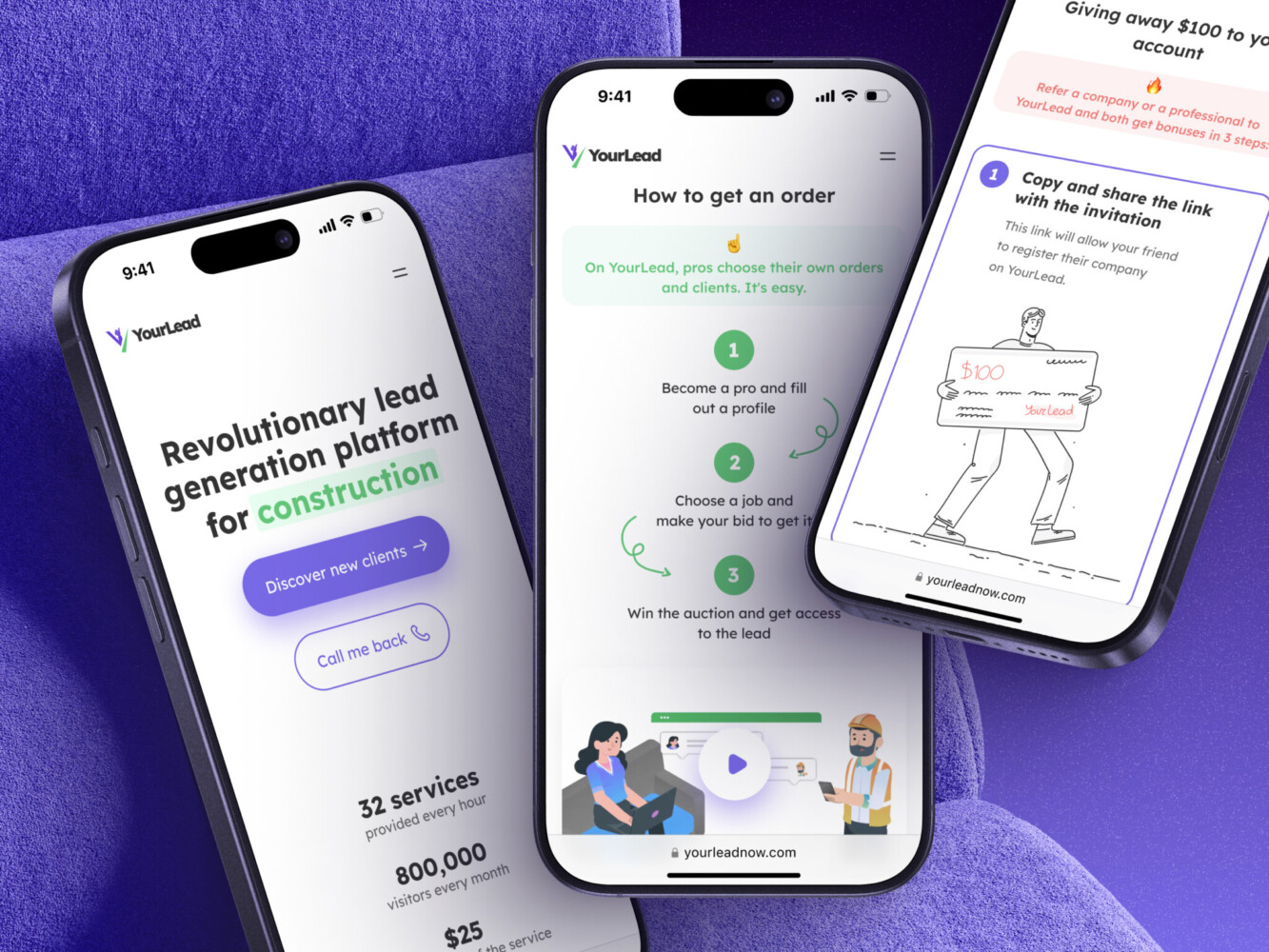
Mobile App for Construction Lead Generation Platform by Shakuro
How to Audit an AI-built MVP Before Choosing
Before you decide, audit the product from four angles: product, UX, engineering, and business.
Start with the product. What has actually been validated? Not what you hoped was validated. What users did, paid for, repeated, requested, or complained about. “People liked the demo” is not the same as “five teams use this every week and asked for admin permissions.”
Then look at UX. Where do users hesitate? Which screens create trust? Which ones feel like a temporary internal tool? You do not need a 90-page report. A practical walkthrough with analytics, support notes, and user recordings can show plenty.
After building an MVP with AI, the engineering audit should be honest, but not theatrical. Check architecture, data models, authentication, permissions, test coverage, deployment, monitoring, integrations, and performance. If the product was created with AI support, pay special attention to duplicated logic and code that looks plausible but has no clear owner.
Finally, do the business audit. What does each path cost?
Keeping the MVP costs less now but may cost more later if the foundation is weak. Refactoring costs time but keeps momentum. Rebuilding costs the most upfront but may reduce long-term drag. Redesign can look like a detour, but it often prevents expensive engineering guesses.
This is where AI MVP development services can help, if they include product, design, and code review together. Not because you need a big vendor speech. You need someone to look at the whole thing and say, plainly, “This can stay. This is risky. This should be rethought before anyone writes more code.”
Keep, Refactor, Rebuild, or Redesign First?
Here is a simple way to think about it.
Keep the current MVP when the product direction is clear, the architecture is understandable, the main flows are stable, and the next roadmap is mostly incremental. Add tests, improve documentation, fix obvious weak spots, and keep moving.
Refactor when the business is validated but the product is getting harder to change. Focus on the modules that slow delivery or create risk. Do not refactor everything just because you can. That road gets weird fast.
Rebuild when the foundation no longer matches the business. If the MVP was made for a demo, a single customer, or an old product model, forcing it into the next stage may cost more than starting clean.
Redesign first when user confusion is the main signal. If people cannot understand the product, cleaner code will not fix the business problem. Well, not by itself.
A useful question is: “If we keep building on this for six months, what gets easier and what gets harder?”
If the honest answer is “almost everything gets harder,” you probably know what to do.
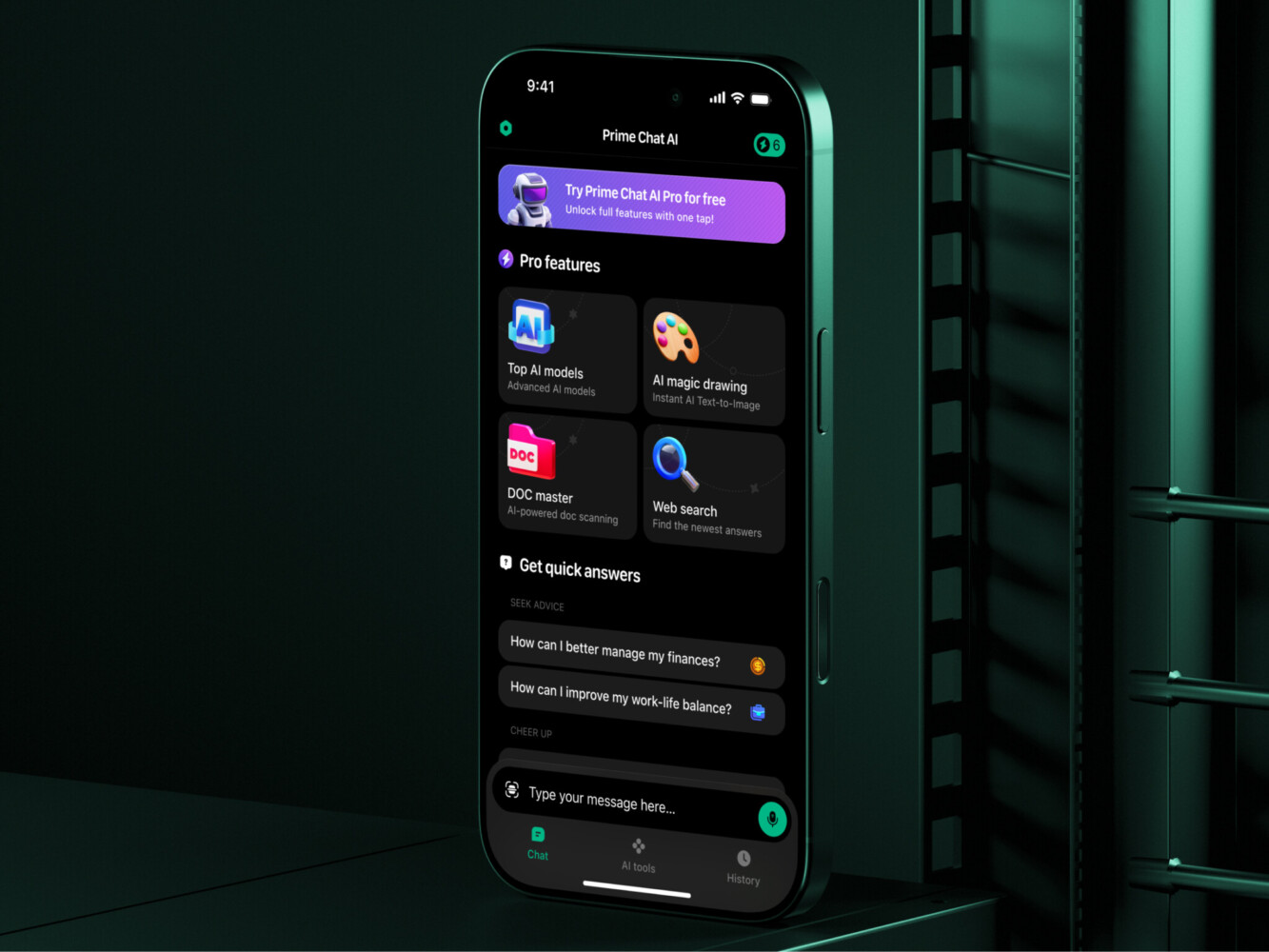
Prime Chat AI Mobile Assistant by Shakuro
Planning the Next 30, 60, and 90 Days
You do not need a perfect year-long plan at this stage. Actually, too much planning can become a very fancy way to avoid making a decision.
A 30/60/90-day plan is usually enough.
First 30 Days: Audit and Stabilize
The first month is about seeing clearly.
During AI MVP development, map the core workflows. Review analytics, user feedback, support issues, and sales objections. Run a lightweight code audit. Check security basics. Identify the top product risks and technical risks.
Then stabilize the risky parts. Fix critical bugs. Protect customer data. Add logs where nobody can see what is happening. Write down deployment steps. Create tests around flows that affect money, access, or user trust.
Days 31 to 60: Decide the Path
The second month is where the direction should become clear.
If the foundation can stay, define the next feature set and clean up what blocks it. If refactoring is the answer, choose the modules and stop there. Put boundaries around the work because refactoring can expand like wet paint.
If redesign is needed, work through the key flows before deep engineering starts. Onboarding, dashboards, roles, settings, billing, core actions. Get those right enough. Not perfect, just right enough to build with confidence.
If rebuilding is the better choice, define the target architecture and migration plan. Decide what data comes over, what is archived, and what should quietly disappear because nobody uses it. Every product has a few of those.
Days 61 to 90: Build the Next Foundation
The third month is execution.
For a keep path, that means shipping with more discipline. Better monitoring, clearer release process, cleaner backlog, fewer mystery fixes.
For a refactor path, improve the core areas without freezing the whole product.
For a rebuild path, create the new foundation around the validated product model. Start with core workflows, data structure, authentication, permissions, and deployment. Then migrate carefully.
For a redesign-led path, turn the new flows into the build plan. Design is not decoration here. It is the map.
What a Development Partner Should Bring to This Decision
Post-MVP decisions sit between product design and engineering. That is why they are tricky. You need someone to understand user behavior and code quality at the same time, and those conversations can get messy.
A good partner should not push a rebuild by default. They should be able to audit the current product, understand the business model, review the UX, check the code, and explain the tradeoffs in normal language.
What We Offer
Our team covers product design, web and mobile development, AI development, code audit, support, and maintenance. We provide a comprehensive audit of your AI MVP development no matter the tools you use: Lovable, Bolt, Cursor, v0, Replit, Claude Code, or even custom AI-assisted builds. Apart from UX and product logic, we review security and performance as well.
Our works also show products that evolved beyond first-version thinking, including educational platforms and systems with integrations, automation, and richer user flows. We help you decide what to preserve, what to improve, and what to rebuild without treating every rough prototype like a disaster.
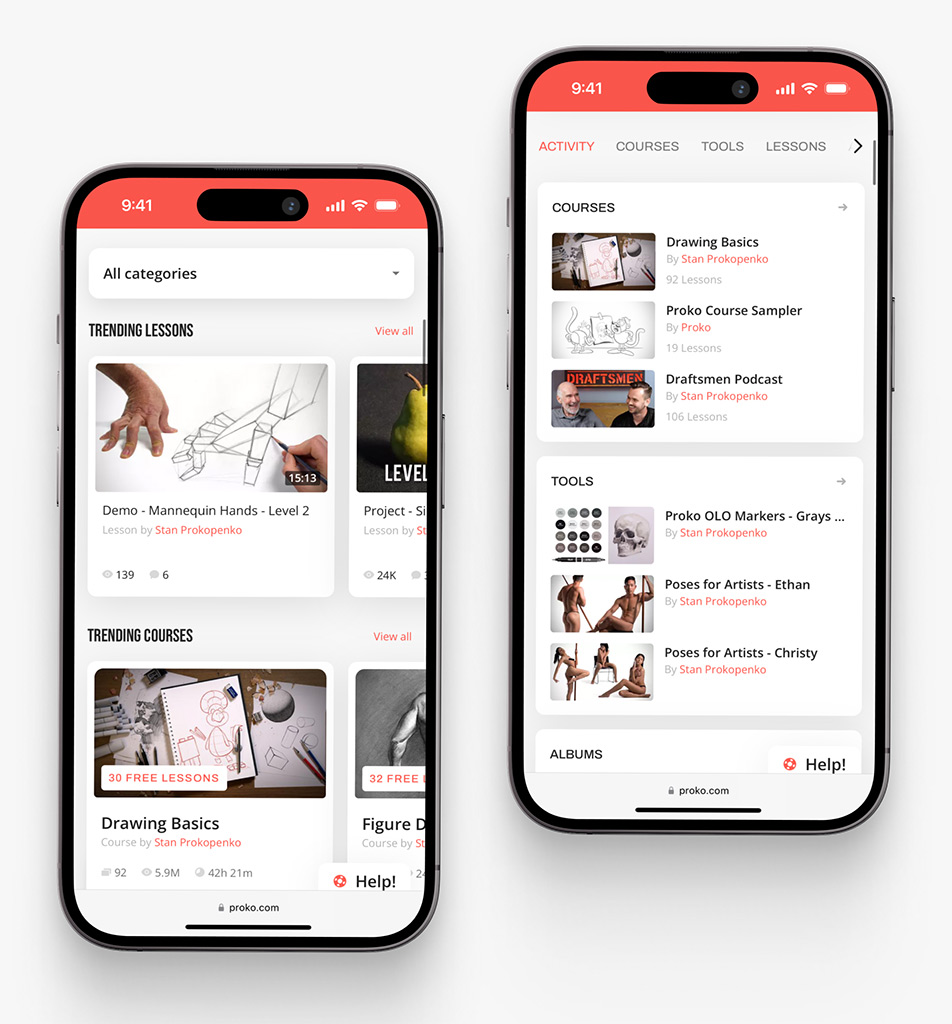
Proko app on mobile by Shakuro
Final Thoughts
An AI-built MVP is not a mistake just because it has rough edges. Rough edges are often the price of learning quickly.
The danger is pretending the first foundation can automatically carry the next stage of the business.
So, keep it if it is stable and understandable. Refactor it if the direction is right but the implementation is slowing you down. Rebuild it if the product has outgrown the assumptions baked into the first version. Redesign first if users are confused and the real issue is product clarity.
The mature move is not to defend the MVP or throw it away. It is to ask what it can safely become next.
A product, UX, and code audit is a good next step. Not a giant report for the sake of having one. Just enough clarity to choose the best option before you spend real money on the next build.
Need an audit for your product or searching for someone to help you scale? Contact us to get detailed reports and collaborate further.
FAQ
Can an AI-Built MVP Become Production Software?
Yes, sometimes. If the architecture is clear, the product handles data safely, and the core flows are stable, the MVP may only need cleanup, tests, documentation, and better deployment practices. Still, it should be audited before you treat it as a long-term foundation.
When Should You Rebuild an AI-Built MVP?
Rebuild an AI-built MVP when the current foundation no longer matches the business. Common triggers include a changed product model, weak security, messy data structure, poor scalability, or development that gets slower with every new feature. If the MVP was made for a demo or a single customer, starting clean may cost less than forcing it into the next stage.
Is Refactoring Cheaper Than Rebuilding?
Usually, yes, but only if the problems are contained. Refactoring is a good choice when the product direction is validated and the main issues live in specific modules or workflows. If the whole foundation is wrong, refactoring can become a slow rebuild with extra steps.
Should Redesign Happen Before Engineering?
If users are confused, yes. Redesign should come before deep engineering when onboarding, navigation, dashboards, roles, or core workflows are unclear. Better product structure can prevent expensive development work in the wrong direction, because cleaner code will not fix a product that people cannot understand.
How Long Does it Take to Stabilize an AI-built MVP?
A practical first phase often takes around 30 days: audit the product, fix critical issues, document the system, and protect key workflows. Larger refactoring or rebuilding decisions usually need a 60- to 90-day plan, depending on complexity: days 31 to 60 to choose the path, and days 61 to 90 to build the next foundation.
How Do You Audit an AI-Built MVP?
Audit an AI-built MVP from four angles. Product: what users actually did, paid for, and requested. UX: where they hesitate and which screens feel temporary. Engineering: architecture, data models, authentication, permissions, test coverage, deployment, monitoring, integrations, and performance. Business: what keeping, refactoring, rebuilding, or redesigning would cost now and later.
What Should a Development Partner Do With an AI-Built MVP?
A development partner should audit the current product, understand the business model, review the UX, check the code, and explain the tradeoffs in plain language, without pushing a rebuild by default. The audit should work whatever tools built the MVP, from Lovable, Bolt, Cursor, v0, and Replit to Claude Code or custom AI-assisted builds.
Related reading
- Vibe Coding Best Practices: Where Prototypes Stop and Production Software Starts
- Vibe-Coded Application Security Checklist: What to Check Before Scaling
- Technical Debt in AI-Generated Code: Risks Founders Should Check Before Scaling
- SaaS MVP Development: How to Build, Launch, and Scale a Product Users Actually Need