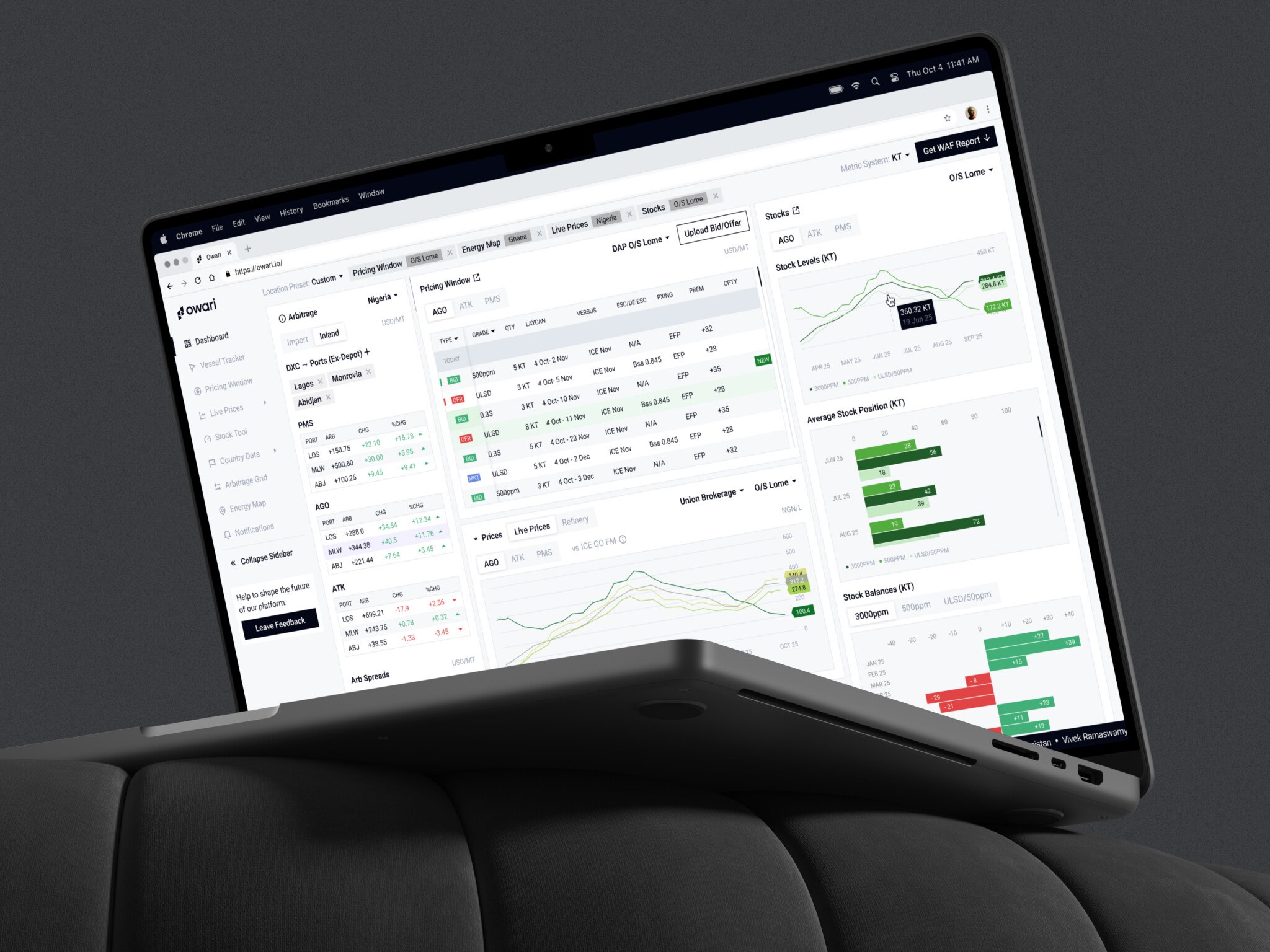
Financial data platform development is building the infrastructure that collects transaction, market, and customer data from banks, exchanges, and other sources, then processes and serves it for dashboards, risk models, and regulatory reporting. An MVP that pulls transaction data from a few banks through an aggregator like Plaid takes around 3–6 months and costs $50,000–150,000. An enterprise system for a neobank or trading platform, with real-time fraud detection and dozens of sources, can take one to two years and cost $500,000–2,000,000+.
In finance, a delayed or wrongly recorded transfer means regulators and lawsuits, not just a slow screen. Fintech teams have to handle real-time data without runaway cloud bills and check whether their current architecture will survive growth. The goal is analytics systems where transaction data, user behavior, and risk models work from the same source.
Here we look at the types of financial data platforms, key features, the development process, cost, common challenges, and our experience in fintech and data projects.
For those who prefer to listen rather than read, this article is also available as a podcast on Spotify.
What Is a Financial Data Platform?
It’s basically the central nervous system of a fintech company, the infrastructure that grabs raw data from everywhere—banks, markets, user apps—cleans it up, makes sense of it, and serves it back out to the people (or algorithms) who need it.
The main job is gathering, processing, and analysis. But that sounds a bit dry, doesn’t it? I’d compare it to a high-stakes translator. It takes the chaotic noise of millions of financial events and turns them into clear, actionable signals. Without this layer, your trading system is blind. Retail products such as social trading networks use the same feeds to show live positions next to community posts. This is even more true for algorithmic trading software, where strategies react to every market data update automatically. Your payment gateway is slow. Your risk models are guessing. And your analytics are probably wrong.
Let’s break down how financial data engineering supports the big four.
Trading systems need low-latency market data. If the price feed is even a second old, you’re losing money. The platform ensures that tick data flows smoothly from the exchange to your matching engine.
To payment systems, they bring consistency and audit trails. Every cent needs to be accounted for. The platform handles the ledger updates, fraud checks, and reconciliation without dropping a beat.
You need to analyze past behavior to predict future risks. So, in risk management, a data platform for fintech gathers user info, transaction history, and external credit scores to give risk engines the fuel they need.
Finally, analytics. Product managers, CFOs, and strategists need dashboards that tell them what’s happening now and what happened last quarter. The platform powers those reports.
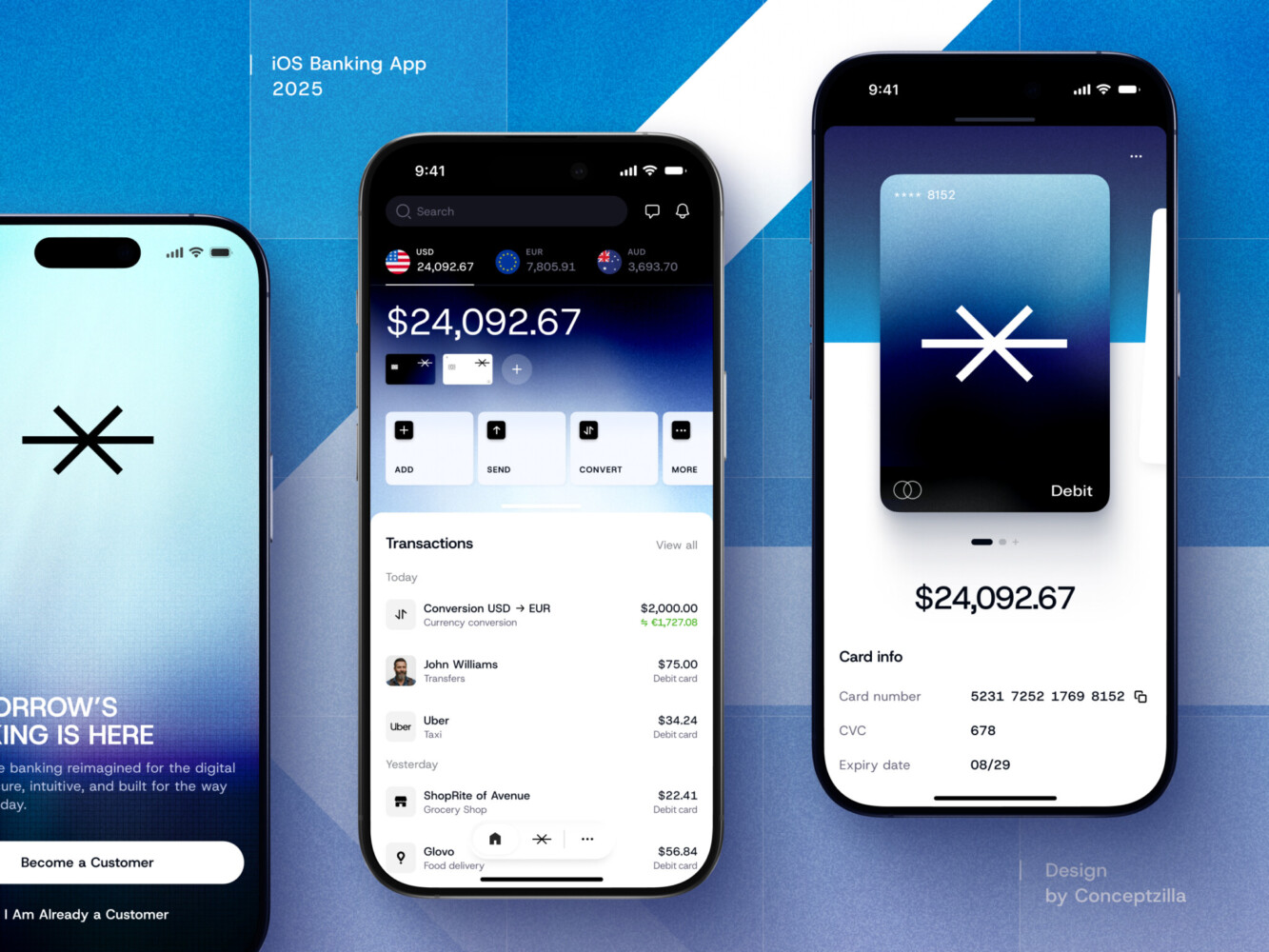
Mobile banking app by Conceptzilla
Types of Financial Data Platforms
Depending on what your company actually does, you’ll lean heavily into one of these three types.
Transaction Data Platforms
If you’re building a neobank, a payment processor, or a lending app, this is your bread and butter.
The focus here is on accuracy and continuance. You’re handling payments, transfers, and balance updates. The data structure is usually relational because you need strict ACID compliance (Atomicity, Consistency, Isolation, Durability). You can’t have a situation where money leaves Account A but doesn’t arrive in Account B. It just doesn’t work.
In my experience, these platforms are often the hardest to scale because every single transaction matters. You can’t just “approximate” a bank balance.
Market Data Platforms
This is the domain of trading firms, brokerages, and crypto exchanges. Here, speed is king. We’re talking about real-time trading systems. Stock prices, crypto ticks, order book depth. The volume is insane. Millions of updates per second.
Unlike other types of fintech data platform development, here you don’t necessarily need every single update to be stored forever in a hot database. Just process the current state instantly. So, you’ll see a lot of time-series databases and in-memory caching. If you miss a tick, it’s annoying, but if your system lags, you’re dead.
Analytics Data Platforms
These platforms aren’t usually handling live transactions. Instead, they’re sucking in data from the transaction and market platforms, cleaning it, and organizing it for heavy querying.
You use analytics platforms for regulatory reporting, customer segmentation, churn analysis, and long-term trend spotting. It’s less about “millisecond latency” and more about “can I run this complex SQL query across five years of data without timing out?”
Core Components
Regardless of the type, most robust real-time financial data platforms share a similar skeleton. You’ve got five key pieces holding it together.
Data Ingestion Pipelines
This is the front door. It’s how data gets in. Whether it’s via APIs from third-party providers, webhooks from banks, or direct feeds from exchanges, you need a reliable way to capture this stream. Tools like Kafka or Kinesis are common here because they can handle the bursty nature of financial data. If the pipeline clogs, everything stops.
Data Storage (Data Lakes / Warehouses)
Once the data is in, where does it live? Usually, you’ll have a mix. A data lake (like S3 or Azure Blob) for raw, unstructured data—you know, just in case you need to go back to the source. And a data warehouse (like Snowflake, BigQuery, or Redshift) for structured, query-ready data. In finance, you often keep both. You never know when you’ll need to reprocess historical data for a new compliance rule.
Processing Engines
This is the brain. It’s where the transformation happens. You’re taking raw JSON blobs and turning them into clean, standardized records. You’re calculating moving averages, detecting anomalies, or enriching user profiles. This can be batch processing (running jobs overnight) or stream processing (doing it live, using tools like Apache Flink or Spark Streaming).
APIs
The interface for your financial data infrastructure. Your frontend apps, mobile apps, and internal tools need to talk to the data. A well-designed API layer is crucial. It shouldn’t expose the messy underlying database structure. It should give developers exactly what they need—clean, fast, and secure. If your APIs are slow, your whole product feels sluggish.
Analytics and Dashboards
Finally, the output. This is what the stakeholders see. BI tools like Tableau, Looker, or custom-built dashboards that pull from the warehouse. This is where the data becomes information. It’s also where you’ll spot the bugs. If a dashboard shows negative revenue, you know something broke in the pipeline.
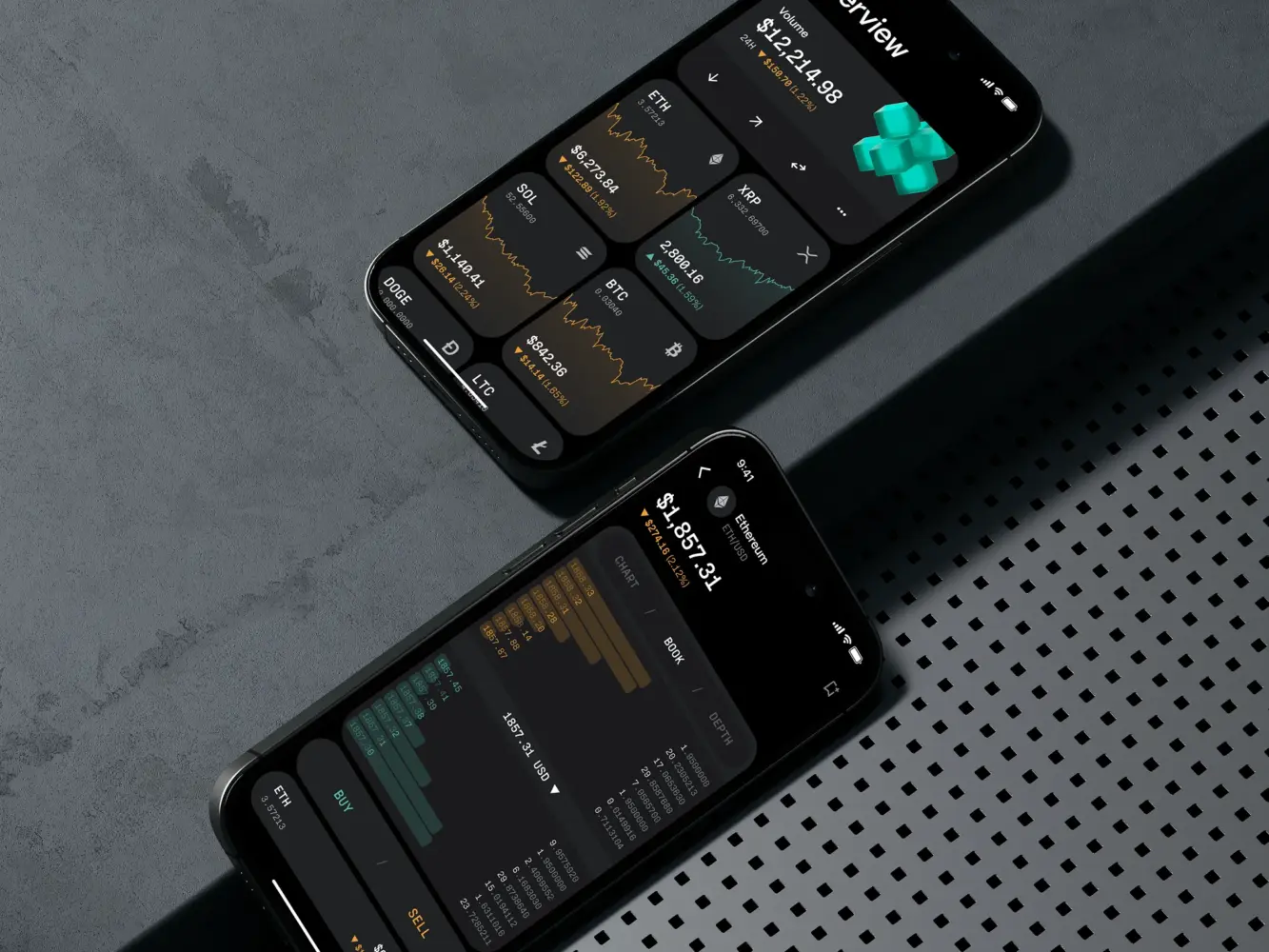
Crypto Trading Mobile App by Shakuro
Key Features of Financial Data Platforms
When I look at successful fintech infrastructures, a few key features always stand out. They’re the difference between a platform that scales and one that collapses under its own weight.
Data Integration
First off, your payment data systems are useless if they are an island. Financial data lives everywhere. You need to pull it in from dozens of different sources, and they all speak different languages.
Connecting to core banking ledgers is often painful. Many still rely on older protocols. You need robust connectors that can handle batch files, SOAP APIs, or modern open banking standards like PSD2.
Payment providers like Stripe, Adyen, or local rail systems require ingesting transaction statuses, refunds, and chargebacks in real-time. If your financial data analytics platform doesn’t know a payment failed until three days later, you’ve got a problem.
For investment apps, you’re hooking into exchanges or liquidity providers. This means handling FIX protocols or WebSocket feeds. It’s high-volume, high-speed stuff.
The goal here is normalization. You want all this disparate data to look consistent once it’s inside your walls. Otherwise, you’re spending all your time mapping fields instead of building features.
Real-Time Data Processing
Speed matters. In finance, “later” often means “too late.” We’re talking about streaming data processing. You can’t wait for end-of-day batches to detect fraud or update a user’s balance. You need to process events as they happen.
This requires low-latency real-time analytics systems. We’re talking milliseconds. If a user tries to buy a stock, the system needs to check their buying power, validate the price, and execute the trade almost instantly. If there’s lag, the price might change, the user gets frustrated, or worse, you execute at a loss.
Tools like Apache Kafka or AWS Kinesis are standard here because they decouple the data production from consumption. You can ingest a million events a second without choking the downstream services.
Data Storage and Management
Where do you put all this stuff? And how do you keep it safe? You’ll usually see a hybrid approach.
As mentioned before, you need both lakes for raw storage (cheap, flexible) and warehouses for structured analysis (fast, organized). You don’t want to run complex analytical queries on your live transactional database. That’s a recipe for downtime.
Secure data storage is about integrity. Financial data must be immutable in many cases. You can’t just “delete” a transaction. You have to reverse it with another transaction. Your storage layer for a financial data management system needs to support versioning and audit trails natively. If someone asks, “Who changed this record and when?” you need an immediate answer.
Analytics and Visualization
Data is great, but insights are better. Your platform needs to serve up dashboards that make sense. Not just for engineers, but for business teams.
This means delivering glanceable dashboards for financial insights. Like real-time P&L, user acquisition costs, churn rates, or liquidity positions. These need to be interactive. A product manager should be able to filter by region or product type and get answers in seconds.
As for the reporting tools, the regulatory one is usually huge. You need automated tools that can generate standardized reports for auditors or regulators. If you’re doing this manually in Excel, you’re doing it wrong. It’s error-prone and unsustainable.
Security and Compliance
If you mess this up, you lose your license to operate.
Everything should be encrypted at rest and in transit. No exceptions. In order to do that, use strong standards like AES-256 and TLS 1.3. Also, manage your keys properly. Don’t hardcode them in your repo.
Your real-time financial data platform needs to be built with financial regulations in mind, such as GDPR, CCPA, PCI-DSS, and SOC 2. The list goes on. Can you easily delete a user’s personal data if they request it (GDPR)? Can you prove that card data never touches your servers (PCI-DSS)?
It’s a little annoying, sure. Compliance slows things down. But it’s also your shield. When you can tell a potential enterprise client, “Our infrastructure is SOC 2 Type II certified,” it opens doors. It builds trust.
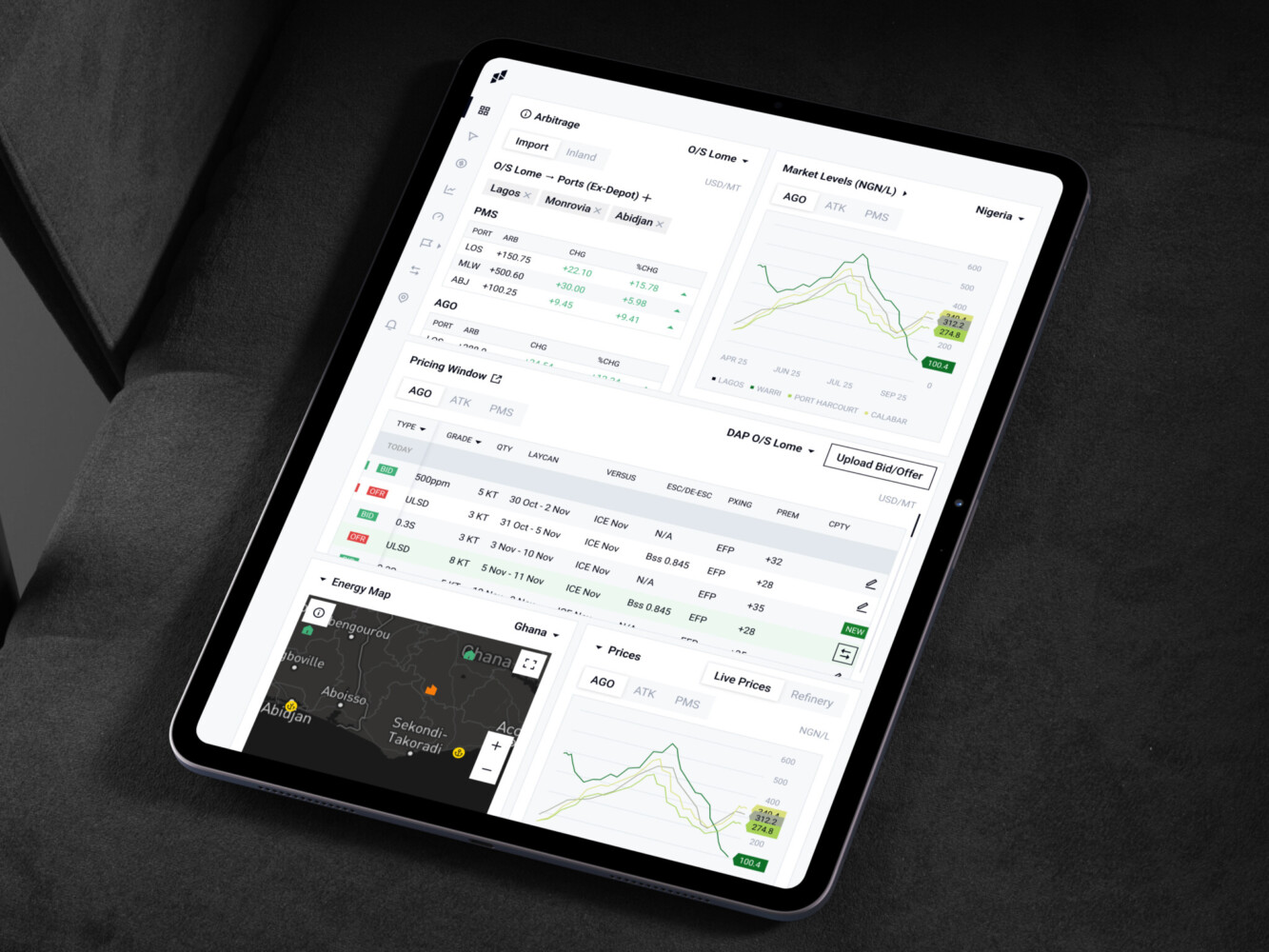
Owari platform by Shakuro
Financial Data Platform Development Process
1. Data Strategy and Architecture Design
Begin with deciding what you’re building and why. This decision will help you figure out where everything goes. Also, you prevent costly mistakes that can pop up later because you started with a vague idea.
Define data sources and flows: where is the data coming from? Is it real-time market feeds? Batch files from a legacy bank? User clicks in your app? You need to map every single source. Understand the volume, the velocity, and the variety. If you miss a critical source now, you’ll be playing catch-up later. Which is costly, I assure you.
When it comes to the platform architecture, this is where you draw the boxes and arrows. Will you go with a lambda architecture? A Kappa architecture? How will data move from ingestion to storage to consumption? You need to decide on the high-level structure. In my experience, keeping it simple at first is key. Don’t over-engineer for a million users if you only have ten. But do design it so it can scale.
2. UX/UI Design for Data Platforms
Wait, UX for a backend platform? Absolutely. If your internal teams—analysts, risk managers, support agents—can’t use the data easily, the platform fails.
Think about what questions people need to answer. Do they need to see real-time transaction volumes? Fraud alerts? Design interfaces that make these insights obvious. To keep people from wandering, use clear charts, filters, and export options.
In fintech data platform development, you need to focus on usability. It’s easy to build a dashboard that looks cool but is useless. So make sure the data is accessible. Can a non-technical user filter by date range without calling an engineer? Can they export the data to CSV? Small details matter here. If it’s hard to use, people will find workarounds, and those workarounds are usually insecure.
3. Choosing the Technology Stack
This is where the arguments happen because each team has its own favorites. But when it comes to financial data, reliability and community support are more important than hype.
FastAPI using Python will make a good choice for the backend. This platform is ideal for data processing, analysis, and machine learning. It is known for its big community of developers offering all kinds of libraries needed to implement any feature imaginable. This language can be applied even by beginners.
Besides, consider using Java and Node.js, which are widely accepted as the industry standard when it comes to creating high-throughput transactional applications. The only caveat here is that Node.js is excellent for building real-time applications and dealing with many simultaneous connections; however, it is not suitable for heavy computations.
As for the data tools, choose Kafka and Spark. The first one is the de facto standard for event streaming. It handles massive throughput and decouples services. The latter is a powerful tool for large-scale data processing. Whether batch or stream, Spark can handle it.
To build a reliable financial data infrastructure, you need reliable databases. Sounds legit. So, for transactional data, PostgreSQL is a safe bet. For analytics, I’d suggest BigQuery or Snowflake/Redshift. These columnar warehouses are built for querying huge datasets quickly.
Finally, Docker and Kubernetes will help you containerize and orchestrate everything.
If you’re scaling, you’ll need this to manage your containers. It’s complex, but it’s the industry standard for a reason.
4. Data Pipeline Development
Now, the heavy lifting. You need to build the pipes that move data from point A to point B.
This means building ETL/ELT pipelines: Extract, Transform, Load. Or Extract, Load, Transform. Depending on your stack, you might load raw data into a lake first and transform it later (ELT), which is becoming more common with cloud warehouses.
You will also need to handle large-scale data ingestion. Your pipelines need to be resilient. What happens if a source goes down? What if there’s a spike in traffic? You need retry logic, error handling, and monitoring. If a pipeline breaks, you need to know immediately.
5. API and Integration Layer
Your data is useless if no one can access it. To fix that, develop APIs for data access. During fintech data platform development, build clean, well-documented REST or GraphQL APIs. Make sure they’re secure with authentication and rate limiting. What’s more, internal teams should be able to get the data they need without hacking into the database.
Don’t forget about the external systems, because you’ll also need to push data out. Maybe to a CRM, a marketing tool, or a regulatory body. These integrations need to be robust. Don’t let a third-party outage take down your core platform.
6. Testing and Validation
In financial data engineering, “it works on my machine” isn’t good enough. You have to ensure data accuracy. That means automated tests that verify data integrity. Does the sum of transactions match the ledger? Are there any duplicate records? Data reconciliation tests should run constantly.
During development and before launch, test performance. Load test your system. Simulate peak traffic. See where it breaks. Fix it. Then test again. You don’t want to find out your system can’t handle Black Friday traffic on Black Friday.
7. Deployment and Scaling
Finally, you go live. But it’s not a one-and-done deal. When you deploy the platform, use CI/CD pipelines and automate your deployments. Manual deployments are too risky and slow.
Monitor your resources. Use auto-scaling groups in Kubernetes. As your user base grows, your infrastructure should grow with it seamlessly. And keep an eye on costs. Cloud bills can sneak up on you if you’re not careful.
It’s a marathon, not a sprint. But if you follow these steps, you’ll end up with a platform that’s not just functional but robust.
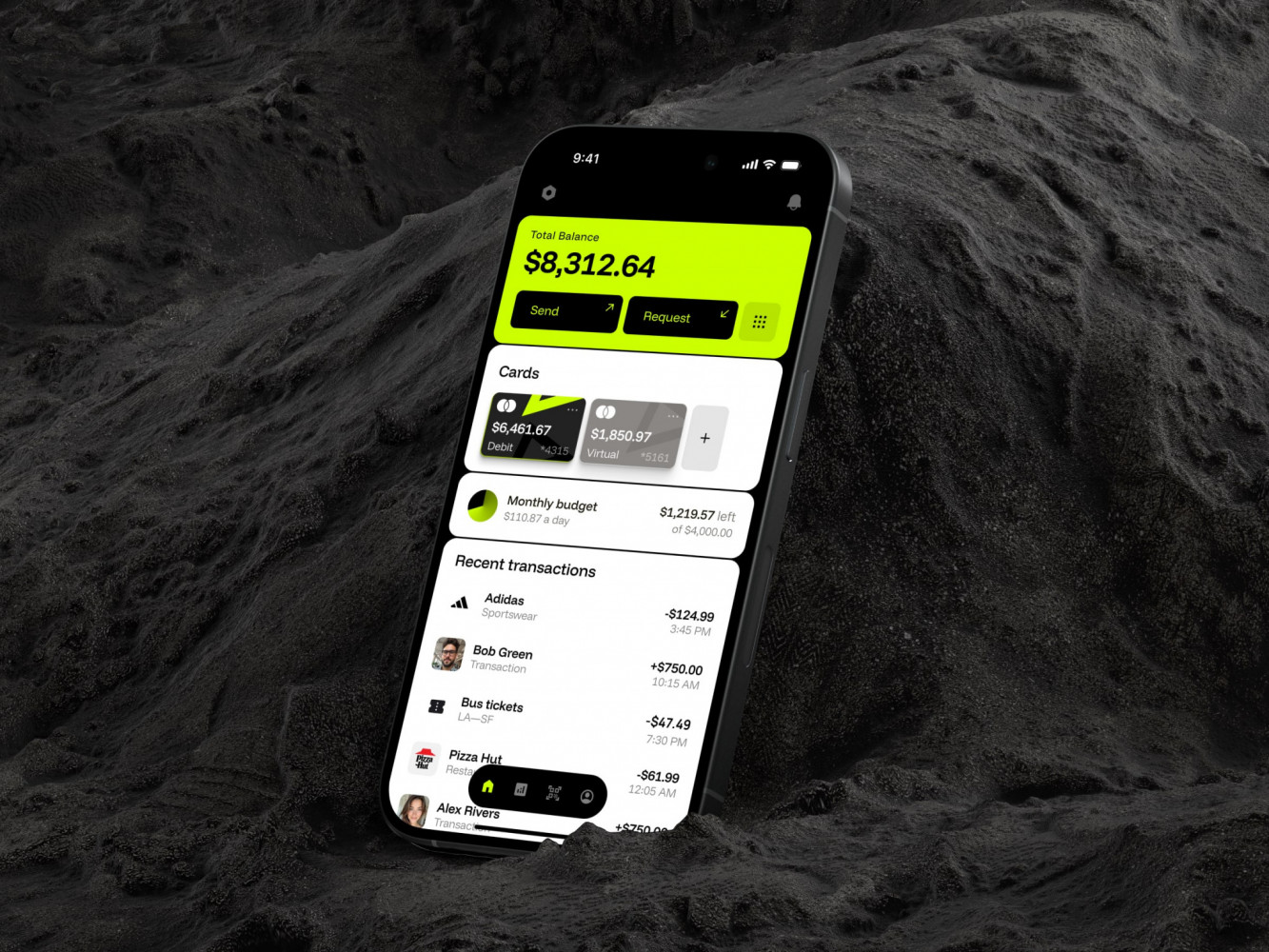
Mobile Banking App by Conceptzilla

Cost of Financial Data Platform Development
Building a financial data platform isn’t cheap. And I don’t just mean the cloud bill, though that can sting. I mean the engineering hours, the specialized talent, the compliance audits, and the inevitable “oh no” moments when you realize you need to refactor something fundamental.
If you’re a founder or a CTO, you need to have a realistic idea of what this costs. Because underestimating it is the fastest way to run out of runway.
The cost varies wildly, obviously. But a few key factors drive the price tag up or down.
Key Factors
- Data volume: This is the biggest driver. Are we talking gigabytes a month or petabytes? Storage is cheap, but processing isn’t. Querying terabytes of data in real-time requires serious compute power. And if you’re storing historical tick data for every stock trade since 2010? That adds up quickly.
- Integrations: Every outside system you connect to is a cost center. Banking APIs often charge per call. Legacy systems need custom connectors that take weeks to build and test. The more sources you have, the more complicated your ingestion layer becomes. Complexity equals cost.
- Real-time requirements: Do you need data in seconds or milliseconds? Real-time streaming infrastructure (like Kafka clusters and Flink jobs) is much more expensive to build and keep up than batch processing. You need more engineers, more monitoring, and more powerful hardware. Low latency doesn’t come free.
- Compliance: If you’re handling regulated data, you need security audits, encryption at rest and in transit, access controls, and audit logs.You might need to hire compliance officers or consultants. Getting SOC 2 or ISO 27001 certified can cost tens of thousands of dollars and months of effort. It’s not optional, but it’s pricey.
So, what does this look like in practice? Let’s look at two scenarios.
Example Scenario 1: MVP Data Platform
In the first case, you’re an early-stage fintech startup. You have a small team of maybe 3-5 engineers. You’re building a small data platform for fintech that aggregates bank accounts.
The scope will be limited because you need to ingest transaction data from a few major banks via an aggregator like Plaid or Yodlee. You can store it in a simple PostgreSQL database. There is a basic dashboard for users to see their spending.
As for the tech stack, it can be a Python backend, PostgreSQL, hosted on AWS or GCP. Maybe a simple BI tool like Metabase for internal analytics.
The timeframe might be around 3-6 months. The costs are, let’s say, $50,000 – $150,000. It’s not trivial, but it’s manageable. You’re trading off scalability and advanced features for speed and lower cost. Managed services let your team skip the work of building everything from scratch.
Example Scenario 2: Enterprise Financial Data System
For example, if you’re a neo-bank or trading platform with millions of users, you need real-time fraud detection, complex risk modeling, regulatory reporting, and sub-second trade execution.
The scope for this type of financial data engineering will be more vast. You’re ingesting data from dozens of sources (banks, exchanges, credit bureaus). There are real-time streaming pipelines, and you’re storing data in a data lake and a warehouse. You have custom dashboards for risk, compliance, and product teams.
The tech stack will consist of a Java/Python backend, Kafka for streaming, Spark for processing, Snowflake/BigQuery for warehousing, and Kubernetes for orchestration. Custom-built APIs and microservices.
Of course, this platform will require more experienced financial data platform developers. For example, a team of 20+ engineers, data scientists, and DevOps specialists. Building the platform completely might take from one to two years.
The level of compliance is also higher: audits, penetration testing, and compliance staff. As well as the total costs, they can get to $500,000–$2,000,000+.
Financial data platform scenarios compared:
| Financial data platform | MVP data platform | Enterprise financial data system |
| Scope | Transaction data from a few major banks via Plaid or Yodlee, basic spending dashboard | Dozens of sources, real-time streaming pipelines, data lake and warehouse, custom risk and compliance dashboards |
| Tech stack | Python backend, PostgreSQL, AWS or GCP, maybe Metabase | Java/Python, Kafka, Spark, Snowflake/BigQuery, Kubernetes |
| Team | 3-5 engineers | 20+ engineers, data scientists, and DevOps specialists |
| Timeline | Around 3-6 months | One to two years |
| Cost | $50,000 – $150,000 | $500,000–$2,000,000+ |
See the difference? It’s night and day. The MVP is about proving the concept. The enterprise system is about scale, reliability, and compliance.
My advice? Start small. Don’t build the enterprise system on day one. You won’t have the data volume to justify it, and you’ll burn through your cash. Build the MVP. Validate your model. Then, as you grow, invest in the infrastructure. Scale your platform as your business scales. It’s cheaper, smarter, and less stressful.
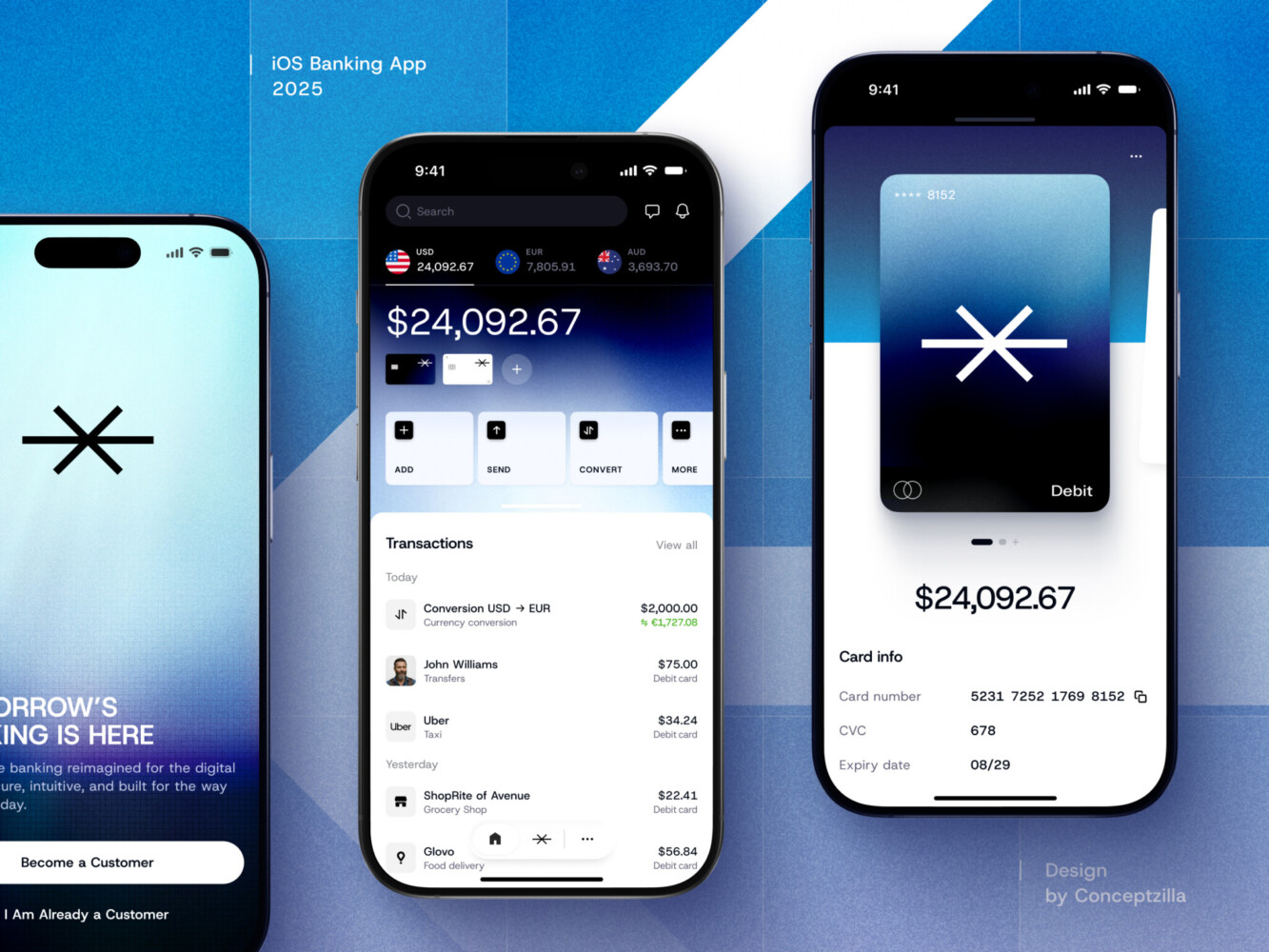
Mobile banking app by Conceptzilla

Common Challenges in Financial Data Platform Development
I’ve seen plenty of teams hit a wall. They start with high energy, great diagrams, and a clear vision. Then reality kicks in. The data gets messy. The regulators ask tough questions. The cloud bill arrives.
Here are the four big headaches you’re going to face.
Handling Large Data Volumes
It starts small. A few thousand transactions a day. Your database handles it without breaking a sweat. You feel good.
Then you launch a marketing campaign or you get featured in the press. Suddenly, you’re getting a hundred thousand transactions an hour. Maybe a million. Your queries slow down. Your dashboards time out. The ingestion pipeline starts lagging. This is the “success disaster.” It’s great that you’re growing, but your infrastructure wasn’t built for this scale.
Handling volume is about architecture. You need to shard your databases. You need to partition your data. You need to move cold data to cheaper storage so your hot path stays fast.
Can your system handle a spike in traffic at 9:30 AM when the market opens? If not, you’re in trouble.
Ensuring Data Accuracy
In social media, if a like count is off by one, nobody cares. In fintech data platform development, if a balance is off by one cent, you have a problem.
Data accuracy is hard because data is messy. Sources send data in different formats. Time zones are inconsistent. Currency conversions have rounding errors. Networks drop packets.
You need robust validation at every step.
You also need reconciliation. This is the process of comparing two sets of records to make sure they match. You reconcile your internal ledger with the bank’s statement and your trade log with the exchange’s report. If they don’t match, you need to know why. Immediately.
Meeting Regulatory Requirements
Depending on where you operate, you’re dealing with GDPR, CCPA, PCI-DSS, SOC 2, AML (Anti-Money Laundering), KYC (Know Your Customer), and maybe even Basel III if you’re holding capital.
Each of these has specific requirements for how you handle data.
For GDPR, you need to be able to delete a user’s personal data upon request. But what if that data is part of a transaction record you’re required to keep for seven years? Now you have a conflict. You need to architect your system to separate personal identifiable information (PII) from transactional data so you can anonymize one while keeping the other.
In PCI-DSS, if you handle card data, you can’t store certain fields. You need tokenization. Your financial data infrastructure needs to be segmented. You need regular audits
The challenge is that regulations change. What’s compliant today might not be tomorrow. Your platform needs to be flexible enough to adapt. If you hardcode compliance rules into your application logic, you’ll be rewriting code every time a law changes. Bad idea.
Build compliance into the architecture. Use policy-as-code. Make it easy to audit. Trust me, when the auditors come knocking, you want to be able to hand them a report, not a panic attack.
Scaling Infrastructure
Scaling is about handling more complexity. As you add features, your financial transaction systems grow. Microservices multiply, dependencies increase, deployment becomes harder, and monitoring becomes noisy.
You need to scale your operations as well as your servers:
- Automation: You can’t manually deploy services anymore. You need CI/CD pipelines. Infrastructure as Code (Terraform, CloudFormation).
- Observability: You need to know what’s happening in real-time. Logs, metrics, traces. If a service slows down, you need to know which one and why.
- Cost management: Scaling often means spending more. But inefficient scaling means spending way more. You need to monitor your cloud costs. Turn off unused resources. Optimize your queries.
It’s a balancing act. You want reliability, speed, and low cost. Usually, you can only pick two. The trick is finding the right trade-offs for your stage of growth.
In the end, a real-time financial data platform is your competitive advantage. It’s what lets you move faster than the incumbents. It’s what lets you build trust with your users. And that’s worth the hassle.

Abyss Crypto Management App by Conceptzilla
Our Experience in Fintech and Data Platform Development
At Shakuro, we’ve been in the trenches for more than 19 years. We’ve helped startups and established players build reliable, easy-to-navigate products of different complexity.
Financial Systems
We’ve created everything from neo-banking apps to trading platforms. ACID compliance is the law. We’ve learned to expect the unexpected and build safeguards everywhere. Together with compliance, our teams focus on building accessibility. All those massive amounts of data are turned into glanceable elements. It increases speed and impacts decision-making.
Analytics Platforms
Data is useless if you can’t make sense of it. We’ve designed analytics platforms that turn raw noise into clear signals.
With their help, people can spot trends, identify risks, and make decisions faster. What’s more, our analytics are automated, meaning AI quickly processes the raw numbers and transforms them into insights. So you have more time doing what you do best.
Scalable SaaS Products
Financial data platform development is increasingly SaaS. And SaaS means scale. You need to handle thousands (or millions) of tenants, each with their own data, permissions, and configurations.
We’ve helped clients architect multi-tenant systems that are secure and performant with patterns like schema-per-tenant or row-level security, depending on the needs. We’ve optimized queries to ensure that one heavy user doesn’t slow down the whole platform. It’s a balancing act between isolation and efficiency. Moreover, our developers integrate scalable tools from day one, so when you hit 10,000 users, that won’t be a surprise for you.
Data Engineering
Without solid data engineering, everything else crumbles. Our team lives in the world of Kafka, Spark, Python, and SQL. We’ve built pipelines that ingest terabytes of data daily. We’ve handled real-time streaming for fraud detection. We’ve cleaned up messy legacy data migrations that made everyone cry.
When it comes to choosing a tech stack for financial data engineering, our team prefers stability. We use well-known tools with strong communities and proven track records.
If you’re building a financial data platform, you don’t have to go it alone. You don’t have to reinvent the wheel. You can stand on the shoulders of those who’ve been there before.
To prove these words, here are two real-life cases from Shakuro’s portfolio.
TraderTale: Develop a Trading Platform
TraderTale is a trading platform, its creators needed a solution with an easy-to-use design, engaging interactions, and a pinch of gamification.
The main challenge here was to strike a balance between game mechanics and heavy fintech data. We integrated a leaderboard that helped users focus on progress. Also, its competitive spirit added to engagement. What’s more, we turned user profiles into a personalized space, where they can see charts, advanced stats, and highlights.
As a result, TraderTale got a responsive solution that spiced trading mechanics with gamification and personalization.
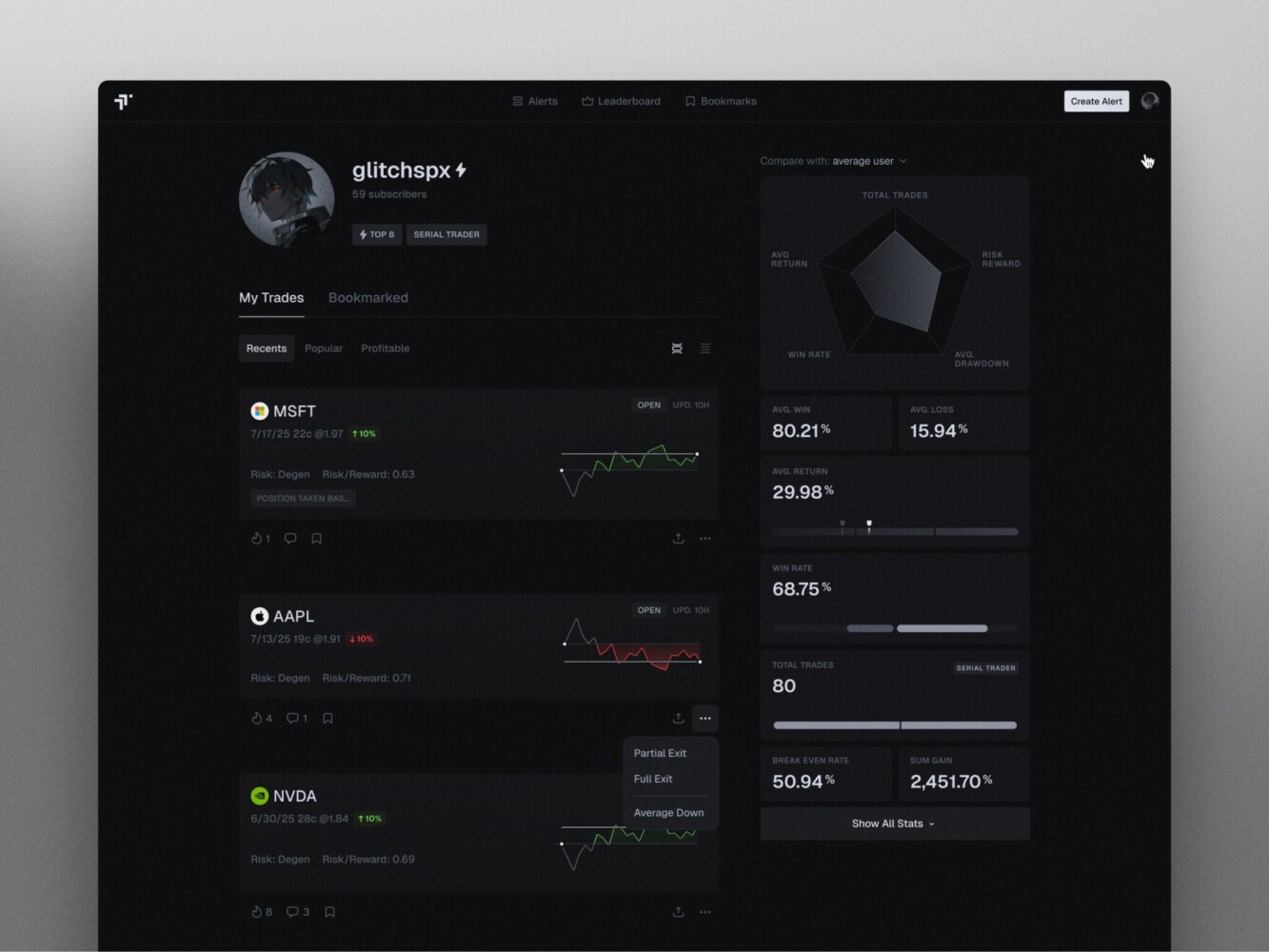
TraderTale: Social Platform for Traders by Shakuro
Symbolik: Create a Solution For Financial Analysis
Symbolik is a solution for financial analytics we collaborated on with Tom DeMark. He is the legendary creator of the DeMark Indicators, and this time he wanted an advanced fintech platform with socials.
With the help of Next.js and React, we build a reliable but eye-catching frontend with real-time interactions. Our financial data platform developers built Symbolik Chart, one of the key features, which offered chart customization, asset management, and insights sharing. Apart from coding, we also did a complete UI/UX redesign of the DeMark’s solution. The team added engaging social feed, personalized profiles, convenient messaging, etc.
Symbolik Social has become a go-to platform for both beginners and professionals, where they can share insights and learn from each other.
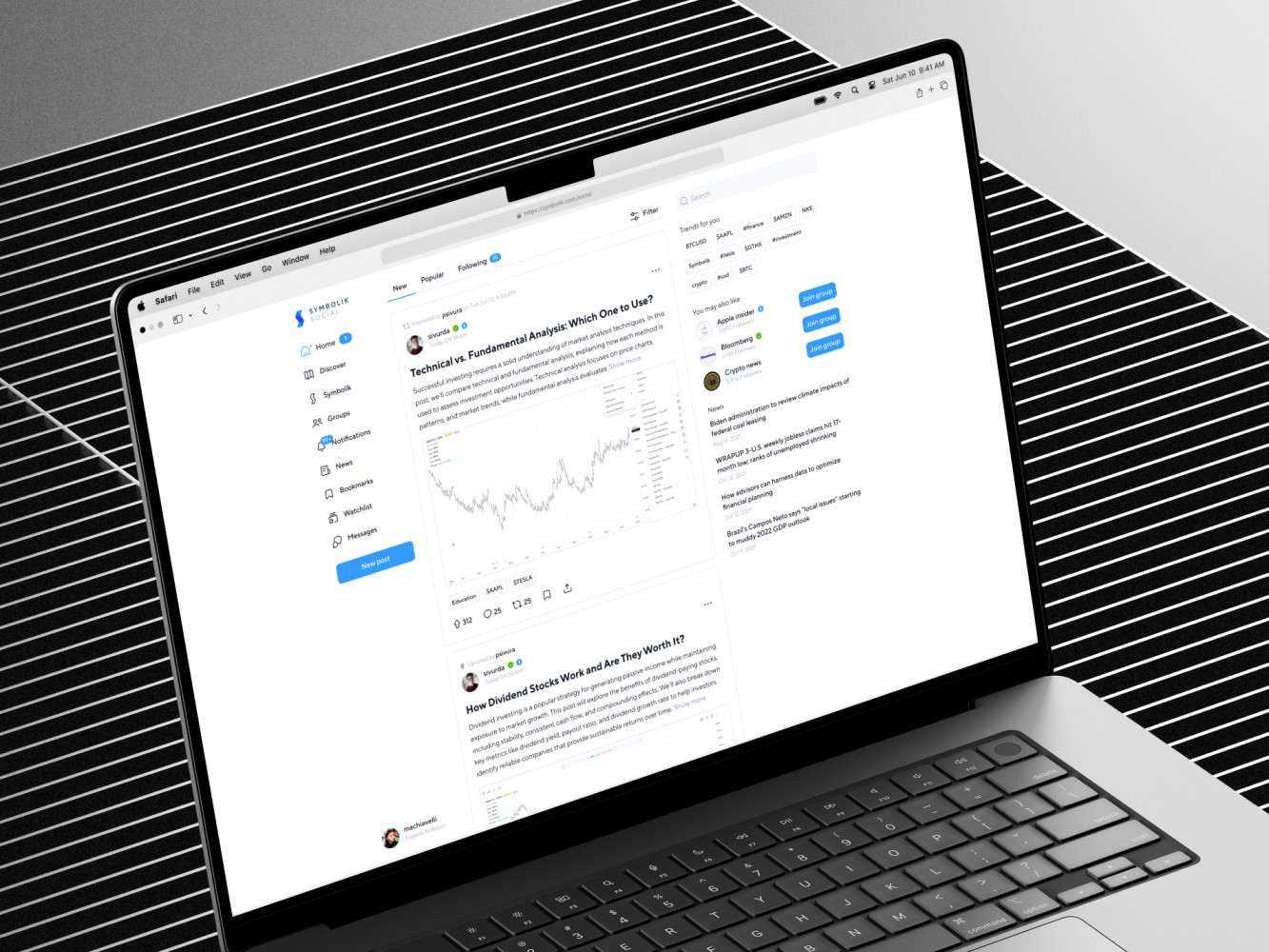
Symbolik case by Shakuro
Why Work with a Financial Data Platform Development Company
Look, I get it. Hiring an external team feels like a big step. Maybe you have a solid in-house crew. Maybe you’re worried about handing over the keys to your kingdom. It’s a valid concern.
But building a financial data analytics platform is a specialized sport. It’s navigating a minefield of regulations, performance bottlenecks, and security risks that most generalist developers haven’t even heard of. So, why bring in a partner who specializes in this? Why work with a financial data platform development company?
Expertise in Fintech Systems
Fintech has its own language, its own quirks, and its own set of “gotchas.” If you’ve never dealt with ISO 20022 messaging standards, or if you don’t know what idempotency means in the context of payment retries, you’re going to spend months learning the hard way.
Financial data platform developers bring that knowledge on day one. They know that banking APIs are often flaky and require robust retry logic. They know that ledger systems need to be immutable. They know that regulatory reporting needs to be baked into the architecture.
A specialist catches bugs in the design phase. It’s cheaper. It’s faster. And it’s less stressful for everyone involved.
Scalable Data Architecture
Scaling is hard. Scaling correctly is harder. Most teams build for where they are today. But fintech moves fast. You might have a thousand users now, but what happens when you hit a million? What happens when you expand to a new country with different data residency laws?
A specialized development company designs for tomorrow. They build an architecture that can grow. The developers think about sharding strategies early and design microservices that can be scaled independently.
It’s about future-proofing. You don’t want to reach a point where your only option is a complete rewrite. That’s a business killer. When working with experts, you get an infrastructure that bends instead of breaks. It adapts.
Secure Infrastructure
Security is the foundation in financial data engineering. If you’re handling financial data, you’re a target. Hackers don’t care about your startup story; they care about your data. And regulators don’t care about your budget; they care about compliance.
Building secure infrastructure requires a mindset shift. It’s about encryption at every layer: strict access controls, audit logs that can’t be tampered with, regular penetration testing, and vulnerability scans.
Financial data platform developers live and breathe this stuff. They know the standards—PCI-DSS, SOC 2, GDPR. Moreover, they understand how to implement them without crippling your product’s usability.
It’s peace of mind. Knowing that your infrastructure is built to withstand attacks. Knowing that you can sleep at night without worrying about a headline-breaking data leak.
So, yeah. You could do it all yourself. You could learn every lesson the hard way. But why would you? Partnering with a specialized team lets you focus on what you do best: building your product, acquiring customers, and changing the industry. Let us handle the heavy lifting of the infrastructure.
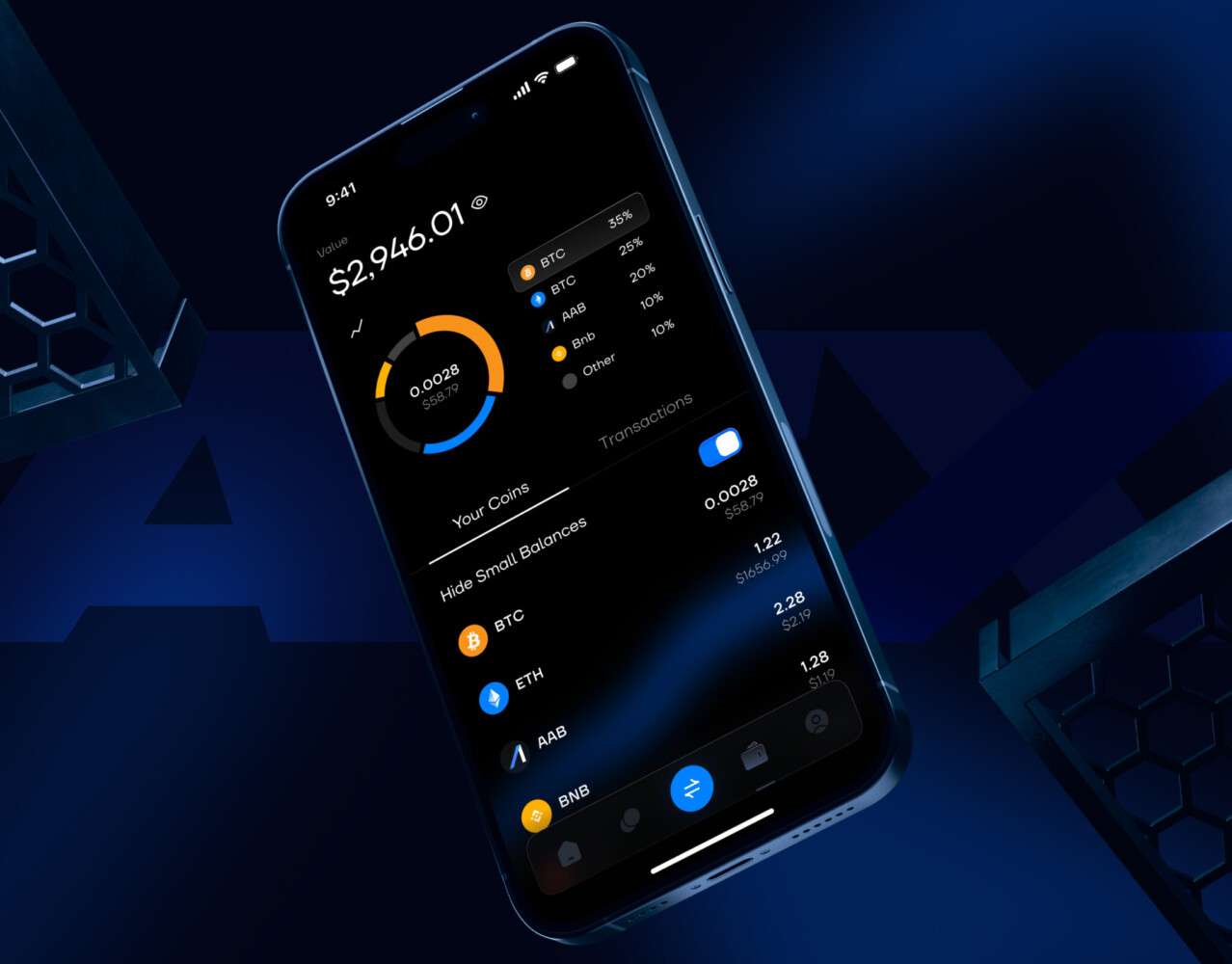
ATX app by Shakuro
FAQ
How much does financial data platform development cost?
An MVP financial data platform that aggregates bank accounts typically costs $50,000 – $150,000, while an enterprise system with real-time fraud detection, risk modeling and regulatory reporting can reach $500,000-$2,000,000+. Data volume is the biggest cost driver, followed by the number of integrations, real-time requirements and compliance work. Certifications such as SOC 2 or ISO 27001 alone can take tens of thousands of dollars and months of effort.
How long does it take to build a financial data platform?
A focused MVP financial data platform takes around 3-6 months when it ingests transactions through an aggregator, stores them in PostgreSQL and shows a basic spending dashboard. An enterprise platform for a neobank or trading business, with dozens of data sources, streaming pipelines, a data lake and warehouse, and custom risk and compliance dashboards, can take 1 to 2 years to build completely.
What team does financial data platform development require?
An early-stage fintech can build an MVP financial data platform with a small team of maybe 3-5 engineers, relying on managed services instead of building everything from scratch. An enterprise system needs a team of 20+ engineers, data scientists and DevOps specialists, plus compliance staff for audits and penetration testing. Experience with ledgers, payment retries and regulatory reporting matters more than headcount.
What should an MVP include when building a financial data platform?
An MVP should prove the concept quickly and trade advanced features for speed. A typical scope is ingesting transaction data from a few major banks through an aggregator like Plaid or Yodlee, storing it in PostgreSQL and giving users a basic spending dashboard. A Python backend hosted on AWS or GCP and a simple BI tool like Metabase for internal analytics complete the setup.
Which regulations shape financial data infrastructure?
Financial data infrastructure usually has to account for GDPR, CCPA, PCI-DSS and SOC 2, and depending on the business also AML, KYC and Basel III. In practice, that means encryption at rest and in transit, tokenization of card data, audit logs and immutable records. Separate personal data from transaction records so you can anonymize one while keeping the other, and use policy-as-code instead of hardcoded compliance rules.
How do I choose a development partner for financial data platform development?
Choose a partner that already speaks the language of fintech. Ask whether they have worked with ISO 20022 messaging, how they handle idempotency in payment retries, how they keep ledgers immutable and how they build reconciliation tests. Check that they plan sharding and independently scalable services early, and that they bake regulatory reporting and security into the architecture instead of adding them after launch.
Final Thoughts
If you’ve made it this far, you probably realize that a financial data platform is the backbone of your entire business.
As we wrap this up, I want to leave you with three things to keep in mind. These are the non-negotiables. The pillars that hold everything up in financial data platform development.
- Data Reliability
Trust is hard to earn and easy to lose. If your users can’t trust their balance, they’re gone. If your traders can’t trust their pricing, they’re out. Build systems that prioritize accuracy above all else. Reconcile often. Validate constantly. Make reliability your brand.
- Scalability
Don’t build for today. Build for where you want to be in two years. Because if you succeed, you will grow. And if your infrastructure can’t handle that growth, success becomes a liability. Design for scale from day one, even if you start small. It’s much cheaper to scale up than to rebuild.
- Security
It’s existential. Protect your data like it’s your own money—because in a way, it is. Encrypt everything. Audit access. Stay compliant. Security is a culture. Make it part of your DNA.
Building a real-time financial data platform is a journey. It’s complex, sure. It’s expensive, yes. But it’s also incredibly rewarding.
So, what’s next? If you’re ready to stop wrestling with fragmented tools and start building a system that actually works for you, let’s talk. Reach out. Let’s look at your specific challenges. Let’s sketch out a plan. Because the best time to build a solid foundation was yesterday.
Related reading
- Data Warehouse Development: How to Build Scalable Data Storage Systems
- Data Pipeline Development: How to Build Reliable, Scalable Data Systems
- Predictive Analytics Systems: How to Build Software That Turns Data Into Decisions
- Data Visualization Platforms: How to Choose, Design, and Build the Right Solution