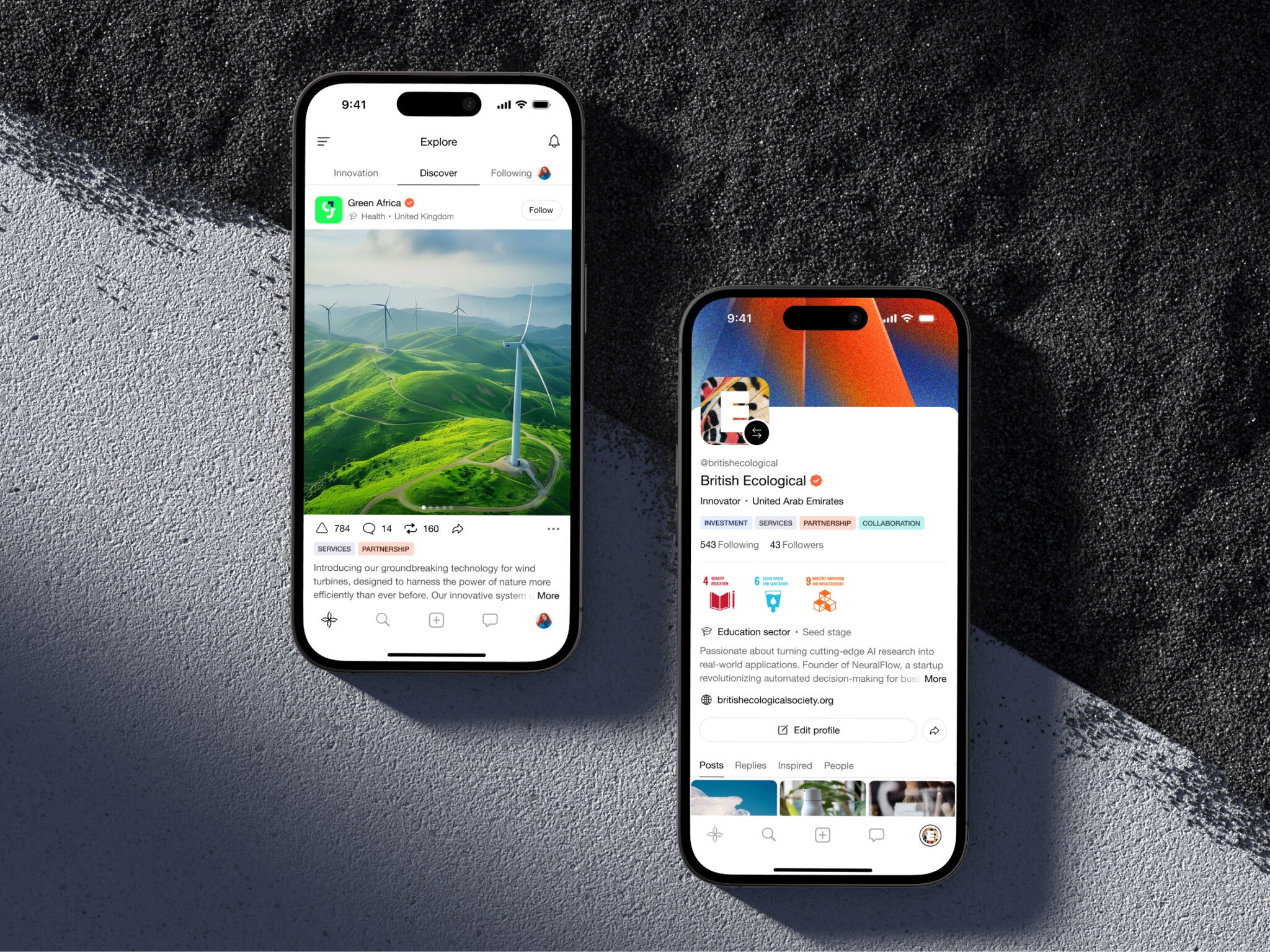
Choosing a mobile app development platform comes down to your users, your feature list, and your time and budget. Cross-platform frameworks like React Native share ~85–95% of code across iOS and Android, and for apps built on forms, feeds, and dashboards they get you 80–90% of the way with half the effort. Teams can go from wireframes to App Store submission in under 10 weeks using Flutter, something that would take twice as long and twice the headcount with native.
Native iOS and Android pay off when the app relies on device hardware, needs best-in-class performance, or handles money and health data. That matters most for crypto wallet apps, where key storage and signing have to feel native and secure. What works for a social app built with Flutter might be overkill or underkill for a B2B field service tool.
Below, we cover the key factors, when native is the right choice, hybrid and cross-platform development with a comparison table, business impact, and case studies. If you need a team to build the app, see our mobile app development services.
For those who prefer to listen rather than read, this article is also available as a podcast on Spotify.
Why Platform Choice Matters for Your Mobile App’s Success
Most founders don’t lose sleep over whether to use Swift or Kotlin. They’re thinking about users, retention, and revenue. And that’s fair! But your platform choice quietly shapes all of those things, often in ways you won’t notice until it’s too late.
Apart from being a technical detail, picking a platform is also a product decision. It affects how smooth your app feels, how quickly you can ship new features, how much engineering time gets eaten up by quirks and workarounds, and even how trustworthy your app seems to users.
The result impacts a large period: six months or even a year. Are you planning to integrate AR? Onboard Web3 wallets? Tap into ultra-low-latency background processing? Some platforms, like native iOS or Android, make those paths wide open; others turn them into uphill climbs with no guardrails. Worse, switching later is brutal. It’s expensive, slow, and demoralizing for your team. You’ll be rebuilding while your competitors are iterating.
So yeah, choosing the right mobile app platform matters, because it silently determines how much friction stands between your vision and the experience your users actually get. Get it right, and you’ve got a runway to grow. Get it wrong, and you’re patching holes before you’ve even left the dock.
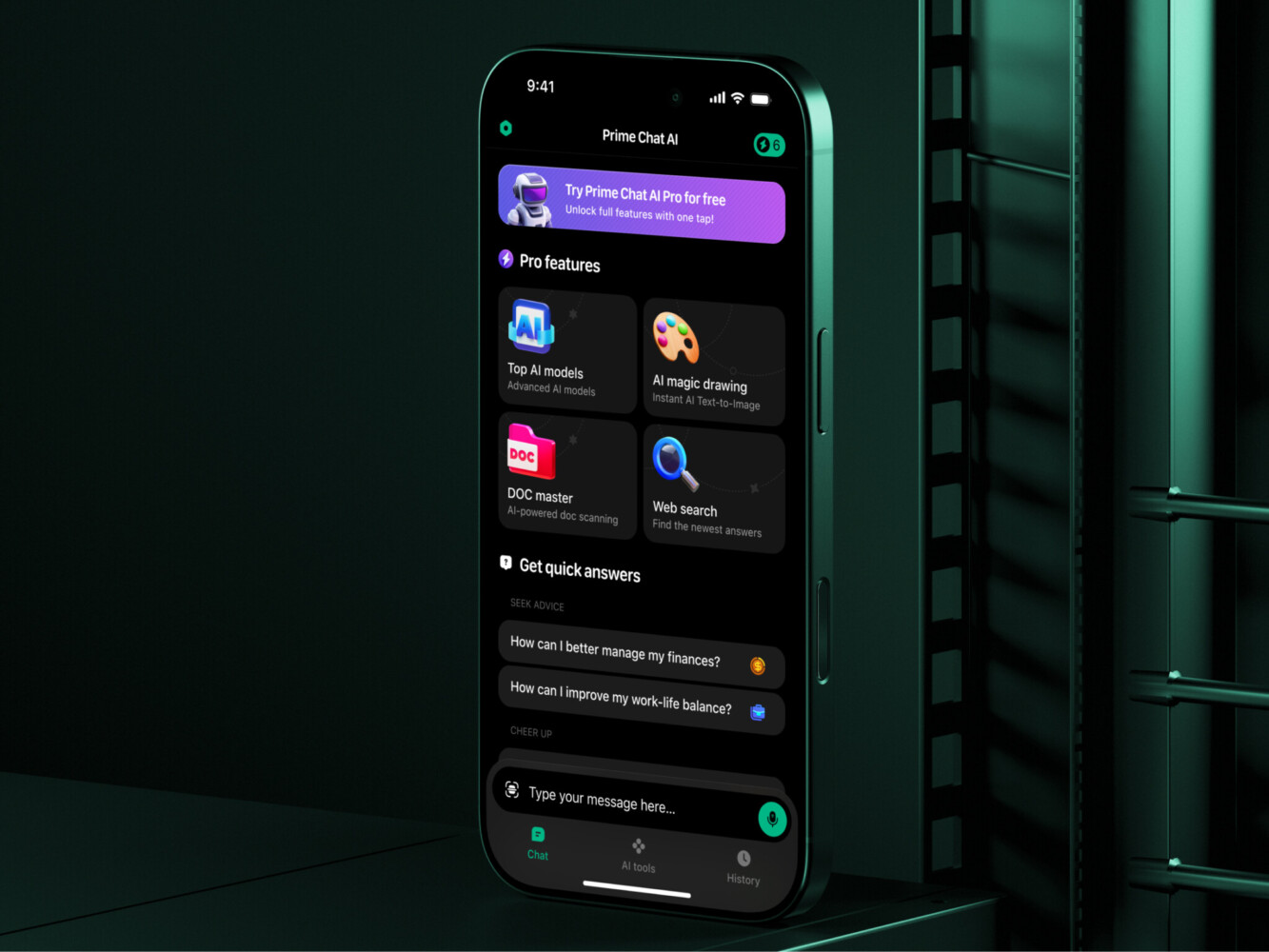
Prime Chat AI Mobile Assistant by Shakuro
The Key Factors to Consider When Choosing a Platform
Target Audience: iOS vs Android vs Cross-Platform
When comparing React Native vs iOS vs Android, the first question to ask yourself is, “Who’s actually going to use this thing?” It sounds obvious, but often teams build beautifully polished iOS apps only to realize their core users are on budget Android phones.
If your app targets professionals in North America or Western Europe, iOS might genuinely be the smarter first bet because of higher average revenue per user, a more consistent device ecosystem, and, let’s be real, Apple users tend to tap “buy” faster. But if you’re building something for emerging markets, students, or a broad consumer base globally, Android’s sheer volume is hard to ignore.
If your audience is split fairly evenly or you just can’t afford to alienate either side early on, cross-platform makes sense. But don’t default to it just because it’s trendy. Ask: Will my users notice if the experience isn’t quite “native”? Because sometimes they will. Little things, like how pull-to-refresh feels or how notifications behave, add up to a subconscious “this app gets me.”
App Functionality and Performance Requirements
Not all apps are created equal. A simple task manager with offline sync? Yeah, React Native or Flutter can handle that just fine. But start layering in heavy camera processing, real-time video filters, AR navigation, or tight Bluetooth LE integrations, and you’ll quickly bump into the walls of cross-platform abstractions.
For example, you can try implementing a cross-platform framework for a fitness tracker syncing with custom hardware. On paper, it works. In practice, background sync might randomly drop on Android because the framework doesn’t expose deep enough control over wake locks and foreground services. So, you will have to rewrite half the logic in native modules, which defeats the whole “save dev time” premise.
So when you think about the best mobile app development platform for your project, be brutally honest about your feature list. If you’re relying heavily on platform-specific capabilities (Face ID, ARKit, Android’s Nearby Share, etc.), or if performance is non-negotiable (gaming, audio/video editing, or anything latency-sensitive), native might be the only viable path.
Budget and Time to Market
Now, money and deadlines. No matter how brilliant your idea is, cash runs out, and competitors don’t wait.
Going fully native means two separate codebases, two teams or one stretched-thin team, and roughly double the QA effort. That’s expensive and slow. If you’re bootstrapped or racing to validate an MVP, that math might not work.
Cross-platform mobile development with tools like React Native or Flutter really shines here. One codebase, shared business logic, and faster iteration, so you can often launch on both platforms in the time it’d take to finish one native version. And honestly, for many apps, the trade-off in polish is worth it early on.
Of course, don’t assume that cross-platform will always save you money in the long run. If your app becomes complex enough, you’ll probably end up hiring native development talent to build custom modules or troubleshoot cross-platform issues. So don’t just think about the upfront cost; think about the maintenance cost later on.
What’s the best approach? If your app has a lot of UI elements but needs moderate native development, go cross-platform. If your app has to integrate with device hardware or needs smooth performance out of the gate, it’s time to go native, even if it means starting with just one platform.
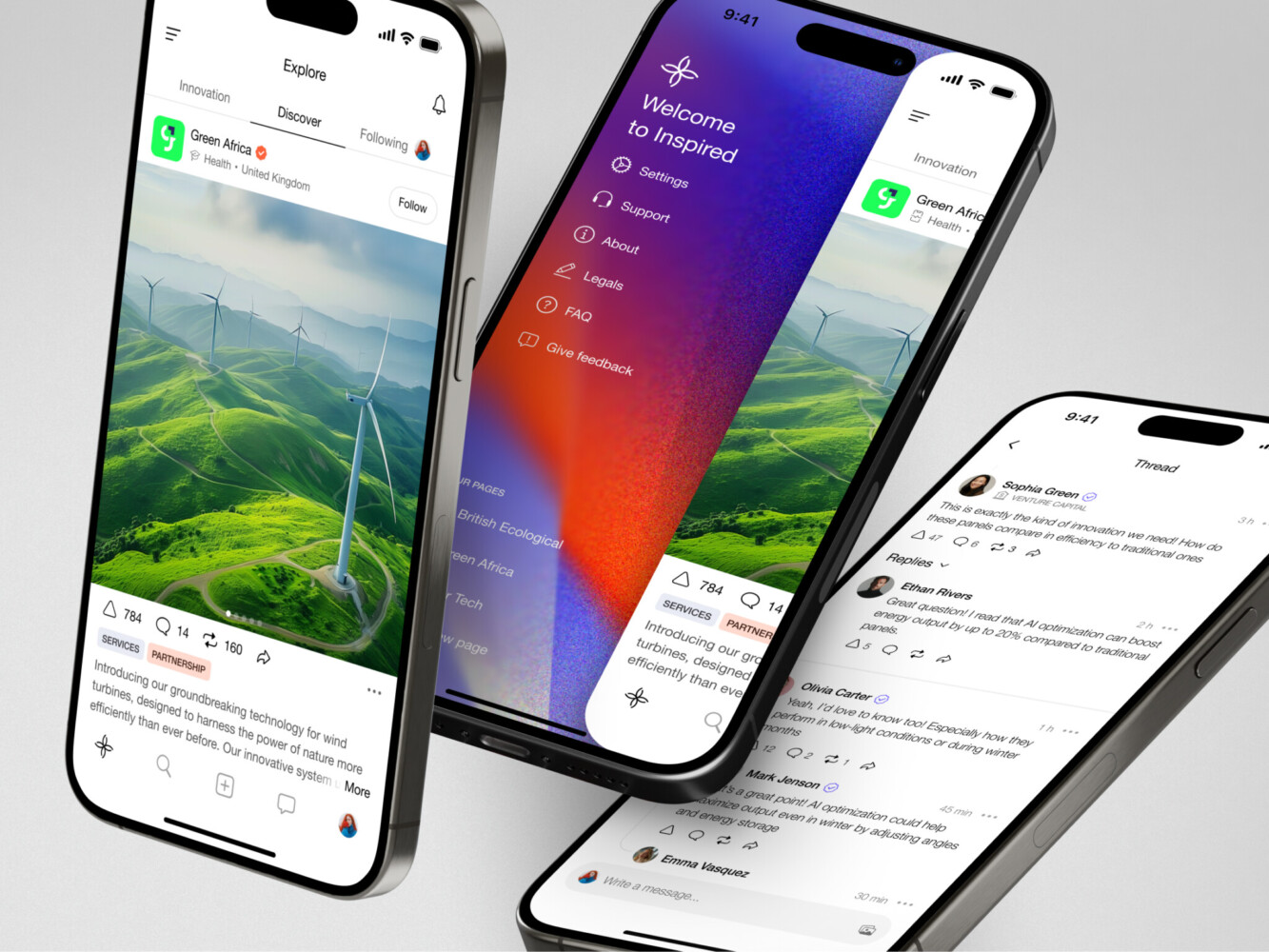
Mobile app for Inspired by Shakuro
Native Mobile Development: When Is It the Right Choice?
Full Access to Device Features
When your app relies on the phone’s hardware, such as GPS, sensor fusion, or camera capabilities, you will run into issues with cross-platform development. Yes, you can always develop native modules to overcome this, but this defeats the purpose of using React Native to begin with.
For instance, for a drone-control startup, switching to native Android (and later iOS) unlocks capabilities they haven’t even planned for when being hybrid, like background geofencing and seamless handoff to Apple Watch.
If your app lives in the physical world through sensors or peripherals, native opens doors to all the features for you.
Optimal Performance and Speed
Most apps don’t need 60 fps animations or sub-millisecond response times. But what if yours does? Comparing native vs hybrid mobile apps in terms of performance, you get better results with native, of course. Gaming, professional video or audio editing, 3D modeling, and live broadcasting—these are all domains where every millisecond counts, and the extra layer of abstraction in cross-platform runtimes becomes a bottleneck.
Take video editing, for example. On iOS, you’ve got Metal and Core Image working together at the GPU level. On Android, there’s Vulkan and RenderScript (or now, Jetpack Compose with direct NDK access). Cross-platform frameworks can’t match that depth of integration. You’ll either compromise on features or end up writing so much native code that you might as well have started native from day one.
Custom native apps tend to feel more “at home” because they follow platform-specific interaction patterns and respond predictably under load. Users might not articulate why, but they’ll notice when an app stutters during a critical moment. And UX impacts business metrics.
Native Development for Security and Compliance
If you’re in fintech, healthcare, or any space handling sensitive personal data, cutting corners on security isn’t an option because regulators know it. Native platforms offer hardened, audited pathways for secure storage, encrypted communication, biometric auth, and sandboxing that cross-platform solutions often wrap imperfectly or not at all.
There is contrast in the level of control in the native vs hybrid mobile apps comparison. Native development gives you finer control over how your app behaves in edge cases, like what happens when the OS kills your background process or how memory is purged during low-resource states. In regulated industries, those details are part of your compliance posture.
That’s why, when your app handles money, health records, or anything that could land you in legal hot water if mishandled, native is often the responsible choice.
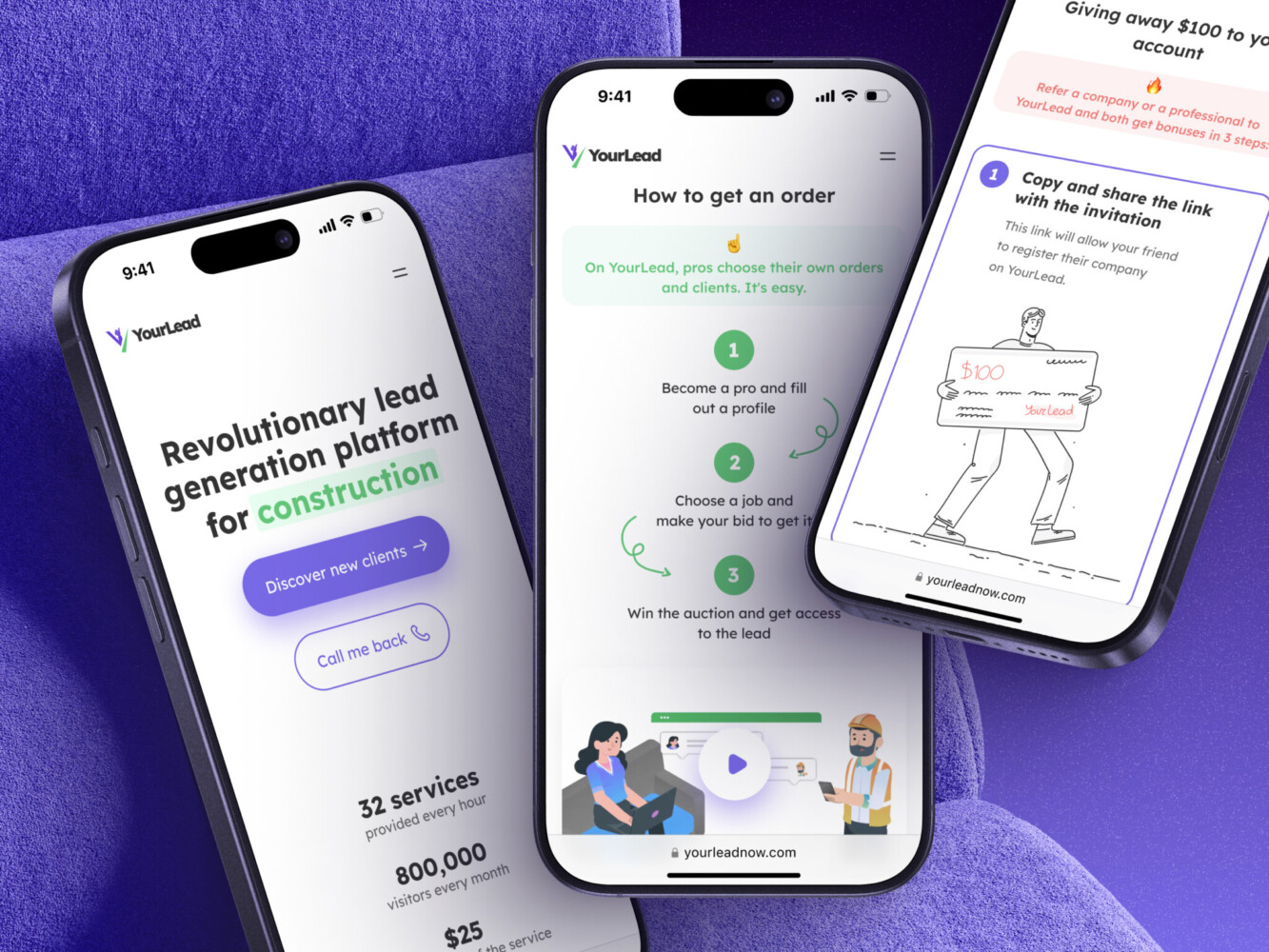
Mobile App for Construction Lead Generation Platform by Shakuro
Hybrid and Cross-Platform Development: What You Need to Know
How to choose a mobile app development platform when it comes to hybrid and cross-platform? Well, they aren’t quite the same thing, but in practice, most people lump them together. True hybrid apps on Cordova or Ionic wrap a web app in a native container, while cross-platform frameworks like React Native and Flutter compile to a near-native code but share logic across platforms. Xamarin sits somewhere in between, using C# with native UI rendering.
React Native is great if you’ve got JavaScript talent on hand or are already in the React ecosystem. It’s mature, has a massive community, and Meta still uses it internally, so it’s not going anywhere. Flutter, on the other hand, gives you pixel-perfect control and blazing-fast UI thanks to its own rendering engine. And Xamarin is still solid, especially if your team lives in the .NET world, but it’s lost some steam since Microsoft shifted focus toward MAUI.
These tools really shine when your priority is speed-to-market across iOS and Android without maintaining two separate teams. If your app is mostly forms, feeds, dashboards, or content delivery, these frameworks can get you 80–90% of the way there with half the effort.
When to Choose Hybrid or Cross-Platform Over Native
Here’s a quick gut check:
- Your app is UI-heavy but not performance-critical (social apps, productivity tools, e-commerce, or internal enterprise tools.)
- You’re resource-constrained. One small team, tight budget, or need to validate an idea fast. Cross-platform lets you test both markets without doubling your burn rate.
- Design consistency matters more than platform convention. Some brands want their app to look and feel identical everywhere, and that’s easier with Flutter or React Native than wrestling with Apple’s Human Interface Guidelines vs. Material Design.
But, when choosing the best mobile app development platform, there are trade-offs you can’t ignore. First, performance is acceptable but rarely best-in-class. Animations might hitch on low-end Android devices. Memory usage tends to be higher. As for debugging, you’ll sometimes find yourself knee-deep in native logs trying to figure out why a JavaScript bridge call timed out.
Second, you’re always one OS update away from a surprise break. Remember when iOS 15 changed how modals worked and broke half the React Native navigation libraries overnight? Yeah. Native apps absorb those changes too, but you’re usually closer to the metal when fixing them.
And third, while you save on initial dev time, maintenance can creep up if you start leaning heavily on native modules. At some point, you’re managing a hybrid codebase that needs both JS/Dart and Swift/Kotlin expertise, which defeats the original simplicity.
When your app’s value comes from what it does, and you needed to be everywhere yesterday, cross-platform is a smart, pragmatic play. But if your differentiator is buttery-smooth interaction, deep hardware integration, or ironclad security, go native.
If you prefer tables over lists, here is a mobile app development platform comparison:
| Criteria | React Native | Native iOS (Swift/Obj-C) | Native Android (Kotlin/Java) |
| Code Reusability | ~85–95% shared code across iOS & Android | 0% (iOS only) | 0% (Android only) |
| Performance | Good for most apps; can lag in heavy animations or real-time processing | Excellent—best in class for smoothness & responsiveness | Excellent—full access to OS optimizations |
| Access to Native Features | Possible via native modules, but adds complexity | Full, immediate access to all iOS APIs | Full, immediate access to all Android APIs |
| Development Speed (MVP) | Fast—single team, one codebase | Slower if targeting both platforms | Slower if targeting both platforms |
| Time to Market (Both Platforms) | Weeks faster than building two native apps | Requires separate Android effort | Requires separate iOS effort |
| UI/UX Consistency | Can feel “off” if not carefully tuned per platform | Feels perfectly native on iOS | Feels perfectly native on Android |
| Team Requirements | JS/React devs + occasional native help | iOS specialists (Swift/UIKit/SwiftUI) | Android specialists (Kotlin/Jetpack Compose) |
| App Size | Larger than native (includes JS runtime) | Optimized, smaller binaries | Optimized, though varies by device fragmentation |
| Debugging & Tooling | Decent, but bridge issues can be tricky | Mature Xcode tooling, excellent profiling | Strong Android Studio tools, great emulator |
| Long-Term Maintenance | Easier early on; can get messy with native dependencies | Clean, predictable—but double the work for 2 platforms | Same as iOS—solid but siloed |
| Best For | MVPs, content-driven apps, internal tools, startups with tight budgets | High-performance apps, Apple-first strategies, media/AR/gaming | Android-first markets, hardware-integrated apps, global reach |
The Impact of Choosing the Right Platform on Business Growth
Faster Development, Faster Time to Market
In the early days, speed often beats perfection. If you’re a startup racing to validate demand, secure your next round, or beat a competitor to market, shaving weeks off your launch timeline can be the difference between traction and irrelevance. That’s why choosing the right mobile app platform impacts your product’s success.
Cross-platform tools like React Native or Flutter are built for exactly this moment. One codebase, shared logic, simultaneous iOS and Android releases—it’s hard to overstate how much runway that buys you when every dollar and day counts. Teams can go from wireframes to App Store submission in under 10 weeks using Flutter, something that would’ve taken twice as long and twice the headcount with native.
When you can push feature updates to both platforms at once, your feedback loops tighten. You spot UX flaws quicker, iterate on pricing models sooner, and pivot without rebuilding half your app. That agility is pure oxygen for early-stage growth.
Of course, this only works if you’re honest about your app’s complexity. If you’re building the next TikTok or Strava, sure, maybe native from day one. However, if you’re testing a marketplace, a booking tool, or a community app, cross-platform gets you in front of real users now, not after you’ve hired your second mobile engineer.
Long-Term Scalability and Maintenance Costs
The same choice that accelerates your launch can become a millstone if you don’t plan ahead.
Early on, cross-platform mobile development feels like magic. But as your user base grows and feature requests pile up, you’ll start bumping into its edges. Need a custom video encoder? A tightly optimized background sync strategy? Deep integration with a new wearable? Suddenly, you’re writing native modules, managing bridge latency, or debugging why something works on iOS but crashes silently on Android 12.
Maintenance costs creep up. What looked like “one codebase” starts fracturing into “mostly shared, plus platform-specific patches.” And if your team isn’t fluent in both JavaScript/Dart and Swift/Kotlin, those patches become bottlenecks.
Native apps, by contrast, scale more predictably, at least technically. You’ve got full control, cleaner architecture boundaries, and direct access to platform updates. But that comes at a price: you’re maintaining two codebases, which means double the testing, double the CI pipelines, and potentially slower feature parity.
The real business impact shows up in your burn rate and velocity. A poorly chosen platform can silently inflate your engineering overhead year after year. For instance, some companies spend 40% of their mobile sprint capacity just keeping their cross-platform stack stable across OS updates.
Therefore, when looking at a mobile app development platform comparison, you need to think beyond MVP. Ask: Where do we see this app in 18 months? If you’re aiming for millions of users, complex workflows, or hardware partnerships, factor in the long-term cost of technical debt. Sometimes, going native later is smarter than forcing cross-platform to do something it wasn’t meant for.
In short: choose for where you are and where you’re going. The right platform fuels sustainable growth without strangling your team down the road.
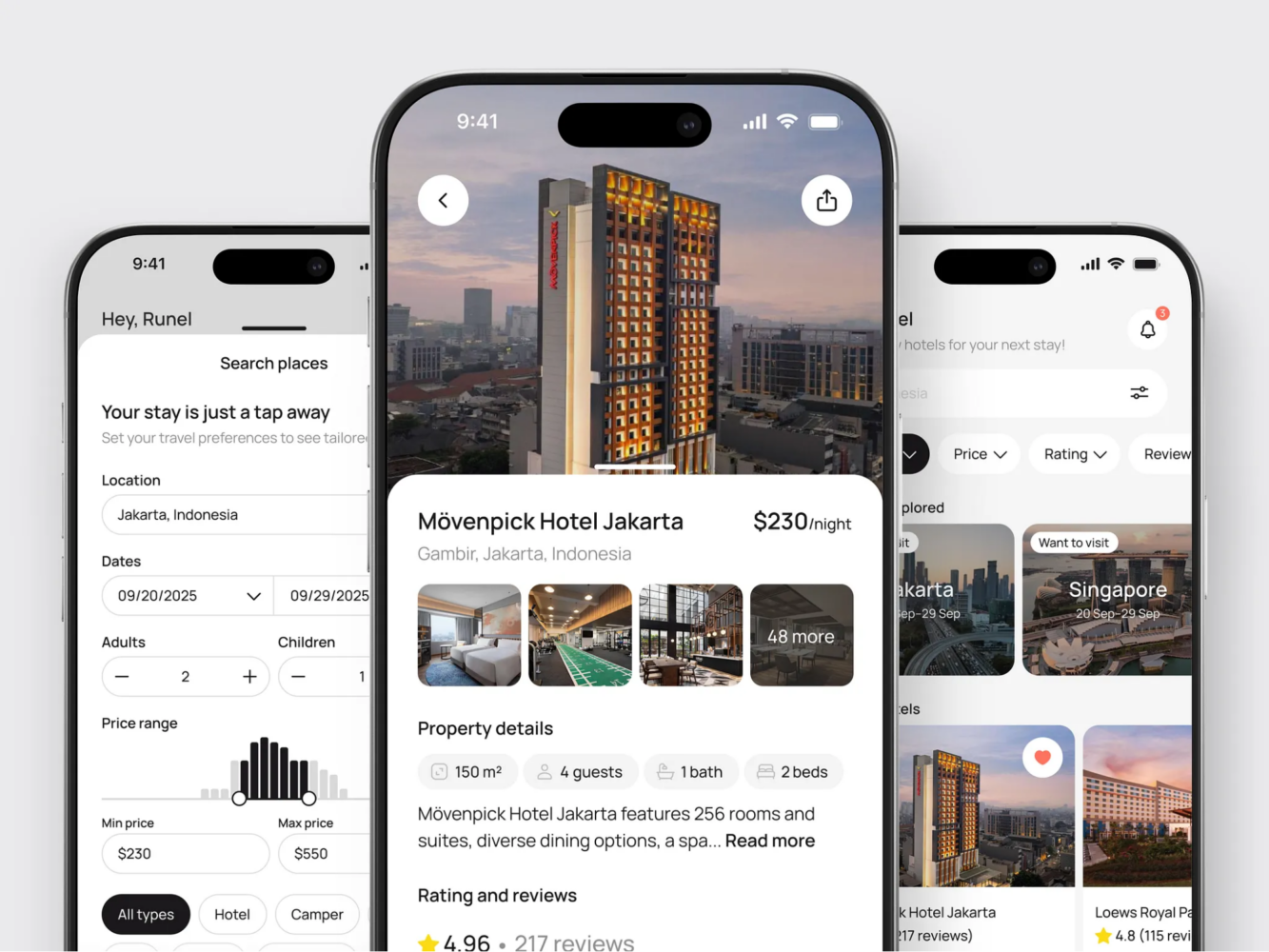
Hotel Booking Mobile App Concept by Shakuro
How Shakuro Can Help You Choose the Right Platform
Still racking your brain over the question of how to choose a mobile app development platform? I get you; picking a suitable approach can still be tricky: there are lots of hidden things to consider. That’s why it’s a wise move to consult an experienced development agency before diving into coding.
Expertise in Native and Cross-Platform Development
At Shakuro, we have been building native and cross-platform apps for more than 19 years. Depending on the current situation and your business goals, the team suggests a specific strategy that corresponds to them.
For native app development, we adhere to the best industry standards combined with the strict guidelines from Apple and Google. Our primary instruments are Swift, SwiftUI, and Xcode IDE for iOS. As for Android, our Android app developers prefer Kotlin, Java, Firebase, etc. And when cookie-cutter solutions don’t suffice, the developers create custom tools. This combination speeds time-to-market, increases performance, and leaves room for scaling.
When it comes to cross-platform mobile development, our team relies on Flutter. It allows us to deliver near-native experiences with high-quality UX and high performance. What’s more, apps created with Flutter are easy to scale, as the tool gives full control over UI.
So, after in-depth analysis of the market, industry, target audience, and your resources, we will pick the best platform for your current project. And, more importantly, help you build it.
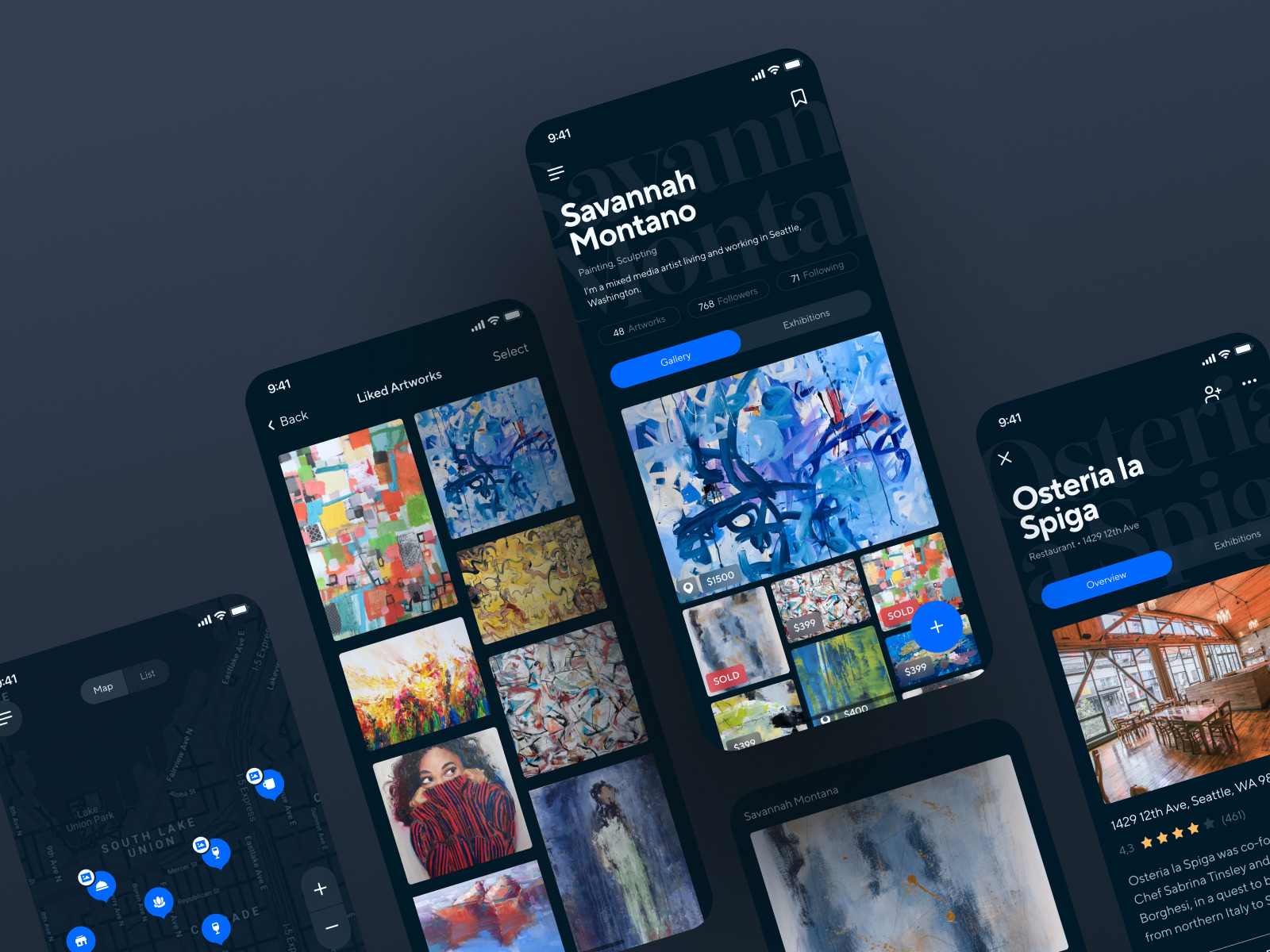
Lonely walls dark theme design by Shakuro
Successful Case Studies Across Industries
Our experience spans across various industries: e-commerce, fintech, healthcare, e-learning, SaaS, etc. For each sphere, we have specific approaches and instruments battle-tested in dozens of real-life projects.
Here are some examples from different fields:
Lonely Walls is an e-commerce art platform that connects artists and collectors. With the Lonely Walls creators, we’ve built an iOS app with the goal of highlighting art pieces. The team opted for the native app development because of the project’s complexity. There were three different user roles with lots of interactions, many art pieces in high quality, a branded UI, etc. The app had to be fast, easy to use, and valuable to different target groups.
Fintech is another industry where high performance is a must. When working on Solio, a South Korean stock trading app, we paid close attention to the project architecture. Here, the native platform was the best choice, too, since analytics, dashboards, and other important stuff were in real time. They demanded performance and smooth access to the platform features.
For Select, a private membership community, we’ve created an app for iOS and Android. The team revamped the outdated UI, added new features, such as a user concierge, and improved usability. Thanks to the platform’s capabilities, the app integrated with 1,300,000+ service partners from various fields.
Not sure how to choose a mobile app development platform? Looking for an experienced agency to help you build the next big project? Let’s collaborate and create a responsive app that brings value to users.
FAQ
Is native or cross-platform better for a mobile app?
Cross-platform is better for a mobile app that is UI-heavy but not performance-critical, such as social apps, productivity tools, e-commerce, or internal enterprise tools, especially when the team and budget are small. Native is better when the app depends on device hardware, needs smooth performance in gaming or video, or handles money and health records.
How much time does cross-platform mobile development save?
Cross-platform development lets you launch on iOS and Android in roughly the time it takes to finish one native version: teams can go from wireframes to App Store submission in under 10 weeks using Flutter. The savings can shrink later, as some companies spend 40% of their mobile sprint capacity keeping a cross-platform stack stable across OS updates.
When should you choose native mobile app development?
Choose native mobile app development when the app relies on GPS, sensors, cameras, Bluetooth, or platform features like Face ID and ARKit, when performance is non-negotiable, as in gaming, video or audio editing, and live broadcasting, and when you work in fintech or healthcare, where native platforms offer hardened pathways for secure storage, encryption, and biometric auth.
Should you choose React Native or Flutter for a cross-platform app?
Choose React Native if you have JavaScript talent or already work in the React ecosystem: it’s mature, has a massive community, and Meta still uses it internally. Choose Flutter if you want pixel-perfect control and fast UI thanks to its own rendering engine, or a design that looks identical on iOS and Android.
Should a mobile app launch on iOS or Android first?
Launch on the platform your core users use. If the app targets professionals in North America or Western Europe, iOS is often the smarter first bet because of higher average revenue per user and a more consistent device ecosystem. For emerging markets, students, or a broad global consumer base, Android’s volume is hard to ignore.
Related reading