
Choosing tools for an iOS app gets easier when you start with the work ahead. Your team needs to write code, manage libraries, test changes, investigate performance problems, and deliver updates. Each task calls for a different part of the development stack.
For a native app, Apple’s tools cover much of that workflow. Additional services become useful when you need more control over project configuration, automated releases, or production monitoring. The aim is to give your team a dependable process that stays manageable as the product grows.
Here’s best software for iOS app development.
| Task | Recommended starting point | Add when needed |
| Development | Xcode, Swift, SwiftUI or UIKit | An additional editor with Swift support |
| Dependencies | Swift Package Manager | Swift Package Index, Tuist, or XcodeGen |
| Testing | Swift Testing, XCTest, and XCUITest | SnapshotTesting |
| Profiling and monitoring | Instruments and Xcode diagnostics | MetricKit, Crashlytics, and Firebase Performance Monitoring |
| Release | App Store Connect and TestFlight | Xcode Cloud, fastlane, Bitrise, or GitHub Actions |
Development: Xcode, Swift, SwiftUI, and UIKit
Xcode is the starting point for native iOS development. Apple’s development environment brings together code editing, debugging, device simulators, previews, testing, and distribution tools. Keeping these activities close together helps developers move from a reported problem to a reproducible test and a fix. Use a stable Xcode release that supports your project and Apple’s submission requirements, and keep the team’s development and CI environments aligned.
Swift is the programming language for iOS app development; SwiftUI and UIKit provide ways to build the interface. SwiftUI is a practical starting point for many new screens, particularly when the interface follows familiar Apple patterns. Its declarative approach lets developers describe a view and the state it displays. UIKit remains relevant for existing applications and components that need its APIs or more detailed control. The two frameworks work together, so a team can introduce SwiftUI gradually or use a UIKit component inside a SwiftUI screen.
Consider your actual screens before committing to an interface approach. A settings page, a document editor, and an interactive chart have different requirements. Build an early version of the most demanding interaction, check accessibility, and test it on the devices you plan to support. That exercise tells you more than choosing a framework because it appears in a popular tools list.
An additional editor can help you if you also work on backend code, scripts, or standalone Swift packages. VS Code and Cursor support Swift through the Swift extension, while Xcode remains central to the Apple app workflow.
Dependencies: Swift Package Manager, With Project Tools as Needed
Start with Swift Package Manager for a new native project when your libraries support it. It manages package dependencies and resolves compatible versions. For an app, commit the relevant Package.resolved file so local and CI builds use the expected dependency versions. Update packages deliberately, with time to run tests and investigate changes. An unexpected library update is an avoidable complication when a release is already underway.
The Swift Package Index helps you discover packages and check compatibility information. Before adopting a dependency, also review its documentation, maintenance activity, license, and the amount of code it brings into your project. A library that saves a few lines today can create more work if it becomes difficult to update or replace. Prefer dependencies that solve a clear problem and have a manageable role in your architecture.
Tuist and XcodeGen become useful when project configuration starts taking too much attention. As the best software for iOS app development, they generate Xcode projects from definitions your team can review in version control. Tuist uses Swift manifests and provides workflows around project structure and modularization. XcodeGen generates projects from YAML or JSON specifications. Evaluate one when you regularly deal with configuration drift, multiple app targets, or project-file conflicts. A small app with a straightforward setup may not need either.
CocoaPods still appears in existing applications, but its maintainers describe it as being in maintenance mode. For an established app, assess migration library by library: check SwiftPM support, integration differences, and the effort required to verify the result. Keeping a necessary dependency working can be a reasonable short-term decision. For new native projects, evaluate SwiftPM first.
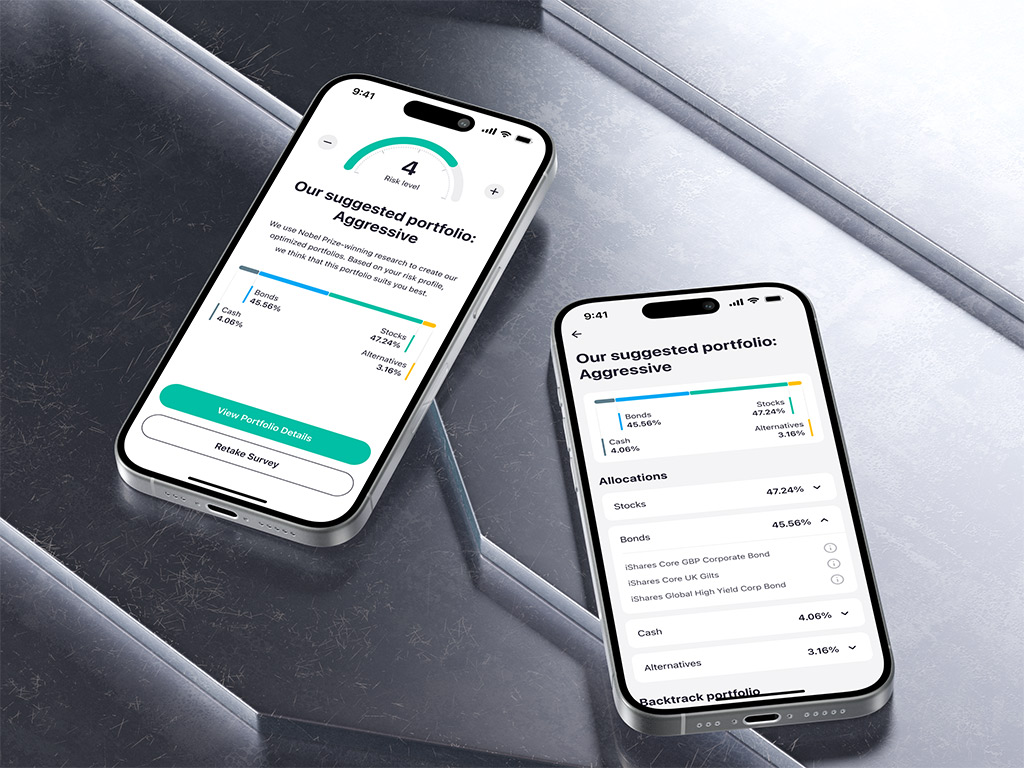
Zad app by Shakuro
Testing: Swift Testing, XCTest, and SnapshotTesting
Swift Testing is a popular iOS app development software which is a good starting point for new Swift unit tests. It supports expressive assertions, parameterized tests, and Swift concurrency. Parameterized tests are particularly useful when the same rule needs checking against several inputs, such as form validation, price calculations, or date handling. Tests run in parallel by default, which makes isolated test data important: one test should not depend on another changing shared state.
XCTest remains useful for existing test suites, performance measurements, and UI testing. XCTest and Swift Testing can run alongside each other, allowing you to adopt the newer framework gradually. For interface automation, XCTest with XCUIAutomation, commonly called XCUITest, can exercise flows such as signing in, completing onboarding, and submitting a form. Prioritize the journeys whose failure would prevent someone from using the product.
SnapshotTesting adds checks for unintended visual changes. It compares a rendered view or another representation with an approved reference. This can help catch a clipped label, a changed component layout, or an unexpected difference in dark mode. Keep the rendering environment consistent and review reference-image updates carefully. Accepting every new snapshot without checking it removes much of the value.
When searching for the best software for iOS app development, build the test suite around product risk. Cover business rules with focused unit tests, important integrations with appropriate checks, and a small set of essential journeys with UI tests. Run these checks in CI so their results are available before changes reach a release branch. Manual testing on physical devices still matters, especially for accessibility, interruptions, permissions, and hardware-dependent behavior.
Profiling: Instruments and Data From Real Devices
An app can pass its functional tests and still feel slow. A screen may open correctly but take too long to become usable. Scrolling may become uneven after loading images. Memory use may grow each time someone repeats a particular action. Investigate these behaviors with measurements tied to a reproducible scenario.
Use Xcode’s diagnostics for an initial investigation and Instruments for deeper profiling. Xcode helps you inspect application behavior and memory. Instruments provides detailed views of CPU, memory, disk, and GPU activity over time. Start with a specific question, reproduce the issue, and capture a baseline before changing the code. Repeat the same scenario after the fix to check whether it improved.
MetricKit helps you understand performance outside the development environment. It delivers system-collected metrics and diagnostic reports from real devices, including information relevant to launch time, resource use, crashes, and hangs. Using these reports across your user base requires a collection and analysis process. They can reveal conditions that your team’s test devices rarely encounter.
For hosted monitoring, choose iOS development tools by the information you need. Firebase Crashlytics groups crash reports and helps teams prioritize stability problems. Firebase Performance Monitoring collects performance data for supported operations and allows custom traces around application workflows. For example, a trace around loading a dashboard can help you compare that experience across app versions and device groups. These services complement local investigation by showing where production users encounter trouble.
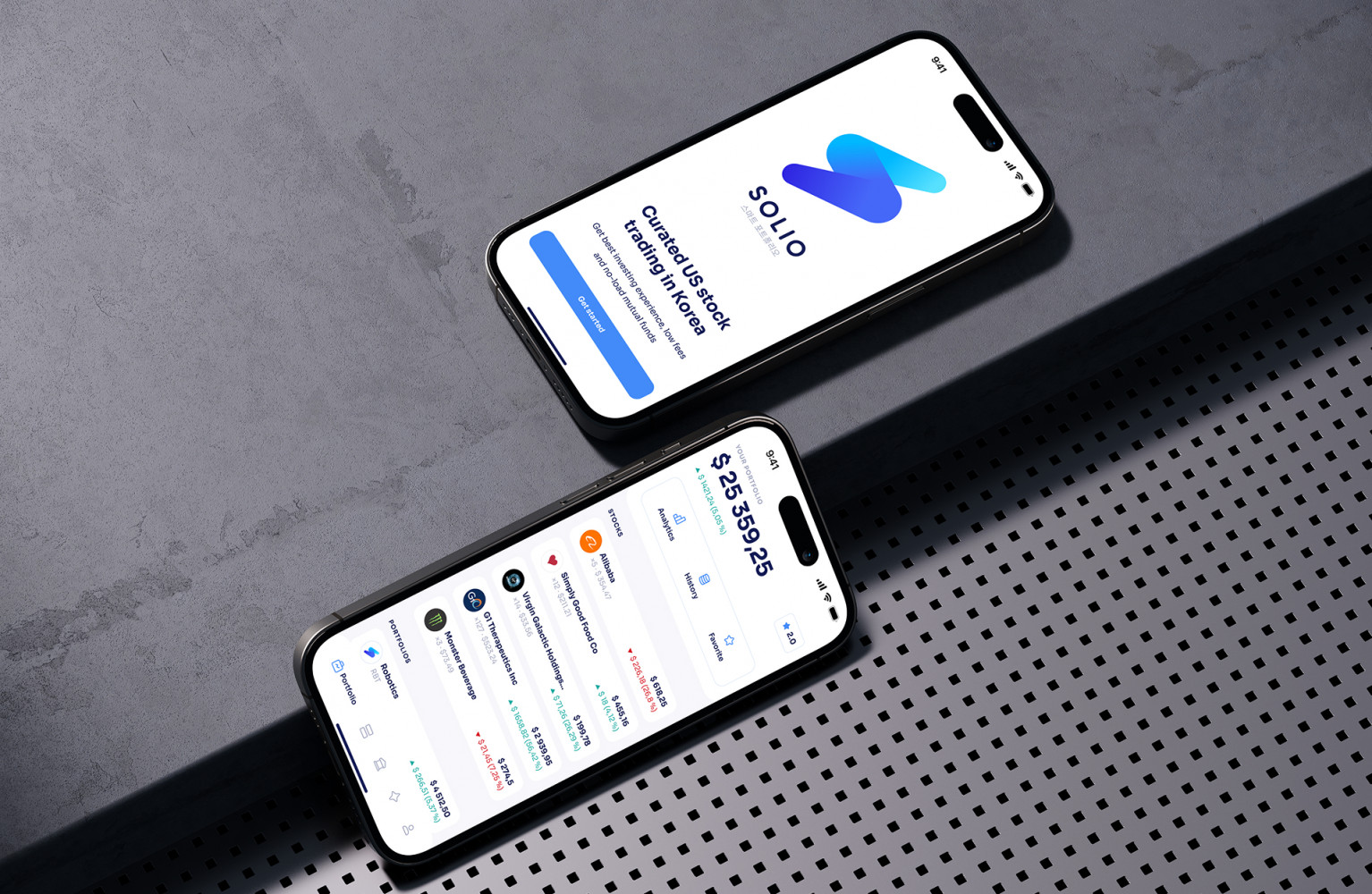
Solio App by Shakuro
Release: App Store Connect, TestFlight, and Automation
App Store Connect is the management hub for an App Store release. Your team uses it to manage app information, uploaded builds, TestFlight testing, and review submissions. Publishing also requires preparation beyond compiling the application: screenshots, descriptions, privacy information, and review details all need attention. Give someone clear ownership of that work before the release date approaches.
TestFlight distributes beta builds and collects tester feedback before publication. Use it to put the app in the hands of colleagues, stakeholders, and external testers on their own devices. Give each testing round a purpose, such as checking onboarding or verifying a repaired checkout flow. External testing involves Apple’s beta review process, so allow for it in the schedule. TestFlight supports human evaluation; automated checks belong in your test pipeline.
Xcode Cloud is worth evaluating when your workflow centers on Apple platforms. It connects automated builds and tests with Apple’s development and beta-distribution tools. Fastlane provides scripts for repeatable tasks such as building an app, managing signing workflows, and uploading to TestFlight. It can run locally or inside a CI service. Add it when repeated manual release steps are taking time or causing mistakes.
iOS app development tools like Bitrise and GitHub Actions offer other ways to run automation. Bitrise provides workflows for mobile delivery. GitHub Actions can suit teams that already manage their repositories and checks on GitHub, using suitable macOS runners for iOS builds. Compare available Xcode versions, signing setup, build queues, logs, and ongoing maintenance before choosing a provider. Jenkins can remain appropriate where a team already operates it successfully, but introducing it adds infrastructure ownership to the decision.
How to Choose a Stack Your Team Can Maintain
For a new native app, begin with Xcode, Swift, a suitable combination of SwiftUI and UIKit, and Swift Package Manager. Add tests for important behavior, profile demanding interactions, and establish a reliable route through TestFlight to release. Choose one CI service that fits the team’s workflow.
Expand the stack when a recurring problem justifies it. Project configuration conflicts may call for a generator. Repeated release errors may call for fastlane. Performance reports from users may call for production monitoring. Before adopting a tool, decide who maintains it and how you will tell whether it helps. Subscription fees are only part of the cost; setup, upgrades, and troubleshooting also take engineering time.

Frequently Asked Questions
What are the essential iOS development tools for beginners?
Start with Xcode and Swift, then learn SwiftUI or UIKit through a small working application. Add unit tests and practice debugging early. Dependency generators and extensive release automation can wait until you understand the problem they would solve.
What programming language is used for iOS apps?
Swift is the main language for iOS apps on iPhones and iPads. It is designed to be fast and safe, so apps run smoothly and don’t crash unexpectedly, and its clear syntax makes it relatively easy to learn. SwiftUI, part of the Swift family, lets you build interfaces with far less code and works hand-in-hand with UIKit for iPhone and iPad apps and AppKit for Mac apps.
How do you test an iOS app before release?
TestFlight lets you share beta versions of your app with testers inside and outside your team before it reaches the App Store. You upload builds directly from Xcode, invite testers in a few clicks, and get crash reports and engagement data. For automated checks, Jenkins runs continuous integration and delivery pipelines that test each code change and prepare it for release.
Where does Flutter fit?
Flutter belongs in a separate decision about cross-platform development. Evaluate that approach when the product needs iOS and Android, taking account of team skills, interface requirements, and platform integrations. This guide focuses on the workflow for native iOS applications.
Build Around Your Product
The right stack with iOS app development software should help your team answer practical questions: can we change this feature confidently, find the cause of a slowdown, and release an update reliably? Start with those needs and give every additional tool a clear job.
Planning a new app or reviewing an existing one? Shakuro can help you work through the product, design, and development decisions. Tell us about your project.
Related reading