The software discovery phase is the stage before development where the team defines what the system is supposed to do, how it will be used, and what limitations exist. It ends with concrete deliverables: a business requirements document, functional and non-functional requirements, wireframes and prototypes, a technical feasibility report, and a roadmap with timeline and budget estimates.
In custom software development, problems usually come from unclear starting conditions: different people fill in the gaps of an idea differently, and only after development starts does it become clear that key things were never agreed on. Discovery aligns business and technical teams, is where identifying risks like third-party APIs, regulation, or system load happens, and makes estimates for software development more reliable.
This guide explains the objectives and types of discovery, the team you need, when discovery is needed, its main activities and deliverables, the business benefits, the mistakes of skipping it, cost and duration, and a step-by-step example from our own project.
For those who prefer to listen rather than read, this article is also available as a podcast on Spotify.
How to Understand the Objectives and Purpose of Discovery
Discovery is done so that development doesn’t start with guesses. That’s it. In a software project discovery process, the team needs to understand what is being built well enough to make technical decisions without constantly going back and redoing them.
Define Core Features and Requirements
At the beginning, requirements are usually mixed together. Core logic, nice-to-have features, future ideas—everything sits in one list. Discovery is where this list gets cleaned up.
The team goes through how the system is supposed to be used. Not in abstract terms, but step by step. A user logs in. Opens a terminal. Places an order. Checks a position. Something fails. What happens next. These flows expose missing requirements very quickly.
Business expectations and technical limits are discussed at the same time. Some features turn out to be unnecessary. Others need to be simplified. This is normal. The goal is to leave discovery with a clear idea of what must exist in the first version.
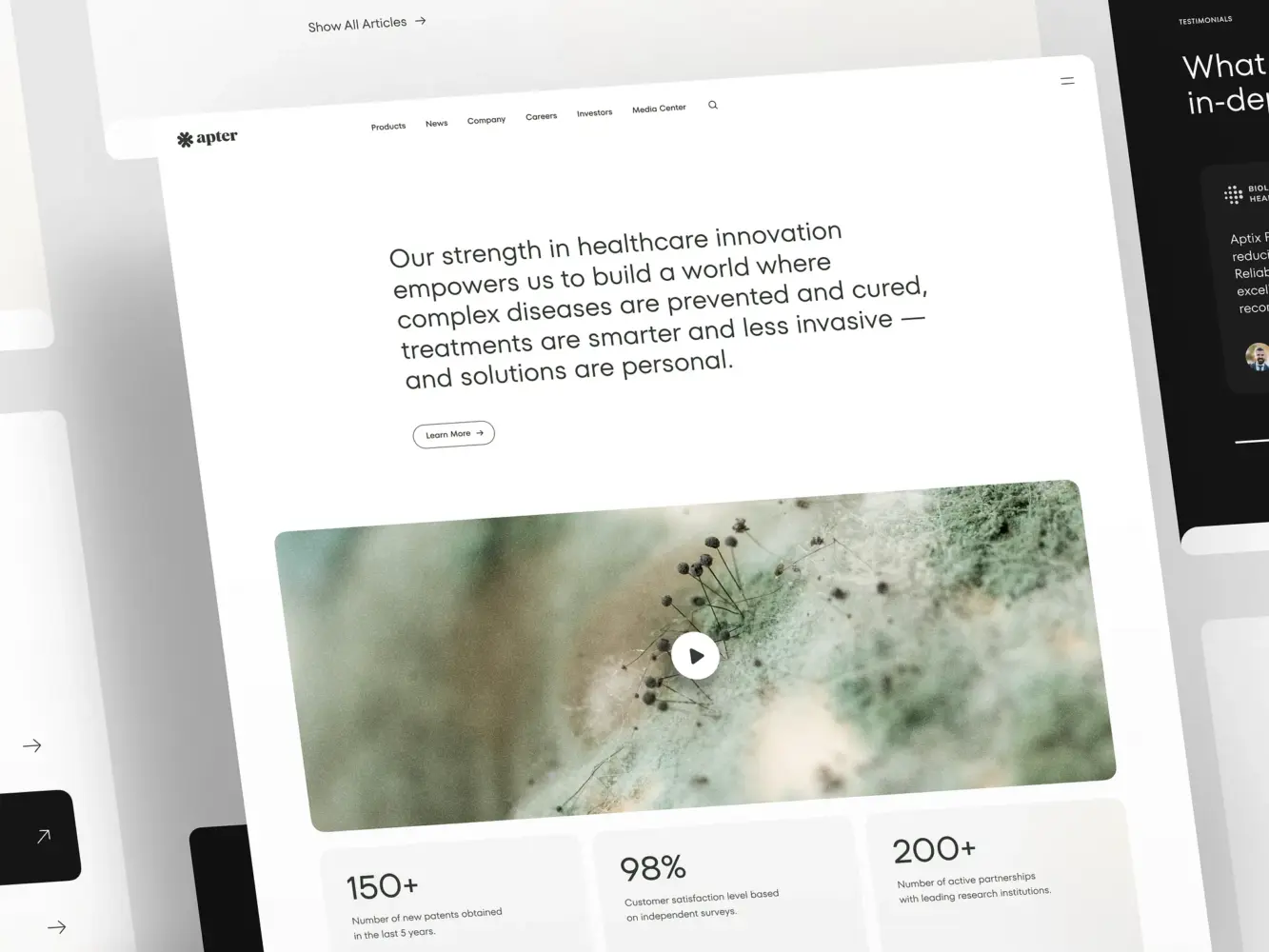
Landing Page Design for a Pharmacology and Medical Provider by Shakuro
Address Business and Technical Specifics
This is the part where constraints are finally acknowledged. Budget, timeline, compliance rules, existing systems, team size. All of these affect the final shape of the product, whether anyone likes it or not.
During discovery, these limits are discussed openly. If a feature does not fit, it is either changed or moved out of scope. This prevents development from heading in a direction that cannot be finished properly.
In a software project discovery process, this alignment saves time later, even if it feels uncomfortable at the moment.
Provide Prototypes and Documentation
Some things are hard to discuss without seeing them. Rough wireframes or simple mockups help with that. They are not designs. They are sketches. Their job is to show structure and flow, not details.
Documentation at this stage is basic. What the system does. What it does not do. Key assumptions. Known risks. Open questions. These materials make up the main discovery phase deliverables and are used as reference once development starts.
Enable Adaptability and Mid-Project Adjustments
Discovery does not lock anything forever. It makes later changes less chaotic.
When assumptions are written down and risks are known, adjusting scope during development is easier. You know what you are changing and why. In software development, this matters. Integrations fail. Data sources change. Regulations shift.
Discovery does not prevent change. It prevents blind change.
How to Identify Types of Discovery Phases
Discovery is not always the same. How much of it you need depends on how risky the project is and how long it is expected to live. In practice, teams usually adjust the software discovery methodology instead of following a fixed template.
Extended Discovery–for Complex or Long-Term Projects
Extended discovery is used when the system is large or when it is clear from the start that it will change over time. This is typical for software platforms, internal systems, or products that will be expanded in stages.
In this case, discovery goes deeper than basic requirements. The team looks at how the system may grow, what parts need to scale, and which decisions are hard to change later. Data structure, integrations, and long-term constraints are discussed early, even if some parts will not be built in the first release.
Extended discovery also gives room to revisit assumptions. Some ideas are tested and rejected. Others are adjusted. This approach follows discovery phase best practices for projects where quick decisions can cause long-term problems.
Technical Discovery–Feasibility and Architecture Validation
Technical discovery is used when the main questions are technical, not product-related. The business side may already be clear, but there is uncertainty around performance, architecture, or integrations.
For software development, this often means checking whether the system can handle expected load, how fast data can be processed, and how stable external connections are. Small prototypes or technical tests are often used to confirm assumptions.
This type of discovery helps avoid committing to an architecture that looks fine on paper but does not work in real conditions. It is a practical part of any software discovery methodology when reliability and performance matter.
There is no single “right” type of discovery. The important part is choosing the one that matches the level of uncertainty. That choice alone often prevents problems later.
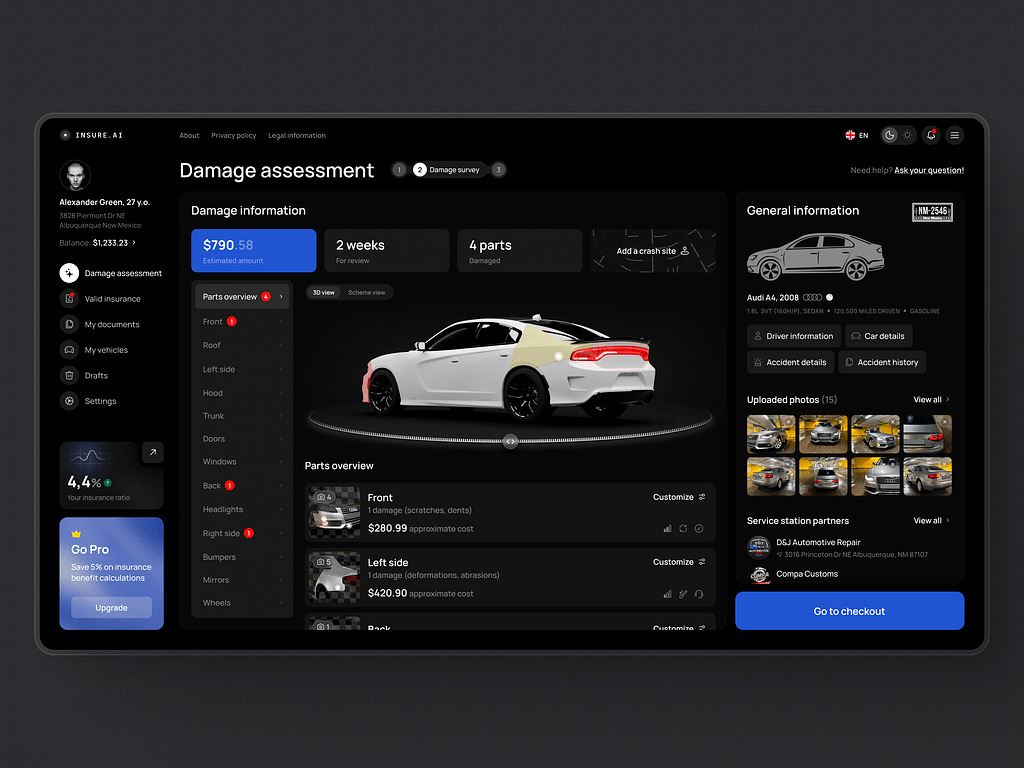
AI Insurance Web Design Concept by Shakuro
How to Assemble Your Discovery Team
Discovery works when the people who can answer questions are in the room. Not later. Not “we’ll check”. During the discovery phase in software development, the team should be small and practical.
Key Roles
Project Manager
Someone needs to keep track of what is discussed and what is decided. The project manager does that. They schedule sessions, write things down, and make sure open questions don’t get lost. During the software discovery phase, this role is mostly about order, not management.
Business Analyst
The business analyst listens and translates. They take what the business says and turn it into something concrete. They also notice when requirements don’t match or contradict each other. This comes up a lot during discovery.
UX/UI Designer
The designer sketches flows. Nothing detailed. Just enough to show how screens connect and where actions happen. This helps reveal gaps and awkward logic early.
Developers
Developers check feasibility. They point out where something will be slow, complex, or risky. Without them, discovery turns into ideas that don’t survive contact with real systems.
QA
QA team looks for failure cases. What happens with wrong input. What breaks under load. What edge cases exist. This thinking is useful even before a single line of code exists.
Stakeholders
Stakeholders explain priorities. What matters, what doesn’t, and where compromises are acceptable. They make decisions when there is no perfect option.
That’s it. You don’t need more people. You need the right ones. With this setup, the software discovery phase stays grounded.
How to Determine When Discovery Is Needed
Discovery is needed when too many things are unclear to start development safely. The software discovery phase is not about “best practice”, it’s about avoiding blind decisions.
One common case is when the idea hasn’t been validated yet. If the product exists mostly in conversations and presentations, and different people describe it differently, discovery is needed. Until the idea is pinned down, development will move in circles.
Another case is high-risk functionality. In software development, this usually means things like real-time processing, complex order logic, heavy integrations, or strict performance requirements. When a mistake here is costly, it makes sense to check assumptions early. One of the main discovery phase benefits is finding weak points before they turn into technical debt.
Discovery is also useful when requirements keep changing. If priorities shift every few weeks or stakeholders don’t fully agree, starting development right away usually leads to rework. A software discovery phase forces these disagreements to surface earlier, when changes are still cheap.
Budget limits are another clear signal. When there is no room for overruns, guessing is risky. Discovery helps define what fits into the budget and what does not. This is a practical discovery phase benefit, especially for custom projects.
If key decisions depend on assumptions rather than facts, discovery is usually needed. It’s a way to reduce guesswork before committing time and money.
How to Conduct Main Activities in Discovery
Discovery is made up of a few concrete steps. They are not always done in a strict order, but they usually cover the same ground. The goal of the software project discovery process is to replace assumptions with something the team can actually rely on.
Information Collection & Target Audience Analysis
The first step is collecting everything that already exists. Business goals, constraints, existing systems, known problems. At the same time, the team looks at who will use the product.
In software development, this matters a lot. A platform built for active traders looks very different from one built for internal desks or long-term investors. Discovery helps separate real users from imagined ones and avoid building for everyone at once.
Mind Mapping and Feature Set Definition
Once the basics are clear, ideas need structure. Features are grouped, connected, and simplified. Mind maps are often used because they make it obvious where things grow out of control.
This is where the feature list gets trimmed. Core functionality stays. Secondary ideas are pushed aside. Future ideas are noted but not mixed into the first version. This step usually saves more effort than any later optimization.
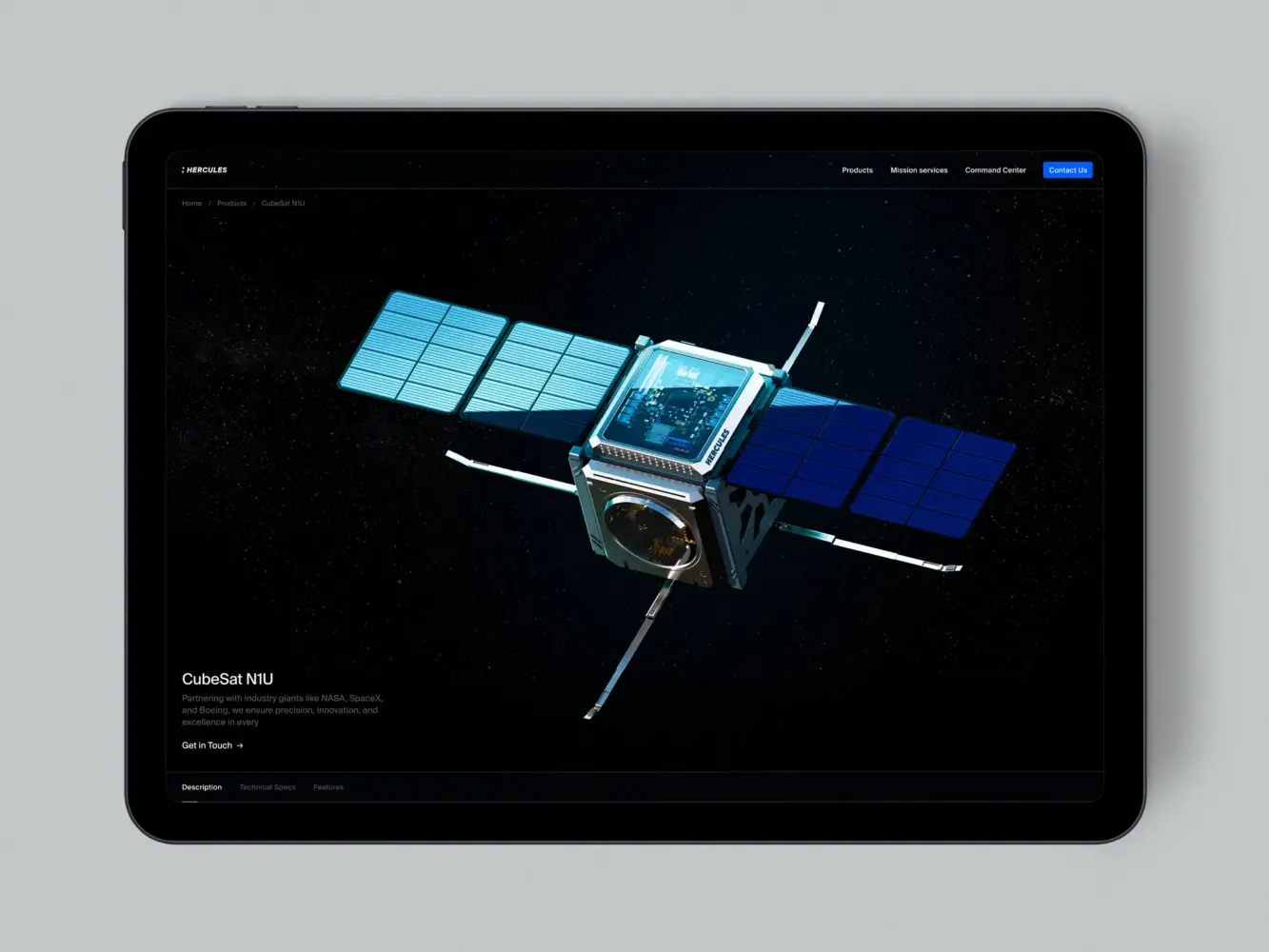
Website Design for Satellite Control & Launch Platform by Shakuro
Prototype Development and User Testing
Some questions can’t be answered with text alone. Rough prototypes help with that. These are simple flows or screens, often unfinished and intentionally rough.
If there is access to real users, even limited feedback is useful. People react quickly to things that don’t make sense. These early checks often catch problems that would otherwise appear after development. Prototypes are a common part of discovery phase deliverables.
Scope, Methodology, and Roadmap Creation
After features and flows are clearer, scope is defined. What is included now. What is excluded. What is postponed.
At this point, the team also agrees on how development will move forward. The roadmap is usually simple: order of work, dependencies, rough milestones. Exact dates are less important than understanding what depends on what.
Cost and Timeline Estimation
Estimates come last. They are based on the agreed scope and approach, not on guesses made at the start.
These numbers are still estimates, but they are grounded in decisions already made during the software project discovery process. Together with scope and roadmap, they form the final discovery phase deliverables that development can work from.
Discovery is done when the team can start building without filling in gaps on the fly. That’s usually the best signal that it worked.
How to Define Discovery Phase Deliverables
Discovery should end with something concrete. Not opinions, not meeting notes, but materials the team can actually use once development starts. These discovery phase deliverables don’t need to be perfect or overly detailed. They need to be clear enough to remove guesswork. That’s the practical side of any software discovery methodology.
Business Requirements Document (BRD)
The BRD describes the problem from the business side. Why the product is being built, what goals it should support, and what constraints exist.
This document is usually short. It doesn’t describe how the system works internally. It focuses on intent: business objectives, success criteria, user groups, and high-level rules. A good BRD gives context without locking the team into technical decisions too early.
Functional and Non-Functional Requirements
Functional requirements describe what the system does. Non-functional ones describe how it should behave.
In discovery, these are kept at a practical level. Core actions, main flows, performance expectations, security requirements, regulatory constraints. Enough detail to guide architecture and estimation, but not so much that the document becomes a substitute for development.
These requirements are one of the most important discovery phase deliverables, because they directly affect scope and cost.
Wireframes, Prototypes, and Mockups
Visual materials help avoid misunderstandings. Wireframes and prototypes show structure and flow. Mockups may appear, but usually in a very rough form.
The goal here is not design quality. It’s alignment. Everyone should be looking at the same thing when discussing screens, actions, and user behavior. These materials often reveal gaps that text alone doesn’t show.
Technical Feasibility Report
This is where technical risks are recorded. Architecture assumptions, integration constraints, performance concerns, and external dependencies.
The report doesn’t need to be long. It needs to be honest. If something is risky, complex, or unproven, it should be written down. This deliverable helps prevent situations where technical issues are “discovered” only after development is underway.
Within a software discovery methodology, this document protects both the business and the technical team.
Project Roadmap, Timeline, and Budget Estimates
The final deliverables tie everything together. Scope, order of work, rough milestones, timeline ranges, and cost estimates.
These are not promises. They are informed projections based on what was agreed during discovery. Their value comes from the fact that assumptions are already documented and shared.
When these materials are in place, discovery is usually complete. The team knows what it’s building, how it plans to build it, and what level of effort to expect. That’s the point where development can start without guessing.
How Discovery Phase Benefits Your Business
The value of discovery is not theoretical. It shows up later, during development, when things either stay under control or start to fall apart. A well-run software discovery phase does not guarantee success, but it removes a large part of the avoidable risk.
One of the most obvious discovery phase benefits is risk reduction. Discovery forces teams to talk about things that are easy to ignore early on: technical limits, dependencies, performance expectations, regulatory constraints. When these are identified before development, they can be planned for. When they are discovered later, they usually cause delays, rework, or both.
Planning also improves. Instead of building around assumptions, the team works from agreed decisions. Scope is clearer, priorities are defined, and trade-offs are visible. This makes it easier to sequence work and avoid constant course corrections once development has started.
Cost control is another direct result. Discovery does not make projects cheap, but it makes costs more predictable. By defining what is in scope and what is not, the team avoids building unnecessary features and reduces rework. For many businesses, this is the most tangible benefit of the software discovery phase.
Stakeholder alignment is less visible but just as important. Discovery brings disagreements to the surface early, when they are easier to resolve. Business owners, technical teams, and other stakeholders leave discovery with a shared understanding of the product and its limits. This reduces friction during development and makes decision-making faster.
In practice, the main discovery phase benefits show up later. Fewer surprises. Fewer emergency changes. Fewer situations where “this wasn’t what we meant” becomes a problem. That alone often justifies the time spent on discovery.
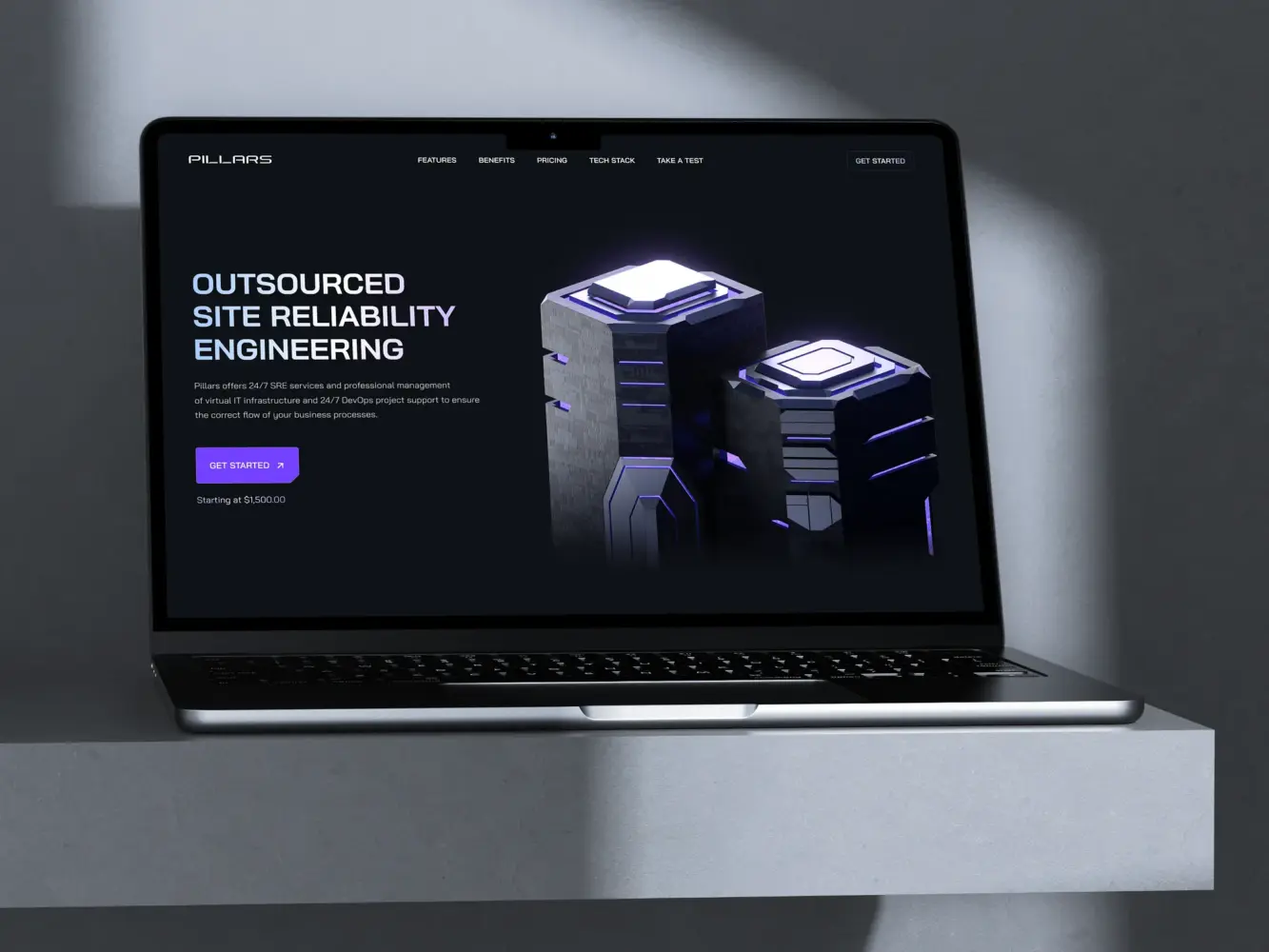
Website Design for Outsourcing SRE Platform by Shakuro
How to Avoid Mistakes When Skipping Discovery
Discovery is usually skipped because someone wants to move faster. There’s pressure to start development, show progress, write code. The problem is that without discovery, development starts with gaps that don’t go away on their own. This happens regardless of the software discovery methodology on paper.
The most common issue is that people are not actually aligned. Everyone thinks they understand the product, but they are imagining different things. Business talks in outcomes. Developers think in systems. Without discovery, these differences stay hidden until something is already built and shown. At that point, changing it is slow and unpleasant.
Money issues usually come next. When scope isn’t defined early, it expands during development. New requirements appear, priorities change, edge cases surface. None of this looks dramatic in isolation, but together it pushes the budget out of control. One of the basic discovery phase best practices is agreeing on boundaries before work starts.
Deadlines break for the same reason. Estimates made without discovery are guesses. As soon as real complexity shows up, timelines move. The team spends more time adjusting plans than following them.
Feature priorities also get messy. Without discovery, teams tend to build whatever is discussed last or sounds most important at the moment. Core functionality is delayed. Secondary features pile up. The product grows, but not in a useful way.
Skipping discovery doesn’t remove work. It just postpones decisions until they hurt more. Following simple discovery phase best practices early is usually cheaper than fixing the result later.
How to Estimate Discovery Phase Cost and Duration
Estimating discovery is not about precision. It’s about understanding the range. The discovery phase cost and timeline depend on how many open questions the project has and how hard they are to answer. In the software project discovery process, uncertainty is what drives both time and effort.
Project size is the first factor. A small product with a narrow scope and clear goals usually needs less discovery. A large platform with multiple user roles, integrations, and regulatory constraints needs more time just to get everyone aligned.
Complexity matters just as much as size. A small system with real-time processing, external APIs, or strict performance requirements can require more discovery than a larger but simpler product. The more technical risk involved, the more time is spent validating assumptions.
Team size also affects cost. Discovery with a small, focused team moves faster and costs less. When more roles are involved, coordination takes time. This is not a problem, but it needs to be accounted for when estimating the discovery phase cost.
Scope is the final variable. Discovery can be limited to a single release or extended to cover long-term product evolution. Broader scope means more discussions, more documentation, and more validation.
As a rough guideline, discovery usually falls into a few patterns within the software project discovery process:
- Small projects: 1–2 weeks. Limited scope, few roles, minimal documentation.
- Medium projects: 2–4 weeks. Multiple user roles, integrations, and clearer risk assessment.
- Enterprise projects: 4–6 weeks or more. Complex systems, long-term planning, and higher regulatory or technical risk.
These are not rules. They are reference points. Discovery takes as long as it needs to answer the right questions. When those questions remain open, development pays the price later.
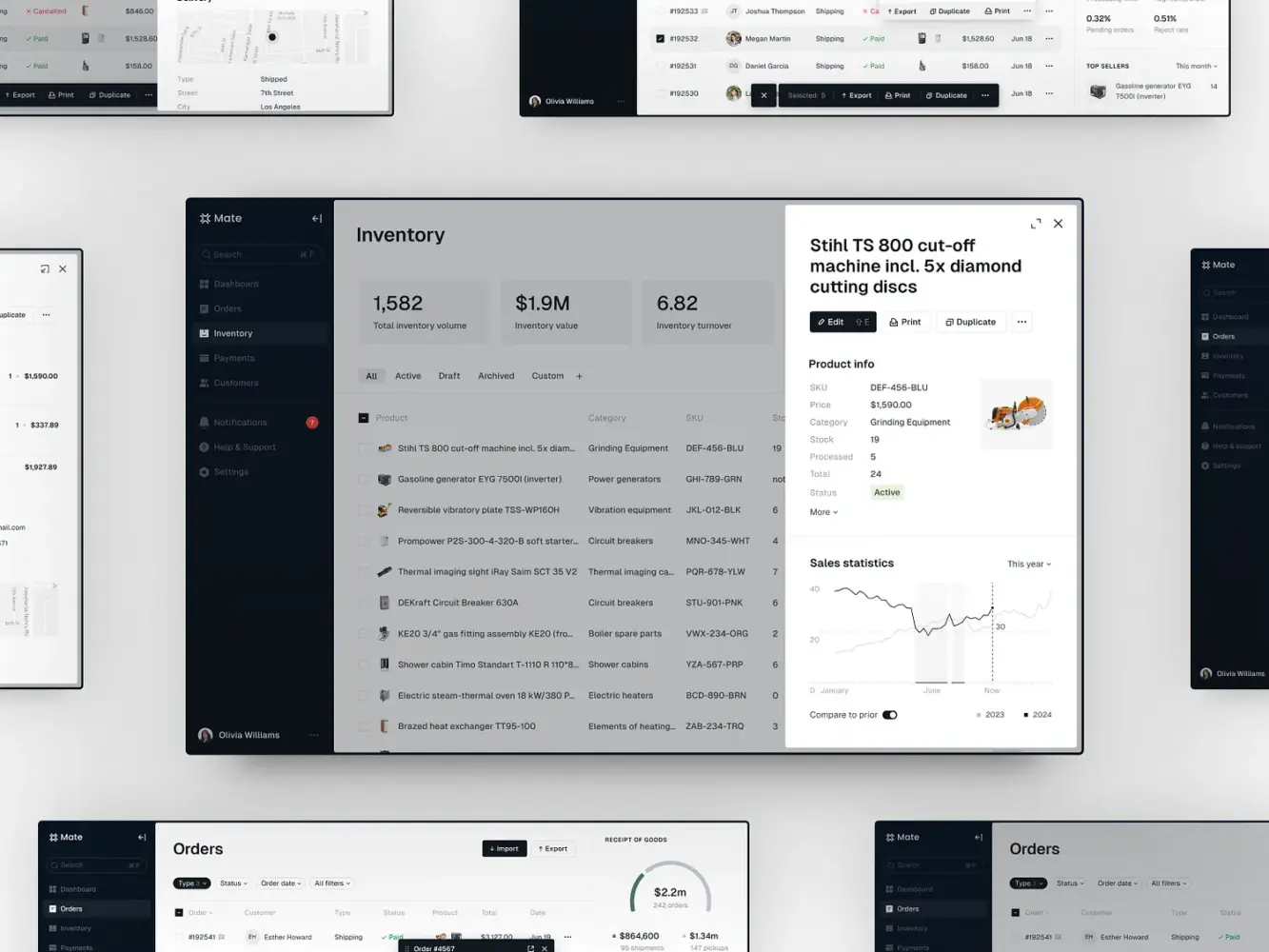
E-Commerce Marketplace Admin Management Dashboard by Shakuro
Step-by-Step Example: How We Conduct Discovery
Instead of describing discovery in abstract terms, it’s easier to look at how it usually happens in a real project. Below is an example of a software discovery phase for a custom product, without idealized steps.
Case Study: E-commerce Analytics App Using JS and Serverless on AWS
The initial request was to build an analytics app for an e-commerce business. The idea was simple: collect data from several sources, process it, and show useful metrics to business users. The technical direction was defined early: JavaScript and a serverless setup on AWS.
At this stage, the product existed mostly as an idea. Stakeholders agreed on the general goal but described details differently. Metrics, update frequency, and usage scenarios were all unclear. That was the point where custom software discovery started.
Collection and Analysis of Requirements
Work began with collecting requirements from different sides. Business stakeholders explained what they needed the data for. Analysts described how they currently worked with reports. The technical team reviewed data sources and constraints.
Requirements were discussed through use cases, not lists. What someone checks daily. What is needed only for weekly reports. What must be fast. What can be delayed. This immediately removed several features that sounded useful but were rarely needed.
Some assumptions also fell apart during these discussions. Fixing them here was easy. Fixing them later would not have been.
Prototyping and User Feedback
Once the main flows were agreed on, rough prototypes were created. Basic dashboards, filters, and navigation. No design work, no details.
These were shown to a few future users. Feedback was direct. Some screens were unnecessary. Some actions were missing. One flow was confusing. All of this came out within a single session.
These prototypes became part of the software discovery phase results and helped align expectations before any development started.
Technical Architecture and Roadmap
Only after that did the technical discussion begin in earnest. The team looked at how data would be collected, processed, and stored within AWS. Cost and performance trade-offs were discussed openly.
Based on this, a simple roadmap was created. The first version covered a limited set of metrics and sources. More complex analytics were pushed to later stages. Estimates were based on this reduced scope, not on the original idea.
By the end of discovery, the team knew what they were building, what they were not building, and why. That allowed development to start without filling gaps on the fly, which is the main point of custom software discovery.
FAQ
What is the discovery phase in software development?
The discovery phase in software development is the stage before coding starts, when the team clarifies what the system should do, who will use it and how, and which constraints and risks exist. The goal is not to describe every screen or edge case, but to remove uncertainty around the core of the product so development starts from agreed decisions instead of assumptions.
What are the deliverables of a discovery phase?
Typical discovery phase deliverables are a business requirements document (BRD) with goals and constraints, functional and non-functional requirements, wireframes, prototypes, and rough mockups, a technical feasibility report that records architecture assumptions and risks, and a project roadmap with timeline and budget estimates. They should be clear enough to remove guesswork, not perfect or overly detailed.
How long does a discovery phase take?
As a rough guideline, discovery takes 1–2 weeks for small projects with limited scope, 2–4 weeks for medium projects with multiple user roles and integrations, and 4–6 weeks or more for enterprise projects with complex systems and higher regulatory or technical risk. The duration and cost depend on project size, complexity, team size, and scope.
Who takes part in the software discovery process?
A small, practical team: a project manager who keeps track of decisions, a business analyst who turns business needs into concrete requirements, a UX/UI designer who sketches flows, developers who check feasibility, QA who looks for failure cases, and stakeholders who set priorities and make decisions when there is no perfect option.
When do you need a discovery phase?
Discovery is needed when too much is unclear to start development safely: the idea hasn’t been validated and people describe the product differently, the product has high-risk functionality such as real-time processing or heavy integrations, requirements keep changing, or the budget leaves no room for overruns. If key decisions depend on assumptions rather than facts, start with discovery.
What happens if you skip the discovery phase?
Skipping discovery doesn’t remove work, it postpones decisions until they hurt more. Differences in how business and developers imagine the product stay hidden until something is built, scope expands during development and pushes the budget out of control, estimates turn out to be guesses, and teams build secondary features while core functionality is delayed.
Conclusion
Discovery matters because it prevents avoidable mistakes. Without it, projects usually start with assumptions and fix them later, when changes are expensive. A solid software discovery phase gives the team enough clarity to start development without guessing.
For business owners, discovery keeps spending under control. It makes it clear what is worth building now and what can wait. One of the real discovery phase benefits is avoiding work that does not move the product forward.
For product managers, discovery creates a shared baseline. Scope, priorities, and constraints are discussed early instead of during development. This makes planning calmer and decisions easier to justify.
For startups, discovery helps focus. Limited time and budget leave little room for rework. Discovery forces hard choices early and keeps the first version smaller and more realistic. It is especially useful when outsourcing web development, since the vendor starts from the same written baseline.
Discovery does not solve every problem. It reduces noise. That alone makes the software discovery phase worth the time.
Related reading
- Trading Software Development: How to Build a Custom Trading Platform
- Financial Analytics Software Development: How to Build Data-Driven Financial Systems
- Corporate Training Platform Development: How to Build Scalable Employee Learning Systems
- Design-to-Development Handoff: Why Most Web Projects Fail After Design